


I often find that rooms feel incomplete when the lighting only comes from overhead fixtures and leaves the lower areas flat.
Over time I have learned that small hidden sources can pull the whole layout together without adding clutter to the surfaces.
Some work far better in practice.
The ones that hide the source completely tend to feel more natural after a few weeks of living with them.
I usually test an idea in one corner first before committing to the rest of the room.
Cove Lighting For Wood Feature Walls

Hidden LED strips tucked into a ceiling cove give a wood accent wall a gentle wash of light from above. The effect feels soft and even, and it avoids the harsh spots you often get from lamps or wall sconces. In this room the light sits right above the vertical slats, so the grain shows up nicely without any bright glare.
This approach works best in living rooms or media spaces where you want steady background light after dark. It suits homes with tray ceilings or simple recessed edges, and the warmth of the LEDs can be matched to the wood tone so the whole wall feels connected. Just keep the strip hidden from the main seating area and test the color temperature before you commit.
Hidden LED Strips Under A Floating Shelf
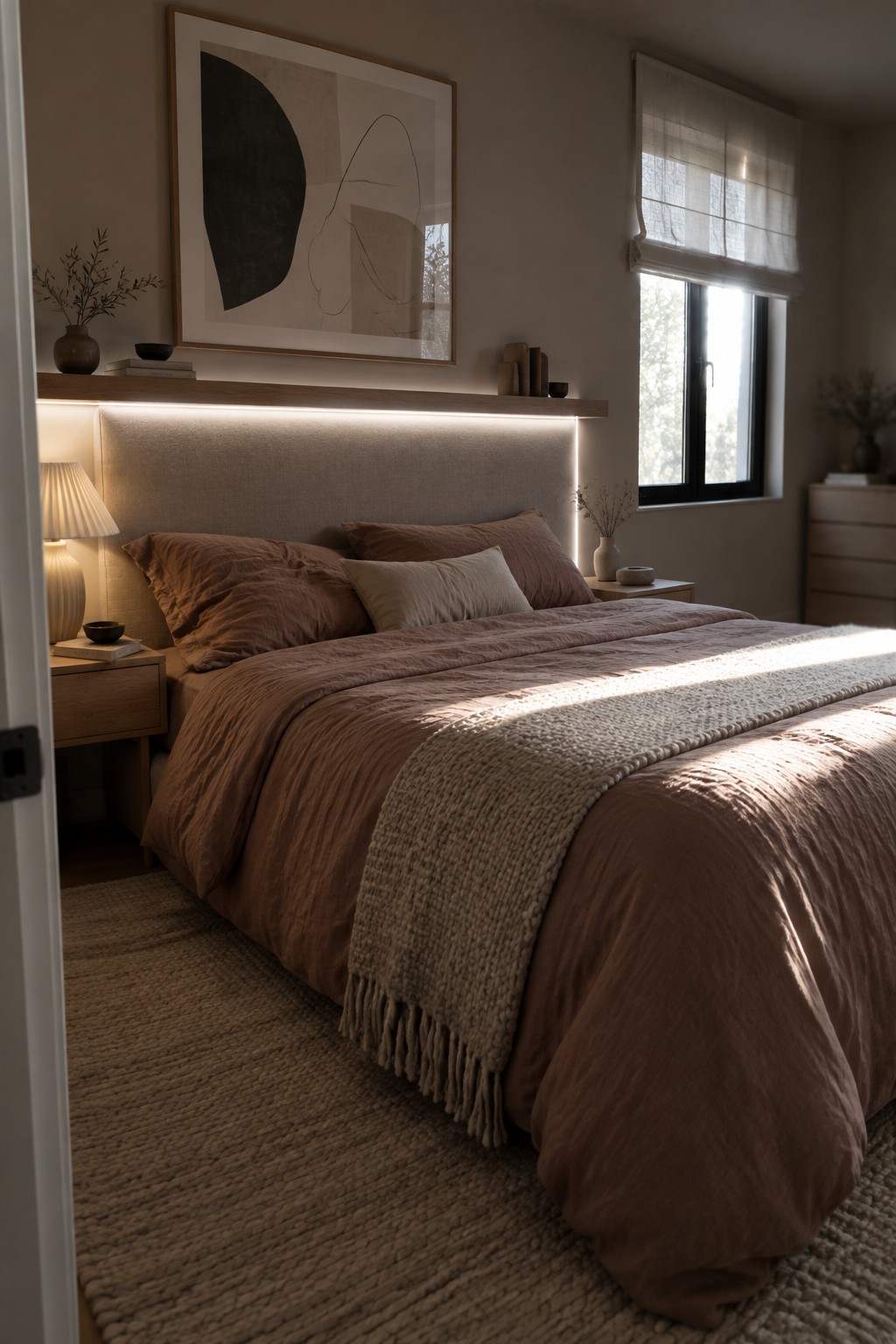
A floating shelf above the bed with LED strips tucked underneath gives off a steady, soft glow that lights the headboard area without any bright spots or visible bulbs. It keeps the look clean and avoids the need for extra lamps right next to the bed.
This setup works best in rooms where you want low evening light that feels steady rather than harsh. It suits spaces with simple lines and neutral colors, and it pairs well with a dimmer so the light can be adjusted as the room gets darker. Make sure the shelf sits far enough from the wall to fully cover the strip.
Hidden LED Strips Under Kitchen Islands

Many kitchens add hidden LED strips along the base of an island to create a soft line of light that makes the whole piece feel lighter. This approach works especially well when the island has a solid front because the glow lifts the mass and keeps the floor area from going completely dark at night.
The same strips can run under wall cabinets too. They give just enough light for late evening use without needing the overheads on. This setup suits darker cabinet finishes and works best in kitchens where the island sits away from the walls so the light has room to spread across the floor.
Hidden LED Strips Under Built-In Shelves
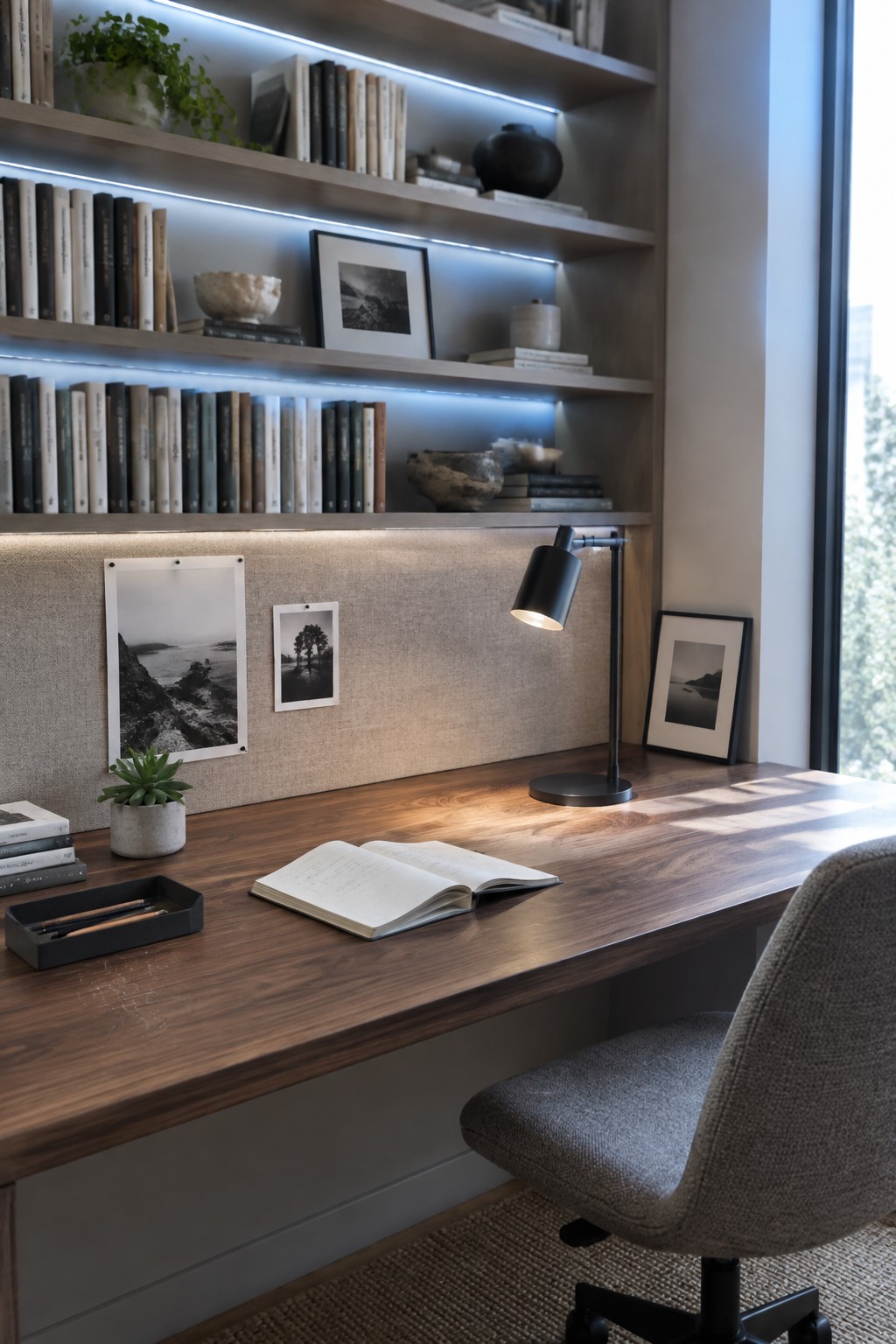
Hidden LED strips tucked under shelves give a room that quiet background glow without adding any extra lamps or clutter. The light stays low and even, so books and small objects stand out on their own while the rest of the space stays calm.
This approach works best in offices, living rooms, or any wall with open storage where you want light but not a spotlight. Run the strips along the front edge of each shelf and hide the power supply behind the cabinet frame so nothing shows from the front.
Hidden LED Strips In Ceiling Coves

Dining rooms often end up with one bright light in the middle and not much else. Hidden LED strips tucked into a ceiling cove give the space a soft layer of light that feels calmer and more balanced without adding visible fixtures.
This works best in rooms with some height or simple crown details. Place the strips so they wash the upper walls and ceiling edge, then add a dimmer so the light can shift from everyday meals to lower evening use.
Hidden LED Strips Under Built-In Benches

Running a hidden LED strip along the underside of a bench gives the floor a soft wash of light while making the storage area below easy to see. It works especially well in entryways where you need a bit of guidance at night without adding another lamp or fixture.
This setup fits best in homes with long hallways or open stair landings that already have built-in seating. Keep the strip set back slightly from the front edge so the light spreads evenly across the floor and into the cubbies without shining straight out into the room.
Hidden LED Strips Under Floating Vanities
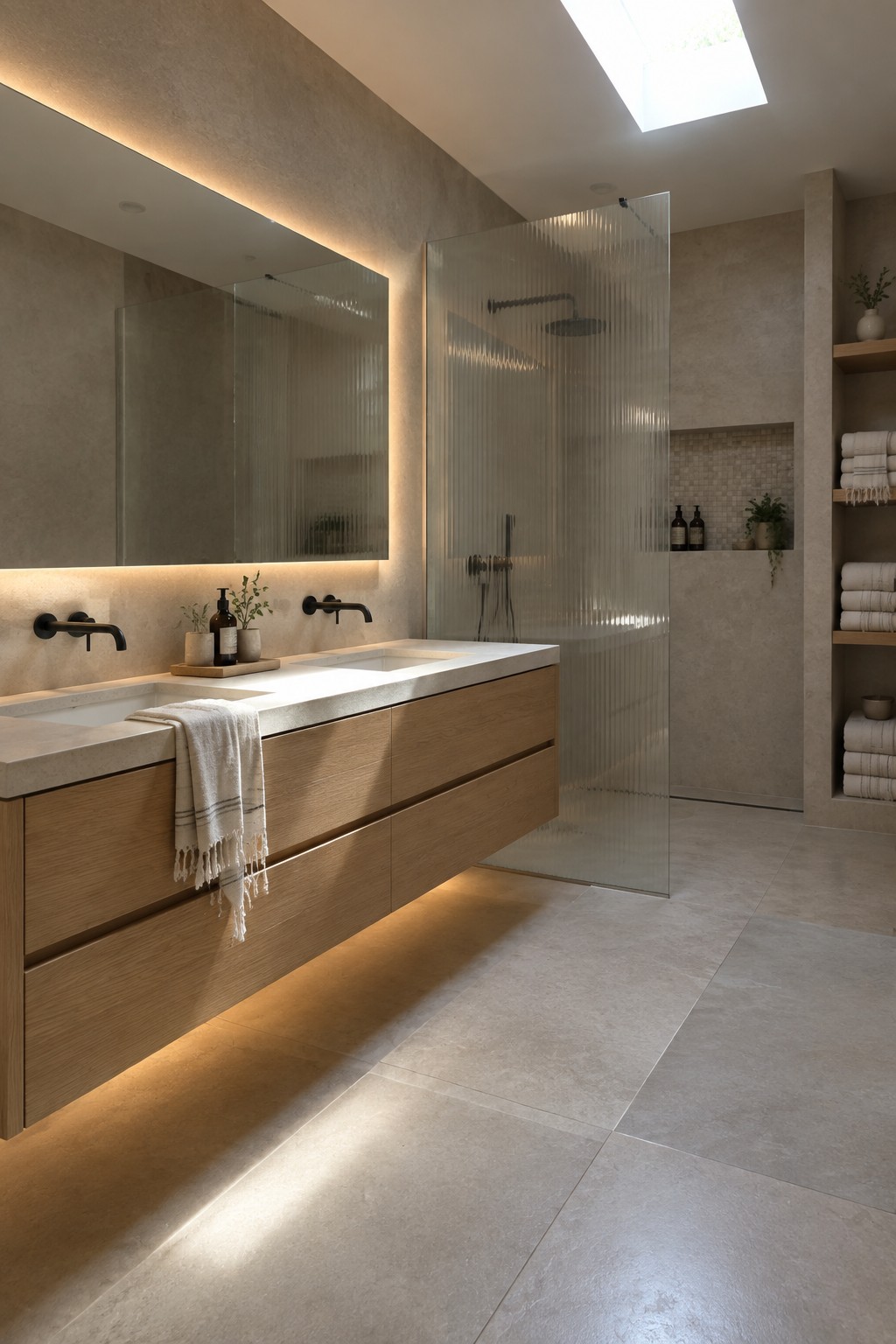
Many bathrooms feel more open when light comes from under a floating vanity instead of from overhead fixtures alone. The glow lifts the cabinet off the floor and spreads a steady warmth across the tile without adding clutter or extra lamps.
Run the strips along the bottom edge or tuck them into a shallow channel so the light stays hidden during the day. This approach suits smaller bathrooms or any room where you want simple lines and a calm evening routine.
Hidden LED Strips Under Built-In Shelves

Many people add hidden LED strips to their built-in shelves because the light feels soft and even without any bulbs showing. It turns ordinary shelving into a quiet focal point, especially in corners that already have books and plants stacked together.
This approach works best in reading nooks or small seating areas where you want low light in the evening. Run the strips along the underside of each shelf and the base of a window bench so the glow stays contained and does not compete with daylight during the day.
Cove Lighting With Hidden LED Strips
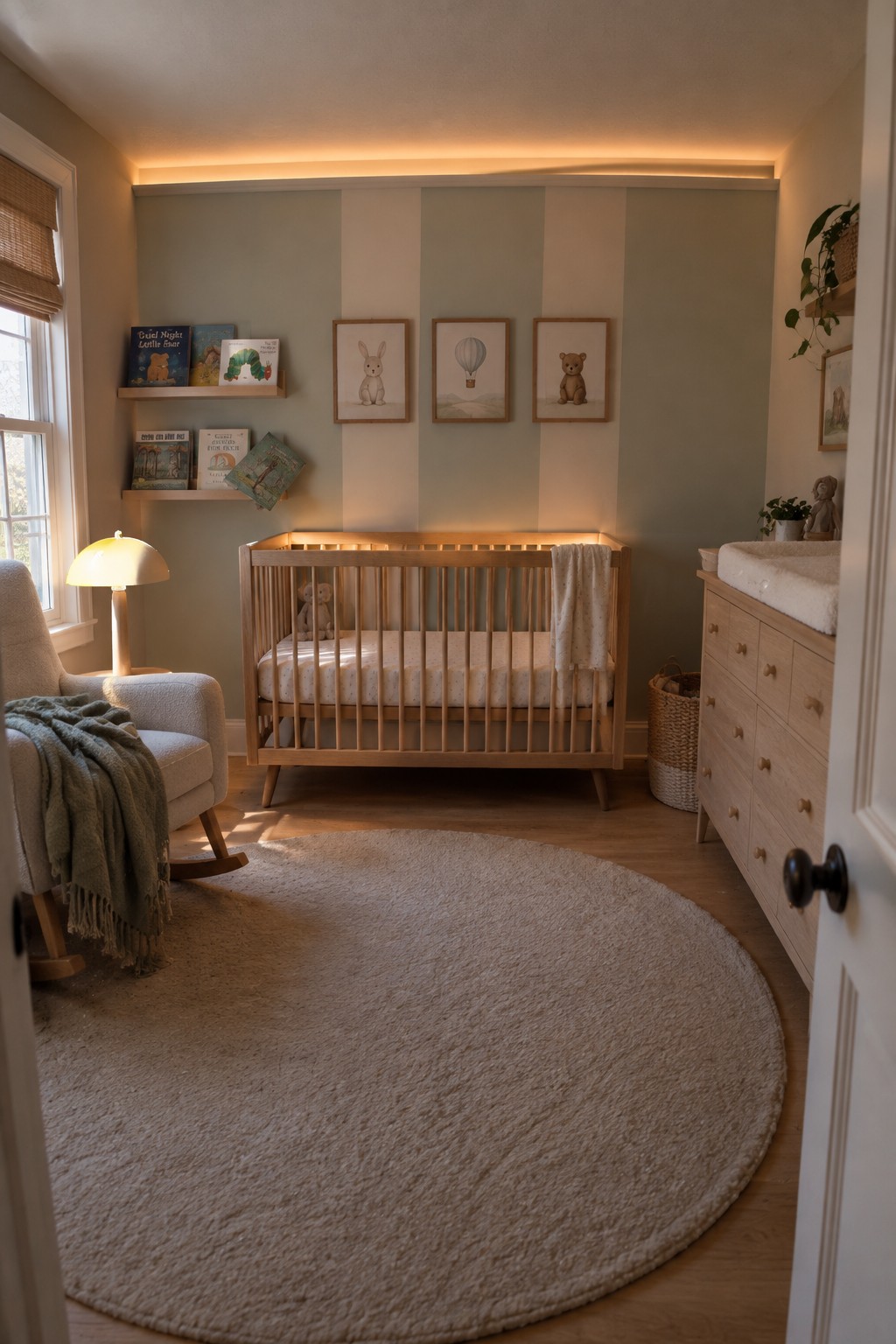
Hidden LED strips tucked into a shallow cove at the top of the wall create a soft, even glow that feels calm and steady. This approach keeps the light source out of sight while gently washing the wall below, which works well in rooms where you want low light without turning on a lamp.
It suits spaces like nurseries or bedrooms where you need something subtle for evening hours. Keep the LEDs on the warmer side and test the placement so the light hits the wall evenly rather than pooling in spots.
Under Cabinet Lighting In Laundry Rooms

Hidden LED strips tucked under cabinets and open shelves give laundry rooms a soft glow that makes the whole space feel more finished. The light washes over the counter without adding another fixture on the ceiling, which keeps things simple in a room that often gets overlooked.
This approach works best in utility spaces that already have upper storage, since the strips stay out of sight but still light the work surface and any open shelves. It suits smaller homes or apartments where the laundry area doubles as a catch-all spot and you want the room to feel calm rather than stark.
Backlighting Mirrors With Hidden LED Strips

Tucking LED strips behind a mirror frame gives the surface a clean glow that lights up the whole vanity area without any visible bulbs or fixtures. It keeps the look simple and works especially well when you want the room to feel brighter while still staying calm and uncluttered.
This approach suits small bathrooms or powder rooms where space is tight and you need light that does not take up extra room. Just hide the strips fully behind the frame and use ones made for damp areas so they hold up over time.
Hidden LED Strips Around The TV

One simple way to soften a television at night is to hide LED strips behind the edges of the wall unit so the light glows around the screen instead of shining from a visible source. The effect makes the media area feel more finished and gives the room a low, steady light that does not compete with the picture.
This approach works best in living rooms with a built-in console or recessed cabinet where you can run the strips along the top and sides. It suits spaces that already use warm wood tones and darker walls, and it keeps the focus on the screen rather than on extra lamps.
Hidden LED Strips Under the Bed

Running a strip of LEDs under the bed frame gives the room a quiet, steady light at night without needing another lamp on the nightstand. The glow stays low and hidden, so it does not compete with the main ceiling lights or the pendants above the bed. Many people like this because it makes the whole space feel warmer once the sun goes down.
This works best in bedrooms with light wood floors and simple furniture. Place the strip on the inside edge of the frame, facing the floor, and use a warm color temperature with a dimmer. It is a small change that keeps the room feeling calm and avoids extra clutter on surfaces.
Hidden LED Strips For Soft Accent Lighting

In small homes, hidden LED strips give you a quiet way to add depth without crowding the room with lamps. Tucking them under shelves and along the edges of a raised bed creates a steady low glow that keeps the space from feeling flat at night.
This works best in studios or compact apartments where every surface counts. Run the strips along the bottom of floating shelves and beneath a platform bed so the light stays indirect and the room still feels calm and usable.
Low LED Strips Along Hallway Walls

Placing hidden LED strips low on the wall gives hallways a steady, gentle line of light that runs the full length of the space. The effect feels calm and useful at night without adding any extra fixtures or clutter to the narrow passage. It works especially well when the walls are light and the floor is wood, since the glow reflects softly upward.
This setup suits homes where overhead lights feel too bright in tight corridors. Keep the strip tucked into a shallow channel or behind the base trim so nothing shows during the day. It is easy to add during a refresh and pairs with simple furniture like a console table without competing for attention.
Hidden LED Strips In Built-In Shelving

Many people add hidden LED strips along the front edge of built-in shelves to give storage areas a clean, even glow. The light stays tucked away but still makes everything on the shelves easy to find without needing extra lamps or overhead fixtures.
This works best in closets or home offices where you want the shelving to feel bright and organized at all times. Run the strips on a dimmer so you can adjust the brightness, and keep the color temperature warm enough that it does not feel cold when you step inside.
Hidden LED Strips In Built-In Shelving

One simple way to add accent lighting is to run LED strips under the front edge of open shelves and along the base of built-in seating. The light stays out of sight but still shows off what is stored there and gives the whole corner a warmer feel without extra lamps cluttering the space.
This works best in kitchens or dining areas that already have wood built-ins or alcoves. Use a slim channel to hide the strip completely, put it on a dimmer, and keep the color temperature warm so it blends with the wood tones rather than looking too stark.
Hidden LED Strips Under Built-In Shelves

Tucking LED strips under the upper cabinets in a storage area like this gives the whole space a quiet glow without any visible fixtures. The light highlights the pegboard and bench area while keeping the look clean and simple.
This works best in mudrooms or entryways where you need steady light for everyday use but do not want overhead lights on all the time. It suits homes with custom cabinetry and helps the storage feel more finished without adding clutter.
Hidden LED Strips In Wall Niches

Hidden LED strips work well in wall niches because they give a soft wash of light that makes whatever sits inside feel more intentional. The light stays tucked away so the focus stays on the objects rather than the fixture itself.
This approach suits hallways and transitional spaces where you want a quiet accent without adding lamps or sconces. Keep the strip recessed a few inches so the glow stays even and avoid using it in spots that get direct sunlight, since the effect shows up best in lower light.
Hidden LED Strips Beneath A Media Console

Tucking LED strips under a floating console gives the base of a wall a quiet lift without any visible hardware. The light spreads across the floor and lower wall, adding a gentle color wash that feels more built in than added on.
This works best in living rooms where the media area needs a little separation from the rest of the space. It suits homes that already mix wood tones with brick or plaster, and it keeps the evening lighting low and even rather than relying on one bright lamp in the corner.
Frequently Asked Questions
Q: Where do I hide the power supply so it stays out of sight? A: Tuck the driver into a nearby cabinet or behind a vent panel. Run the cord along the baseboard to reach an outlet without extra drilling.
Q: How do I keep the light from glaring straight into my eyes at night? A: Aim the strips upward behind crown molding or downward under a shelf lip. A simple diffuser strip softens the glow without changing the color.
Q: Can I run these around a doorway without the ends looking messy? A: Yes. Cut the strip at the marked lines and cap the open end with a small connector. The light stays continuous and the cut stays hidden behind the trim.
