


I have found that rooms often feel more finished when light comes from unexpected angles rather than just from overhead fixtures.
Wood slats with LEDs tucked behind them let the material itself become the source of interest once the sun sets.
In my own experience the grain and spacing matter a lot because they determine how shadows form across the surface.
Not every layout handles the glow the same way.
It helps to picture how these details might fit around existing built-ins or headboards before committing to a full wall.
Vertical Wood Slats With Concealed LED Strips

One simple way to add texture to a living room wall is to run vertical wood slats across it and hide LED strips behind the edges. The light glows between the slats instead of sitting on the surface, which keeps the look soft and avoids any harsh lines.
This approach works best on a main wall behind a TV or media console, especially in rooms that already lean toward natural materials and neutral tones. It gives the wall presence without needing extra decor, though it helps to keep the surrounding furniture simple so the light remains the main feature.
Wood Slat Walls With Concealed LED Strips

Vertical wood slats paired with hidden LED lighting give a bedroom wall real presence without looking busy. The light sits at the top edge and washes down the texture, so the wood feels deeper and the room stays calm at night.
This works best in spaces where you want a single strong focal point rather than multiple lamps. It suits mid-century or modern homes and looks cleanest when the slats run floor to ceiling and the LEDs stay fully tucked behind a small ledge.
Vertical Wood Slats With LED Lighting Behind Kitchen Gaps

Vertical wood slats can add texture to a plain wall without making the space feel busy. When you tuck LED strips into the gaps between the slats, the light creates clean vertical lines that emphasize the material and give the wall some depth. This works especially well behind a kitchen counter where you want interest but still need the surface to stay practical.
The look suits modern kitchens with flat cabinetry and darker finishes. It keeps the lighting hidden so nothing sticks out or collects dust. Just make sure the slats have enough spacing for the light to show through evenly, and test the brightness before you commit to the full wall.
Wood Slat Bathroom Walls With Concealed Mirror Lighting

Vertical wood slats on a bathroom wall give texture that feels calm rather than busy. When you run concealed LED strips behind the mirror and along the top edge, the light spreads evenly across the wood and creates a soft, steady glow that highlights the grain without any visible fixtures.
This setup works well in bathrooms where the vanity wall is the main focal point. It suits smaller spaces especially, since the warm light keeps the room from feeling flat while still leaving room for simple fixtures and neutral finishes.
Wood Slat Accent Walls With Concealed LED Strips

One simple way to add warmth to an entry or hallway is to cover one wall in horizontal wood slats and tuck LED strips behind the edges. The light washes across the texture without any bright spots or visible hardware, so the wall feels calm and finished even at night.
This approach works best in transitional spaces like stairs or mudrooms where you need a little glow but do not want extra lamps. It suits homes that already use wood tones and natural materials, and the main thing to plan for is making sure the strips sit deep enough that you only see the light, not the source.
Vertical Wood Slats With Hidden Lighting

One simple way to add warmth to a room is to cover part of a wall with vertical wood slats and run LED strips behind them. The light comes through the gaps and gives the surface a soft glow that changes slightly as the day fades.
This approach works best on a single accent wall in smaller rooms where you want a calm backdrop. It pairs well with light wood furniture and plain textiles, and it stays easy to clean since the strips stay out of sight.
Wood Slat Walls With Hidden Lighting

Vertical wood slats can bring real texture to a room when they are lit from behind. The light slips through the gaps and shows off the grain without needing any extra fixtures or clutter on the wall itself.
This works especially well in dining rooms or living spaces where you want a warm focal point at night. It suits homes that already lean modern or transitional, and it is easiest to plan during a renovation so the wiring stays hidden.
Vertical Wood Slats With Hidden LED Strips
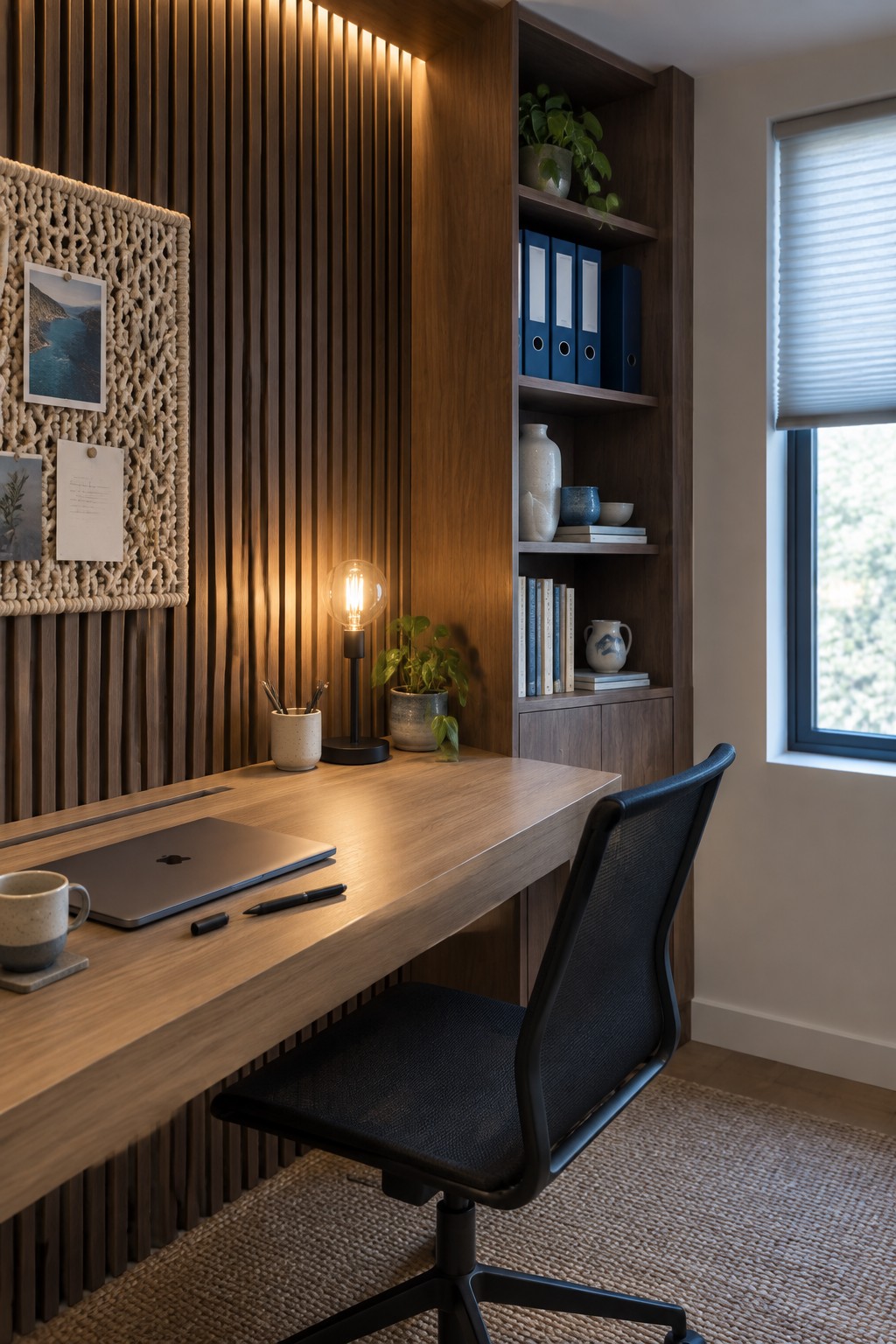
Vertical wood slats paired with concealed LED strips give a wall real texture while keeping the light source out of sight. The warm glow that filters through the gaps adds depth without cluttering the surface or relying on visible fixtures.
This approach works best in smaller rooms like a home office where you want soft ambient light behind a desk or along built-in storage. Keep the strips tucked along the top edge and choose a wood tone that matches nearby furniture so the effect feels intentional rather than added on.
Vertical Wood Slats With Concealed LED Lighting

Pairing vertical wood slats with hidden LED strips gives a wall quiet texture and a soft glow without any visible fixtures. The light sits behind a curved edge at the top and washes down the slats, making the grain stand out in a gentle way that feels calm rather than dramatic.
This approach works best in smaller seating spots or reading corners where you want background light that does not compete with a floor lamp. It suits neutral rooms and older homes that already have wood trim, since the slats add pattern without needing bold color or heavy furniture to anchor them.
Lighting Vertical Wood Slats With Concealed LEDs

One simple way to add warmth to a bathroom is to run a concealed LED strip behind a round mirror so the light washes across vertical wood slats. The glow brings out the grain and texture without any visible bulbs or bright spots on the wall.
This works well in smaller rooms where you want a soft layer of light that feels calm rather than stark. It suits homes that already lean modern or transitional, and the key is keeping the slats evenly spaced and the strip tucked just behind the mirror so the source stays hidden.
Concealed LED Strips In Wood Slat Built-Ins

Pairing a wood slat wall with hidden LED strips along the base of a built-in bench gives the space a quiet, steady glow. The light stays low and even, so it shows off the texture of the wood without adding any extra lamps or visible hardware.
This setup works best in entryways or mudrooms where people need a little help seeing the floor at night. It suits homes that already lean toward natural materials and simple storage, and it keeps the area from feeling too dark once the sun goes down.
Vertical Wood Slat Hallway Walls With Concealed LED Lighting

Vertical wood slats lit from behind can give a hallway a quiet sense of warmth without taking up any floor space. The light stays soft and even because it is tucked out of sight, and the texture of the wood becomes more noticeable as the glow moves across the surface.
This idea works best in narrow passages where you need something to break up long walls. It suits homes that already lean toward clean lines and simple materials, though it can also add a bit of depth in more traditional settings if the wood tone stays fairly neutral.
Bedroom Wood Slat Walls With Concealed Base Lighting

Many bedrooms feel too flat without some texture on the main wall. Running concealed LED strips along the base of vertical wood slats gives the surface a soft upward glow that adds depth without extra lamps or visible fixtures.
This approach works best in rooms where you want a calm evening light rather than bright overhead lighting. Keep the wood tone warm and the LED color temperature low so the effect stays gentle and the slats do not cast harsh shadows.
Concealed LED Strips Behind Wood Slat Walls

Vertical wood slats create a strong texture on their own, but the real value comes from hiding LED strips along the back edges of the shelves. The light then filters through the gaps and around the edges, giving the wall a soft glow without any visible fixtures or harsh spots.
This setup works best in a bar area or similar spot where you want the shelves to stand out at night while keeping the overall lighting low. It suits homes that already use wood tones elsewhere and need a simple way to add warmth without extra lamps cluttering the counter.
Wood Slat Walls With Concealed LED Lighting

Wood slat walls already add texture, but hiding LED strips behind them takes the look further. The light glows along the edges and makes the vertical lines stand out without any bright spots or visible hardware. It turns a simple material into something that feels more finished.
This approach works best in darker rooms like media spaces or living rooms where you want soft ambient light. Place the strips along the top and sides of the slat panel, and use a dimmer so the glow stays low during movies or evenings. It suits most homes with modern or neutral interiors.
Wood Slats With Concealed LEDs In Built-Ins

Vertical wood slats paired with hidden LED strips give storage walls a soft glow without any visible fixtures. The effect works because the light comes from within the grooves, highlighting the texture of the wood while keeping the overall look calm and even. It turns what could feel like a plain built-in into something that feels finished and considered.
This approach suits walk-in closets, home offices, or any room where you want storage to feel less heavy. Keep the LEDs on a dimmer so the light stays low and warm, and match the wood tone to your cabinetry so the slats read as part of the same system rather than an add-on. Avoid placing them in rooms that already have strong overhead lighting, since the point is the gentle accent rather than competition with brighter sources.
Concealed LED Strips Under a Kitchen Island

A lot of kitchens feel warmer when the island has some low light running along the bottom. The vertical wood slats catch that glow and show their texture without any bright bulbs in sight.
This works best in open layouts where the island sits between the work area and the dining space. Tuck the strip into the overhang so the light spreads softly across the floor and does not glare at eye level.
Hidden Lighting Along A Wood Slat Wall
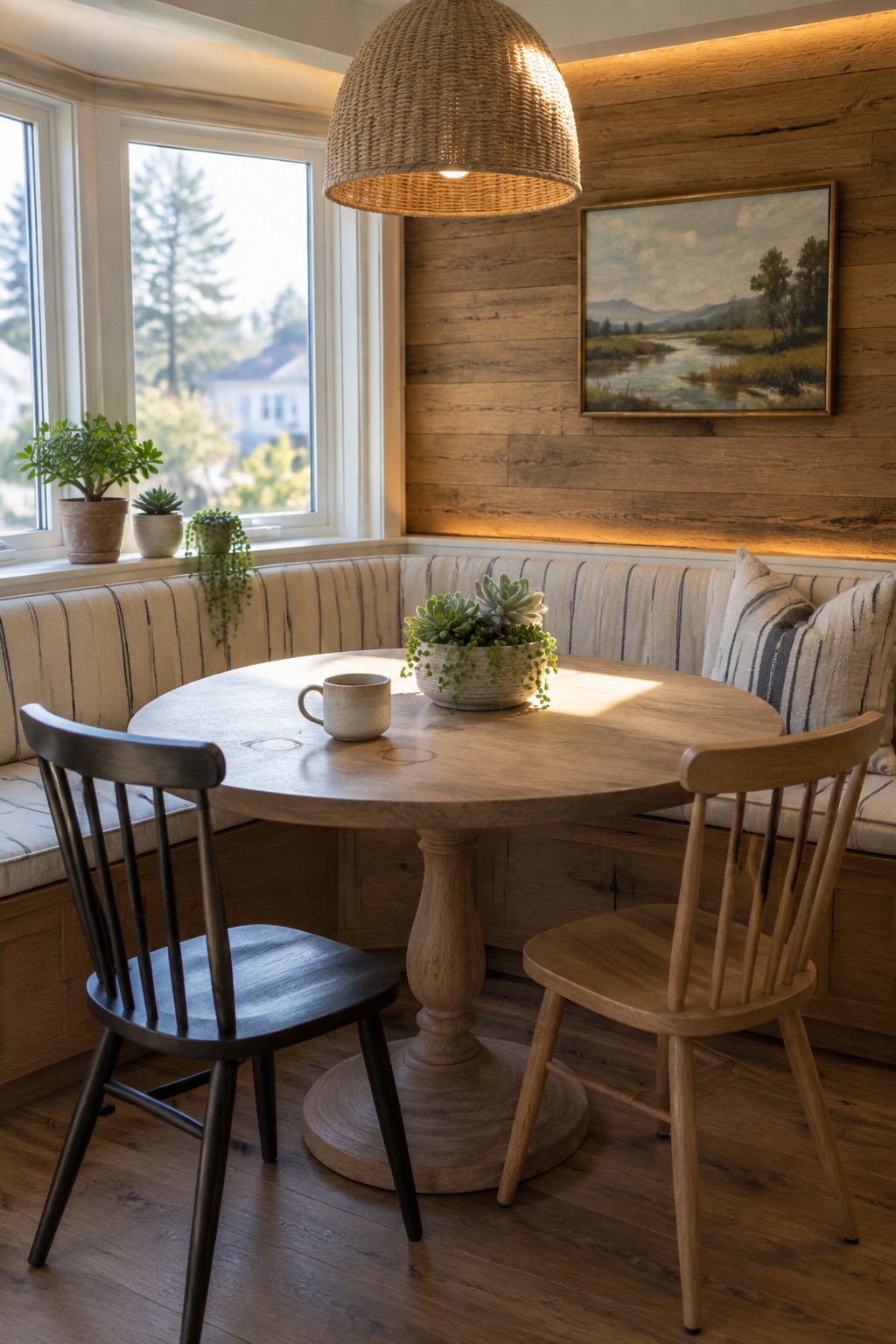
A wood accent wall with hidden LEDs running along the top edge gives a dining nook that soft, steady glow without any visible fixtures. The light washes down over the planks and makes the corner feel warmer and more finished, especially when the rest of the room stays simple.
This works best in smaller eating spots or breakfast corners where you want some depth on the wall but nothing fussy. Run the strip along a shallow ledge or the top trim, keep the wood tone natural, and pair it with built-in seating so the whole area feels pulled together without extra lamps.
Wood Slat Lighting In Laundry Rooms

Many homes treat laundry rooms as purely practical spaces, but a run of vertical wood slats with concealed LED strips adds a simple layer of warmth without taking up any floor space. The light glows softly from within the texture, which helps the room feel less stark while still keeping everything easy to clean.
This detail suits compact utility areas where you already have cabinetry or open shelving. Hide the LEDs along the top or back edge so the wood itself becomes the visible element, and stick to a narrow slat spacing if the room gets heavy daily use.
Vertical Wood Slats With Concealed LED Strips

Vertical wood slats can add real texture to a small sleeping space when you run concealed LED strips along the top edge. The light filters down between the boards and creates a soft glow without any visible fixtures or harsh spots. It turns a plain recessed wall into the main feature while keeping everything simple and warm.
This works especially well in built-in nooks or guest rooms where you want the bed to feel anchored without adding more furniture. Keep the slats narrow and evenly spaced, and use warm white LEDs so the effect stays cozy rather than bright. Just make sure the top channel is deep enough to hide the strip completely.
Vertical Wood Slats With Concealed LEDs For Sleeping Nooks

Placing a concealed LED strip along the floor line behind vertical wood slats gives the whole wall a soft lift without any visible fixtures. The light grazes the edges of the slats and creates a steady wash of warmth that makes the texture stand out even in low light. It works especially well when the wall curves, because the glow follows the shape instead of stopping at corners.
This approach suits quiet rooms where you want steady ambient light rather than bright overhead sources. Keep the strip narrow and tucked close to the wall so the source stays out of sight. It pairs best with medium to dark wood tones that absorb some of the light and keep the effect calm rather than stark.
Frequently Asked Questions
Q: How do I make sure the light doesn’t leak out the sides of the wood slats?
A: Build a simple frame behind the slats to block stray light. Position the LEDs in the center of each section. Test it at night before you finish the install.
Q: Can I run these lights on a dimmer switch?
A: Yes, grab a compatible dimmer made for LED strips. It lets you set the mood without rewiring anything. Start with the lowest setting to see how the texture looks.
Q: Do the slats need special wood treatment first?
A: Seal them with a clear matte finish to protect against dust. Skip the glossy stuff or the light will reflect oddly.
