

Ever found yourself stuck with a dead battery in your 2017 Jeep Grand Cherokee? What if you could tackle this common issue yourself without breaking a sweat? Picture this: you’re in your driveway, ready to take on the challenge of changing your Jeep’s battery.
In this article, you’ll uncover the step-by-step guide to changing the battery on your 2017 Jeep Grand Cherokee. No more waiting for roadside assistance or paying hefty mechanic fees. By the end of this read, you’ll be equipped with the knowledge and confidence to swap out that old battery with ease.
Gather the Necessary Tools
When changing the battery on your 2017 Jeep Grand Cherokee, having the right tools at hand is essential. Here’s what you’ll need:
- Socket wrench set: Ensure you have the appropriate sockets to fit the battery terminal bolts.
- New battery: Make sure it is the correct size and type recommended for your Jeep Grand Cherokee.
- Safety gloves and goggles: Protect your hands and eyes while working on the battery.
- Battery cleaning solution and a wire brush: Prepare the terminals for a secure connection.
- Battery terminal protection spray: Helps prevent corrosion and ensures longevity.
Remember, having these tools ready before you start will make the battery replacement process smoother and more efficient.
Recommended Products

VEHICLE FITMENT - Fits 2014-2016 Dodge Durango 3.6L or 5.7L; 2014-2016 Jeep Grand Cherokee 3.0L diesel, 3.6L, 5.7L, or 6.4L; and 2016-2017 Dodge Viper 8.4L. Verify the original part number before ordering

[Replace Part Number] For 56029713AA 56029713AB 56029713AC 56029713AD
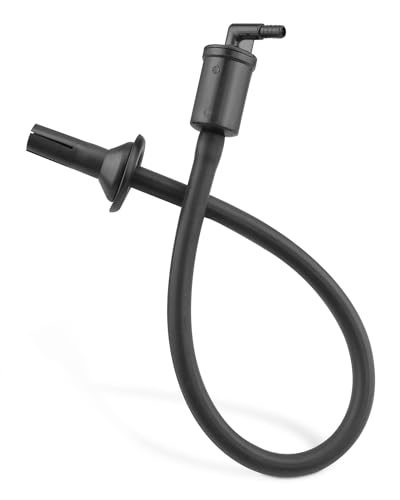
Adaptation: Fit for Jeep Grand Cherokee 2011 2012 2013 2014 2015 2016 2017 2018 2019 2020 2021 2022 2023 2024; Fit for Dodge Durango 2011 2012 2013 2014 2015 2016 2017 2018 2019 2020 2021 2022 2023 2024.
Locate the Battery in Your Jeep Grand Cherokee
Let’s find the battery in your Jeep Grand Cherokee. Here’s where to look:
- The battery is typically located under the hood of your vehicle.
- Look for a rectangular box with cables connected to it.
- It’s usually placed near the front of the engine compartment, on either the left or right side.
You might need to remove a cover or shield to access it, but don’t worry; it’s usually easily removable.
Disconnect the Old Battery
Now that you’ve located the battery in your 2017 Jeep Grand Cherokee, it’s time to disconnect the old one. Follow these steps to safely remove the old battery:
- Step 1: Put on your safety gloves and goggles.
- Step 2: Identify the positive(+) and negative(-) terminals of the battery.
- Step 3: Disconnect the negative terminal first by loosening the nut with a wrench.
- Step 4: Once the negative terminal is disconnected, proceed to disconnect the positive terminal.
- Step 5: Carefully lift the old battery out of the compartment.
- Step 6: Clean any corrosion around the terminals using a battery cleaning solution and a wire brush.
When removing the old battery, it’s crucial to handle it with care to avoid any spills or damage. By following these steps, you’ll be one step closer to successfully replacing the battery in your Jeep Grand Cherokee.
| Steps | Description |
|---|---|
| Step 1 | Put on safety gloves and goggles. |
| Step 2 | Identify the positive(+) and negative(-) terminals of the battery. |
| Step 3 | Disconnect the negative terminal first. |
| Step 4 | Proceed to disconnect the positive terminal. |
| Step 5 | Lift the old battery out of the compartment. |
| Step 6 | Clean any corrosion around the terminals. |
Install the New Battery
When installing the new battery in your 2017 Jeep Grand Cherokee, remember to wear safety gloves to protect your hands.
Follow these steps:
- Place the new battery into the battery tray in the correct orientation.
- Connect the positive terminal first and then the negative terminal.
- Tighten the terminal clamps securely to ensure a good connection.
- Apply battery terminal grease to prevent corrosion buildup in the future.
- Double-check all connections before closing the hood to complete the installation.
| Steps | Tips |
|---|---|
| Place the new battery | Ensure it fits snugly in the battery tray. |
| Connect the terminals | Positive first, then the negative terminal. |
| Tighten terminal clamps | Secure to prevent loose connections. |
| Apply terminal grease | Prevent corrosion for long-term performance. |
| Double-check connections | Ensure everything is properly connected. |
Recommended Products

TRUSTED AMERICAN QUALITY SINCE 1931 – MORE GREASE FOR LESS: AGS has been manufacturing professional-grade automotive chemicals right here in the USA for over 90 years. At 4oz per can, you get 2–4x more dielectric grease than competing products at the same price — premium protection that doesn't cut corners.

Anti Corrosion and Seal Out Moisture : BTAS electric grease protects terminals, wiring, and other electrical connectors from salt, dirt and corrosion

Stops Battery Corrosion - Stops corrosion for the life of your battery, making all surfaces impenetrable to corrosion-causing acid fumes.
Test the New Battery
Now that you have installed the new battery in your 2017 Jeep Grand Cherokee, it is crucial to test it to ensure everything is functioning correctly. This step helps avoid any unforeseen issues later on.
Here are some steps to test the new battery properly:
- Start your vehicle and let it run for a few minutes to allow the battery to charge.
- Turn on lights, radio, and air conditioning to put some load on the battery.
- Check if all electronic components are working as they should.
- Use a multimeter to measure the battery’s voltage. A fully charged battery should show around 12.6 to 12.8 volts.
- If the voltage is significantly lower, you may need to recharge the battery or have it tested at a professional service station.
Remember, a properly functioning battery is essential for your vehicle’s overall performance and longevity. By testing the new battery, you can ensure a smooth driving experience without any unexpected power issues.
Recommended Products

✅Batter dimensions: 13.9" L x 6.89" W x 7.48" H, Terminal: Tapered terminal (Left negative (-), Right positive (+)). ✅Please ensure to verify the dimensions and terminal position before making a purchase to guarantee compatibility with your vehicle to avoid any fitment issues.

New 160 Amp Alternator Compatible with: for Jeep Grand Cherokee 3.6L 2011-2017, for Dodge Durango 3.6L 2011-2017, for Dodge Charger 3.6L 2011-2017, for Dodge Challenger 3.6L 2011-2017, for Ram 1500 3.6L 2016-2017, for Chrysler 300 3.6L 2011-2017.

Versatility for Multiple Applications-ANENG SZ301 multimeter and BT172 battery tester are designed for a wide range of tasks, from measuring AC/DC voltage, current, and resistance to testing 12V batteries in vehicles like cars, motorcycles, trucks, and boats. These tools are ideal for engineers, electricians, hobbyists, and automotive professionals alike
Conclusion
That’s it! Ensuring your 2017 Jeep Grand Cherokee’s new battery is working correctly is vital for a hassle-free driving experience. Remember to test the battery post-installation to guarantee optimal performance. By following these steps, you’ll be able to maintain your vehicle’s reliability and avoid any unexpected power-related problems on the road. Drive safely!
Frequently Asked Questions
Why is it important to test the new battery in a 2017 Jeep Grand Cherokee after installation?
To ensure proper functionality and performance of the vehicle. Testing ensures the battery is holding a charge and providing sufficient power to electronic components.
How do you test the new battery after installation?
Start the vehicle to charge the battery, check electronic components like lights and radio, and use a multimeter to measure voltage. A fully charged battery should show around 12.6 to 12.8 volts.
What should I do if the voltage of the new battery is low after installation?
Consider recharging the battery, especially if it’s a new one. If the issue persists, seek professional testing to determine if the battery is faulty.
Why is a properly functioning battery crucial for a vehicle’s performance?
A good battery ensures a reliable power source for ignition and electronic systems. It contributes to a smooth driving experience without unexpected power failures.
