

Have you ever wondered how those charming solar lights brighten up your garden at night? They rely on a simple yet effective technology that combines solar energy with rechargeable batteries. Understanding how this system works can help you make the most of your outdoor lighting.
Imagine setting up your solar lights, only to find they don’t shine as brightly as you hoped. Knowing how rechargeable batteries function can help you troubleshoot common issues and extend the life of your lights. This article will guide you through the basics of solar lights and their batteries, so you can enjoy a well-lit space without the hassle.
Key Takeaways
- Solar Lights Components: Solar lights are composed of solar panels, rechargeable batteries, LED bulbs, and controllers, each playing a critical role in converting sunlight into illumination.
- Rechargeable Battery Types: Common batteries used in solar lights include Nickel-Metal Hydride (NiMH) and Lithium-Ion, both known for efficiency and longer operational life.
- Charging and Discharging Mechanism: Solar panels charge batteries during the day, which then power the LED bulbs at night; optimal performance relies on ensuring solar panels receive adequate sunlight and are free of debris.
- Maintenance Tips: Regularly clean solar panels, inspect batteries for wear and replace them every 1-3 years to maintain the performance and longevity of your solar lights.
- Environmental and Economic Benefits: Using rechargeable batteries reduces waste and is cost-effective, as they can be recharged multiple times, offering savings over disposable options.
- Performance Efficiency: Rechargeable batteries provide consistent power supply and quick charging, enabling solar lights to shine longer and brighter while supporting sustainability in outdoor lighting solutions.
Overview of Solar Lights
Solar lights harness the sun’s energy to provide outdoor illumination. These lights consist of several components, including solar panels, rechargeable batteries, LED bulbs, and controllers. Understanding how each component works helps ensure effective use and maintenance.
Components of Solar Lights
- Solar Panels: Solar panels absorb sunlight during the day. They convert solar energy into electrical energy. Locations with direct sunlight enhance efficiency.
- Rechargeable Batteries: Rechargeable batteries store the energy generated by the solar panels. Common battery types include nickel-cadmium (NiCd) and lithium-ion. Properly functioning batteries provide consistent lighting.
- LED Bulbs: LED bulbs consume less power than traditional bulbs. They offer bright light output while extending battery life.
- Controllers: Controllers manage the lighting system. They determine when to activate the lights, based on light levels. Most solar lights turn on automatically at dusk.
How Solar Lights Charge
Solar panels charge the batteries throughout the day. The charging process starts when sunlight hits the panels. The energy generated from sunlight converts to electricity, which flows to recharge the batteries. During cloudy weather, solar panels still capture some energy, though efficiency may decrease.
Operating Mechanism
At dusk, the controller activates the LED bulbs, drawing power from the charged batteries. This setup enables solar lights to function without external power sources. Energy-efficient designs help maximize battery usage, prolonging operation throughout the night.
- Regular Cleaning: Keep solar panels clean for optimal energy absorption. Dust or debris can hinder performance.
- Battery Inspection: Check batteries for signs of wear or corrosion. Replacing batteries every one to three years maintains reliability.
- Seasonal Adjustments: Position solar lights to receive maximum sunlight exposure during different seasons. Adjustments may enhance light output.
Understanding these components and maintenance tips helps you optimize the performance of solar lights in your garden.
Components of Solar Lights
Solar lights consist of several essential components that work together to harness solar energy and provide reliable illumination. Understanding these components helps you maintain and troubleshoot solar lights effectively.
Solar Panels
Solar panels capture sunlight and convert it into electrical energy. Typically made of silicon, these panels contain photovoltaic cells that generate direct current (DC) electricity when exposed to light. For optimal performance, position solar panels in direct sunlight during the day. Cleaning the panels regularly helps maximize their efficiency by removing dirt and debris that can block sunlight.
Rechargeable Batteries
Rechargeable batteries store the energy collected by solar panels for use during the night or cloudy days. Most solar lights use nickel-metal hydride (NiMH) or lithium-ion batteries due to their efficiency and longevity. Inspect batteries regularly for signs of wear, and replace them every 1-3 years, depending on the model. Charging occurs automatically during daylight hours, and it’s crucial to ensure that the solar panel receives adequate sunlight for effective battery recharging.
How Do Rechargeable Batteries Work in Solar Lights
Rechargeable batteries play a crucial role in the operation of solar lights. Understanding their function helps you maintain your solar lighting system effectively.
Recommended Products

Note: It’s rechargeable Ni-MH AA Battery, 1.2V battery, designed exclusively for use with 1.2V devices. For charging, please use the EBL AA NiMH charger. For safety during transportation, the batteries are not fully charged, pls kindy charge it before first use. 【Perfect Solar Batteries】 Exact size AA batteries designed for solar lights, outdoor garden lights, mouse, keyboards, TV remotes, toys, game controllers, digital camera, will fit all your device perfectly in daily life usage, high quality AA rechargeable batteries supply long lasting power, great convenience and good performance.

【Included products】4*AA 600mAh 1.2v Ni-MH rechargeable batteries, AA 600mAh battery is 1.97 inches long and 0.55 inches wide. (Batteries only)

【High Capacity&Long Lasting】:1600mah high capacity AA rechargeable battery will lasting much longer time to ensure your outdoor lights always has enough power to light all night. Also can replace 600mAh, 800mAh, 1100mah, etc NiCd or Ni-MH AA cells AA battery. They won't lose the maximum capacity.
Charging Process
The charging process begins when solar panels convert sunlight into electricity. This electricity charges the rechargeable batteries during daylight hours. Specifically, most solar lights use nickel-metal hydride (NiMH) or lithium-ion batteries. These batteries have high energy density and can store the generated electricity efficiently.
To maximize charging efficiency, position the solar panels in direct sunlight. Ensure the panels remain clean and debris-free. Regularly check for any obstructions blocking sunlight. Successful charging typically occurs over a period of 6-8 hours of adequate sunlight, allowing the batteries to be fully charged by dusk.
Discharging Process
The discharging process takes place after the sun sets. The rechargeable batteries release stored electricity to power the LED bulbs. This process ensures your garden remains illuminated throughout the night.
The duration of light depends on battery capacity and charge level. Fully charged batteries can provide light for 8-12 hours. However, you may notice shorter illumination times as the batteries age. Regular inspection and timely replacement every 1-3 years help maintain optimal performance. By understanding these processes, you can troubleshoot issues and extend the lifespan of your solar lights.
Advantages of Using Rechargeable Batteries
Using rechargeable batteries in solar lights offers multiple benefits that enhance both functionality and sustainability.
- Cost-Effectiveness
Rechargeable batteries provide significant savings compared to disposable batteries. You can recharge them hundreds of times, reducing the need for frequent replacements. - Environmental Impact
By using rechargeable batteries, you contribute to less waste in landfills. Fewer disposable batteries mean a lower environmental footprint. - Performance Efficiency
Rechargeable batteries, such as NiMH and lithium-ion, typically offer higher energy density. This feature allows for longer operational times, meaning your solar lights can shine brighter and longer at night. - Consistent Power Supply
These batteries can maintain a stable discharge voltage. This quality ensures your solar lights operate at optimal brightness throughout the night, providing reliable illumination for outdoor spaces. - Fast Charging
Many rechargeable batteries charge quickly during sunlight hours. Depending on sunlight availability, you can expect full charges in 6-8 hours, making them ready for nighttime use. - Low Self-Discharge Rate
Rechargeable batteries generally exhibit a low self-discharge rate, which allows them to hold charge longer when not in use. This factor benefits seasonal or occasional use of solar lights. - Versatility
Rechargeable batteries can be used in various solar lighting applications, from garden lights to pathway lighting. Their adaptability makes them suitable for different environments and needs. - Enhanced Lifespan
With proper care, rechargeable batteries often last longer than disposable options. Regular inspection and replacement every 1-3 years help maintain optimal performance.
These advantages make rechargeable batteries a smart choice for powering solar lights, enhancing convenience and eco-friendliness in your outdoor lighting solutions.
Recommended Products

Solar PRO technology – Tenergy engineered solar AA batteries with technology addressing common solar light battery performance problems: leaking due to over-charging from long sunny summer days, dead batteries due to over-discharging from extended rainy or cloudy days. Tenergy is a Silicon Valley based company with over 15 years of experience in batteries.

1.Attention: 2/3AAA 600mAh Rechargeable Battery,2/3AAA Battery size is 0.39 x 1.18 inch (10 x 30mm), Not Standard aaa size batteries, Please Check Your Solar Lights First

【Reliable Performance】12 X Ni-MH AA 600mAh 1.2v Rechargeable Battery,Ideal for garden solar lights. (This product does not include a charger)
Common Types of Rechargeable Batteries Used
Rechargeable batteries play a crucial role in solar lights, providing energy storage for consistent performance. The most common types include:
Recommended Products

【Attention】This is a 2/3 AAA battery and not a AAA battery, the only difference between them is the height, same diameter but 2/3 height of AAA battery,2/3AAA Battery size is 0.39 x 1.18 inch (10 x 30mm)(Please look carefully before buying)

【 30% Precharged for Ready Use 】 For transportation safety purposes, these batteries are only precharged with 30% power, so charge them before use for longer working. In addition, recharging the battery every 3 months can make its lifespan longer
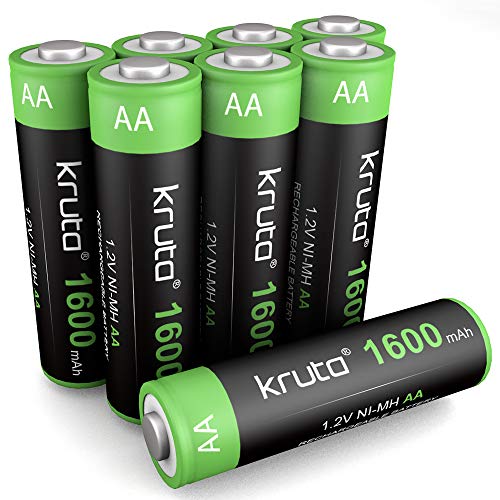
【High Capacity&Long Lasting】:1600mah high capacity AA rechargeable battery will lasting much longer time to ensure your outdoor lights always has enough power to light all night. Also can replace 600mAh, 800mAh, 1100mah, etc NiCd or Ni-MH AA cells AA battery.
Nickel-Metal Hydride (NiMH) Batteries
- NiMH batteries are widely used in solar lights due to their energy density. They store more energy than traditional batteries, providing longer illumination.
- These batteries are durable and can withstand multiple charge cycles, typically lasting 2-5 years with proper care.
- NiMH batteries perform well in various temperatures, extending their usability in different climates.
Lithium-Ion Batteries
- Lithium-ion batteries offer superior energy efficiency and a longer lifespan than NiMH. They are often lighter, making them ideal for portable applications.
- These batteries charge quickly, usually within 4-6 hours of sunlight, providing immediate power availability at night.
- Lithium-ion batteries maintain performance in low temperatures better than NiMH, making them suitable for colder regions.
Lead-Acid Batteries
- Lead-acid batteries are less common in solar lights but still used in larger installations. They provide a reliable power source for extensive lighting.
- These batteries are cost-effective, although they are bulkier and heavier compared to other types.
- Lead-acid batteries have a shorter lifespan, typically lasting 1-3 years, which requires more frequent replacement.
- Choose NiMH for general garden lights due to their durability and energy density.
- Opt for lithium-ion for applications requiring lightweight options and fast charging.
- Consider lead-acid for larger setups that need higher power capacity but be aware of the maintenance requirements.
Understanding these battery types helps you select the right one for your solar lighting needs, ensuring efficiency and longevity in performance.
Conclusion
Understanding how rechargeable batteries work in solar lights is key to getting the most out of your outdoor lighting. By knowing the charging process and the types of batteries available you can make informed decisions that enhance performance and longevity.
Regular maintenance and proper positioning of solar panels not only boost efficiency but also ensure your lights shine bright all night. With the right care your solar lights can provide reliable illumination while being eco-friendly and cost-effective. So take some time to explore your options and enjoy the benefits of beautifully lit outdoor spaces.
Frequently Asked Questions
What are solar lights and how do they work?
Solar lights are outdoor lighting solutions that use solar energy to operate. They consist of solar panels that collect sunlight and convert it into electricity, rechargeable batteries that store this energy, and LED bulbs that emit light when it gets dark. The system operates automatically, turning on at dusk and providing illumination for several hours.
What components make up solar lights?
Solar lights typically consist of four key components: solar panels, rechargeable batteries, LED bulbs, and controllers. Solar panels gather sunlight; rechargeable batteries store the energy; LED bulbs illuminate the area; and controllers manage when the lights turn on and off.
How do I maintain solar panels for better efficiency?
To maintain solar panels, position them in direct sunlight and clean them regularly to remove dirt and debris. Keeping the panels clear enhances their ability to collect sunlight and convert it into energy, leading to better performance of solar lights.
How often should I replace rechargeable batteries in solar lights?
Rechargeable batteries should typically be inspected and replaced every 1-3 years to ensure optimal performance. Regular checks can help identify any issues early and prolong the lifespan of your solar lights.
What types of rechargeable batteries are used in solar lights?
Common types of rechargeable batteries used in solar lights include Nickel-Metal Hydride (NiMH), Lithium-Ion, and Lead-Acid batteries. NiMH batteries are durable, Lithium-Ion batteries are energy-efficient, and Lead-Acid batteries are cost-effective for larger setups but have shorter lifespans.
How long do solar lights operate on a full charge?
After being fully charged, solar lights can typically provide illumination for 8-12 hours, depending on the battery capacity and the amount of sunlight received. Proper battery maintenance can enhance this runtime.
Why are rechargeable batteries preferred in solar lights?
Rechargeable batteries are preferred in solar lights because they are cost-effective, environmentally friendly, and efficient. They can be recharged multiple times, reducing waste and providing a consistent power supply for reliable lighting performance.
