

Ever found yourself in a situation where your phone’s battery is dead, and there’s no outlet in sight? It’s frustrating, right? With the growing demand for sustainable energy, creating your own solar battery charger could be the perfect solution. Not only will you keep your devices powered up, but you’ll also contribute to a greener planet.
In this article, you’ll learn how to build a simple solar battery charger that’s both effective and cost-efficient. Whether you’re an experienced DIY enthusiast or just starting out, you’ll find easy steps and helpful tips to guide you. By the end, you’ll be ready to harness the sun’s energy and stay connected wherever you go.
Key Takeaways
- Understanding Solar Battery Chargers: Solar battery chargers convert sunlight into electricity, providing a sustainable power source for devices, especially in outdoor settings.
- Types of Solar Chargers: Familiarize yourself with various types, including portable solar chargers, battery banks, and integrated solar chargers, to select the best fit for your needs.
- Materials Required: Essential components for building a solar battery charger include solar panels, batteries, a charge controller, and wiring, each with specific considerations for efficiency and cost.
- Step-by-Step Construction: Follow a clear process to design the circuit, connect components, and test the charger to ensure it functions correctly and safely.
- Maintenance Practices: Regular inspections and cleaning of solar panels are crucial for maintaining efficiency and extending the lifespan of your solar battery charger.
Understanding Solar Battery Chargers
Solar battery chargers provide a convenient way to harness renewable energy for charging devices. They capture sunlight and convert it into electricity, enabling you to power your gadgets anywhere, especially in outdoor settings.
Recommended Products

Ultra-Lightweight: At only 7.5 lbs, the Explorer 300 delivers a robust 292Wh capacity while remaining 17% lighter than the industry average. The sleek, integrated handle makes it effortless to carry on long hikes or pack with your camping gear, providing reliable off-grid power without adding bulk to your load.
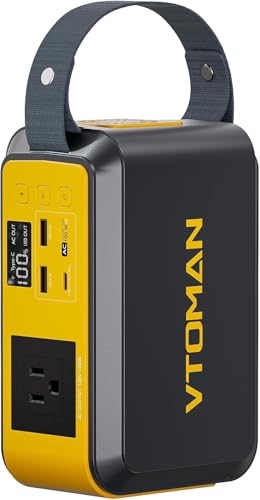
65W CHARGECORE FAST RECHARGING – Powered by VTOMAN CHARGECORE Technology, the Jump 100 supports up to 65W USB-C PD input and recharges from 0–100% in about 1.4 hours. Spend less time waiting and more time on the go, whether you need a fast-charging portable power station for camping trips, remote work or unexpected home emergencies
What is a Solar Battery Charger?
A solar battery charger uses solar panels to convert sunlight into electrical energy. This energy charges a battery, which can then power electronic devices like phones, tablets, and more. It typically consists of solar panels, a charge controller, and a battery. The panels collect sunlight, while the controller regulates the energy flow to ensure safe and efficient charging.
- Portable Solar Chargers
Portable solar chargers are compact and designed for mobility. You can easily carry them during outdoor activities. They usually have USB ports for charging smaller devices. - Solar Battery Banks
Solar battery banks store solar energy for later use. They often come with larger solar panels and can charge multiple devices simultaneously. These are great for camping trips or emergencies. - Solar-Powered Power Stations
Solar-powered power stations are more extensive units that integrate solar panels with a built-in battery system. They can power larger electronics such as laptops or coolers, making them ideal for extended off-grid stays. - Integrated Solar Chargers
Integrated solar chargers combine solar panels with the device itself, like solar backpacks. These chargers allow you to recharge your device while on the go, making them perfect for travel.
By understanding these types, you can select the right solar battery charger for your needs. Each type offers unique features tailored to various situations, ensuring you stay powered up while enjoying the outdoors or during emergencies.
Materials Needed
Creating a solar battery charger requires specific materials. You’ll need to gather these items to build an efficient and functional charger.
Recommended Products

12V Universal Solar Charge Controller- Renogy Solar controller optimizes charging for 𝐋𝐢𝐭𝐡𝐢𝐮𝐦, 𝐀𝐆𝐌, 𝐆𝐞𝐥, & 𝐅𝐥𝐨𝐨𝐝𝐞𝐝 𝐛𝐚𝐭𝐭𝐞𝐫𝐢𝐞𝐬. Smart PWM solar panel controller technology auto-selects the perfect charging curve (𝐁𝐮𝐥𝐤/𝐁𝐨𝐨𝐬𝐭/ 𝐅𝐥𝐨𝐚𝐭/ 𝐄𝐪𝐮𝐚𝐥𝐢𝐳𝐚𝐭𝐢𝐨𝐧) for your RV, boat, or off-grid setup. Renewable energy controllers easily switch battery types and monitor real-time charging stages via intuitive LEDs, mmaximizing battery lifespan.
![[Upgraded] 30A PWM Solar Charge Controller with Auto Parameter LCD Display](https://m.media-amazon.com/images/I/41opvkWthjL._SL500_.jpg)
【UPGRADED SOLAR CONTROLLER】This solar charge controller helps you manage the working of solar panels and batteries in solar systems automatically with the build-in industrial microcontroller. You don't need to reset it when the battery runs out cause it will memorize various parameters set by the user
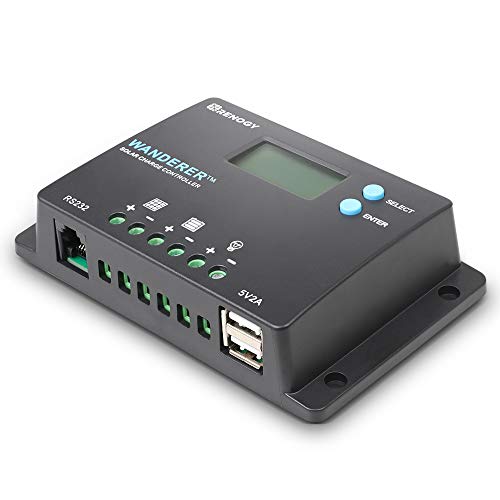
𝐒𝐦𝐚𝐫𝐭 𝟒-𝐒𝐭𝐚𝐠𝐞 12V/24V Solar Charge Controller: Renogy charge controller 𝐦𝐚𝐱𝐢𝐦𝐢𝐳𝐞𝐬 𝐁𝐚𝐭𝐭𝐞𝐫𝐲 𝐋𝐢𝐟𝐞 & 𝐒𝐨𝐥𝐚𝐫 𝐄𝐟𝐟𝐢𝐜𝐢𝐞𝐧𝐜𝐲, this advanced pwm solar charge controller utilizes intelligent 4-stage charging (Bulk/Boost/ Float/Equalization) to optimize power delivery for AGM, Gel, Flooded and Lithium batteries. RV solar charge controller prevents overcharging and gas buildup while 𝐚𝐜𝐡𝐢𝐞𝐯𝐢𝐧𝐠 𝟑𝟎% 𝐥𝐨𝐧𝐠𝐞𝐫 𝐛𝐚𝐭𝐭𝐞𝐫𝐲 𝐥𝐢𝐟𝐞𝐬𝐩𝐚𝐧 compared to basic charge controllers.
Solar Panels
- Solar Panel Type: Choose monocrystalline or polycrystalline solar panels. Monocrystalline panels are more efficient and occupy less space, while polycrystalline panels are more affordable.
- Power Rating: Look for solar panels rated between 10W to 100W. Higher wattage captures more sunlight and charges batteries faster.
- Wiring: Use high-quality, weather-resistant wiring to connect the solar panels.
Battery Type
- Battery Chemistry: Lithium-ion batteries offer high efficiency and longevity. Lead-acid batteries are more cost-effective but have a shorter lifespan.
- Capacity: For small devices, a battery with at least 5Ah capacity works well. Larger devices may require batteries ranging from 20Ah to 100Ah.
- Voltage: Match the battery voltage with your solar panels. Most common voltages are 12V for smaller setups.
- Charge Controller: A charge controller regulates the voltage and current flowing from the solar panels to the battery, preventing overcharging.
- Inverter: An inverter converts DC power from the battery to AC power for most electronic devices.
- Mounting Equipment: Use brackets or frames to securely mount the solar panels, ensuring they receive maximum sunlight exposure.
- Fuses and Connectors: Install appropriate fuses to protect the system from overcurrent. Use weatherproof connectors for durability.
Gathering these materials sets the foundation for building your solar battery charger effectively.
Step-by-Step Guide
Follow these steps to create your solar battery charger successfully. Each phase focuses on clarity and efficiency.
Recommended Products
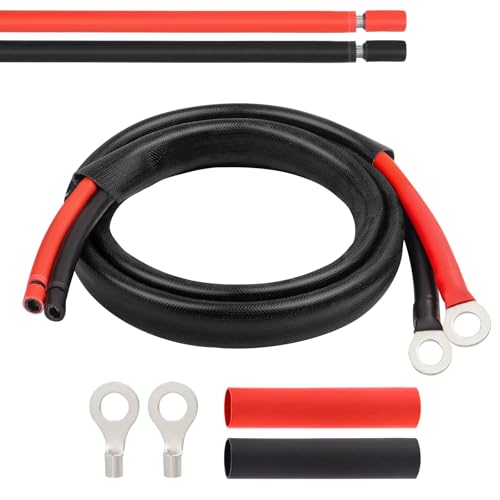
10AWG Tinned Copper Wire -- MOOKEERF solar battery cable is made of larger diameter 10AWG tinned copper wire which is minimize power loss in solar panel systems, the inner conductor consists of 84 tin-plated copper, well constructed and good conductive.

Longer Branch Cable Design: BougeRV solar panel parallel connectors make setup a breeze. With 30cm branch lengths compared to the market standard of 20cm, our cables have been thoroughly tested for parallel solar panel connections. In most cases, no extension cables are needed, simplifying your installation
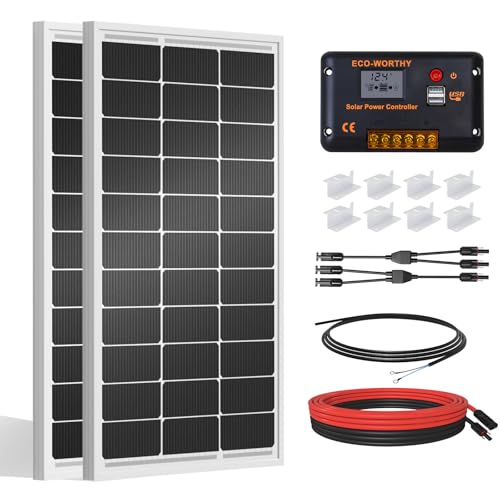
[Wide Application]: Daily Output 800wh/day under 4 hours full sunshine condition. Perfect for RV, Caravan, Marine, Camper, Electric scooter, Golf Carts, Power wheels, Trolling motor, Tool trailer, Backup power supply for cabin shed home etc.
Designing the Circuit
Designing the circuit involves connecting your solar panel, battery, and charge controller.
- Select a Diagram: Use a wiring diagram for reference. This visual guide simplifies connections.
- Plan Connections: Connect the positive terminal of the solar panel to the positive terminal of the charge controller. Link the negative terminals in the same way.
- Include Fuses: Insert fuses along the positive wires to protect your circuit from overloads. Choose fuses rated appropriately for your components.
- Incorporate the Battery: Connect the charge controller’s output to your battery terminals. Ensure proper polarity to avoid damage.
Connecting the Components
Connecting your components requires precision. Follow these steps carefully.
- Mount the Solar Panel: Secure the solar panel on a stable surface facing direct sunlight. Use appropriate mounting equipment to ensure stability.
- Wire Everything Together: Utilize quality connectors for reliable links. Confirm connections are tight to prevent power loss.
- Add an Inverter: If you plan to power devices requiring AC, connect an inverter. This allows you to convert DC stored in the battery to AC power.
- Organize Wiring: Keep wires tidied to avoid tangling or damage. Use zip ties or clips for neat arrangement.
Testing the Charger
Testing the charger ensures everything works as intended.
- Check Connections: Double-check all connections for correctness and security before proceeding.
- Measure Voltage: Use a multimeter to measure the voltage at the output of the solar panel and the battery. Confirm voltage levels match specifications.
- Simulate Use: Connect a test device, like a phone or flashlight, to the charger. Verify it powers on and charges properly.
- Monitor Performance: Observe the charger during sunlight exposure. Ensure the battery charges steadily and without overheating.
Following these steps helps ensure a functioning solar battery charger that’s reliable and ready for use.
Maintenance Tips
Maintaining your solar battery charger ensures it operates efficiently and prolongs its lifespan. Following these tips keeps your setup in top condition and ready for use.
Regular Checks
Perform regular assessments of your solar charger components. Inspect solar panels for cracks or damage. Monitor battery voltage to ensure proper charging levels. Check connections and wiring for corrosion or deterioration. Schedule these checks every few months to catch any issues early.
Cleaning the Solar Panels
Clean your solar panels regularly to maximize efficiency. Use a soft cloth or sponge with mild soap and water to remove dirt and debris. Avoid abrasive materials that could scratch the surface. Clean the panels at least twice a year or more often in dusty environments. This simple task can significantly improve energy absorption and performance.
Conclusion
Building your own solar battery charger is not just a fun project but also a fantastic way to stay powered up while being eco-friendly. You’ve got the tools and knowledge to harness solar energy for your devices. Whether you’re off camping or just want to be prepared for emergencies this charger will keep you connected.
Remember to choose the right components and follow the steps carefully to ensure everything works smoothly. With a little maintenance your solar charger will serve you well for years to come. So go ahead and enjoy the freedom of renewable energy while keeping your devices charged and ready for action. Happy building!
Frequently Asked Questions
What is a solar battery charger?
A solar battery charger harnesses sunlight to charge batteries, allowing you to power devices without relying on traditional electrical outlets.
How do I build a solar battery charger?
To create a solar battery charger, gather necessary materials like solar panels, batteries, a charge controller, and other components. Then, follow a detailed step-by-step guide to assemble and connect everything correctly.
What types of solar battery chargers are there?
There are several types of solar battery chargers, including portable solar chargers for travel, solar battery banks for home use, solar-powered power stations for larger devices, and integrated chargers designed for specific applications.
What materials do I need for a solar battery charger?
You will need solar panels (monocrystalline or polycrystalline), batteries (lithium-ion or lead-acid), a charge controller, an inverter, mounting equipment, and various connectors and fuses.
How do I maintain my solar battery charger?
Regular maintenance includes checking and cleaning solar panels, monitoring battery voltage, inspecting connections for corrosion, and ensuring all components are in good condition to maximize efficiency.
Can I use a solar battery charger in all weather?
While solar battery chargers work best in sunny conditions, they can still generate some power in cloudy weather. However, extreme weather conditions may affect their performance.
How long does it take to charge a device using a solar charger?
Charging times vary based on sunlight availability, battery capacity, and the device’s power needs. Typically, it may take a few hours to a full day for a solar charger to fully charge a device.
Is building a solar battery charger expensive?
The cost to build a solar battery charger depends on the materials chosen. Though initial costs can vary, building it yourself can be more affordable than purchasing a pre-made unit.
