

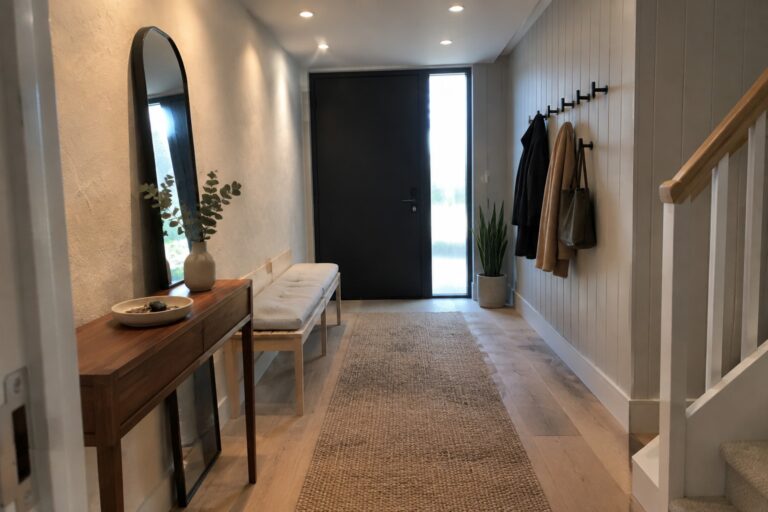
I notice the entryway lighting first thing when I come home after dark because it affects how easily I can find what I need and settle in.
Recessed fixtures work well in these spots since they avoid taking up any visual space while still allowing different brightness levels for morning routines versus evening arrivals.
Some setups I have seen in other homes only look balanced once you add a second layer like wall washers or a small accent piece.
Small details shift the whole feel.
I would start by trying one of the simpler recessed patterns in my own entry to check if it improves the flow without any major changes.
Recessed Lights in a Narrow Entry Hall
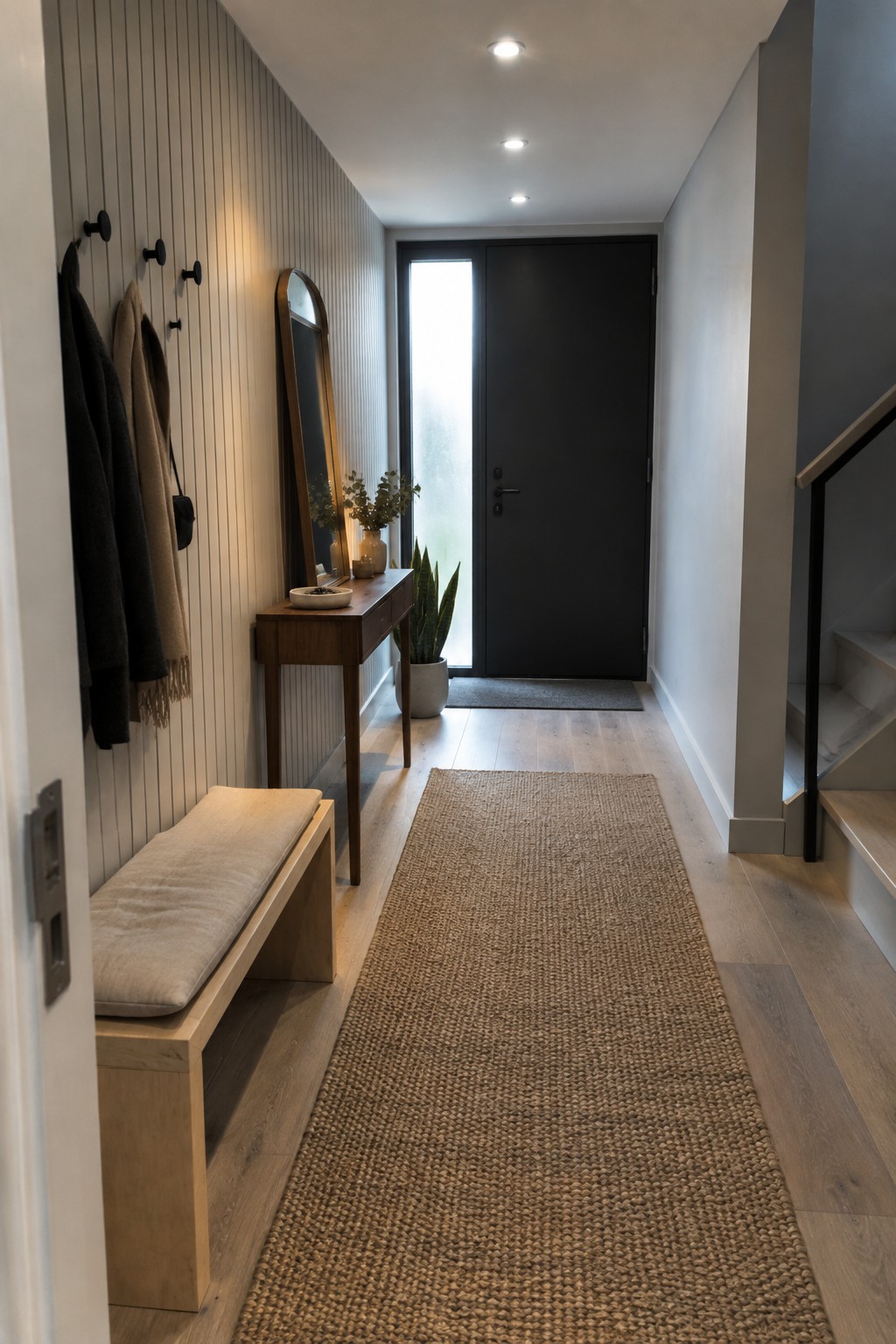
Recessed lighting helps a long entry hallway feel brighter and more open without adding fixtures that take up space. The lights run straight down the center of the ceiling and give even coverage from the front door all the way back, which keeps the narrow corridor from feeling dim or cramped during the day.
This setup works best in homes with tight or linear entry areas where you still need good visibility for coats, shoes, and daily traffic. It leaves room for simple additions like a bench or console table, and you can layer in a small lamp later if you want softer light in the evening.
Recessed Lights In Narrow Entryways
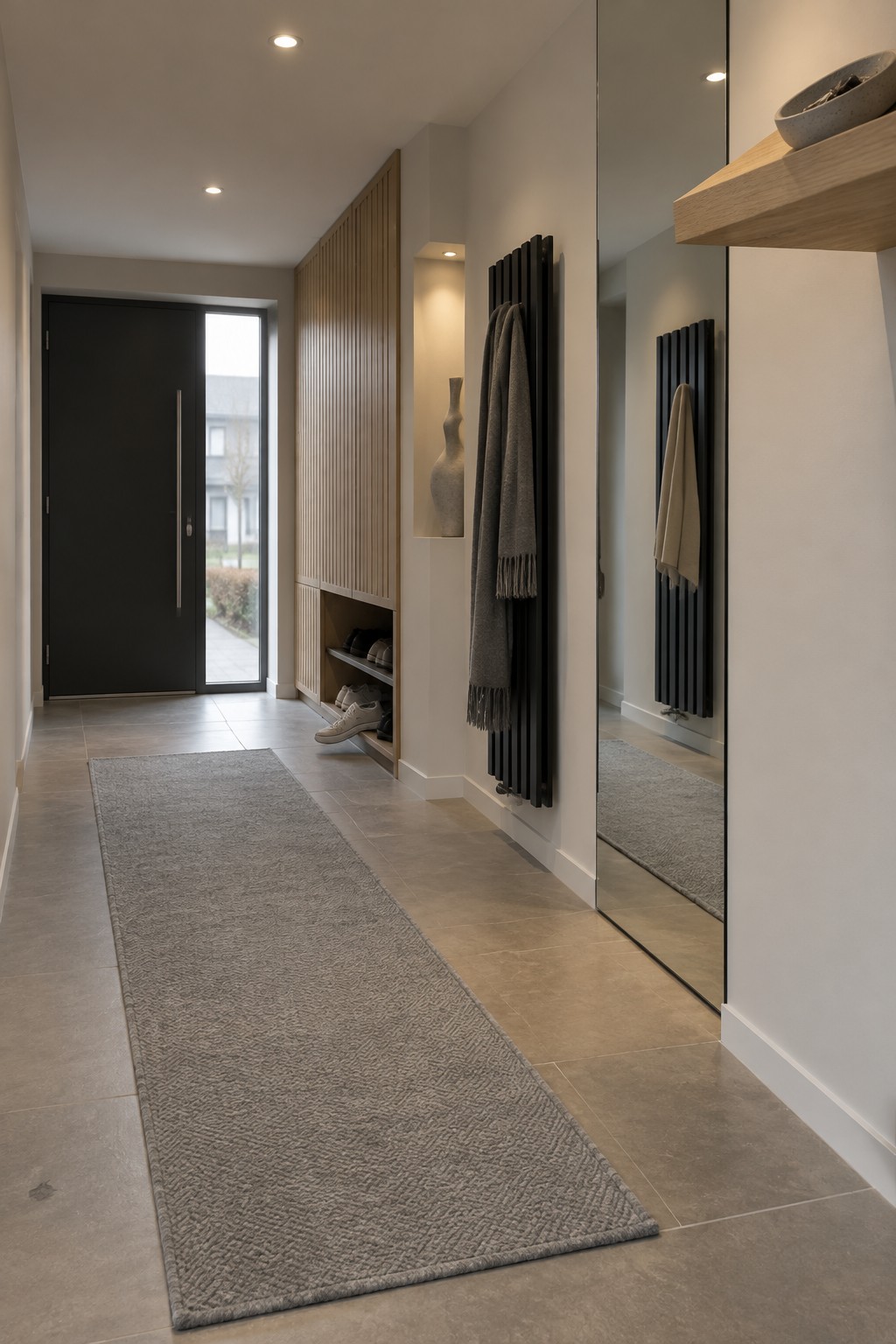
Recessed ceiling lights work well in entry hallways because they deliver steady light without adding bulk or breaking up the walls. In a long narrow space, this keeps the path clear and the whole area feeling open from the front door inward.
They suit homes that already have built-in storage or simple wall finishes, since the fixtures stay out of the way. Space them evenly along the ceiling run and pair them with one warmer source nearby if you want the light to feel softer in the evening.
Recessed Step Lights In Entryways
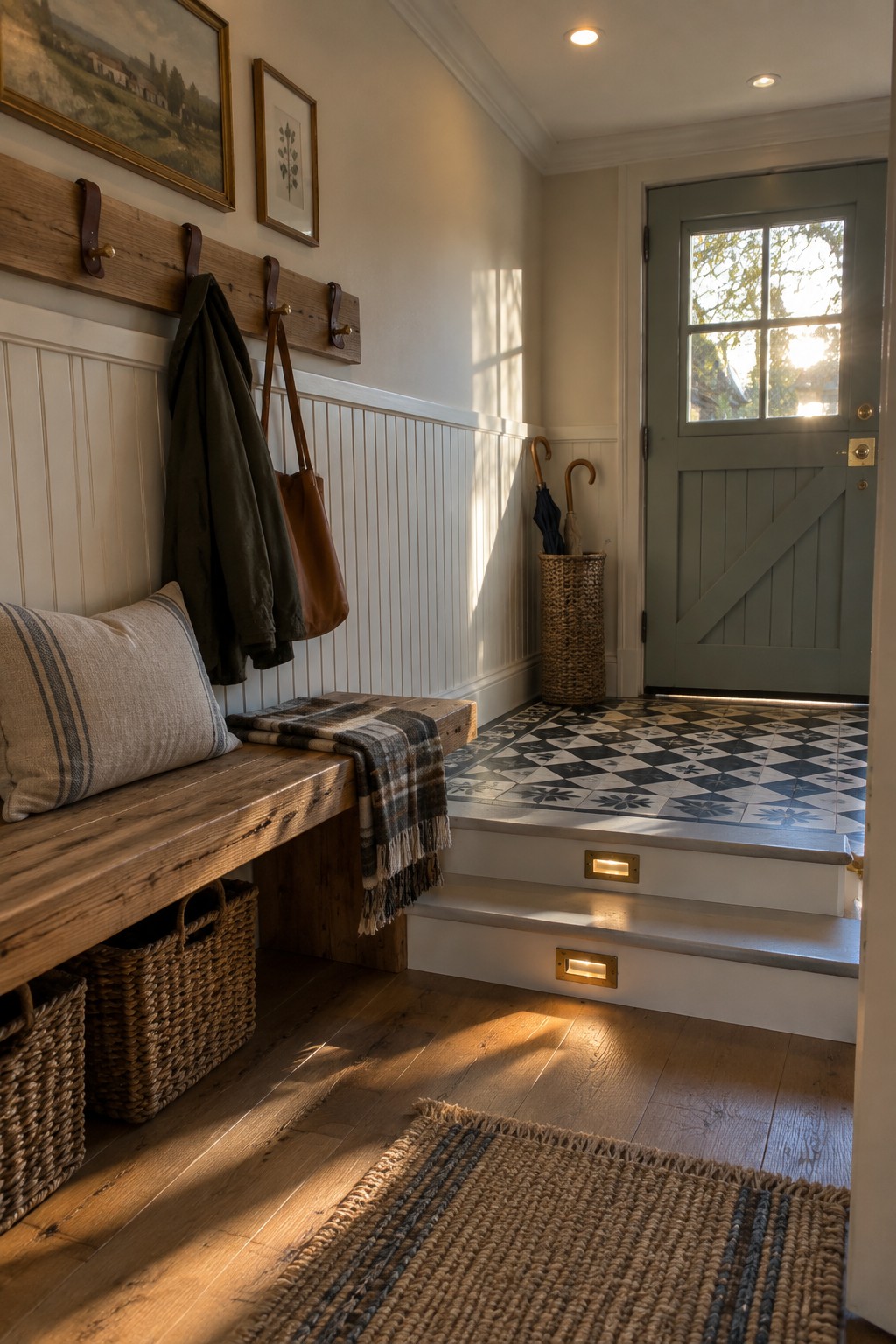
Recessed lights built right into the stairs give an entryway a quiet, useful layer of light that overhead fixtures alone cannot provide. They cast a low glow across each tread so people can see where they are stepping, especially at night or when carrying bags. Many homes already have the ceiling recessed lights, but adding the step versions fills in the lower part of the space without extra lamps or wall sconces.
This approach works best in entryways that drop down a few steps or lead into a lower level. It suits homes with wood floors and simple trim, and it pairs easily with a bench or coat area nearby. Just make sure the fixtures are rated for the location and that the light color matches the rest of the room so the effect stays even.
Recessed Lights Over Brick Walls
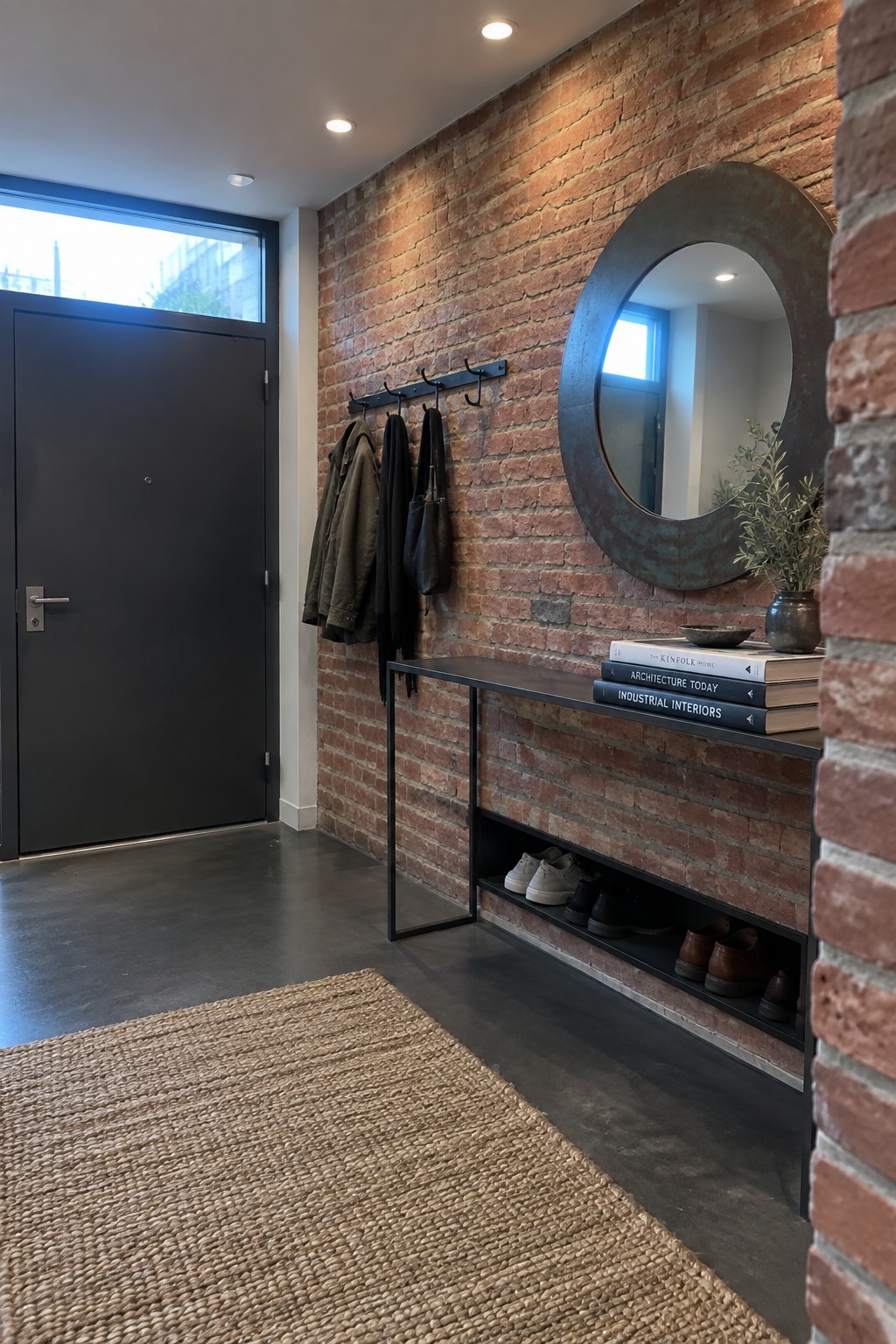
Recessed ceiling lights work especially well in entryways that have exposed brick. They stay out of the way visually and let the texture of the wall stand out while still giving the space a bright, usable level of light.
This approach suits homes with a modern or industrial feel where you want clean lines overhead. Keep the fixtures simple and space them evenly so the light feels consistent rather than spotty.
Recessed Lights Build a Steady Base Layer
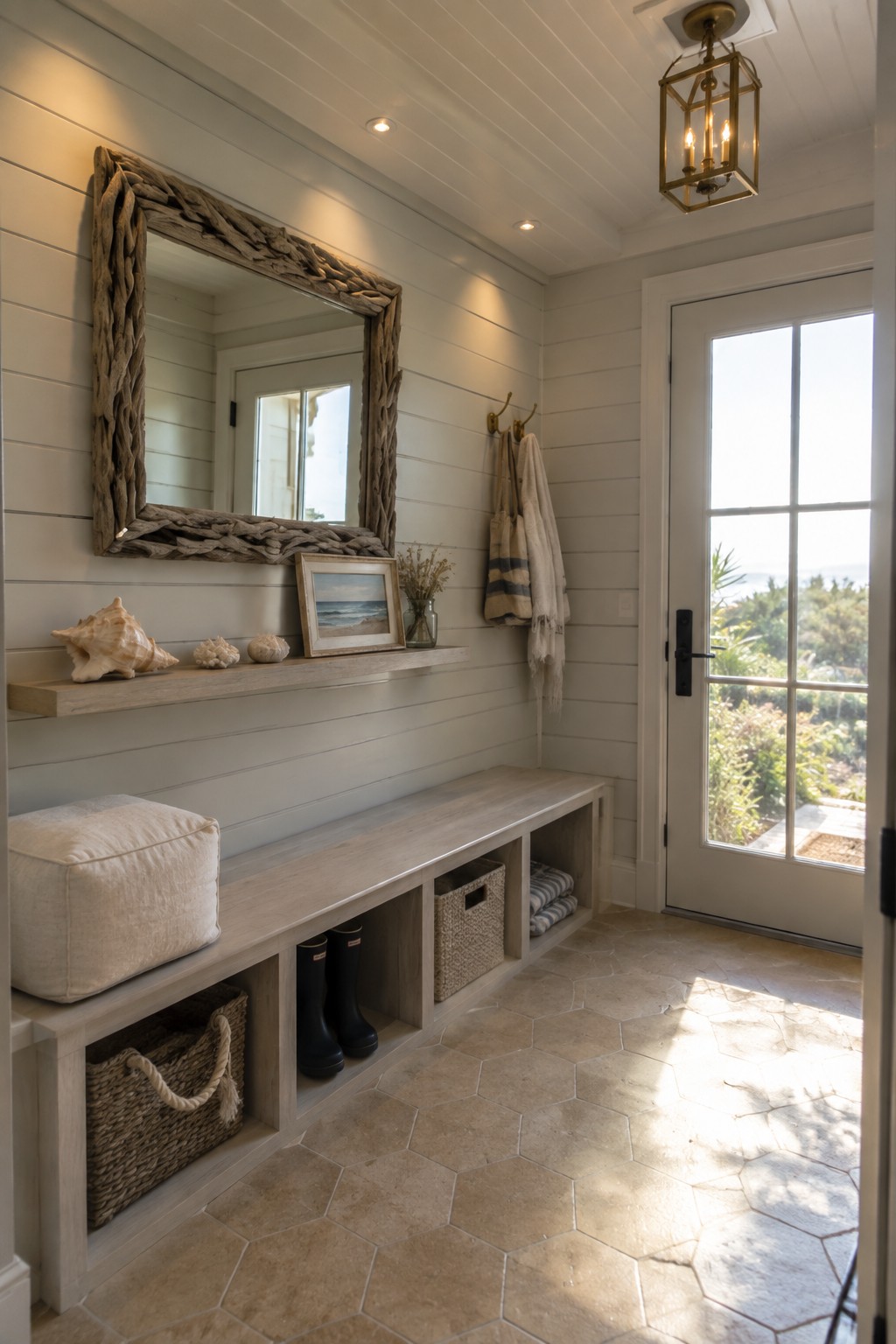
Recessed lighting keeps an entryway feeling open and uncluttered while still delivering even light across the whole space. It works especially well when you want a simple background that supports other fixtures without competing for attention.
This setup suits smaller entry areas or homes that need practical light for daily use. Space the recessed fixtures evenly, then add a single hanging piece like a lantern for warmth and focus. Avoid overcrowding the ceiling, since the goal is steady coverage rather than drama.
Recessed Lights With A Linear Wall Glow
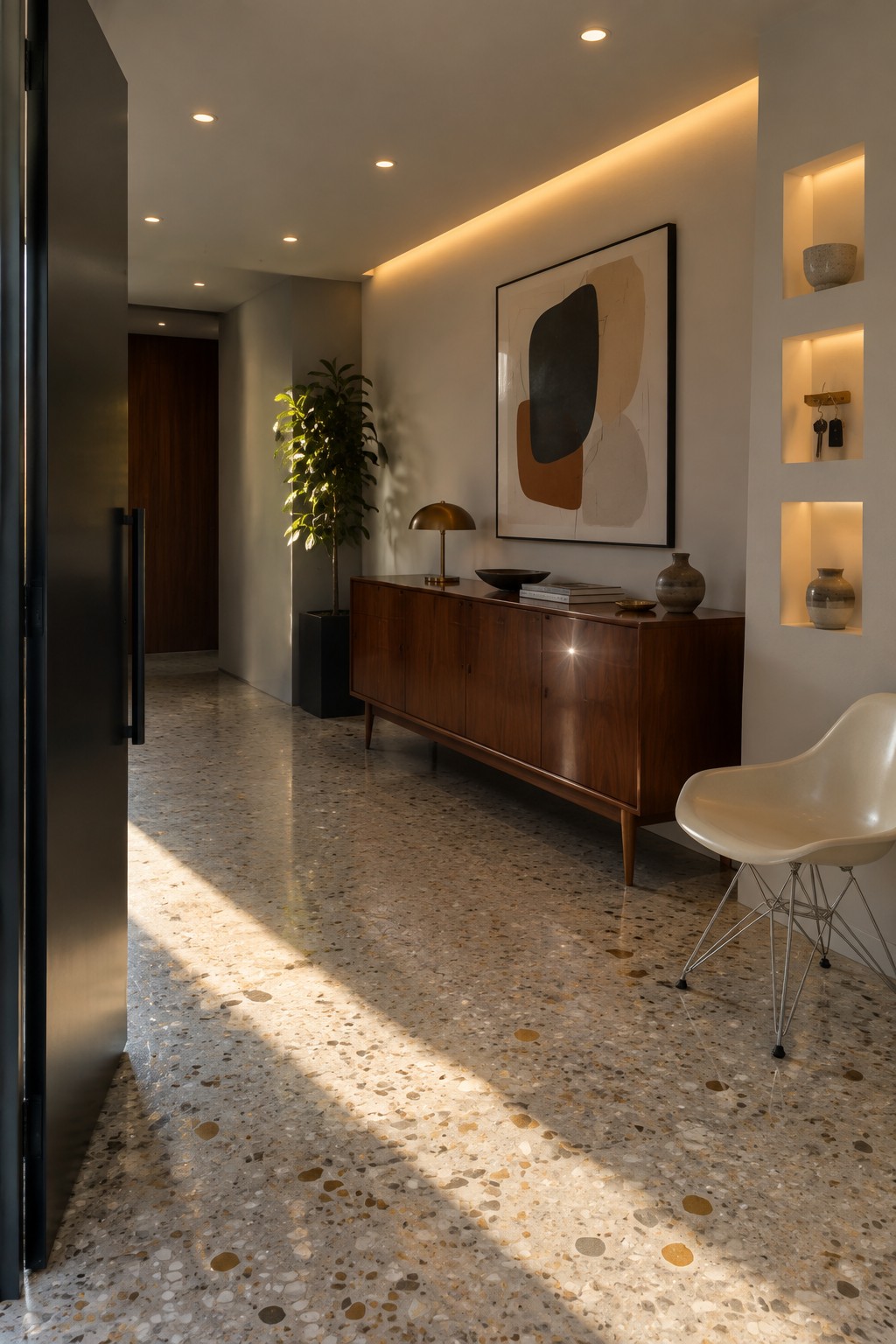
Many entryways end up with flat lighting when they rely on ceiling fixtures alone. A continuous strip of light tucked along the top of the wall adds a soft wash that fills the space without adding visible lamps or clutter.
This setup suits narrow hallways and modern homes where you want even illumination but still need warmth. Keep the strip narrow and the ceiling recesses spaced evenly so the two layers blend instead of competing.
Recessed Lighting Along The Entry Hall
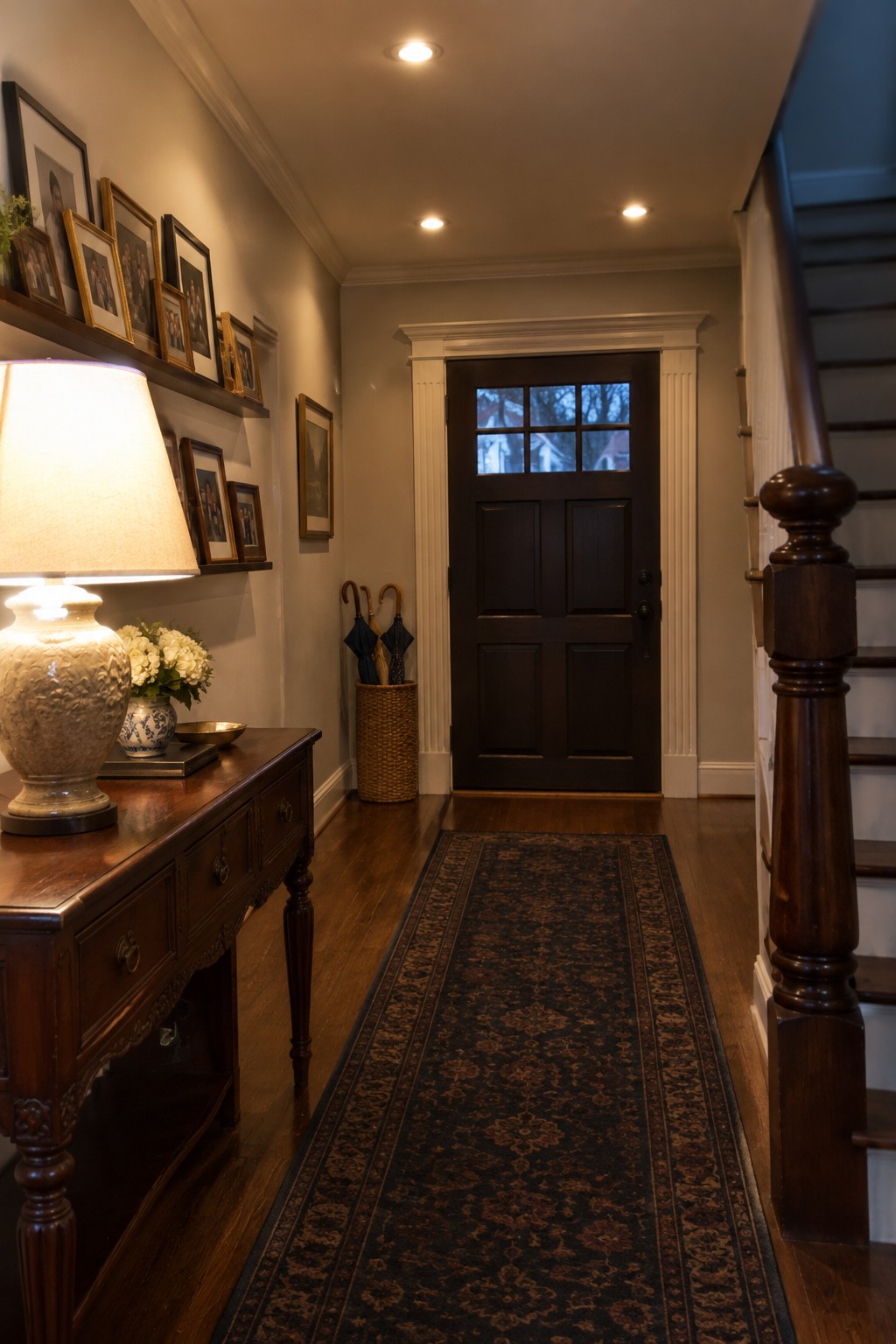
Recessed lights work well in entry halls because they keep the ceiling clean and still spread light evenly from one end to the other. In this space they sit in a simple row that follows the length of the hall and reach all the way to the door without needing extra fixtures.
This approach suits narrow or traditional homes where you want light that feels steady but not harsh. Add one warm lamp on a console table so the recessed lights handle the general wash while the lamp softens the feel after dark.
Recessed Lights That Work With Daylight
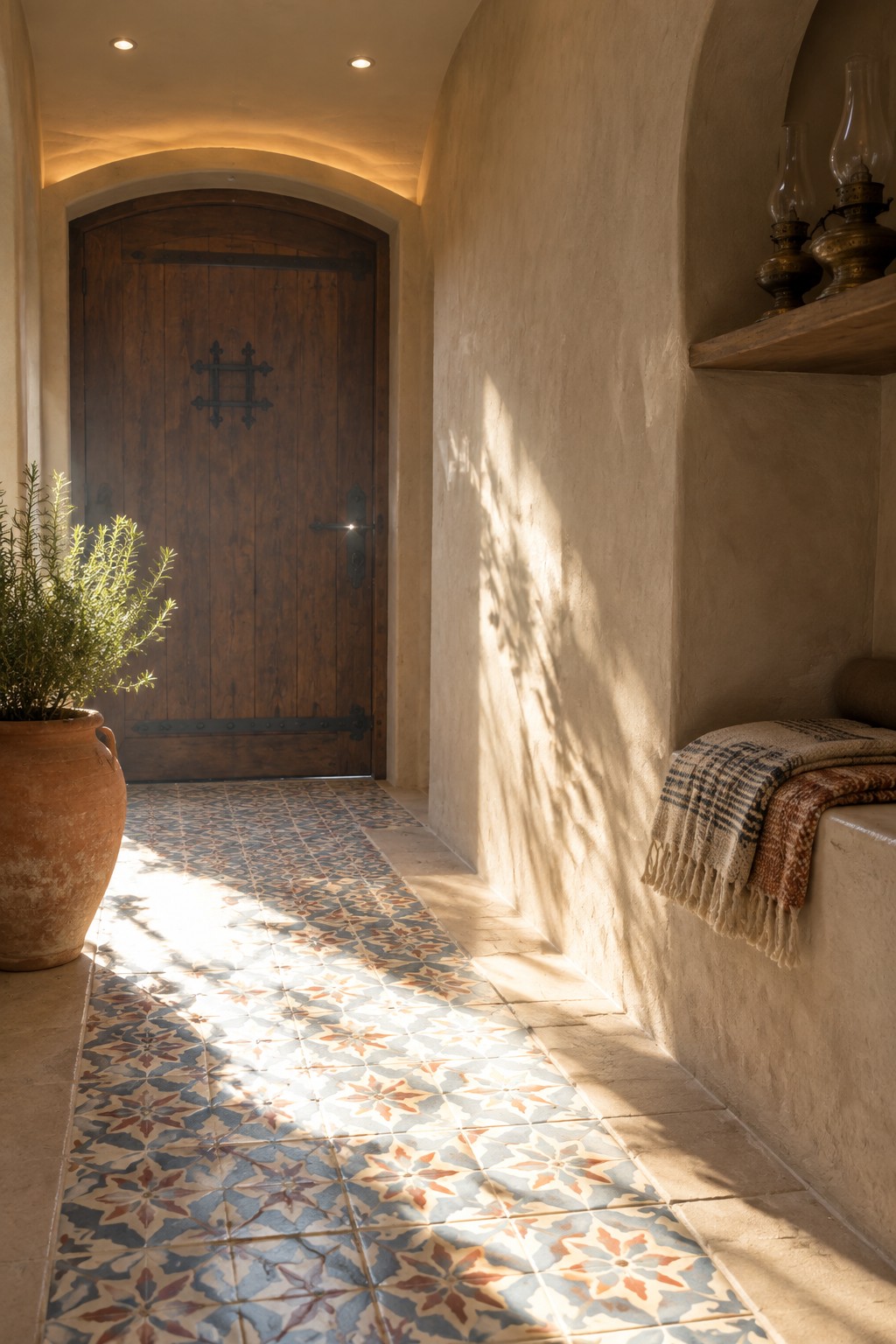
Recessed ceiling lights give an entryway a quiet layer of illumination without adding visual clutter. They sit flush in the ceiling and spread a soft overhead glow that fills in shadows while keeping the space feeling open and simple.
This setup works best in hallways or entry passages that already get good natural light from a door or window. The recessed spots handle the evening hours or overcast days without competing with sunlight, and they suit homes that want a clean look rather than extra fixtures or sconces along the walls.
Recessed Lights with Base Strips for Layered Entryway Light
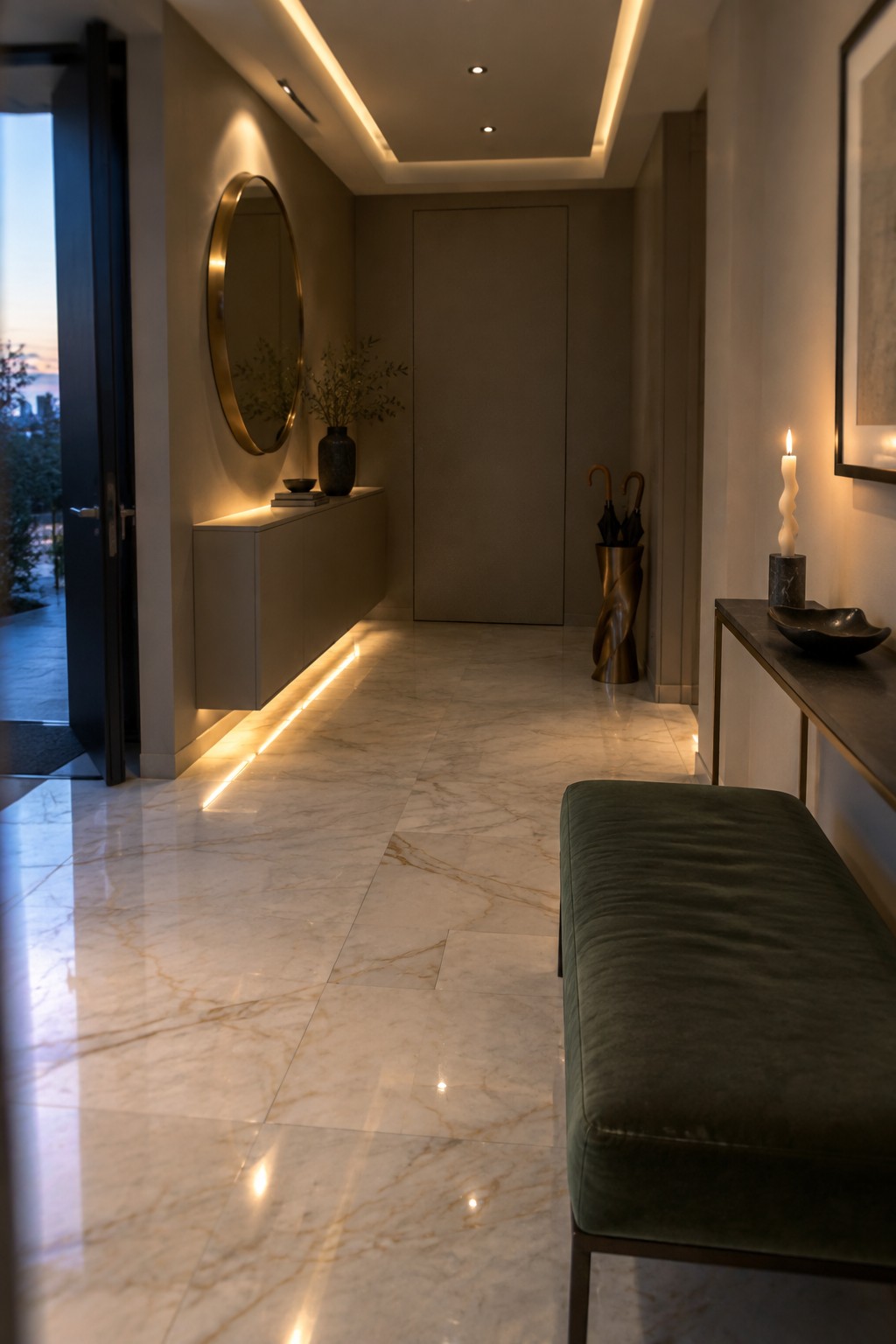
Recessed ceiling lights give a clean overhead layer that keeps the space bright and open without visible fixtures cluttering the look. Adding a low strip of light along the base of a floating console creates a second, softer layer that warms up the floor and walls without needing extra lamps or sconces.
This setup works best in modern entryways or hallways where you want steady light for walking through but also a calmer evening mood. Keep the base strip on a separate dimmer so you can adjust it independently from the ceiling lights, and test the color temperature to make sure both layers feel consistent.
Recessed Lighting Down Entry Hallways
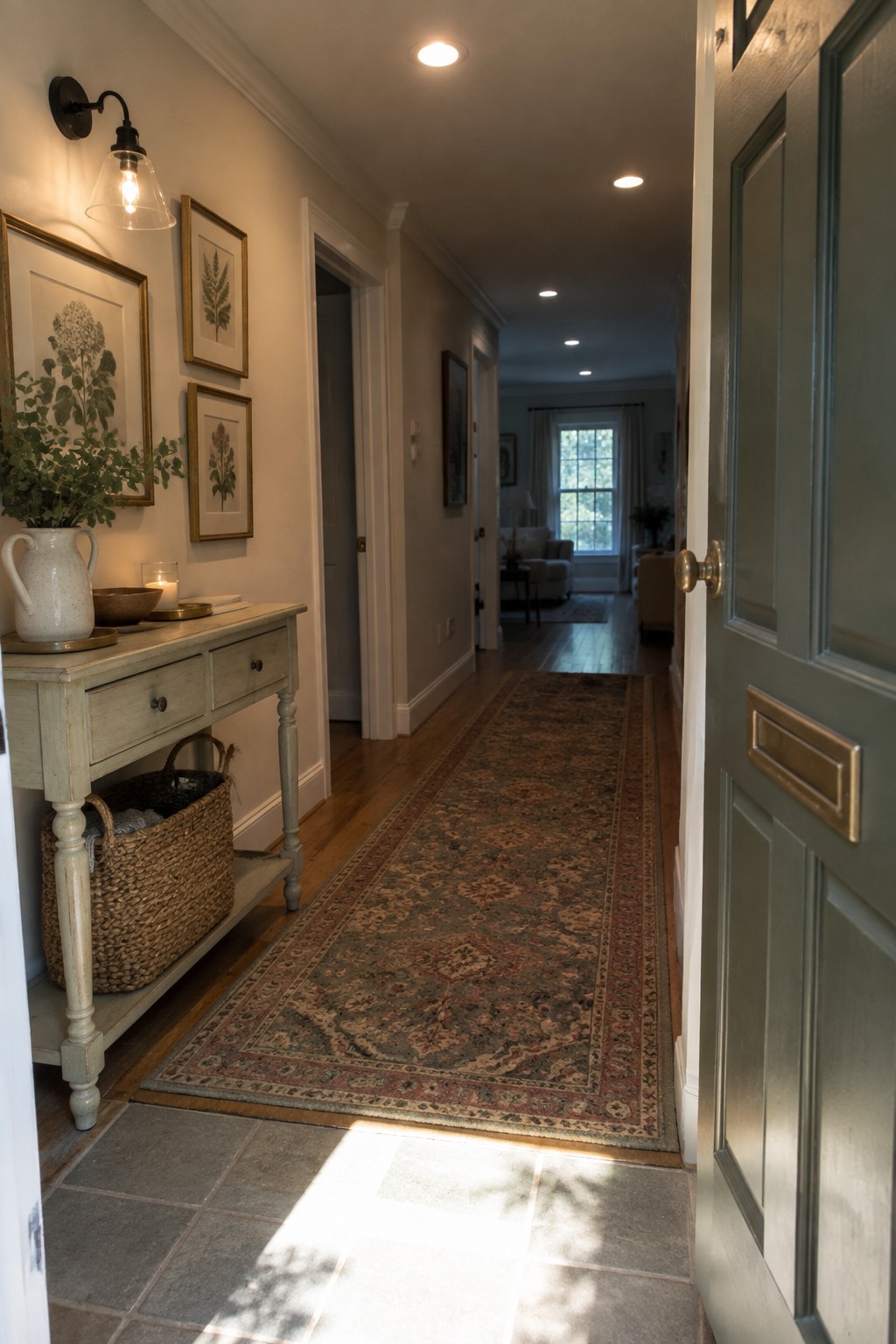
Recessed lights keep a hallway feeling open and uncluttered while spreading light evenly from one end to the other. In this setup they work with a single wall sconce to add a warmer layer without needing extra fixtures or cords.
This approach fits homes with long or narrow entries where you want steady light but still need room to move. Space the recessed cans evenly and let one or two other sources, like a sconce or daylight from an open door, handle the rest of the layering.
Recessed Lighting For Narrow Hallways
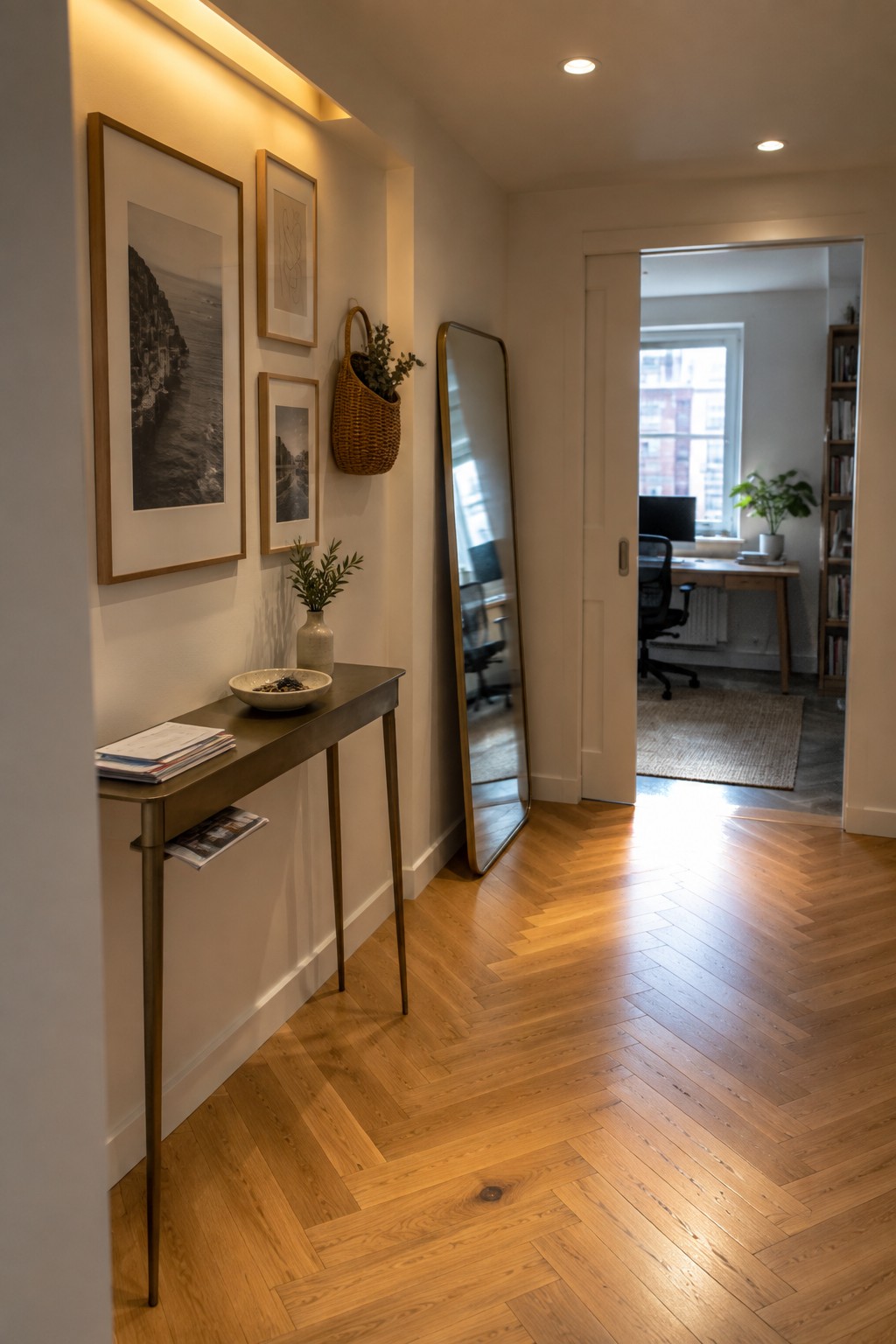
Recessed lights help a small entryway stay open and uncluttered. They spread a steady layer of light across the floor and walls without adding lamps or sconces that take up room.
This works especially well in apartments or older homes with tight hallways. Space the fixtures evenly along the ceiling and pair them with one low source of light near the door if you want a warmer feel at eye level.
Adding Recessed Lighting At Floor Level
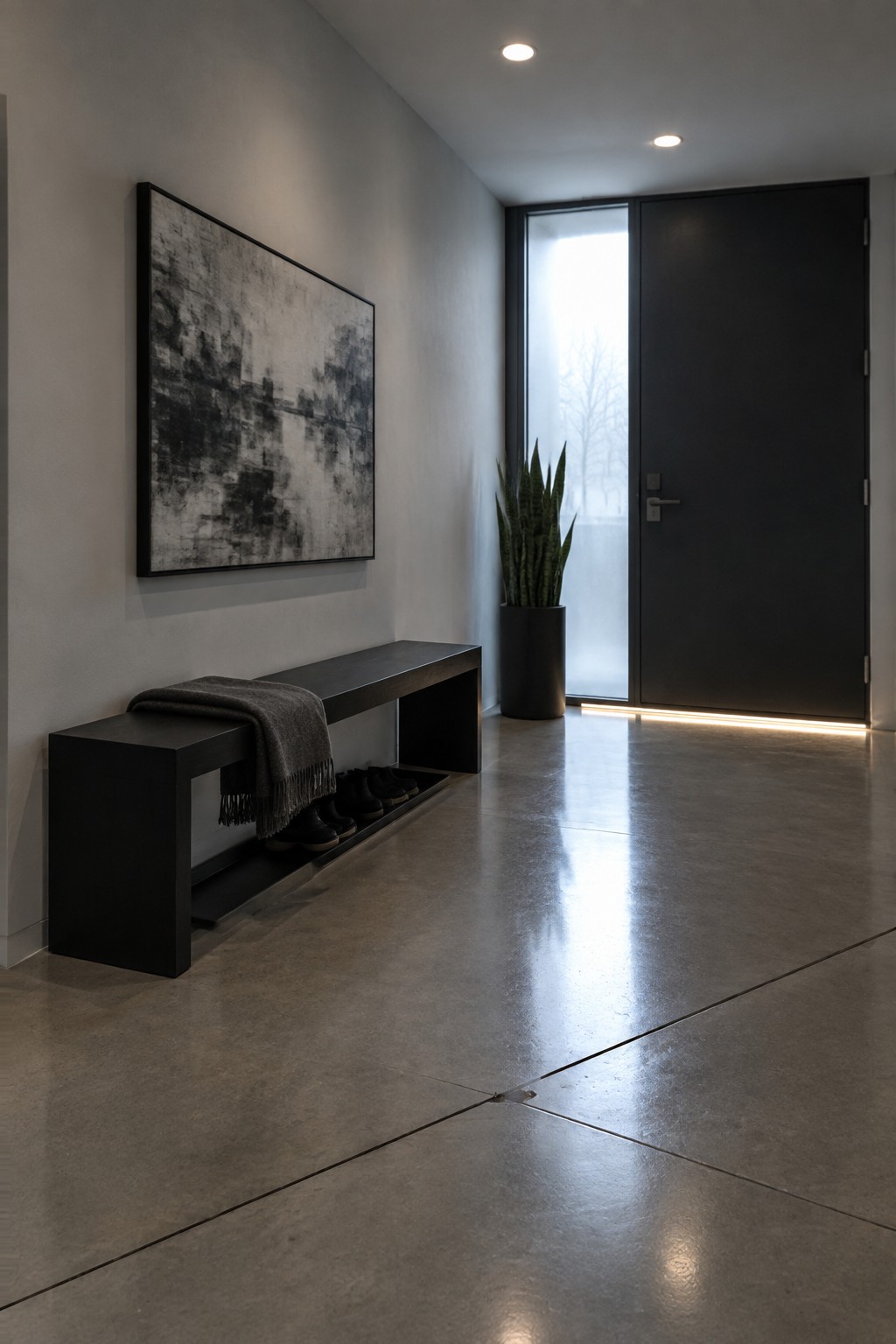
A low strip of light along the base of the wall gives the entry a quiet glow without adding visible fixtures. It pairs well with standard ceiling recessed lights and keeps the space feeling open and uncluttered. This approach works especially well in modern homes where you want illumination that stays out of the way.
It suits narrow hallways or entry zones that get regular foot traffic. Keep the strip narrow and close to the wall so it does not create a tripping hazard or catch dust. Test the brightness first, since too much output can feel harsh at night.
Recessed Lights Paired With Wall Uplights
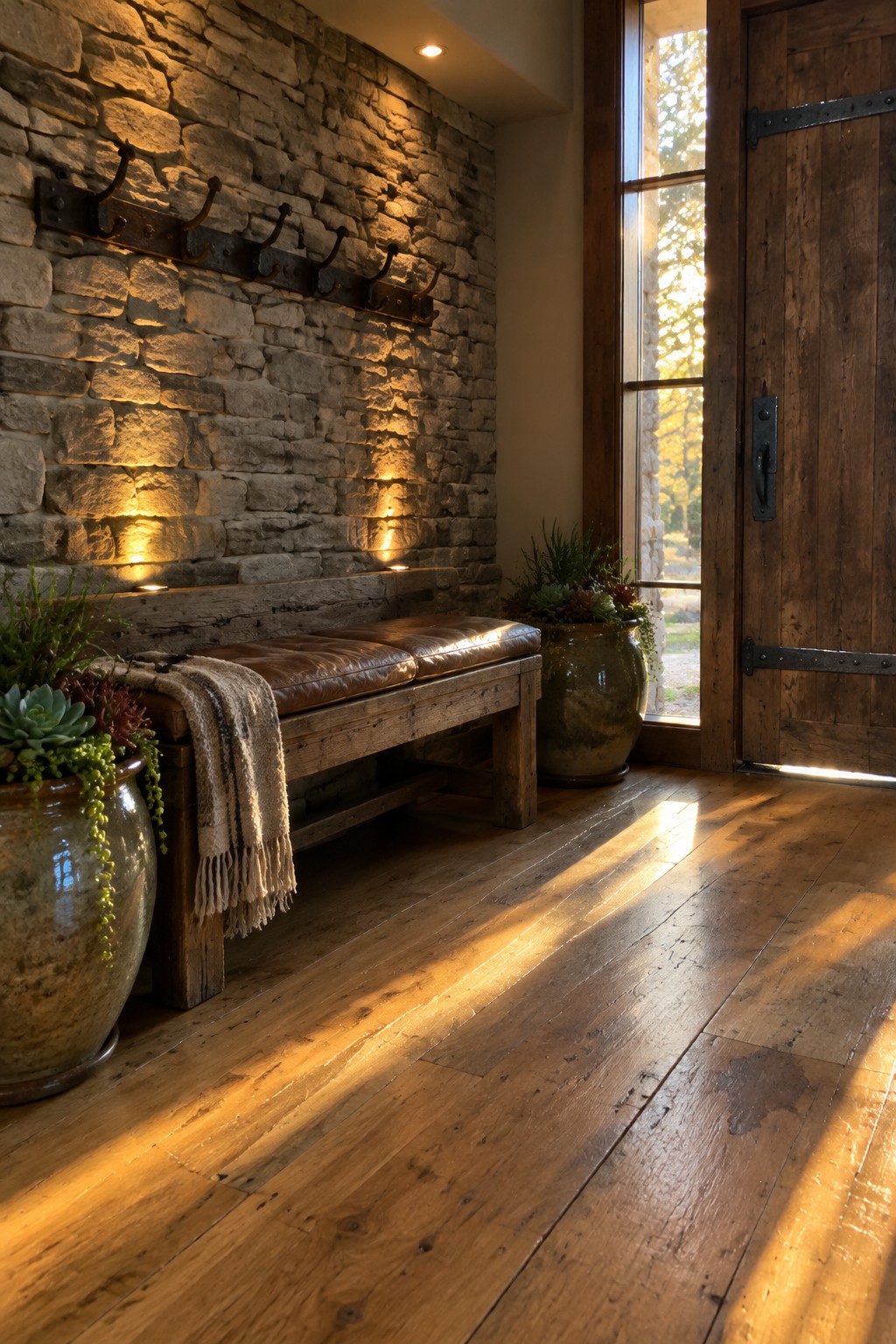
One simple way to get layered light in an entry is to run recessed fixtures in the ceiling while adding a few low uplights at the base of a stone wall. The ceiling lights stay out of the way and give even general light, while the base lights bring out the texture of the stone without extra fixtures on the wall itself.
This approach works best in entryways that already have some texture or a feature wall. It keeps the ceiling plane clean and avoids the need for sconces or hanging lights that might crowd the space. Just be sure the recessed lights are positioned to avoid glare when people walk through the door.
Recessed Lighting Along a Hallway Ceiling
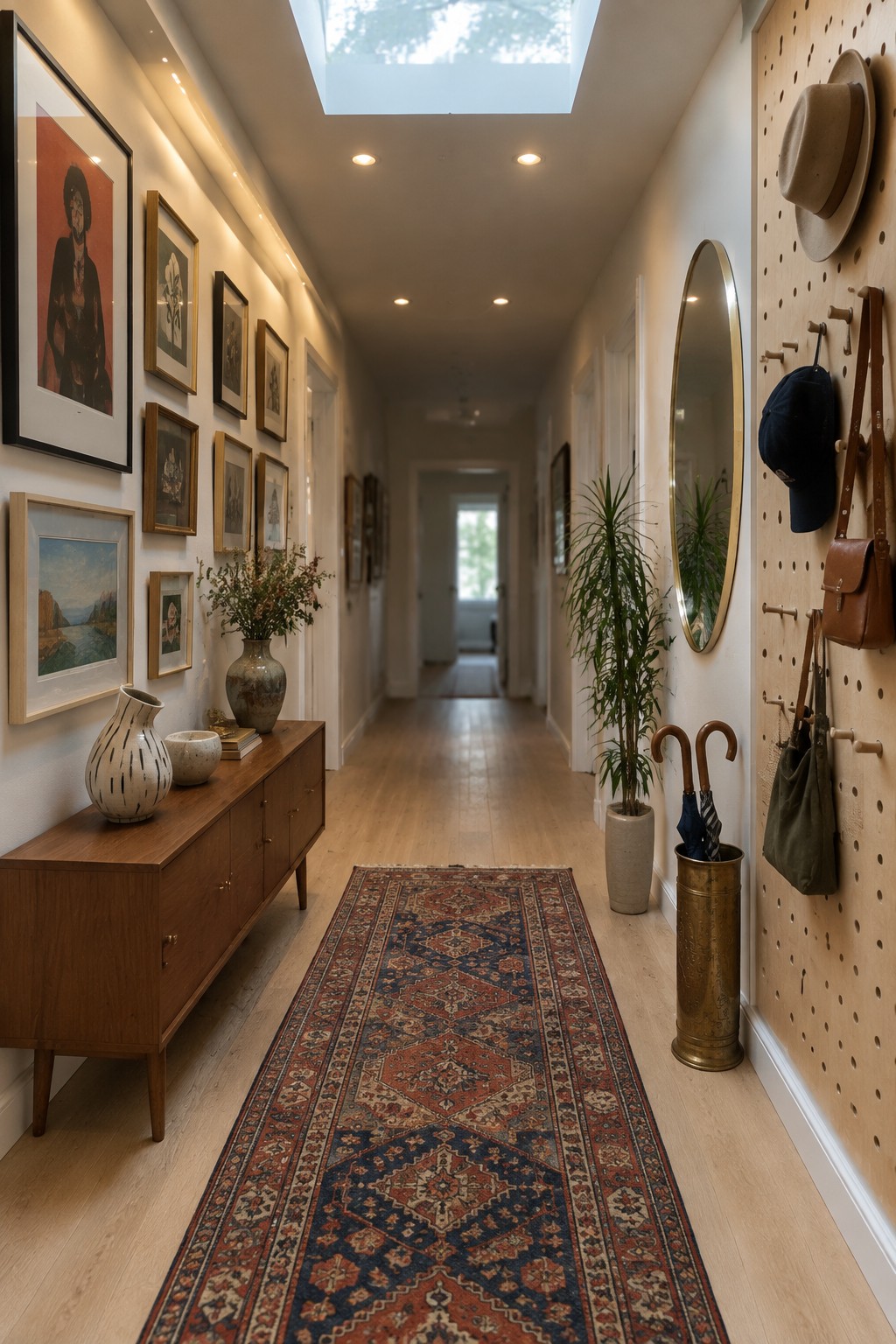
Recessed lights work well in long hallways because they spread light evenly without adding visual clutter to the ceiling. A simple row of small fixtures can run the full length of the space and still leave room for a skylight to bring in extra daylight during the day.
This setup fits homes with narrow entry halls where wall space is already used for art or storage. It keeps the look clean and works best when the fixtures are spaced evenly and paired with at least one natural light source.
Recessed Lights With A Step Strip
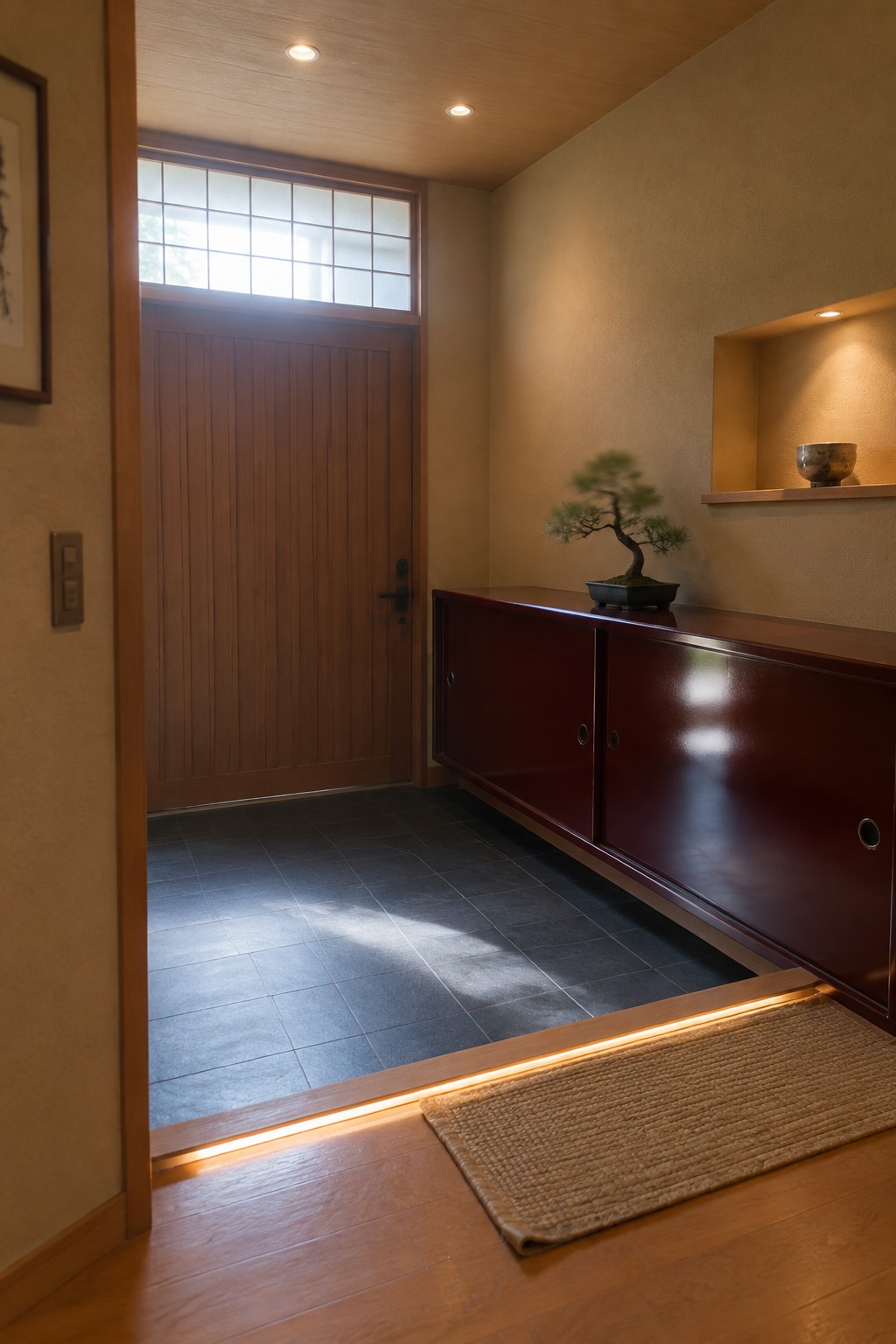
Recessed ceiling lights give an entryway a clean overhead layer that feels bright without being harsh. Pairing them with a low strip along the step adds just enough glow at floor level to guide people in and make the space feel finished.
This works well in homes that already have a step down into the entry or a clear threshold line. Keep the strip warm and dimmable so it stays subtle at night and does not compete with the overhead lights. It suits smaller or narrow entries where you want light without adding fixtures that take up space.
Recessed Lights Over A Mudroom Bench
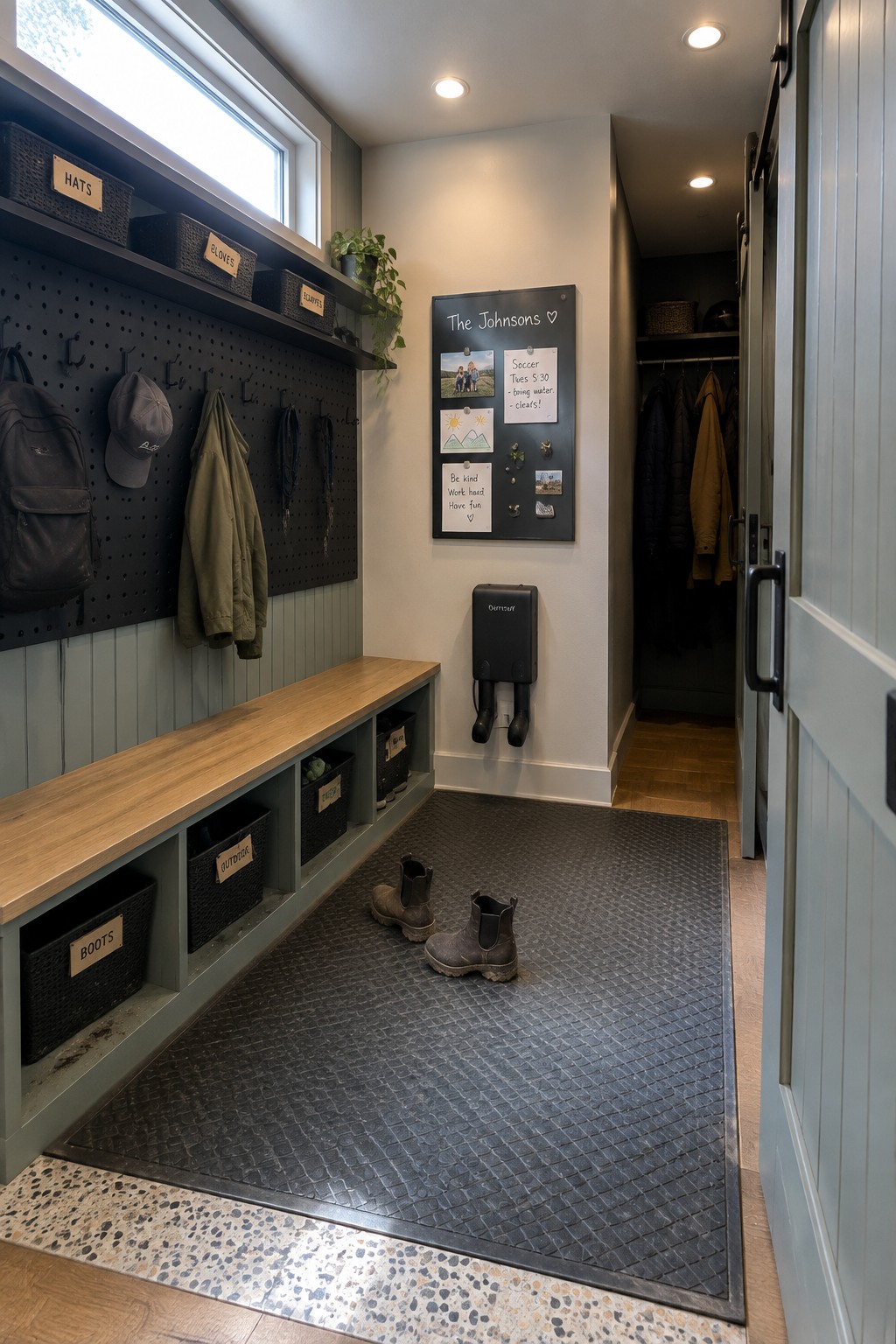
Recessed ceiling lights give this entryway steady, even illumination without adding extra fixtures that would crowd the walls or get in the way. The clean look works especially well in a space that already holds coats, bags, and boots, since nothing hangs down or blocks movement.
This approach suits homes that need practical lighting near the door. It pairs best with a window or skylight so the recessed fixtures can fill in during darker hours without feeling harsh.
Recessed Lighting Along Stairs And Ceilings
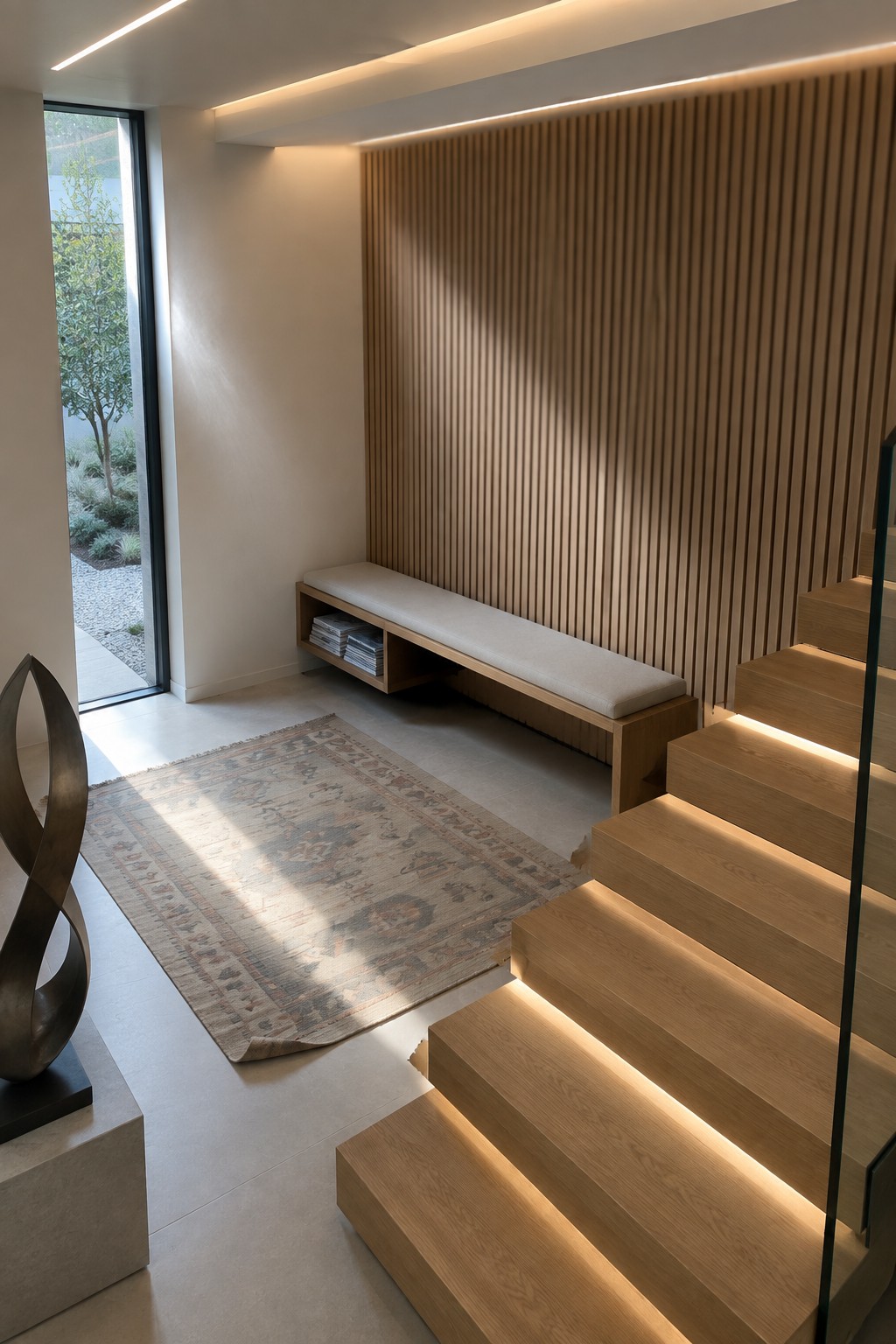
Recessed linear lights work well in entryways because they add a steady layer of illumination without taking up visual space. In this setup the ceiling line and the stair edges both glow softly, which keeps the area bright even when the main overheads are off. It feels calm rather than dramatic.
This approach suits homes with open stairs near the front door. Run a simple LED channel in the ceiling and add matching strips under the nosing of each tread. Keep the rest of the lighting minimal so the recessed lines do the main work.
Recessed Lights as the Base Layer in Entryways
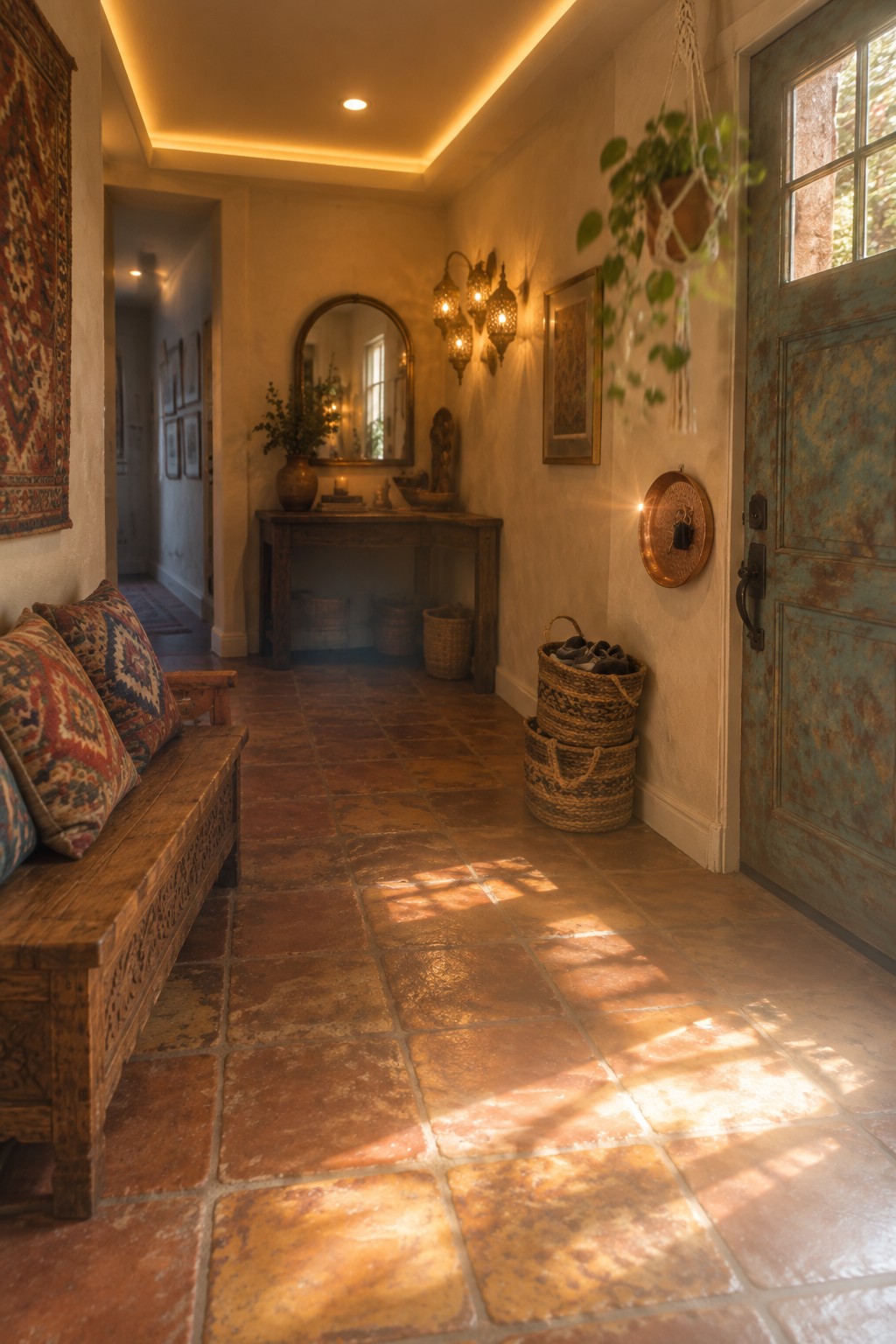
Recessed ceiling lights give an entryway a clean, steady wash of light that feels open without drawing attention to any one fixture. In spaces like this one the warm tone from above keeps shadows soft on the floor and walls, so the room stays practical even when the sun starts to drop.
This setup works best in hallways or entry areas that already have some natural light during the day. Pair the recessed lights with one or two wall sconces for a second layer, and keep the ceiling height in mind so the glow stays even rather than creating bright spots.
Recessed Lights For Layered Entryway Illumination
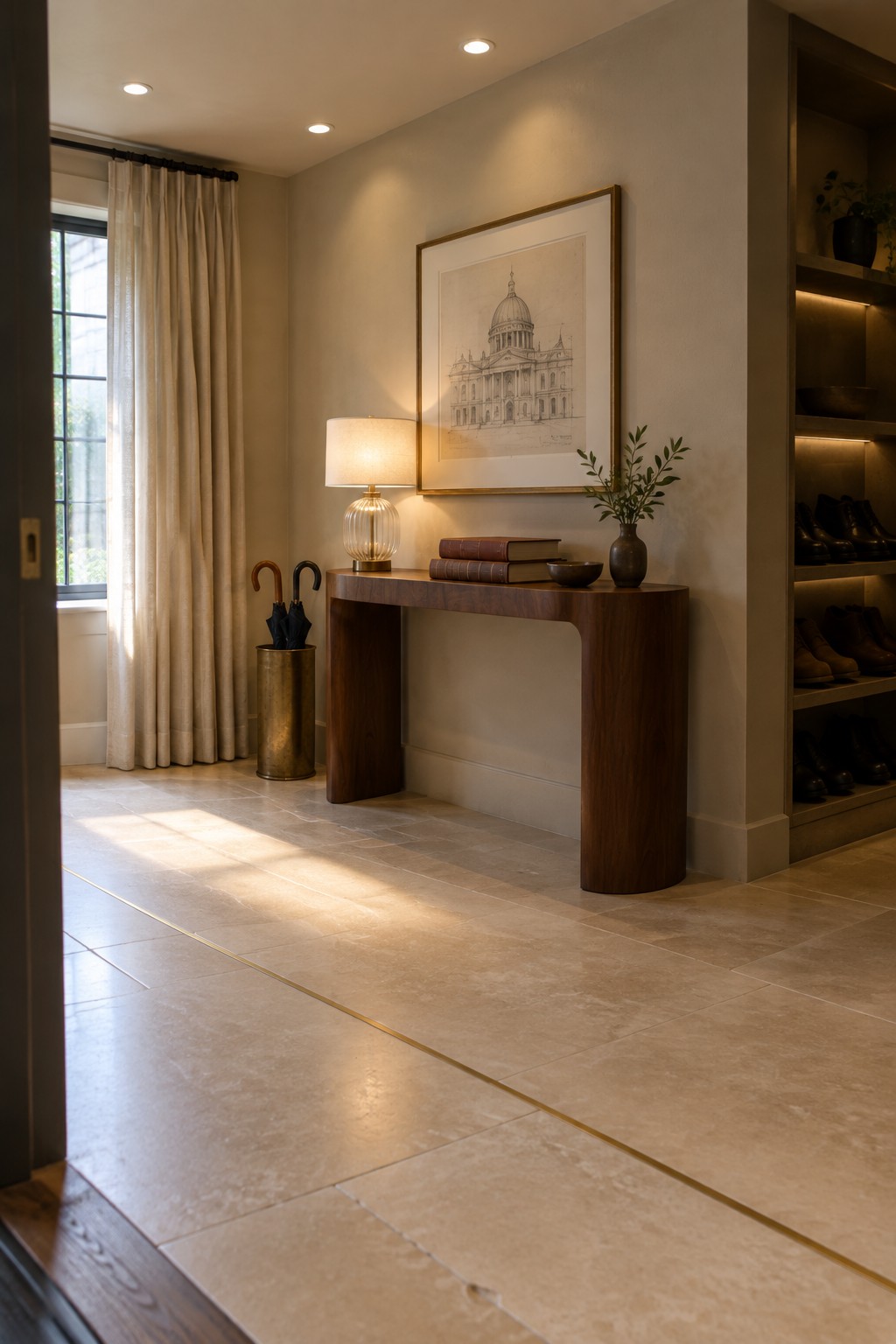
Recessed ceiling lights give an entryway a clean base layer without adding bulk or visual noise. They spread light evenly across the floor and walls, which helps smaller spaces feel more open and keeps the focus on the furniture rather than on fixtures.
Add a table lamp on a console for a warmer evening layer. This setup works best in homes with stone or tile floors where the light can reflect gently, and it avoids the need for wall sconces or hanging pendants that might crowd the space.
Recessed Lights in Entry Hallways
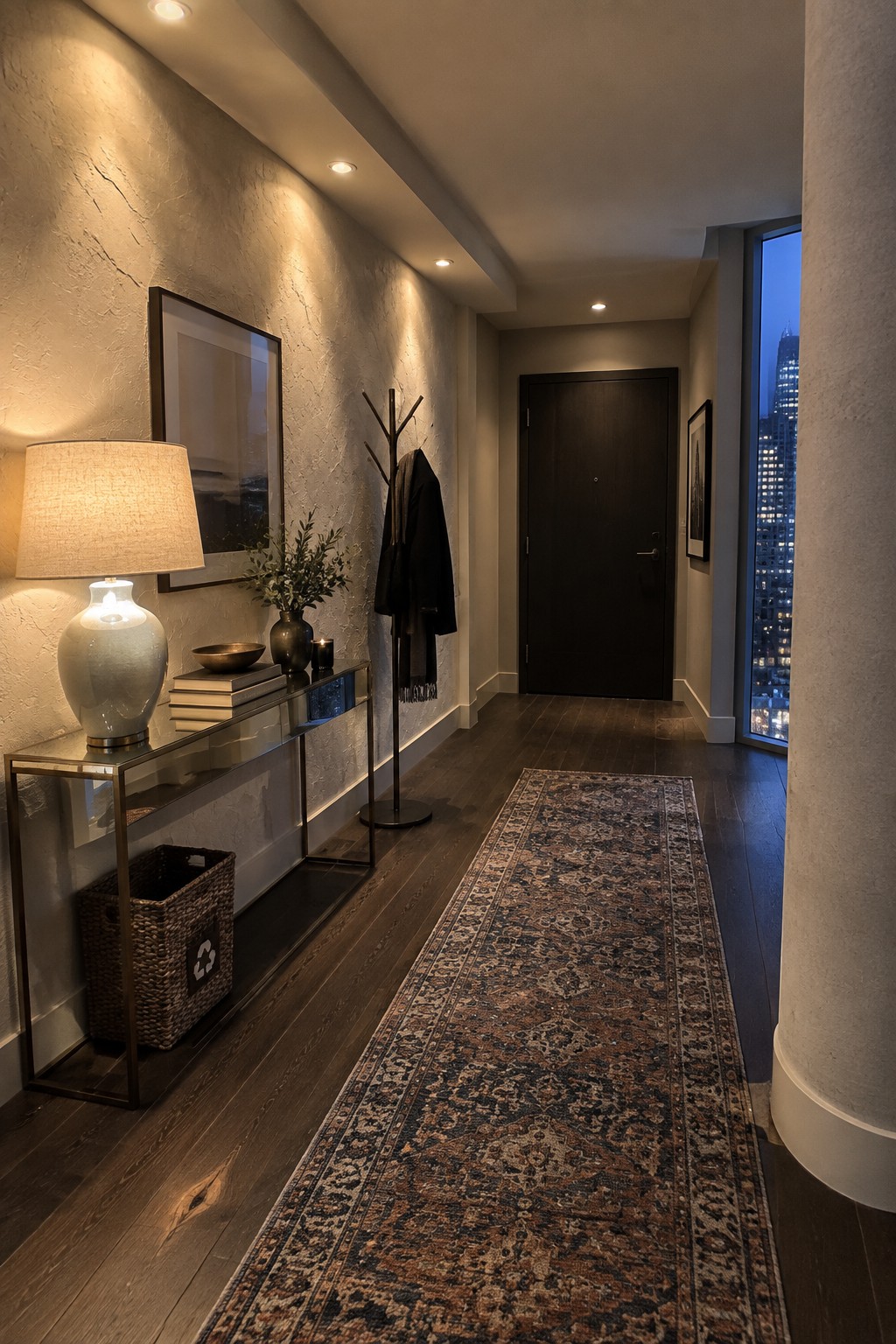
Recessed ceiling lights work well in entry hallways because they spread light evenly without adding visual clutter. A row of them along the ceiling keeps the space bright from one end to the other, and the effect feels steady rather than spotty.
This approach suits narrow or long entry areas in many homes. Pair the recessed lights with a single table lamp on a console for a warmer layer once the sun goes down, and the whole setup stays simple to maintain.
Layered Recessed Lighting Around A Bench
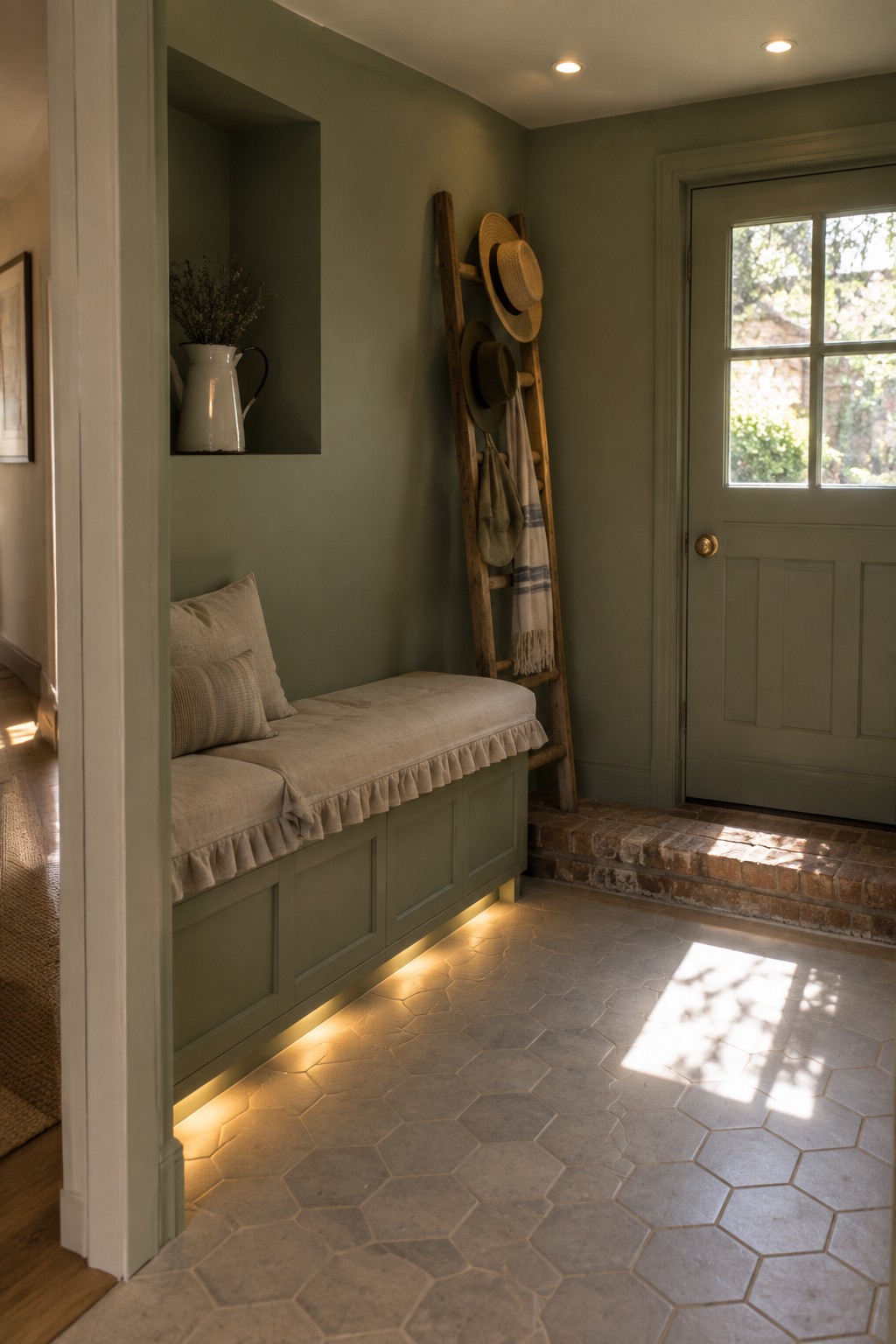
Recessed ceiling lights work well in entryways when they are paired with a lower source of light. The under-bench glow adds warmth without extra lamps or visible fixtures, keeping the space clean and easy to move through.
This setup suits small mudrooms or side entries where storage is needed but clutter should stay low. Place the recessed cans evenly overhead and run a simple LED strip under the bench seat so the floor stays softly lit at night.
Frequently Asked Questions
Q: How far apart should the recessed lights go in a narrow entry?
A: Space them roughly four feet apart down the center line. This spreads the light evenly so the floor stays bright without dark patches near the door. Walk through the space a few times with the lights on to check the flow before you commit.
Q: How do I add sconces without making the layers clash?
A: Put the recessed cans in first for the base wash of light. Hang the sconces at eye level on the side walls so they catch the edges and add warmth. Keep both sets on separate switches so you can adjust one without turning off the other.
Q: What if the bulbs end up too cool and the entry feels stark?
A: Switch to a warmer temperature around 2700K across every fixture. The softer glow makes people look and feel comfortable as soon as they step inside. One mismatched bulb is enough to change the mood, so check them all at once.
Q: Can I handle the install myself if the ceiling is drywall?
A: Cut the holes carefully after you map the joists. Run the wires through the attic if you have access and connect everything before you patch. Call an electrician only if you hit old wiring or insulation that blocks the path.
