


I have found that the entryway sets the tone for how the rest of the house feels when you walk in because it is the first space that greets you after a long day.
The right lighting can make a small space feel open or turn a larger one into something welcoming without much effort.
Brass fixtures often develop a nice patina over time that adds warmth I did not expect at first when I installed one in my own home.
Many people overlook how the height and placement of lights change the way shadows fall across the floor and walls in ways that affect daily movement through the space.
A few of these ideas are worth trying out.
Brass Ceiling Fixtures In Traditional Entries
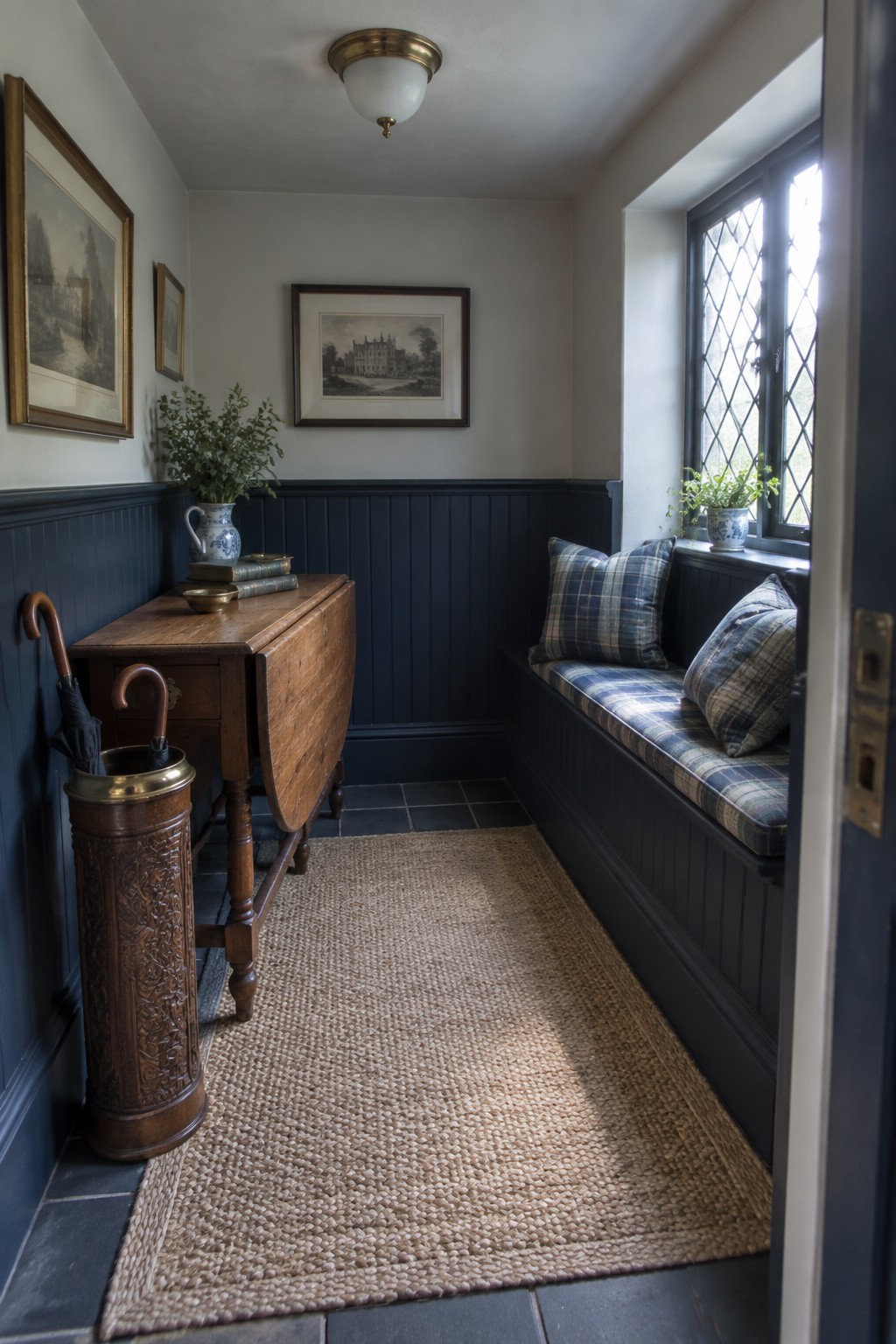
A brass ceiling light works well in an entry because it gives steady light without crowding the walls or floor. In a narrow space with dark paneling, the warm metal tone stands out just enough against the deeper colors and keeps the whole area from feeling dim.
This kind of fixture suits older homes or any entry with wood trim and simple lines. Keep the shade plain so the brass stays the main detail, and make sure the height works with your ceiling so people do not bump it when they walk through.
Brass Sconces Over Built-In Entryway Storage

Brass sconces work well when placed right above built-in storage in an entryway. They light the bench and cubbies without taking up space, and the warm metal tone pairs easily with wood and painted cabinetry. Many older homes already have similar fixtures, so this choice feels like a natural fit rather than something new.
This setup suits homes that need practical lighting near the door. Keep the sconces at a height that shines down onto the seating area, and use bulbs that give off a steady, not too bright, glow. It works best in traditional or transitional houses where the rest of the hardware already leans warm.
Brass Lanterns For Traditional Entryways
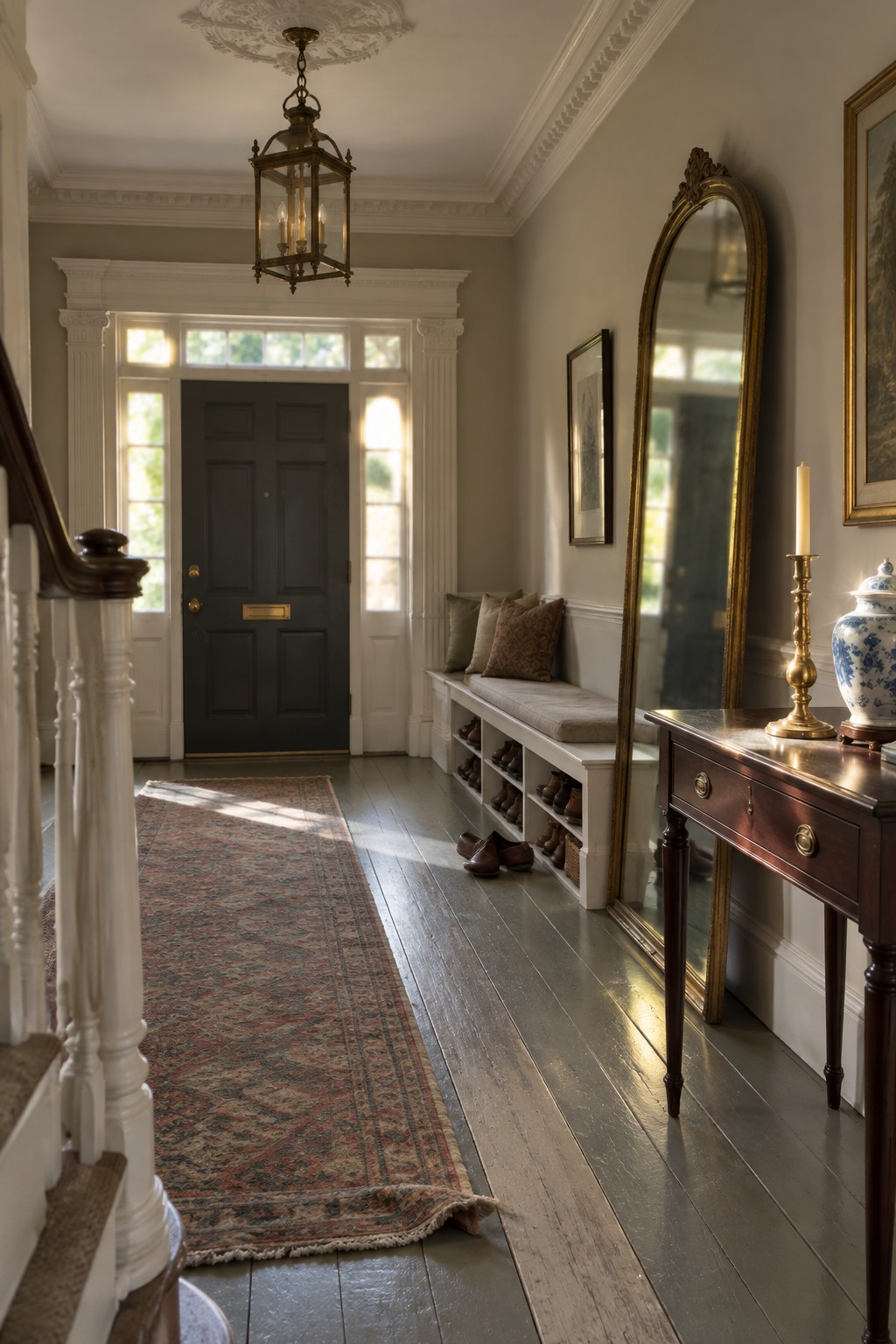
A brass lantern chandelier gives an entryway a clear focal point without needing extra layers of lighting. The fixture spreads a steady glow across the floor and highlights the door and trim, which keeps the space feeling open and easy to navigate.
This approach suits homes with classic moldings and wood floors. Hang the lantern at a height that clears daily movement, then keep the rest of the furnishings low and simple so the brass stays the main feature.
Brass Pendants in Traditional Entryways

A brass pendant works well in an entry because it gives steady overhead light without taking up floor space. The warm metal tone stands out nicely against darker walls and woodwork, and the simple shape keeps the look from feeling busy.
This approach suits homes with classic trim and smaller foyers where wall sconces might crowd the space. Hang the fixture so it clears the door swing and choose a shade that diffuses the light evenly rather than casting harsh spots on the floor.
Brass Lantern Sconces In Traditional Entryways
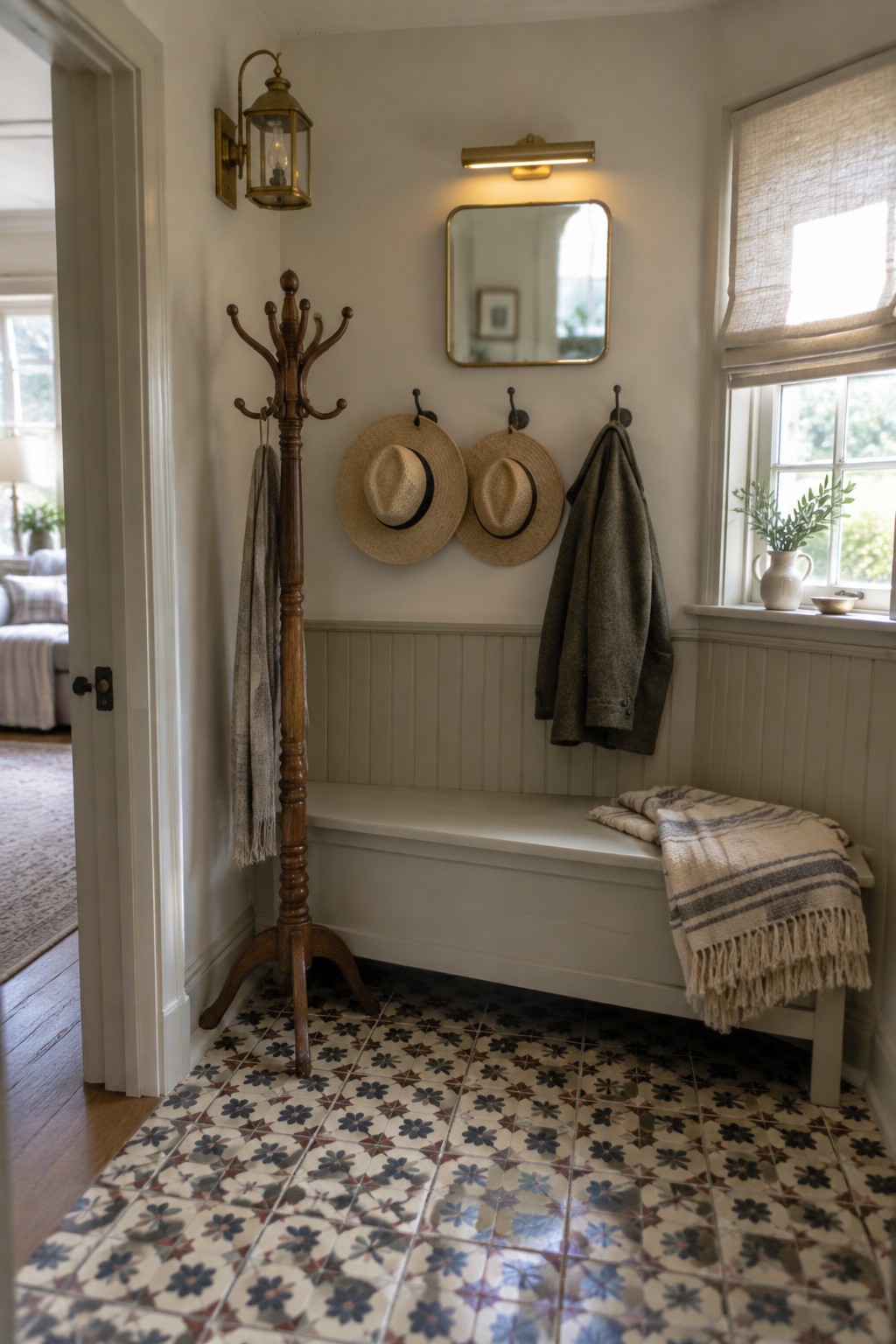
Brass lantern sconces bring a steady, warm light to entryways without crowding the space. They sit nicely against painted walls and work well with simple trim like beadboard or wainscoting. The style feels at home in older houses and newer ones that borrow classic details.
Place one near the door for everyday use and another above a mirror if you have the wall room. Keep the brass finish the same on every fixture so the look stays pulled together. This approach suits homes that already have hooks, benches, or built-in storage in the entry.
Brass Chandeliers in Entry Stairwells
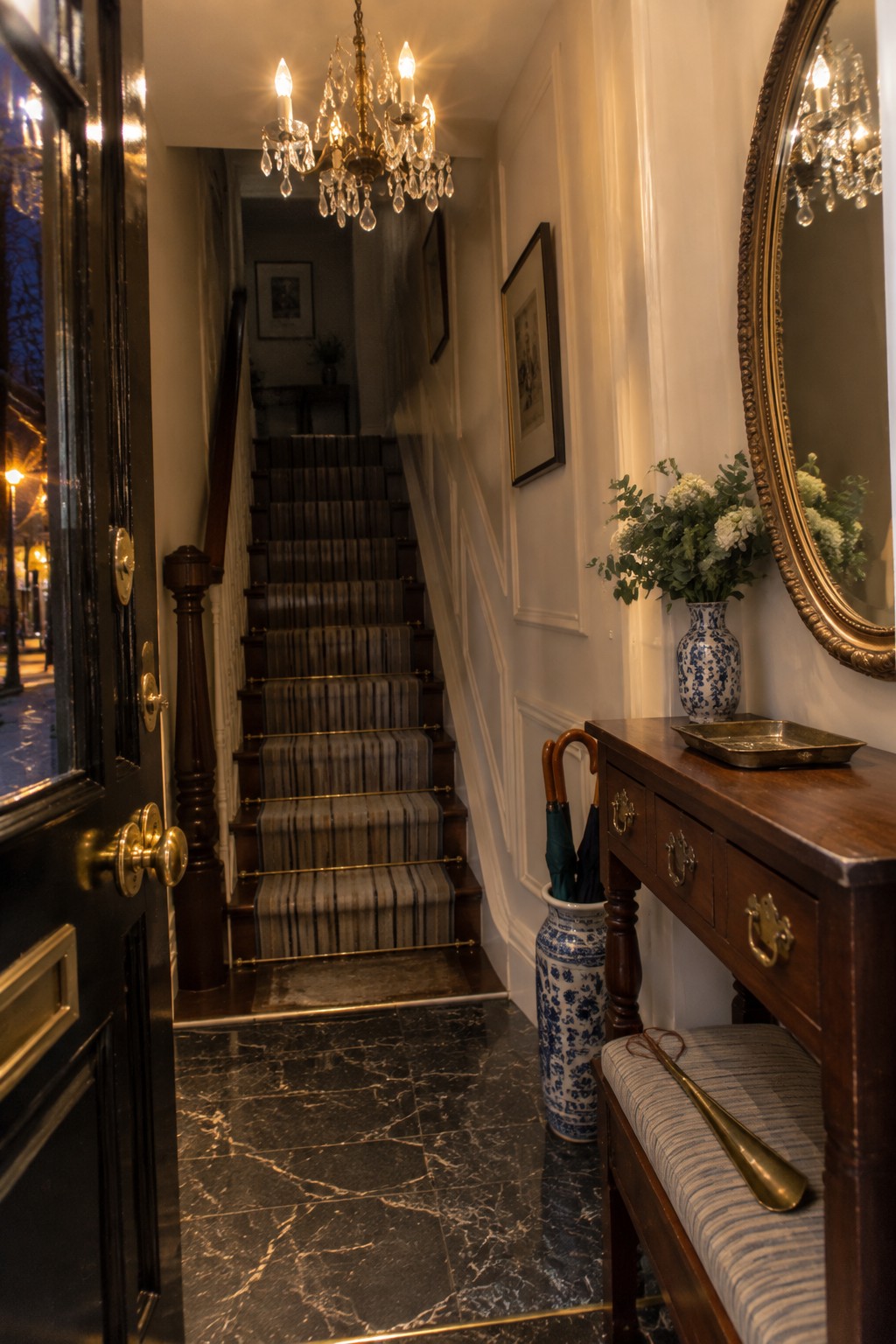
A brass chandelier gives a traditional entry a steady source of light that reaches both the floor and the stairs. The warm tone of the metal fits the style without overpowering the space or feeling too formal.
This approach works best in homes with a bit of ceiling height and a clear spot above the stairs. Match the finish on door hardware and other fixtures so the brass reads as one choice rather than scattered accents.
Brass Lantern Fixtures for Entryways

A brass lantern works well in a traditional entry because it gives off a steady, warm light without feeling too formal. The simple shape and aged finish fit easily with wood tones, painted walls, and older trim details that many homes already have. It also stays useful through the day since the glass sides let light spread evenly.
Place the lantern where people first step inside so it lights the path and highlights a bench or table nearby. It suits homes with wood floors and neutral walls, and it pairs best with black hardware or natural textures rather than shiny modern finishes. Keep the scale modest so it does not overwhelm a smaller space.
Brass Chandeliers for Traditional Entryways
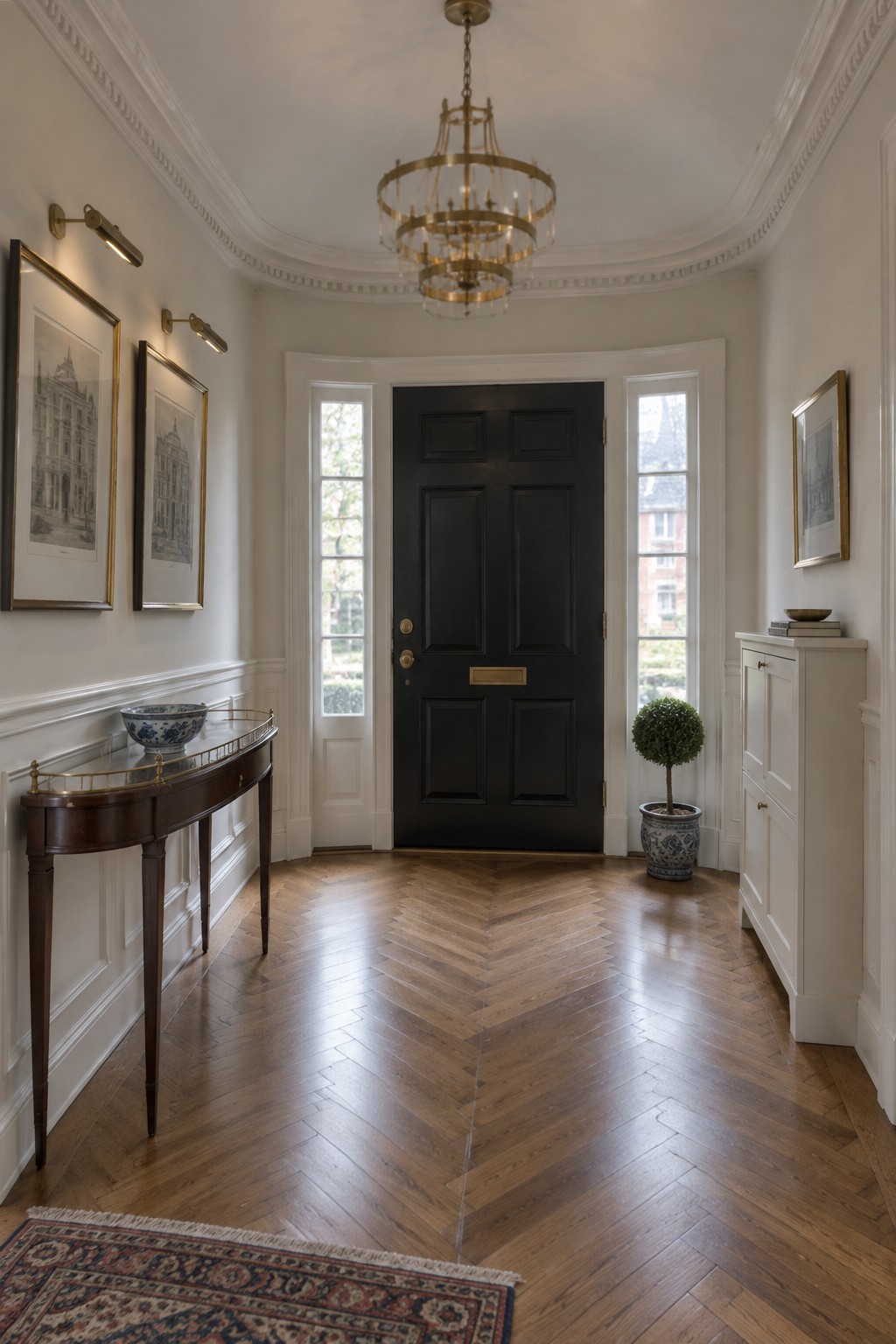
A brass chandelier gives a traditional entryway the right kind of light without trying too hard. It sits high enough to clear the door swing yet low enough to feel intentional, and the warm metal tone pairs naturally with dark doors and wood floors.
This setup works best in homes with at least nine-foot ceilings and some existing trim detail. Keep the rest of the lighting simple so the chandelier stays the main point, and make sure the scale matches the width of the space rather than overwhelming it.
Brass Ceiling Lights in Entryways
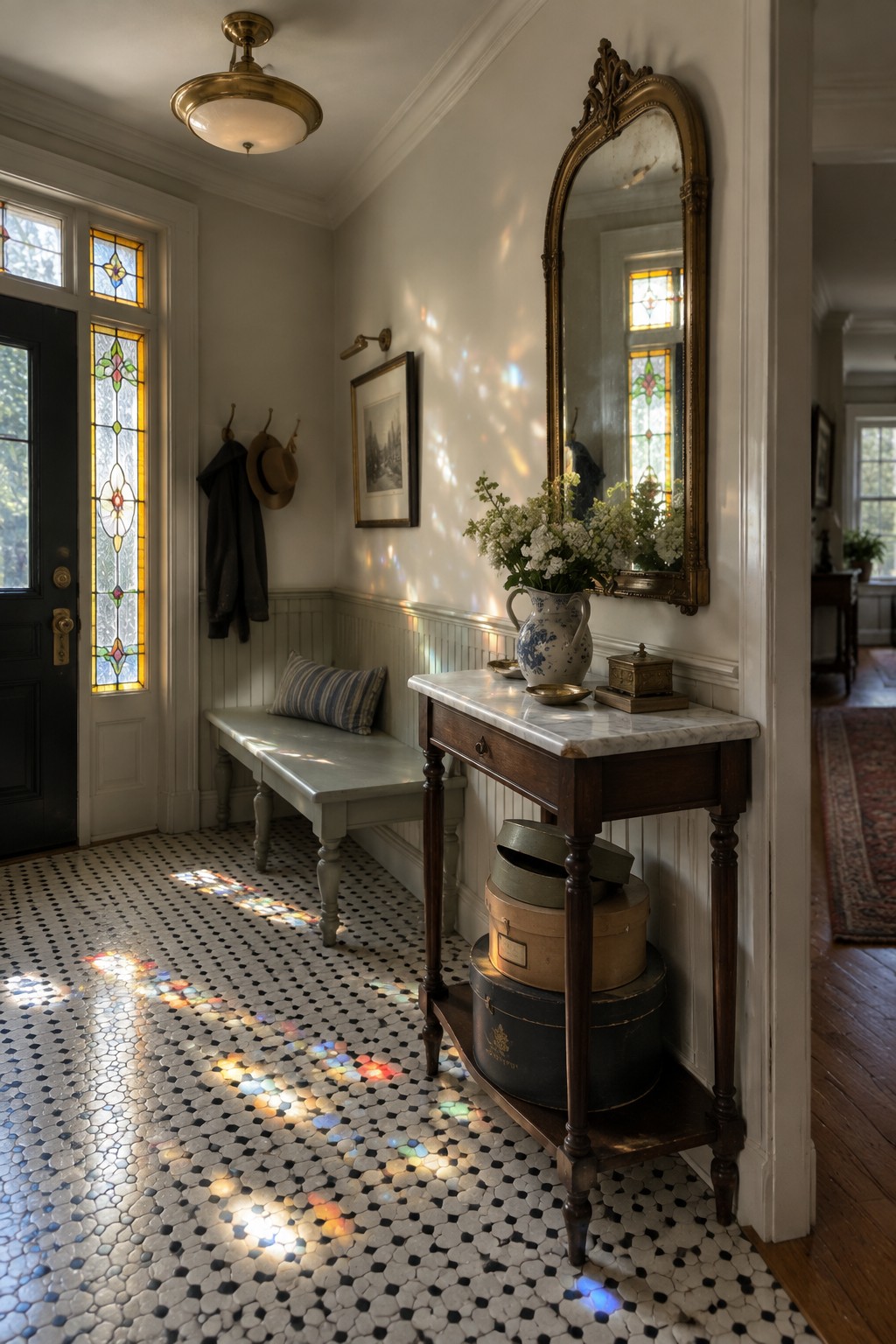
A brass ceiling fixture gives an entryway steady overhead light without crowding the floor space. It suits traditional homes because the warm metal tone pairs easily with wood trim, painted walls, and classic details like the stained glass door in this space.
Place one in a small or narrow entry where wall sconces might feel too close together. Keep the scale modest so the fixture does not overpower the door or nearby furniture. It works best in homes that already lean traditional rather than modern.
Brass Pendants Over Built-In Entry Benches

A brass pendant works well in an entry because it delivers light right where people need it without competing with wall hooks or shelves. The warm tone of the metal pairs naturally with wood and helps the whole space feel pulled together instead of just functional.
This setup suits older homes or new builds that lean traditional. Keep the shade simple and the scale modest so the light serves the bench and storage rather than becoming the main feature.
Brass Lanterns In Traditional Entryways

A brass lantern hanging from the ceiling gives an entryway a steady, warm light that feels natural in a classic home. It works well because the metal ages nicely over time and the glass keeps the glow even without feeling harsh.
This approach suits homes with decent ceiling height and a fairly open floor plan near the door. Place it so it clears the main walking path, and pair it with just one or two smaller lights elsewhere so the lantern remains the main source without competing.
Brass Pendants In Entryways

A brass pendant light works well in an entryway because it gives focused overhead light while adding a bit of warmth through the metal. The chain and fixture details tie in easily with other brass touches like door hardware or hooks, so the whole space feels pulled together without extra effort.
This approach suits traditional homes with higher ceilings and simple color schemes. Keep the shade simple and the scale modest so it lights the floor area without getting in the way of foot traffic.
Brass Chandeliers in Entryways

A brass chandelier can give an entryway that steady, traditional feel while still lighting the whole space well. It pairs nicely with built-in benches and hooks because the warm metal tone keeps the practical side from looking too plain.
This works best in homes that already have wood trim or painted paneling. Hang the fixture high enough to clear heads but low enough to feel centered over the bench, and keep other lights simple so the brass stands out without competing.
Brass Lanterns In Traditional Entryways

A brass lantern gives an entryway a steady, classic light that feels right at home in older or traditionally styled houses. It pairs well with painted built-ins and simple trim, where the metal finish stands out without needing much else to look complete.
This fixture works best in narrower hallways or small foyers where you want even light without taking up wall space. Hang it high enough to clear door swings and keep the shade clear so the bulb gives a gentle glow rather than harsh spots.
Brass Sconces Along a Traditional Hallway

Brass wall sconces give steady light along the length of a hallway without taking up floor space. When they are spaced evenly, they keep the path bright from one end to the other and work nicely with a single hanging lantern in the middle.
This approach fits older homes that have long, narrow entry halls. Match the brass finish on the sconces to the hanging fixture, and keep the shades simple so the light stays warm and even rather than harsh.
Brass Lighting For Traditional Entryways
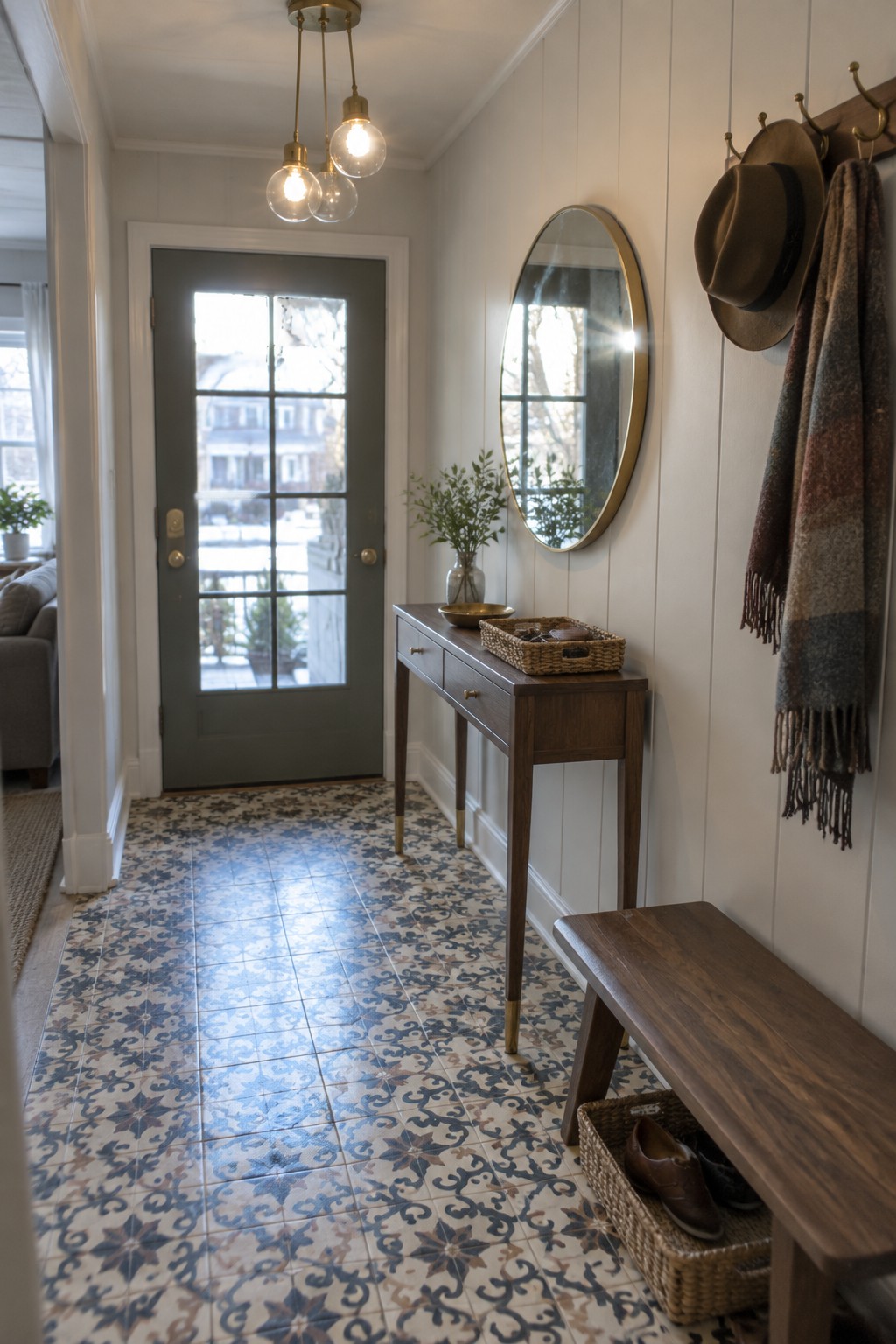
A brass fixture with several exposed bulbs works well in an entry because it spreads light evenly without taking up floor space. The warm tone pairs easily with wood furniture and simple wall colors, giving the space a settled look that does not feel overly styled.
This approach suits homes that already have classic trim or patterned floors. Hang the fixture high enough to clear door swings and keep the rest of the entry open for daily use. Avoid overcrowding the area with too many other shiny finishes.
Frequently Asked Questions
Q: How do I prevent brass from looking dull after a few months? A: Polish it lightly once a month with a brass cleaner made for fixtures. Dust builds up fast in entryways from all the foot traffic. That keeps the shine without much effort.
Q: Will a brass pendant light work if my front door opens inward? A: Hang it off to the side so the door swings freely. Measure the space first to avoid bumps. A wall mount often fits better in tight spots like this.
Q: Should the brass match my existing door hardware exactly? A: Close is fine if the tones are similar. Exact matches can feel too stiff in a traditional setup. Aim for the same warmth instead.
