

Have you ever wondered if you can use regular batteries in your solar lights? You’re not alone. Many people face this question, especially when their solar lights stop working and they need a quick fix. It’s frustrating to deal with dim lights when you just want to enjoy your outdoor space.
In this article, you’ll learn whether regular batteries can power your solar lights and what alternatives might work better. Understanding the right battery type can save you time and money while ensuring your lights shine bright. Let’s explore the options and help you make the best choice for your solar lighting needs.
Key Takeaways
- Solar lights require rechargeable batteries: Regular batteries like alkaline and non-rechargeable options are unsuitable for powering solar lights, which are designed to work with rechargeable batteries such as nickel-cadmium (NiCd) or lithium-ion (Li-ion).
- Using regular batteries can damage lights: Regular batteries do not hold up to repeated charging cycles, which can lead to inefficiency and potential damage to your solar lighting system.
- Rechargeable batteries offer efficiency and longevity: NiCd and Li-ion batteries effectively re-charge using solar energy, ensuring brighter and more reliable lighting during nighttime.
- Temporary use of regular batteries is possible: In emergencies, regular batteries may provide short-term power for solar lights, but it’s essential to revert back to rechargeable options for prolonged functionality.
- Regular maintenance is crucial: Cleaning solar panels, checking batteries, and ensuring optimal placement help extend the life and efficiency of your solar lighting system.
- Monitor performance for timely action: Keep track of your solar lights’ brightness and performance to make informed decisions on maintenance and replacements.
Overview of Solar Lights
Solar lights harness sunlight to illuminate spaces. They’re energy-efficient and environmentally friendly, making them a popular choice for outdoor lighting.
How Solar Lights Work
Solar lights utilize photovoltaic cells to convert sunlight into electricity. During the day, these cells absorb sunlight and generate power, which charges a built-in battery. At night, the stored energy powers the LED light, bringing brightness to your outdoor areas. The efficiency of this system depends on adequate sunlight exposure and quality batteries.
Components of Solar Lights
Solar lights consist of several key components:
- Solar Panel: Captures sunlight and converts it into energy.
- Battery: Stores the generated energy for nighttime use, typically rechargeable nickel-cadmium (NiCad) or lithium-ion batteries.
- LED Bulb: Provides the light source, known for its energy efficiency and long lifespan.
- Controller: Manages energy flow, turning the light on and off based on light levels.
Understanding these components helps you make informed decisions about maintenance and battery replacements for optimal performance.
Types of Batteries Used in Solar Lights
Understanding the types of batteries in solar lights helps you make informed decisions for replacements and upgrades. Two primary battery categories are common in solar lighting.
Recommended Products

【Reliable Performance】12 X Ni-MH AA 600mAh 1.2v Rechargeable Battery,Ideal for garden solar lights. (This product does not include a charger)

【High Capacity&Long Lasting】:1600mah high capacity AA rechargeable battery will lasting much longer time to ensure your outdoor lights always has enough power to light all night. Also can replace 600mAh, 800mAh, 1100mah, etc NiCd or Ni-MH AA cells AA battery. They won't lose the maximum capacity.

【 Rechargable and Money Saving 】 The rechargeable AAA battery can be constantly recharged 1200 times, saving you money on purchasing one-time use disposable alkaline batteries. Up to 5-year battery life for long-lasting power. Also less harmful to the environment than disposable batteries
Rechargeable Batteries
Rechargeable batteries are the preferred choice for solar lights due to their ability to store energy efficiently. Typically, solar lights use nickel-cadmium (NiCd) or lithium-ion (Li-ion) batteries.
- Nickel-Cadmium (NiCd): NiCd batteries are affordable and offer good performance, especially in cold climates. They recharge quickly but may suffer from a memory effect, which can reduce their capacity over time.
- Lithium-Ion (Li-ion): Li-ion batteries provide greater energy density and longer life cycles. They can handle more charge cycles and perform better under various temperatures. While they are more expensive, their durability makes them a worthwhile investment.
Both types recharge during the day using solar panels, ensuring lights remain functional at night.
Regular Batteries
Regular batteries such as alkaline or non-rechargeable options aren’t suitable for solar lights.
- Alkaline Batteries: These batteries lack the capacity to withstand repeated charging and discharging cycles. Using them can damage your solar lights and shorten their lifespan.
- Non-Rechargeable Batteries: This category includes single-use batteries designed for lower energy needs and do not recharge. They’re inefficient for solar applications, as they cannot store energy from solar panels effectively.
Using regular batteries may lead to frustration, inefficiency, and the need for more frequent replacements. Stick to rechargeable options for optimal performance and longevity.
Can You Use Regular Battery for Solar Light?
Using regular batteries in solar lights poses significant challenges. These lights are designed specifically for rechargeable batteries, like nickel-cadmium (NiCd) and lithium-ion (Li-ion). Regular batteries often fail to provide the necessary performance and longevity, leading to frustration when the lights stop working.
Recommended Products

Note: It’s rechargeable Ni-MH AA Battery, 1.2V battery, designed exclusively for use with 1.2V devices. For charging, please use the EBL AA NiMH charger. For safety during transportation, the batteries are not fully charged, pls kindy charge it before first use. 【Perfect Solar Batteries】 Exact size AA batteries designed for solar lights, outdoor garden lights, mouse, keyboards, TV remotes, toys, game controllers, digital camera, will fit all your device perfectly in daily life usage, high quality AA rechargeable batteries supply long lasting power, great convenience and good performance.
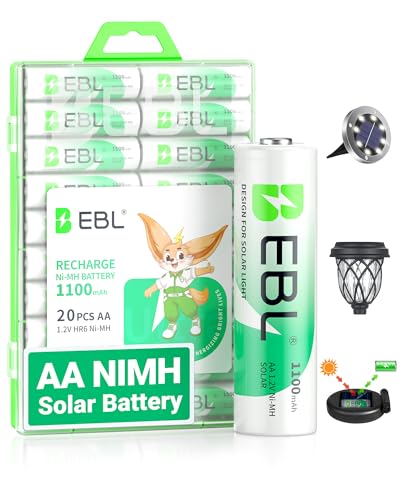
Great Quality AA Rechargeable Battery: EBL 20 packs aa rechargeable batteries—1100mAh 1.2V AA batteries with large capacity for outdoor solar lights garden lights string light lawn lights, TV remotes, wireless mouse and keyboards, gaming controllers, RC remotes, toys, flash lights, bringing great convenience in daily usage.

Ultra Long Life Span: Equipped with advanced technology, these 20 counts aaa solar batteries for outdoor solar lights can work up to 500 times deep charging & discharging cycles in outdoor solar lights, more longer life-span, saving money for you.
Pros and Cons
Pros:
- Availability: Regular batteries are easy to find and purchase at most stores.
- Convenience: You can quickly replace them without needing to recharge.
Cons:
- Inefficiency: Regular batteries don’t recharge, so you’ll replace them frequently.
- Damage Risk: Using them can damage the solar light over time due to the lack of proper charging cycles.
- Cost: Constantly replacing regular batteries can be more expensive compared to using rechargeable options.
Situations Where It May Work
Using regular batteries in solar lights might work in specific scenarios. If you’re in a pinch and your rechargeable batteries are unavailable, regular batteries can temporarily power the lights. This can be useful during emergencies, like power outages or gatherings where ambient light is necessary.
However, understand that this is not a long-term solution. Regular batteries will drain quickly and may not offer adequate performance. Always switch back to rechargeable batteries once possible for optimal functionality and durability.
Maintenance Tips for Solar Lights
Maintaining solar lights ensures they function efficiently and last longer. Regular care can prevent common issues and optimize their performance. Here are some essential maintenance tips:
Recommended Products

Solar PRO technology – Tenergy engineered solar AA batteries with technology addressing common solar light battery performance problems: leaking due to over-charging from long sunny summer days, dead batteries due to over-discharging from extended rainy or cloudy days. Tenergy is a Silicon Valley based company with over 15 years of experience in batteries.

Get long lasting power for your electric toy with this 10 pack of NiMh rechargeable batteries.

RELIABLE PERFORMANCE: 8-pack of AA rechargeable NiMH batteries (2,000 mAh)
Clean the Solar Panels Regularly
- Remove dirt, dust, and debris that can block sunlight.
- Use a soft cloth or sponge with mild soap and water for cleaning.
- Perform this maintenance every few months or after heavy storms.
Check the Batteries
- Inspect batteries at least once a year for corrosion.
- Replace damaged or worn batteries promptly with compatible rechargeable batteries, like NiCd or Li-ion.
- Avoid using regular batteries, as they can cause more damage over time.
Ensure Proper Placement
- Position solar lights in areas with maximum sunlight exposure.
- Adjust the angle of your solar panel if possible, especially in winter months when the sun is lower in the sky.
- Regularly trim nearby foliage to prevent shadows cast on solar lights.
Replace or Repair Bulbs
- Check LED bulbs for signs of dimming or flickering.
- Replace burnt-out bulbs promptly with the same type to maintain lighting quality.
- Dispose of old bulbs per local regulations to ensure safety and environmental considerations.
Inspect Wiring and Connections
- Examine wires and connections for any signs of wear or damage, especially after harsh weather.
- Secure any loose connections to prevent operational issues.
- If wiring appears damaged, consult a professional for repair or replacement.
Monitor Performance
- Note the brightness and duration of light after sunset.
- Track any declines in performance, as this could indicate a need for maintenance.
- Keep a record of battery replacements and other maintenance tasks for future reference.
- If you live in an area with freezing temperatures, consider removing solar lights for the winter.
- Store them in a dry place to protect the components from cold and moisture.
- Bring them back out in spring when temperatures rise for optimal functionality.
Following these tips helps ensure your solar lights operate at their best. Regular maintenance can extend the life of your solar lighting system and enhance your outdoor spaces.
Conclusion
Using regular batteries in your solar lights might seem like a quick fix but it’s not the best choice for long-term performance. While they can provide temporary power in a pinch they can also cause damage and lead to inefficiency over time.
Opting for rechargeable batteries like nickel-cadmium or lithium-ion will save you time and money in the long run. Plus they’re designed to work seamlessly with your solar lights ensuring they shine brightly when you need them most.
By following the maintenance tips provided you can keep your solar lights functioning optimally and enjoy your outdoor spaces without the hassle of frequent replacements. Stick with the right batteries and your solar lights will reward you with reliable illumination for years to come.
Frequently Asked Questions
Can I use regular batteries in solar lights?
No, regular batteries like alkaline are not suitable for solar lights. Solar lights are designed to work with rechargeable batteries, which can handle repeated charging cycles. Using regular batteries can damage the solar lights over time.
What type of batteries do solar lights use?
Solar lights typically use rechargeable nickel-cadmium (NiCd) or lithium-ion (Li-ion) batteries. NiCd batteries are affordable and recharge quickly, while Li-ion batteries offer longer life and better energy density, making them a more durable option.
Why are rechargeable batteries recommended for solar lights?
Rechargeable batteries are designed for repeated charging and discharging cycles, which are essential for solar lighting systems. They ensure optimal performance, longevity, and efficiency, while regular batteries can lead to inefficiency and costly replacements.
How can I maintain my solar lights?
To maintain your solar lights, clean the solar panels regularly, check batteries for corrosion, ensure proper sunlight exposure, replace or repair bulbs as needed, inspect wiring and connections, and monitor overall performance.
What should I do if my solar lights aren’t working?
First, check the battery and clean the solar panels. If the batteries are dead or corroded, replace them with suitable rechargeable batteries. Ensure the lights are positioned for maximum sunlight exposure, and inspect for any physical damage.
