

Have you ever wondered if you need batteries for your solar panels? You’re not alone. Many people consider solar energy as a way to cut down on electricity bills and reduce their carbon footprint, but the question of whether to invest in batteries can be confusing.
Imagine enjoying the benefits of solar power during the day but struggling with energy outages or high utility costs at night. This article will help you understand the role of batteries in solar systems and whether they’re a smart addition for your needs. By the end, you’ll have a clearer picture of how batteries can enhance your solar experience and potentially save you money.
Key Takeaways
- Understanding Solar Systems: Solar panel systems can be grid-tied, off-grid, or hybrid, each with different requirements for batteries and energy management.
- Role of Batteries: Batteries allow for energy storage, providing power during non-sunny hours and acting as a backup during outages, making them essential for off-grid and hybrid systems.
- Types of Batteries: Common battery types for solar systems include lead-acid, lithium-ion, nickel-cadmium, and flow batteries, each with unique benefits regarding cost, maintenance, and lifespan.
- Pros and Cons: While batteries offer reliable energy supply and potential cost savings, they come with high initial costs, maintenance requirements, and limited storage capabilities.
- Alternatives to Batteries: Grid-tied systems and net metering options can be effective alternatives, enabling users to leverage the grid for backup power and offset costs without investing in battery storage.
- Informed Decision-Making: Evaluating your energy needs and financial goals is crucial in determining whether to incorporate batteries into your solar panel system.
Understanding Solar Panel Systems
Solar panel systems convert sunlight into electricity, providing valuable energy for your home or business. Knowing the different types of systems and their components helps you make informed choices about solar energy.
Types of Solar Panel Systems
- Grid-Tied Systems: These systems connect directly to the electricity grid. They provide power during the day and allow you to draw from the grid during the night. You don’t need batteries, but you lose power during outages.
- Off-Grid Systems: These systems operate independently of the grid. They require batteries to store energy for use when sunlight isn’t available. Off-grid setups suit remote locations with limited access to electricity.
- Hybrid Systems: Hybrid systems combine grid-tied and off-grid features. They include batteries, allowing for energy storage while also connecting to the grid. This option offers flexibility during outages and cost savings.
- Solar Panels: These panels capture sunlight and convert it into direct current (DC) electricity. They come in various types, including monocrystalline, polycrystalline, and thin-film panels. Each type has unique efficiency and price points.
- Inverters: Inverters convert DC electricity from solar panels into alternating current (AC) electricity for home use. They’re essential for most appliances and devices. String inverters and microinverters are common options.
- Batteries: Batteries store excess energy for later use. They’re crucial for off-grid and hybrid systems, allowing you to use solar power during non-sunny hours. Popular battery types include lithium-ion and lead-acid batteries.
- Charge Controllers: These devices manage the power going in and out of batteries. Their main role is to prevent overcharging and ensure your batteries operate efficiently.
- Mounting Systems: Mounting systems secure your solar panels to rooftops or the ground. Options include fixed mounts and trackers that adjust positioning for maximum sunlight exposure.
Familiarizing yourself with these components allows you to evaluate if batteries fit your solar panel system and energy needs.
The Role of Batteries in Solar Energy
Batteries play a vital role in solar energy systems, especially for those looking to maximize energy use and savings. Depending on your needs, batteries can enhance the efficiency and reliability of your solar setup.
Recommended Products
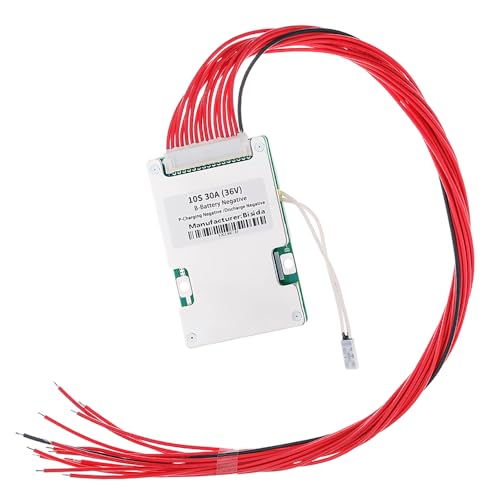
MULTIPLE PROTECTION Bisida's BMS has a variety of protection functions, such as over charge protection, over discharge protection, over current protection, short-circuit protection, temperature protection, isconnect protection, Voltage balance(passive balance), etc.
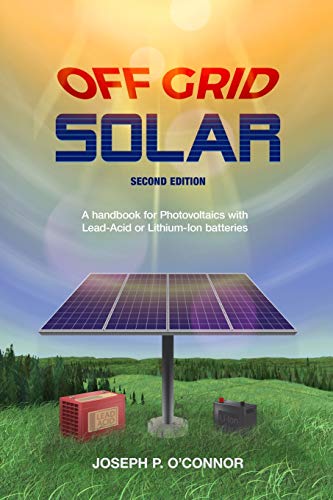

MULTIPLE PROTECTION Bisida's BMS has a variety of protection functions, such as over charge protection, over discharge protection, over current protection, short-circuit protection, temperature protection, isconnect protection, Voltage balance(passive balance), etc.
Why Use Batteries?
Batteries store energy generated by your solar panels for later use. They allow you to utilize solar power during evenings or cloudy days, ensuring a consistent energy supply. For instance, if your solar panels produce excess energy during the day, batteries capture this surplus, so you can use it later, cutting down on your electricity costs. Additionally, batteries offer backup power during grid outages, providing peace of mind.
Types of Batteries for Solar Panels
Understanding battery types is crucial for making an informed decision. Here are the main types:
- Lead-Acid Batteries
- Cost-effective and widely used.
- Require regular maintenance and have a shorter lifespan.
- Lithium-Ion Batteries
- Higher efficiency and longer lifespan than lead-acid.
- Require less maintenance and are lighter in weight.
- Nickel-Cadmium Batteries
- Durable and operate well in extreme temperatures.
- More expensive and contain toxic materials.
- Flow Batteries
- Ideal for large-scale applications due to their scalability.
- Longer lifespan and lower capacity fade over time.
Choosing the right battery depends on factors like budget, maintenance preference, and intended use. Each type offers distinct benefits that cater to different needs.
Pros and Cons of Using Batteries
Using batteries with solar panels can enhance your energy independence. However, assessing the benefits and drawbacks is important before making a decision.
Advantages of Battery Storage
- Reliable Energy Supply: Batteries store surplus energy from your solar panels. You can access this energy during nights or cloudy days, ensuring a consistent power source.
- Backup Power: In the event of a power outage, batteries provide backup power. This feature keeps essential appliances running and maintains comfort in your home.
- Energy Cost Savings: By storing energy generated during the day, you avoid high electricity rates during peak hours at night. This approach can lead to significant savings on your utility bills.
- Off-Grid Capability: For off-grid systems, batteries are essential. They allow complete independence from the electricity grid, making self-sufficiency possible in remote locations.
- Environmentally Friendly: Using batteries stores renewable energy. This practice reduces reliance on fossil fuels and contributes to a lower carbon footprint.
- High Initial Costs: The upfront cost of batteries can be significant. You must account for the purchase, installation, and ongoing maintenance expenses, which may strain your budget.
- Limited Lifespan: Batteries degrade over time and require replacement. Most batteries last between 5 to 15 years depending on usage, leading to additional costs over time.
- Maintenance Requirements: Some battery types, like lead-acid, require regular maintenance. This maintenance can be time-consuming and complex, requiring periodic checks and possible fluid refills.
- Energy Storage Limitations: Batteries have limits on the amount of energy stored. You might encounter issues during prolonged cloudy periods or high energy demand.
- Efficiency Loss: Energy stored in batteries can experience efficiency losses. The conversion process from solar energy to battery storage and back can lead to a loss of about 10% to 20% of the stored energy.
Understanding the pros and cons helps you evaluate if battery storage aligns with your energy needs and financial goals.
Alternatives to Battery Storage
When considering alternatives to battery storage for your solar panels, several effective options exist. These solutions can maximize your solar energy use without the complexities of battery systems.
Grid-Tied Systems
Grid-tied systems connect directly to the electricity grid. These systems don’t require batteries since they utilize the grid for backup energy. During the day, your solar panels generate power, and any excess energy flows back into the grid. In return, you receive credits or compensation from your utility company. This arrangement reduces your electricity bills without the high upfront costs associated with batteries. Grid-tied systems work best in areas where grid access is reliable, providing a seamless energy experience.
Net Metering Options
Net metering options enable you to benefit from the surplus energy produced by your solar panels. With net metering, utility companies measure the difference between the energy you consume and the energy you generate. If your system generates more electricity than you use, the utility credits your account for the excess energy. These credits offset future energy consumption, especially during nights or cloudy days when solar generation decreases. Understanding your local net metering policies can maximize your savings while eliminating the need for storage batteries.
Conclusion
Deciding whether you need batteries for your solar panels really comes down to your specific energy needs and lifestyle. If you want a reliable backup during outages or plan to go off-grid batteries could be a smart investment. On the other hand if you’re primarily using solar energy during the day and have a grid-tied system you might find that batteries aren’t necessary.
Take some time to weigh the pros and cons and consider your budget. Whether you choose to include batteries or not there are plenty of ways to maximize your solar energy use and enjoy the benefits of renewable energy. You’re on the right path to making an informed decision that suits your home and energy goals.
Frequently Asked Questions
Do I need batteries for my solar panels?
You don’t necessarily need batteries for solar panels. If you have a grid-tied system, your solar panels can feed excess energy back into the grid, eliminating the need for batteries. However, batteries are essential for off-grid systems or if you want backup power during outages.
What are the types of solar panel systems?
There are three main types of solar panel systems: grid-tied, off-grid, and hybrid. Grid-tied systems connect to the electricity grid and don’t use batteries. Off-grid systems require batteries for storage, while hybrid systems combine both grid connectivity and battery storage.
What types of batteries are used with solar panels?
The most common batteries for solar panel systems are lead-acid, lithium-ion, nickel-cadmium, and flow batteries. Each type has unique benefits and drawbacks, like cost and maintenance needs, which can affect your choosing based on your specific requirements.
What are the benefits of using batteries with solar panels?
Batteries improve your solar energy experience by storing excess energy generated during the day for use at night or during outages. They offer a reliable energy supply, potential cost savings, and enable off-grid living while enhancing your energy independence.
What are the downsides of using batteries for solar energy?
While batteries provide benefits, they come with downsides, such as high initial costs, limited lifespan, maintenance needs, lower efficiency, and energy storage limitations. These factors can impact whether investing in battery storage aligns with your financial and energy goals.
Are there alternatives to batteries for solar energy systems?
Yes, alternatives to batteries include grid-tied systems and net metering. Grid-tied systems allow you to use the grid for backup energy, while net metering lets utility companies credit you for excess solar energy produced, effectively reducing your future energy bills.
How do batteries help during power outages?
Batteries provide stored energy during power outages, allowing you to maintain power for essential appliances and devices. This backup capability offers peace of mind, especially in areas prone to frequent power interruptions, ensuring you stay connected and powered.
