

Have you ever found yourself wondering if you can just grab a regular battery for your solar light when it stops working? You’re not alone! Many people face this dilemma, especially when those solar lights seem to lose their charge faster than expected.
Understanding the compatibility of batteries with solar lights can save you time and money. In this article, you’ll learn whether regular batteries can do the job or if you need to stick with solar-specific options. By the end, you’ll feel confident about keeping your outdoor lighting bright and efficient.
Key Takeaways
- Battery Compatibility is Crucial: Only use rechargeable batteries designed for solar lights to ensure optimal performance and avoid damage.
- Types of Suitable Batteries: The best options for solar lights include Nickel Metal Hydride (NiMH), Nickel Cadmium (NiCd), and Lithium-Ion batteries.
- Regular Batteries Are Not Suitable: Using regular alkaline batteries can lead to wasted energy, potential damage, and voided warranties.
- Refer to Manufacturer Recommendations: Always check the user manual for specific battery type recommendations to maintain your solar lights’ efficiency and lifespan.
- Consider Rechargeable Alternatives: Explore options like solar battery packs or hybrid systems that combine solar and traditional charging for enhanced performance.
- Monitor Battery Performance: Keep track of battery performance over time to ensure longevity and address any issues promptly.
Understanding Solar Lights
Solar lights operate using photovoltaic cells that convert sunlight into electricity. This electricity charges a rechargeable battery, which powers the light at night. Knowing how they work helps in addressing the question of battery compatibility.
Types of Batteries Used in Solar Lights
- Nickel Metal Hydride (NiMH) Batteries: Commonly used due to their efficiency and longevity. They perform well in various temperatures and have a longer lifespan.
- Nickel Cadmium (NiCd) Batteries: Older and less efficient than NiMH, but more affordable. They handle extreme temperatures well.
- Lithium-Ion Batteries: Increasingly popular for solar lights. They offer high energy density and longer lifespan, but come at a higher cost.
Can You Use Regular Batteries?
You can’t use regular alkaline batteries in solar lights. Regular batteries lack the ability to recharge, leading to wasted energy and potential damage to the solar unit. Using incompatible batteries can also void warranties or create performance issues.
Why Battery Compatibility Matters
Battery compatibility impacts solar light efficiency and lifespan. Using the correct type ensures optimal performance and allows for quick recharging during the day. Furthermore, a suitable battery extends overall lifespan, saving money on replacements.
- Check the Specifications: Always refer to the solar light’s manual for the recommended battery type.
- Consider Brand Compatibility: Stick to well-known brands for replacement batteries. They often meet manufacturer standards.
- Test Battery Performance: If uncertain, test different compatible batteries to determine which offers the best performance in your specific solar lights.
Understanding how solar lights function and the importance of battery compatibility allows for better maintenance and efficiency of your outdoor lighting.
Battery Types Used in Solar Lights
Understanding the types of batteries used in solar lights is essential for effective maintenance. Solar lights typically use either regular batteries or rechargeable batteries, each serving different purposes.
Recommended Products

Solar PRO technology – Tenergy engineered solar AA batteries with technology addressing common solar light battery performance problems: leaking due to over-charging from long sunny summer days, dead batteries due to over-discharging from extended rainy or cloudy days. Tenergy is a Silicon Valley based company with over 15 years of experience in batteries.
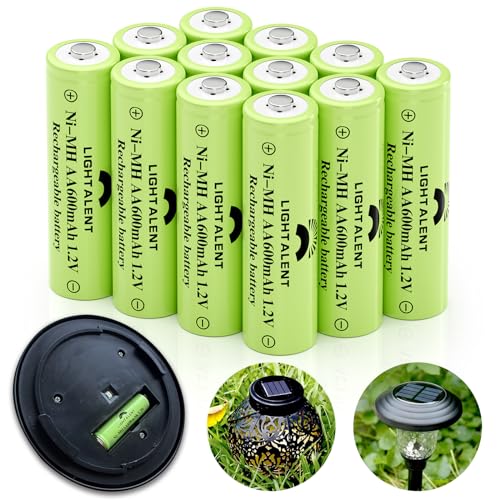
【Strong Performance】1.2-volt 600mAh AA Ni-MH rechargeable batteries,Package included: 12 x solar battery 1.2v ni-mh aa 600mAh

【Reliable Performance】12 X Ni-MH AA 600mAh 1.2v Rechargeable Battery,Ideal for garden solar lights. (This product does not include a charger)
Regular Batteries
Regular batteries, such as alkaline varieties, cannot recharge. These batteries provide a quick power source but won’t support the solar lighting system. Since solar lights operate on a charge-and-discharge cycle, using regular batteries leads to wasted energy. Additionally, they can cause damage to the solar unit over time. Avoid using regular batteries in solar lights to ensure efficient operation and longevity.
Rechargeable Batteries
Rechargeable batteries are designed specifically for solar light systems. The most common types include:
- Nickel Metal Hydride (NiMH): Offers a better capacity than NiCd batteries and is more environmentally friendly. It performs well in varying temperatures and retains charge longer.
- Nickel Cadmium (NiCd): Typically more affordable but less efficient. They have a shorter lifespan and can suffer from memory effects if not fully discharged before recharging.
- Lithium-Ion: Known for high energy density and lightweight. These batteries have longer lifespans and maintain charge more efficiently, making them ideal for solar lights.
Using rechargeable batteries allows your solar lights to function correctly, maximizing their performance by allowing for daily recharging from solar energy. Always check the manufacturer’s manual to confirm compatibility before replacing your solar light’s battery.
Can You Put a Regular Battery in a Solar Light?
Using regular batteries in solar lights isn’t advisable. Solar lights rely on rechargeable batteries specifically designed for solar energy systems. These batteries—like Nickel Metal Hydride (NiMH), Nickel Cadmium (NiCd), and Lithium-Ion—work efficiently with the solar charging mechanism.
Pros and Cons
Pros of Using Regular Batteries:
- Immediate Power: Regular batteries provide instant power, but they’re not suitable for solar systems.
Cons of Using Regular Batteries:
- No Recharge Capability: Regular batteries can’t recharge, leading to wasted energy and frequent replacements.
- Potential Damage: Using non-rechargeable batteries can harm your solar light over time, reducing its lifespan and efficiency.
Manufacturer Recommendations
Manufacturers typically recommend specific battery types for solar lights. Always check the user manual for your solar light model. Adhering to these guidelines ensures optimal performance. Many brands will suggest using NiMH batteries due to their efficiency and durability. If you’re uncertain, testing compatible rechargeable batteries can help you find the best fit for your solar light system.
Alternatives to Regular Batteries
If you’re looking for alternatives to regular batteries for your solar lights, several compatible options exist. Exploring these choices helps maximize the efficiency and lifespan of your outdoor lighting system.
Recommended Products

NiMH AAA 600mAh 1.2V rechargeable batteries,Height 1.69inch,Diameter 0.39inch,Package included:8 x solar aaa 600mah ni-mh 1.2v batteries

High Capacity-1.2V the Ni-CD AA rechargeable battery is designed was built with a 300mWh capacity rating that translates to long-lasting performance while making the most of its single charge.
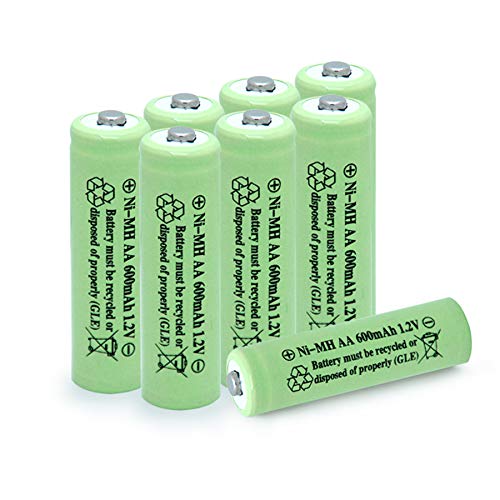
1.2-volt 600mAh AA Ni-MH rechargeable batteries
Rechargeable Batteries
Rechargeable batteries are designed for solar lights. They recharge during the day from sunlight and power your lights at night. The following types are commonly used:
- Nickel Metal Hydride (NiMH): These batteries offer high energy capacity and resist memory effect. They recharge quickly and work well in varying temperatures.
- Nickel Cadmium (NiCd): NiCd batteries provide reliable performance but may suffer from memory effect, affecting capacity over time. They’re more tolerant of extreme temperatures.
- Lithium-Ion: These batteries boast a high energy density and long lifespan. They typically charge faster and may require less frequent replacements.
Solar Battery Packs
Solar battery packs are available as bundled products that include both solar panels and batteries. These packs ensure optimal compatibility and performance, allowing for easy use. When considering these packs, look for:
- Integrated charging systems that work seamlessly with your solar lights.
- Durable designs to withstand outdoor environments.
Hybrid Solutions
Hybrid solutions combine solar technology with traditional charging methods. Some products allow you to charge batteries via AC power, offering versatility in energy sources. When opting for hybrid solutions, consider:
- Ease of switching between power sources, especially during extended cloudy periods.
- Compatibility with existing solar light systems to ensure a smooth transition.
Sizing and Specifications
When picking an alternative battery, check the voltage and size specifications of your solar lights. Sizing affects how well the battery fits and its ability to safely power the light. Always consult your solar light’s manual or manufacturer for exact requirements.
Important Considerations
When selecting an alternative battery, consider these aspects:
- Cost-Effectiveness: Rechargeable options may have a higher upfront cost but provide long-term savings.
- Environmental Impact: Rechargeable batteries reduce waste and energy consumption, aligning with eco-friendly practices.
- Performance Tracking: Monitor battery performance over time to identify any issues early and address them promptly.
Choosing appropriate alternatives enhances your solar lighting system’s efficiency and longevity.
Conclusion
Using regular batteries in your solar lights isn’t a good idea. They just don’t recharge and can lead to wasted energy and possible damage. Sticking with rechargeable batteries like NiMH or Lithium-Ion is the way to go for keeping your lights shining bright.
Always check your solar light’s manual for the right battery type to ensure everything runs smoothly. By investing in the right batteries and following manufacturer guidelines, you’ll save time and money while enjoying reliable outdoor lighting. So go ahead and make those smart choices for your solar lighting system. Your lights will thank you!
Frequently Asked Questions
Can I use regular batteries in solar lights?
No, regular batteries cannot be used in solar lights. They do not recharge, which leads to wasted energy and potential damage. Solar lights require rechargeable batteries designed for their systems.
What types of batteries are best for solar lights?
The best batteries for solar lights are Nickel Metal Hydride (NiMH), Nickel Cadmium (NiCd), and Lithium-Ion. These rechargeable options are designed for solar lighting and offer optimal performance and lifespan.
Why can’t I use alkaline batteries in solar lights?
Alkaline batteries are not suitable for solar lights because they cannot recharge. This results in energy loss and can harm the solar unit over time.
How do I know what battery to use for my solar lights?
Check your solar light’s manual for the recommended battery type. It’s crucial to use compatible rechargeable batteries for efficient operation and long-lasting performance.
What are the benefits of using NiMH batteries in solar lights?
NiMH batteries offer better efficiency and longer lifespan compared to other types. They charge quickly from solar energy and have a lower environmental impact than other rechargeable batteries.
Are there alternatives to regular batteries for solar lights?
Yes, alternatives include rechargeable batteries like NiMH, NiCd, and Lithium-Ion, as well as solar battery packs that come with solar panels. These options enhance efficiency and lifespan for solar lighting systems.
How can I maximize the lifespan of my solar light batteries?
To maximize battery lifespan, always use compatible rechargeable batteries, maintain them according to the manufacturer’s instructions, and ensure optimal charging conditions with sufficient sunlight exposure.
