

Ever wondered if you can charge a car battery while it’s still connected? Picture this: you’re running late, and your car won’t start. The clock is ticking, and you need a quick fix. That’s where the question arises – can you charge the battery while it’s hooked up? In this article, we’ve got the answers you need.
Imagine the convenience of boosting your car’s battery without the hassle of disconnecting it. No more fumbling with wires or losing precious time. By the end of this read, you’ll have a clear understanding of whether it’s safe and practical to charge your car battery while it’s still connected. Stay tuned to learn how to save time and effort when dealing with a dead battery.
Importance of Car Batteries
Car batteries are crucial for the proper functioning of your vehicle. They provide the initial power to start the engine and supply the necessary electricity for your car’s electronic components to function.
A well-maintained battery ensures reliable performance. Regularly checking and charging your car battery can prevent unexpected breakdowns and save you time and money in the long run.
In extreme weather conditions, a healthy battery is even more vital. Cold weather can reduce a battery’s capacity, while hot weather can cause water loss and lead to battery failure.
Proper care of your car battery can extend its lifespan. Simple maintenance tasks like cleaning the terminals, checking the fluid levels, and ensuring a secure connection can help prolong the battery’s life.
Remember, a dead battery can be a major inconvenience. Being proactive in maintaining your car battery can prevent unnecessary hassles and keep your vehicle running smoothly.
| Key Points | Data/Statistics |
|---|---|
| Importance of car batteries | Prevents breakdowns, saves time and money |
| Maintenance tips | Regular checks, cleaning terminals, fluid levels |
| Extending battery lifespan | Proper care, secure connections |
Understanding the Charging Process
When it comes to car batteries, understanding the charging process is crucial to ensure proper maintenance. Charging a car battery while still connected to the vehicle is a common practice, but it’s important to follow some guidelines to do it safely and effectively. Here’s what you need to consider:
- Charging Voltage: Make sure the voltage of the charger matches the voltage of your car battery. Using the wrong charger can damage the battery.
- Safety Precautions: Before starting the charging process, turn off the engine and any electronics in the car to prevent any mishaps.
- Connection Order: When connecting the charger, always attach the positive (red) clamp to the positive terminal and the negative (black) clamp to a solid, unpainted metal surface on the vehicle.
- Charging Time: Avoid overcharging the battery. Monitor the charging process and disconnect the charger once the battery is fully charged.
By understanding these key points, you can confidently charge your car battery while it’s still connected, ensuring optimal performance and longevity.
Recommended Products
![[Updated Version] 3.2FT Battery Clip-on Crocodile Clamps to SAE Connector, 14AWG Solar Charger Extension Cable/Power Supply Aux Adapter/Red & Black Connecting Alligator Clips Charging Wire](https://m.media-amazon.com/images/I/41y3Sz3C9eL._SL500_.jpg)
UPDATED: NO REVERSE. Red: Positive / Black: Negative

12v USB charger multi port adapter supports input DC voltage 8V-30V, suitable for 12V-24V car battery/lead acid battery/lithium ion battery.

MEET THE GENIUS1 — Similar to our G750, just better. It's 35% smaller and delivers over 35% more power. It's the all-in-one charging solution - battery charger, battery maintainer, trickle charger, plus desulfator.
Risks of Charging a Connected Battery
Charging a car battery while it’s connected poses potential risks that you should be aware of. Here’s what you need to consider:
- Short Circuits: Charging a connected battery can lead to short circuits.
- Electrolyte Boiling: Overcharging can cause the battery’s electrolyte to boil, leading to damage.
- Hydrogen Gas Build-Up: Charging a connected battery can result in hydrogen gas build-up, posing a safety hazard.
- Electrical Hazards: There is a risk of electrical hazards if not done properly.
To avoid these risks, it’s essential to follow safety precautions and disconnect the battery before charging it.
Recommended Products
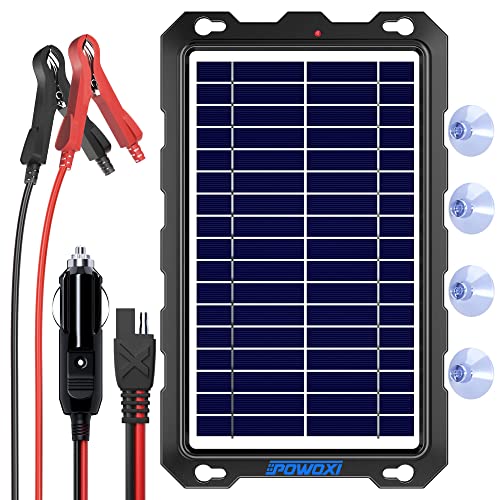
Upgrade Intelligent Charge Controller: Built-in internal protection system and smart fast charging Cooperate with Quality solar silicon material ensures high conversion and stable output the solar panel's energy conversion efficiency to 25-30%
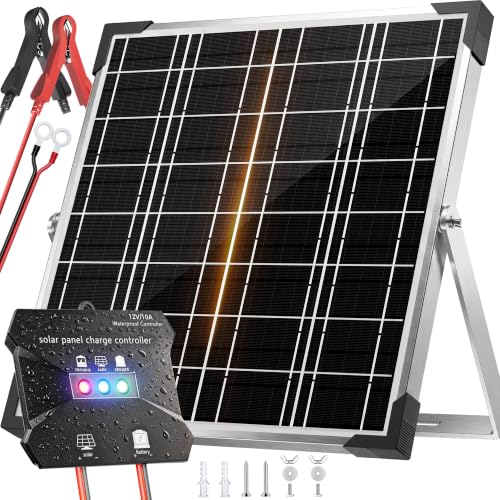
High-Efficiency MPPT Solar Charger - Advanced tracking technology delivers 20-30% faster charging for 12V batteries. A+ monocrystalline panels maximize power conversion. Perfect 20W solar trickle charger for cars, RVs, boats, and trailers. More sun captured, less time waiting.

Tenergy 2 pack 7.3x3x2.4 inches lipo bags for charging and storing LiPO batteries and battery packs.
Safe Alternatives for Charging
When it comes to charging a car battery, safety should always be your top priority. Here are some safe alternatives for charging your car battery while it’s still connected:
- Battery Isolator: Consider installing a battery isolator to prevent the engine’s alternator from sending power to the battery while charging. This helps avoid potential overcharging risks.
- Trickle Charger: Opt for a trickle charger as a safer alternative. It provides a slow, steady charge to your battery without the risk of overcharging or overheating.
- Jump Starter Pack: Use a portable jump starter pack to give your battery a boost. These packs are designed to deliver the right amount of power without the need for connecting the battery to another vehicle.
- Disconnect Battery: To err on the side of caution, always disconnect the battery from the vehicle before charging it. This simple step can eliminate the risk of electrical hazards and ensure a safe charging process.
Remember, prioritizing safety and following these alternatives can help you avoid potential risks and keep your car battery in top condition.
Conclusion
Keep your car battery in peak condition by prioritizing safety during charging. Utilize a battery isolator, trickle charger, or jump starter pack for efficient charging without disconnecting. Eliminate electrical hazards by always disconnecting the battery before charging. By following these tips, you can maintain your car battery safely and effectively.
Frequently Asked Questions
1. Why is car battery maintenance important?
Regular maintenance ensures your car starts reliably, prevents unexpected breakdowns, and prolongs the battery’s lifespan.
2. What are safe alternatives for charging a connected battery?
Use a battery isolator to prevent overcharging, opt for a trickle charger for a steady charge, or use a jump starter pack for a power boost without connecting to another vehicle.
3. Why is it advised to disconnect the battery before charging?
Disconnecting the battery eliminates electrical hazards, prevents potential damage to the vehicle’s electrical system, and ensures a safe charging process.
4. How can following these alternatives help in maintaining the car battery?
Prioritizing safety and utilizing these alternatives can help you avoid risks, ensure proper maintenance, and keep your car battery in top condition.
