

Have you ever wondered why battery weight matters? Whether you’re looking for a new electric vehicle or just curious about tech advancements, battery weight can impact performance and efficiency.
Imagine zipping around in a lighter, more efficient car that lasts longer on a single charge. Solid state batteries are generating buzz for their potential to be lighter and more powerful than traditional lithium-ion batteries. In this article, you’ll explore whether solid state batteries truly live up to the hype. Get ready to discover how they could shape the future of energy storage and what that means for you.
Key Takeaways
- Weight Advantage: Solid state batteries are typically up to 30% lighter than traditional lithium-ion batteries, improving overall efficiency and vehicle performance.
- Enhanced Energy Density: They offer 20-50% higher energy density, allowing for longer ranges in electric vehicles, potentially exceeding 500 miles on a single charge.
- Safety Improvements: Solid state batteries have a reduced risk of leaks and fires due to their solid electrolytes, making them a safer alternative to conventional batteries.
- Longer Lifespan: These batteries promise a longer operational life, resulting in fewer replacements and lower long-term costs.
- Future Potential: Ongoing advancements in technology and production methods could lead to reduced costs and broader applications in various sectors beyond electric vehicles, including renewable energy and medical devices.
- Collaborative Innovation: Industry and academic collaborations are essential for overcoming current manufacturing challenges, accelerating the adoption of solid state battery technology.
Overview of Solid State Batteries
Solid state batteries utilize a solid electrolyte instead of the liquid or gel electrolytes found in traditional lithium-ion batteries. This change enhances safety and increases efficiency. You’ll notice that solid state batteries offer several advantages, particularly in weight, energy density, and overall performance.
Key Characteristics
- Weight Reduction: Solid state batteries are generally lighter than their lithium-ion counterparts. The use of solid materials eliminates the need for heavy casings associated with liquid electrolytes.
- Higher Energy Density: You benefit from higher energy density, which means more energy can be stored in a smaller and lighter battery. This characteristic is crucial for applications in electric vehicles and portable electronics.
- Longer Lifespan: You can expect longer lifespans, reducing the need for frequent replacements. Their stable chemistry leads to less wear and tear over time.
Comparisons to Lithium-Ion Batteries
- Safety: Solid state batteries present fewer risks of leaks and fires compared to conventional batteries.
- Temperature Range: They perform well across a broader temperature range, making them suitable for various environments.
- Cost: While manufacturing solid state batteries is currently more expensive, advancements in technology promise lower production costs in the future.
Current Applications
You can find solid state batteries gaining traction in electric vehicles, consumer electronics, and renewable energy storage. Companies like Toyota and QuantumScape are actively developing prototypes, showcasing the technology’s promise.
Future Outlook
As research continues, you might see solid state batteries becoming more common. Regulatory supports and advances in material science could lead to faster adoption. This transition might significantly alter how you think about battery technology in everyday devices.
Comparison with Traditional Batteries
Solid state batteries differ significantly from traditional batteries in weight and performance. Understanding these distinctions helps clarify why solid state technology garners much attention.
Recommended Products

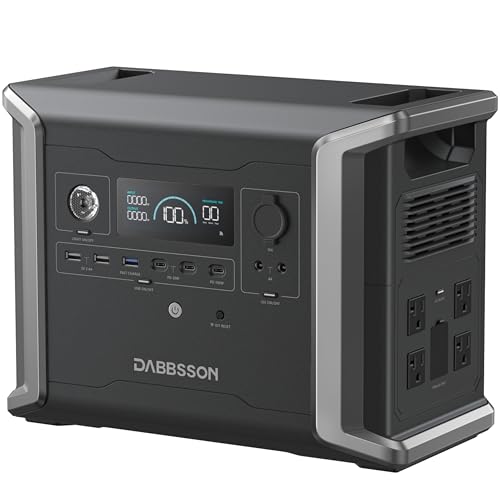
[Super Fast Charging] Enjoy the convenience of different charging methods: AC charging, solar charging, AC+solar charging, or car charging. 0-80% in just 44 mins with AC input. Also you can fully charge the product with AC+PV total 1400W Max input in 96 mins.
Weight Differences
Solid state batteries typically weigh less than traditional lithium-ion batteries due to their different construction. While lithium-ion batteries contain heavy liquid electrolytes, solid state batteries use a solid electrolyte, which reduces overall weight. For example, a solid state battery might weigh up to 30% less than its lithium-ion counterpart. This weight reduction improves efficiency and range in electric vehicles, enhancing performance without sacrificing energy.
Energy Density
Energy density measures how much energy a battery can store relative to its weight. Solid state batteries boast a higher energy density compared to traditional batteries, often providing 20-50% more energy per unit of weight. This means vehicles equipped with solid state batteries can travel farther on a single charge. For instance, a solid state battery could enable an electric vehicle to achieve a range of over 500 miles, minimizing the frequency of charging stops and enhancing user convenience. This increased energy capacity positions solid state batteries as a compelling option for the future of electric mobility.
Advantages of Solid State Batteries
Solid state batteries offer numerous benefits, making them a promising alternative to traditional batteries. Their lighter weight and enhanced performance characteristics position them as a key player in future energy storage solutions.
Reduced Weight Advantages
Solid state batteries typically weigh up to 30% less than conventional lithium-ion batteries. This significant weight reduction results from the use of solid electrolytes instead of liquid or gel ones. For electric vehicles (EVs), this reduction enhances overall efficiency and improves range. A lighter battery not only reduces the vehicle’s weight but also improves handling and acceleration. For instance, a lighter battery in an EV may extend driving range significantly, providing up to 500 miles on a single charge.
Performance Benefits
Solid state batteries excel in energy density, delivering 20-50% more energy per unit of weight compared to traditional batteries. This increased energy density allows electric vehicles to achieve longer ranges without increasing battery size. Additionally, solid state batteries maintain performance across a broader temperature range, enhancing reliability in various environmental conditions. Companies like Toyota and QuantumScape are developing these batteries for consumer electronics and renewable energy storage applications, showcasing their potential in real-world scenarios.
Challenges and Limitations
Solid state batteries, despite their advantages, face various challenges and limitations that might impact their widespread adoption.
Recommended Products


【Meet daily needs】We have 10 different sizes of battery cable connectors, can meet your various size requirements in different usage scenarios.

Features: Built with SANYO solid capacitors, 36μ thick PCB, high-Q inductors, and an LED output indicator for enhanced performance and reliability.
Manufacturing Constraints
Manufacturing solid state batteries presents technical hurdles. Difficulty arises in producing solid electrolytes consistently. Material properties can vary, leading to inefficiency. Scaling production remains a challenge, as existing facilities focus on lithium-ion technology. Achieving uniformity in size and performance is crucial for reliable battery production. Additionally, integration into current supply chains may require significant adjustments.
Cost Factors
Cost plays a critical role in the adoption of solid state batteries. Initial development and manufacturing expenses are typically higher than those for traditional batteries. Specialty materials used for solid electrolytes often come with increased pricing. These factors contribute to the overall cost of solid state battery systems, impacting their market competitiveness. Reducing costs through improved production processes or economies of scale is essential for making solid state batteries a viable option for mass-market applications.
Future of Solid State Battery Technology
Solid state batteries are set to revolutionize the energy landscape. They promise a range of advancements that could reshape how you use technology, especially in electric vehicles and portable devices.
Improved Efficiency
Solid state batteries outperform traditional lithium-ion batteries in efficiency. They typically provide up to 50% more energy per unit of weight. For example, if a lithium-ion battery gives you 200 miles of range, a solid state battery could push that to 300 miles or more. This extra range has significant implications for daily commuting and long-distance travel.
Safety Enhancements
Safety plays a crucial role in battery technology. Solid state batteries reduce flammability risks due to their solid electrolytes. Unlike liquid electrolytes, which can leak and ignite, solid state configurations are inherently more stable. This stability makes them a safer choice for both consumers and manufacturers.
Cost Reduction Possibilities
While current production costs are higher for solid state batteries, ongoing research is likely to bring costs down. Companies focus on scaling production and refining materials. As your demand for energy-efficient batteries grows, manufacturers will aim to offer more cost-effective solutions. These improvements could facilitate wider adoption in consumer electronics and electric vehicles.
Application Expansion
Future applications of solid state batteries extend beyond electric vehicles. They hold potential in renewable energy storage, medical devices, and aerospace. For example, integrating solid state technology in renewable energy systems allows for enhanced storage capacities and more reliable power supply. As technology advances, you may see solid state batteries in various sectors, driving innovation.
Collaborative Efforts
Industries and academia are collaborating to overcome current challenges. Research institutions and manufacturers share knowledge and expertise to solve production hurdles. By working together, stakeholders can advance solid state technologies at a faster pace. This synergy enhances the possibility of widespread adoption.
Timeline for Adoption
Estimates suggest that solid state batteries may reach mass-market availability within the next 5 to 10 years. As manufacturing capabilities improve and costs decrease, you’ll likely see these batteries integrated into mainstream products. Keeping an eye on industry developments can help you stay informed about when these advancements become accessible.
Conclusion
Solid state batteries are paving the way for a lighter and more efficient future in energy storage. Their reduced weight not only enhances the performance of electric vehicles but also opens up new possibilities for various applications. As research continues and production processes improve, you can expect these batteries to become more accessible and affordable.
Staying informed about these advancements will help you understand how solid state technology could impact your life in the coming years. Embracing this change could lead to exciting developments in the way we power our devices and vehicles, making your everyday experiences even better.
Frequently Asked Questions
What are solid state batteries?
Solid state batteries utilize a solid electrolyte instead of the liquid or gel electrolytes used in traditional lithium-ion batteries. This design offers advantages such as improved safety, higher energy density, and enhanced efficiency, making them suitable for electric vehicles and other applications.
How do solid state batteries compare to lithium-ion batteries?
Solid state batteries generally outperform lithium-ion batteries in safety, energy density, and weight. They can weigh up to 30% less and provide 20-50% more energy per unit of weight, allowing electric vehicles to achieve greater ranges.
What are the advantages of solid state batteries?
Key advantages include reduced weight, increased energy density, longer lifespan, and improved safety. These factors significantly enhance the efficiency, handling, and acceleration of electric vehicles, making solid state batteries a promising choice for future energy storage.
What challenges do solid state batteries face?
Solid state batteries encounter challenges such as manufacturing constraints and higher initial costs. Technical hurdles in producing consistent solid electrolytes can hinder uniformity in size and performance, affecting their competitive edge compared to traditional batteries.
What is the future of solid state battery technology?
The future is promising, with the potential for solid state batteries to revolutionize electric vehicles and portable devices. Ongoing research may lead to cost reductions and improved manufacturing processes, with mass-market availability expected within the next 5 to 10 years.
Who is leading the development of solid state batteries?
Companies like Toyota and QuantumScape are at the forefront of developing solid state batteries. They are focusing on applications in consumer electronics, renewable energy storage, and electric vehicles, showcasing the potential and versatility of this technology.
