

Have you ever wondered how to harness the power of the sun to keep your devices running? Connecting a solar panel to a battery can be a game-changer, especially if you want to save on electricity bills or enjoy off-grid living. It’s a straightforward process that can seem daunting at first, but it doesn’t have to be.
Key Takeaways
- Understanding Components: Familiarize yourself with the key components of solar panel systems, including solar panels, batteries, charge controllers, and inverters, to effectively harness solar energy.
- Battery Selection: Choose between lead-acid and lithium-ion batteries based on your budget and energy needs, considering factors like cost, efficiency, and maintenance requirements.
- Preparation is Key: Gather all necessary tools and materials before starting the connection process to ensure efficiency and prevent delays.
- Follow Safety Protocols: Prioritize safety by wearing protective gear, ensuring proper ventilation, and adhering to manufacturer instructions when working with solar panels and batteries.
- Connection Steps: Carefully follow step-by-step instructions to connect your solar panel to the battery accurately, paying close attention to the wiring and terminals.
- Troubleshooting Tips: Be prepared to troubleshoot common issues like low voltage output or battery charging problems by regularly checking system components and maintaining proper setup.
Overview of Solar Panel Systems
Solar panel systems convert sunlight into electricity, primarily for powering homes, businesses, and devices. They consist of various components that work together to maximize energy capture.
Key Components
- Solar Panels: Collect sunlight and convert it into direct current (DC) electricity.
- Inverter: Converts DC electricity into alternating current (AC) electricity for household use.
- Battery Storage: Stores excess energy for later use, ensuring power availability during cloudy days or nighttime.
- Charge Controller: Regulates the voltage and current coming from the solar panels to prevent battery overcharging.
- Wiring: Connects all components for energy transfer and system functionality.
System Types
- Grid-Tied Systems: Connect to the main power grid. They draw electricity when solar generation is low and feed excess energy back into the grid.
- Off-Grid Systems: Function independently from the power grid. They rely entirely on solar energy and battery storage.
- Hybrid Systems: Combine grid-tied and off-grid features. They offer flexibility in energy sourcing and storage.
Benefits of Solar Panel Systems
- Cost Savings: Reduce energy bills by generating free electricity.
- Energy Independence: Decrease reliance on utility companies, particularly in off-grid setups.
- Environmental Impact: Lower carbon footprint by using renewable energy sources.
- Assess Sunlight Exposure: Check your location for optimal sunlight. Aim for at least 4-6 hours of direct sunlight daily.
- Choose Quality Equipment: Invest in high-efficiency solar panels and reliable batteries. Research brands and warranties.
- Plan Your Configuration: Determine your energy needs. Calculate the size of the solar panel array and battery capacity required.
By understanding the components and configuration of solar panel systems, you’ll feel more empowered to set up your solar energy solution effectively.
Types of Batteries for Solar Energy
Selecting the right battery type is crucial for your solar energy system. Two popular options are lead-acid batteries and lithium-ion batteries. Each has distinct characteristics that affect performance, longevity, and cost.
Recommended Products
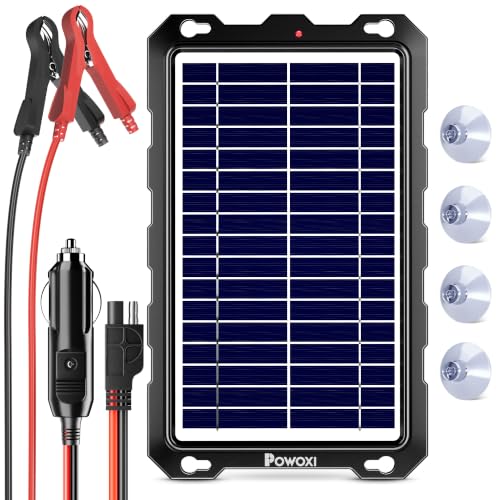
Upgrade Intelligent Charge Controller: Built-in internal protection system and smart fast charging Cooperate with Quality solar silicon material ensures high conversion and stable output the solar panel's energy conversion efficiency to 25-30%
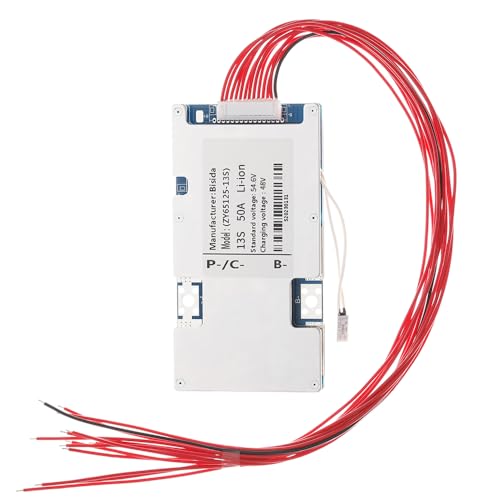
MULTIPLE PROTECTION Bisida's BMS has a variety of protection functions, such as over charge protection, over discharge protection, over current protection, short-circuit protection, temperature protection, isconnect protection, Voltage balance(passive balance), etc.
Lead-Acid Batteries
Lead-acid batteries are a well-established choice for solar energy systems. They’re available in flooded and sealed varieties. Flooded lead-acid batteries require maintenance, while sealed types, like AGM (Absorbed Glass Mat) or gel batteries, do not.
- Cost-Effective: Generally, lead-acid batteries cost less upfront compared to lithium-ion options.
- Durability: They withstand harsh conditions, making them suitable for various environments.
- Cycle Life: Expect around 500 to 1,200 cycles depending on how you maintain and use them.
Flooded lead-acid batteries can provide reliable power over the long term if you monitor their water levels regularly. For sealed types, just ensure the battery is properly ventilated.
Lithium-Ion Batteries
Lithium-ion batteries are increasingly popular for solar energy systems due to their advanced technology. They’re more expensive upfront but offer significant advantages.
- Efficiency: Lithium-ion batteries charge and discharge more efficiently than lead-acid types, maximizing your solar collection.
- Cycle Life: Generally, these batteries provide 2,000 to 5,000 cycles, significantly extending their usable life.
- Compact Size: Their design allows for lighter and more space-efficient installations.
With a lithium-ion battery, you can enjoy consistent performance over time, but maintain awareness of their specific charging requirements to ensure longevity.
Choosing between lead-acid and lithium-ion batteries depends on your budget, energy needs, and maintenance preferences. Assess these factors to determine which battery type suits your solar energy system best.
Preparing for Connection
Before you connect your solar panel to the battery, gathering the necessary tools and materials ensures a smooth installation process. Proper preparation makes everything easier and more efficient.
Required Tools and Materials
- Solar Panel: Choose a solar panel that meets your power needs.
- Battery: Select a compatible battery type—lead-acid or lithium-ion.
- Charge Controller: This component regulates the voltage and current between the solar panel and the battery.
- Wiring: Use appropriate gauge wiring for efficient power transfer.
- Connectors: Ensure you have MC4 connectors or suitable connectors for your setup.
- Multimeter: A multimeter helps measure voltage and current for troubleshooting.
- Tools: Gather wire cutters, crimpers, and a screwdriver for making connections.
Having these items on hand simplifies the connection process and prevents delays.
Safety Precautions
Safety is vital when working with solar panels and batteries. Follow these precautions:
- Wear Protective Gear: Use safety glasses and gloves to protect yourself from sharp wires and potential electric shock.
- Work in a Safe Environment: Ensure your workspace is dry and free from hazards.
- Disconnect Power: Turn off all power sources before making connections to avoid any risk of electrical shock.
- Proper Ventilation: If working with batteries, provide adequate ventilation to prevent gas buildup.
- Follow Manufacturer Instructions: Adhere to the specific guidelines for your solar panel and battery equipment to avoid damage and ensure safety.
Taking these safety measures protects you and enhances the overall efficiency of your solar energy system.
Steps to Connect Solar Panel to Battery
Connecting a solar panel to a battery involves a few key steps. Following these steps ensures a smooth and effective installation.
Recommended Products

✔️【Waterproof Solar Charge Controller】IP67 waterproof, suitable for outdoor use. Automatically identify voltage, 12V Max power: 150W, 24V Max power: 300W. The maximum current is 10A. Compatible with various 12V/24V deep-cycle batteries, such as AGM, GEL, Flooded. Adopting brand MCU chips to realize fast intelligent control and ultra-low standby power consumption.

[100% Waterproof] The solar charge controller is built to last in any weather. It has a waterproof seal that keeps it safe from rain, snow, and dust. It’s perfect for outdoor use.

12V Battery Compatibility + 20A PWM Charging: Designed specifically for 12V solar systems, this 20A PWM solar charge controller is compatible with LiFePO4, AGM and Gel batteries and supports solar panels up to 300W. The upgraded 20A design provides stable current management for everyday RV, marine, camping and off-grid solar applications. Not compatible with 24V/36V battery systems
Wiring the Solar Panel
- Gather Your Materials: Ensure you have your solar panel, charge controller, and wiring ready.
- Identify Connections: Locate the positive and negative terminals on your solar panel. Typically, these are marked with a “+” for positive and a “-” for negative.
- Connect Wires: Attach the positive wire from the solar panel to the positive terminal of the charge controller. Then, connect the negative wire to the negative terminal.
- Secure Connections: Ensure all connections are tight and secure, minimizing the risk of loose wires that could cause inefficiency or hazards.
- Test the Panel: Use a multimeter to check the voltage output from the solar panel. This step confirms that the panel is functioning correctly before connecting it to the battery.
- Prepare the Battery: Make sure your battery is rated for solar use, such as a deep cycle battery. Check the specifications to ensure compatibility.
- Locate Battery Terminals: Identify the positive and negative terminals on the battery. They will also be labeled with “+” and “-“.
- Connect Charge Controller to Battery: First, connect the positive wire from the charge controller to the battery’s positive terminal. Next, connect the negative wire from the charge controller to the battery’s negative terminal.
- Double-Check Connections: Confirm all connections are tight and correctly placed. Incorrect wiring can lead to performance issues or damage.
- Monitor Charge Levels: After connections are secure, monitor the battery’s charge levels through the charge controller. This ensures that the solar panel is effectively charging the battery.
By following these steps, you can efficiently connect your solar panel to your battery and begin harnessing solar energy for your needs.
Troubleshooting Common Issues
Low Voltage Output
If your solar panel produces low voltage, check the following:
- Solar panel alignment: Ensure the solar panel receives direct sunlight. Adjust its angle if necessary.
- Wiring connections: Inspect all connections for secure attachments. Loose or damaged wires can disrupt voltage flow.
- Shading: Remove any objects or debris casting shadows on the panel, as this can significantly reduce performance.
Battery Not Charging
If your battery isn’t charging, evaluate these factors:
- Charge controller: Confirm the charge controller is functioning correctly. Look for indicator lights or error messages.
- Battery connections: Check for proper connections. Tighten any loose terminals to ensure a solid connection.
- Battery compatibility: Verify that the battery type is appropriate for your solar system. Mismatched components can hinder performance.
Excessive Heat
If your charge controller or battery becomes excessively hot, address these issues:
- Ventilation: Ensure there’s adequate airflow around the system components. Poor ventilation can lead to overheating.
- Overcharging: Monitor the charge levels to prevent overcharging, which can damage the battery. Adjust settings on the charge controller if necessary.
- Component ratings: Confirm that all components are rated for the environment where they’re installed. Using components unsuitable for high temperatures can lead to failures.
Flickering Lights
If the lights connected to your system flicker, consider these solutions:
- Power fluctuations: Check if your solar system is experiencing voltage fluctuations. Use a multimeter to measure the output.
- Inverter quality: Ensure your inverter is functioning correctly. A faulty inverter can cause inconsistencies in power delivery.
- Load balance: Evaluate the load your system supports. Overloading the system can lead to flickering due to insufficient power.
Inconsistent Performance
For inconsistent system performance, investigate the following aspects:
- Seasonal changes: Understand that solar panel performance can vary with seasons. Keep track of seasonal shading patterns and sunlight availability.
- Maintenance: Regularly clean your solar panels to remove dirt and debris. This can enhance efficiency and output.
- System design: Assess if the current setup meets your energy demands. Upgrading components may be necessary for improved performance.
Each issue has clear steps to diagnose and resolve. Regular maintenance and monitoring can greatly enhance your solar energy system’s efficiency.
Conclusion
Connecting a solar panel to a battery opens up a world of energy independence and savings. You’ve learned how to navigate the process with confidence and the right tools. Remember to choose quality components and prioritize safety to ensure a successful setup.
As you embark on this journey, keep an eye on your system’s performance and address any issues promptly. With a little patience and care, you’ll enjoy the benefits of renewable energy while contributing to a greener planet. So go ahead and harness the power of the sun—it’s a rewarding endeavor that can transform your energy experience.
Frequently Asked Questions
What are the benefits of using solar panels with a battery?
Using solar panels with a battery can reduce electricity bills, enable off-grid living, and provide energy independence. This setup allows you to store excess energy generated during the day for use at night or during cloudy days, maximizing efficiency and minimizing reliance on the grid.
What are the main components of a solar panel system?
A solar panel system typically consists of solar panels, inverters, battery storage, charge controllers, and wiring. These components work together to convert sunlight into electricity and store it for later use, making your energy supply more sustainable and reliable.
What types of battery are best for solar energy systems?
The best batteries for solar energy systems are lead-acid and lithium-ion. Lead-acid batteries are cost-effective and durable, while lithium-ion batteries offer higher efficiency, longer life, and a compact design. The choice depends on your budget and energy needs.
How do I prepare before installing a solar panel system?
Before installing a solar panel system, gather required tools and materials such as solar panels, batteries, charge controllers, wiring, and connectors. Ensure safety by wearing protective gear, disconnecting power sources, and following manufacturer instructions.
What steps are involved in connecting a solar panel to a battery?
To connect a solar panel to a battery, first gather materials and identify connections. Securely wire the solar panel and prepare the battery. Connect the charge controller to the battery, double-check all connections, and monitor charge levels for optimal performance.
How can I troubleshoot issues with my solar energy system?
Common troubleshooting issues include low voltage output, battery charging problems, and flickering lights. Diagnostic steps include checking connections, monitoring battery levels, and ensuring proper ventilation. Regular maintenance is essential for efficient system performance.
