

Have you ever wondered if you can use regular batteries in your solar lights? You’re not alone. Many people find themselves in a pinch when their solar lights stop working and they need a quick fix. It’s frustrating to realize that the batteries you have on hand might not be the right solution.
This article will help you understand whether regular batteries can power your solar lights effectively. You’ll learn about the differences between battery types and what works best for your outdoor lighting. By the end, you’ll have the knowledge to make informed choices and keep your solar lights shining bright.
Key Takeaways
- Regular batteries are not recommended for use in solar lights due to compatibility issues such as voltage mismatch and physical size discrepancies.
- Solar lights typically require rechargeable batteries like Nickel-Cadmium (NiCad), Nickel-Metal Hydride (NiMH), or Lithium-ion for optimal performance and longevity.
- NiMH and Lithium-ion batteries are preferred choices for solar lights because of their efficiency, capacity for deep discharge, and longer lifespan compared to regular batteries.
- Regular alkaline batteries may save money initially but lead to decreased performance, a shorter lifespan, and increased environmental impact.
- Best practices for maintaining solar lights include keeping solar panels clean, storing batteries properly, and regularly monitoring battery performance for timely replacements.
Understanding Solar Lights
Solar lights rely on sunlight to function effectively, using solar panels to convert sunlight into electricity. This electricity charges batteries, which power the lights during the night. Understanding how solar lights operate clarifies the importance of using the right batteries for optimal performance.
How Solar Lights Work
Solar lights consist of several key components: solar panels, batteries, LED bulbs, and a light sensor. Solar panels capture sunlight during the day, converting it into electrical energy. This energy charges the batteries, allowing them to store the power for nighttime use. The light sensor detects the darkness and signals the system to turn on the LEDs, illuminating your outdoor space efficiently.
Types of Batteries Used in Solar Lights
Solar lights commonly use rechargeable batteries like Nickel-Cadmium (NiCad), Nickel-Metal Hydride (NiMH), and Lithium-ion batteries. Each type has its advantages:
- Nickel-Cadmium (NiCad): These batteries are durable and resistant to extreme temperatures. They can deliver reliable performance but may suffer from memory effect, which can reduce their capacity over time.
- Nickel-Metal Hydride (NiMH): NiMH batteries offer higher capacity and efficiency than NiCad. They have less memory effect and are more eco-friendly, making them popular in modern solar lights.
- Lithium-ion: These batteries are lightweight and provide excellent energy storage. They charge quickly and last longer than other types. However, they tend to be more expensive and require specific charging conditions.
Using the appropriate batteries ensures your solar lights operate optimally, providing consistent brightness after sundown.
Regular Batteries vs. Solar Batteries
Understanding the differences between regular batteries and solar batteries is key to maintaining your solar lights effectively. Regular batteries might not perform optimally in solar lighting systems due to specific design features.
Recommended Products

Note: It’s rechargeable Ni-MH AA Battery, 1.2V battery, designed exclusively for use with 1.2V devices. For charging, please use the EBL AA NiMH charger. For safety during transportation, the batteries are not fully charged, pls kindy charge it before first use. 【Perfect Solar Batteries】 Exact size AA batteries designed for solar lights, outdoor garden lights, mouse, keyboards, TV remotes, toys, game controllers, digital camera, will fit all your device perfectly in daily life usage, high quality AA rechargeable batteries supply long lasting power, great convenience and good performance.

【High Capacity&Long Lasting】:1600mah high capacity AA rechargeable battery will lasting much longer time to ensure your outdoor lights always has enough power to light all night. Also can replace 600mAh, 800mAh, 1100mah, etc NiCd or Ni-MH AA cells AA battery. They won't lose the maximum capacity.

【Reliable Performance】12 X Ni-MH AA 600mAh 1.2v Rechargeable Battery,Ideal for garden solar lights. (This product does not include a charger)
Key Differences
- Chemistry Type: Regular batteries, like alkaline batteries, use a different chemical composition than solar batteries, which primarily include Nickel-Cadmium (NiCad), Nickel-Metal Hydride (NiMH), or Lithium-ion batteries. Solar batteries are designed for deeper discharge cycles.
- Charge Cycles: Solar batteries can handle multiple charge cycles over time. Regular batteries, however, often do not support extensive recharging, which leads to quicker degradation.
- Discharge Rate: Solar batteries have a lower self-discharge rate, making them suitable for storing energy from solar panels. Regular batteries may lose charge faster when not in use.
Compatibility Issues
Using regular batteries in solar lights presents several compatibility challenges:
- Voltage Mismatch: Solar lights are calibrated for specific voltages that solar batteries provide. Regular batteries can cause underperformance or damage if their voltage is inappropriate.
- Physical Size: Regular batteries may differ in size and shape compared to the designated solar batteries. This discrepancy can lead to improper fit within the solar light casing.
- Performance and Longevity: Regular batteries may not sustain consistent energy output for the duration of the night, reducing your solar light’s effectiveness. Solar batteries are designed to supply steady power, ensuring longer illumination times.
Choosing the right battery type is essential for optimal performance and longevity of your solar lighting system.
Pros and Cons of Using Regular Batteries in Solar Lights
You might consider using regular batteries in solar lights for convenience, but it’s important to weigh the pros and cons before making this choice.
Recommended Products
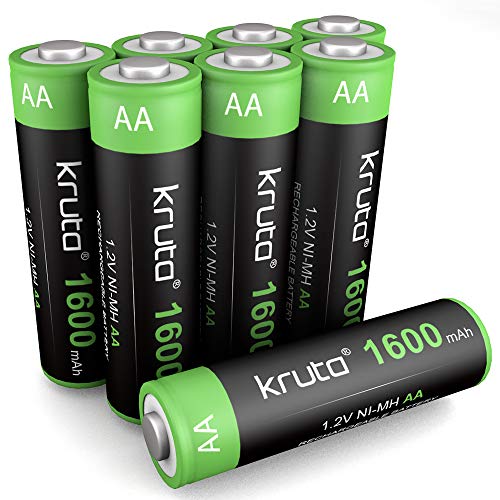
【High Capacity&Long Lasting】:1600mah high capacity AA rechargeable battery will lasting much longer time to ensure your outdoor lights always has enough power to light all night. Also can replace 600mAh, 800mAh, 1100mah, etc NiCd or Ni-MH AA cells AA battery.

[Home 12-Pack] A balanced 12 pack for common household solar light needs, suitable for replacing batteries across garden lights, pathway lights, patio lights, deck lights, fence lights, or string lights around the home.
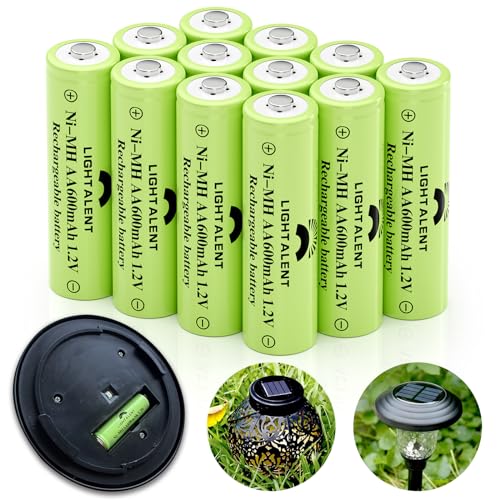
【Strong Performance】1.2-volt 600mAh AA Ni-MH rechargeable batteries,Package included: 12 x solar battery 1.2v ni-mh aa 600mAh
Benefits of Using Regular Batteries
- Availability: Regular batteries are commonly found in stores. You can easily purchase them when needed.
- Cost: Regular batteries tend to be less expensive upfront. This option might save money initially when replacing batteries.
- Simplicity: Using the same batteries across various devices simplifies management. You can use them in other gadgets, too.
- Compatibility Issues: Regular batteries may not fit properly in solar light fixtures. Mismatched sizes can cause operational failures.
- Performance: Regular batteries charge differently and may not sustain long-lasting power. Solar lights require batteries designed for deep discharge cycles.
- Short Lifespan: Regular batteries often wear out more quickly when used in solar lights. Frequent replacements can increase overall costs.
- Environmental Impact: Regular batteries, particularly alkaline ones, can be more harmful to the environment. Dispose of them properly to minimize negative effects.
Considering these factors helps you make an informed decision about the best battery type for your solar lights.
Best Practices for Using Batteries in Solar Lights
Selecting the right batteries and caring for them properly enhances the performance of your solar lights. Here are some best practices to follow.
Recommended Products

1.Attention: 2/3AAA 600mAh Rechargeable Battery,2/3AAA Battery size is 0.39 x 1.18 inch (10 x 30mm), Not Standard aaa size batteries, Please Check Your Solar Lights First

RELIABLE PERFORMANCE: 8-pack of AA rechargeable NiMH batteries (2,000 mAh)

【 30% Precharged for Ready Use 】 For transportation safety purposes, these batteries are only precharged with 30% power, so charge them before use for longer working. In addition, recharging the battery every 3 months can make its lifespan longer
Recommendations for Battery Type
- Choose NiMH Batteries: Nickel-Metal Hydride (NiMH) batteries offer better performance for solar lights compared to regular batteries. They handle deep discharge cycles well and have a higher capacity for storing energy.
- Consider Lithium-ion Batteries: Lithium-ion batteries provide longer lifespans and more efficient energy storage. They charge quickly and retain their charge for longer periods, making them ideal for solar applications.
- Avoid Regular Alkaline Batteries: Regular alkaline batteries are not designed for recharging and may not provide adequate power for solar lights. Using them can lead to decreased performance and potential damage.
- Maintain Clean Solar Panels: Regularly clean the solar panels to remove dirt and debris. This increases the panel’s efficiency in absorbing sunlight.
- Store Batteries Properly: If not in use, store batteries in a cool, dry place to prevent deterioration.
- Charge Fully Before Use: Allow batteries to charge fully before using your solar lights. This ensures maximum performance.
- Rotate Batteries: If using multiple batteries, rotate them during installation. This promotes even wear and extends overall lifespan.
- Monitor Battery Performance: Keep an eye on how long the lights stay on after sunset. A noticeable decrease in lighting duration may signal the need for battery replacement.
By following these best practices, you can ensure your solar lights operate efficiently and last longer.
Conclusion
Using regular batteries in solar lights might seem like a quick fix but could lead to more problems down the road. While they’re easy to find and often cheaper upfront, they just don’t match the performance and longevity of solar-specific batteries.
Choosing the right battery type is crucial for keeping your solar lights shining bright. By opting for NiMH or Lithium-ion batteries you’ll enjoy better efficiency and a longer lifespan.
With a little care and the right batteries your solar lights can provide reliable illumination for years to come. So make the switch and watch your outdoor spaces light up beautifully!
Frequently Asked Questions
Can I use regular batteries in solar lights?
Using regular batteries in solar lights is not recommended. They are designed differently and may not provide optimal performance or compatibility, possibly leading to underperformance or damage to the lights.
What types of batteries are best for solar lights?
The best batteries for solar lights are Nickel-Metal Hydride (NiMH) and Lithium-ion. These types are specifically designed for solar applications, supporting deeper discharge cycles and providing longer-lasting energy.
What are the disadvantages of using regular batteries in solar lights?
Regular batteries can cause compatibility issues, subpar performance, shorter lifespan, and potential environmental impacts. They may not handle the specific charge and discharge cycles needed for efficient solar operation.
How can I improve the performance of my solar lights?
To enhance performance, use NiMH or Lithium-ion batteries, keep solar panels clean, store batteries properly, ensure they are fully charged, rotate them during installation, and regularly monitor battery performance.
Why are solar batteries preferred over regular batteries?
Solar batteries are preferred because they are designed to handle the specific requirements of solar lighting systems, including optimal charge cycles, discharge rates, and longevity. Regular batteries do not meet these needs effectively.
