

Are you considering going solar but unsure which battery to choose? With so many options on the market, picking the right battery for your solar system can feel overwhelming. You want something that fits your energy needs and budget while ensuring reliability and efficiency.
This article breaks down the top battery choices for solar systems, helping you make an informed decision. Whether you’re looking to store energy for nighttime use or want to maximize your savings, you’ll find valuable insights to guide you. Let’s explore the best batteries that can power your solar journey effectively.
Key Takeaways
- Battery Types Overview: Different battery types such as lead-acid, lithium-ion, nickel-cadmium, and flow batteries each have unique features and advantages suitable for varying energy needs.
- Lead-Acid Batteries: Cost-effective and durable, lead-acid batteries last 3 to 5 years but require regular maintenance and have a heavier installation requirement.
- Lithium-Ion Batteries: These batteries offer long lifespans of 10 to 15 years, superior efficiency, and space-saving designs, making them a popular, though initially pricier, choice for homeowners.
- Flow Batteries: Known for scalability and safety, flow batteries can last over 20 years, making them better suited for large-scale energy storage needs.
- Factors to Consider: Evaluate your daily energy consumption, budget constraints, installation space, and battery compatibility with your solar system to choose the best battery type for your needs.
Overview of Solar System Batteries
Choosing the right battery for a solar system requires understanding different battery types. Each type offers unique features and benefits. Here’s a breakdown of the most common battery options.
Lead-Acid Batteries
- Cost-Effective: Lead-acid batteries are affordable and widely available. They serve as a good choice for budget-conscious users.
- Durability: With proper maintenance, these batteries can last between 3 to 5 years.
- Weight: They tend to be heavier than other options, which may affect installation.
Lithium-Ion Batteries
- Long Lifespan: Lithium-ion batteries typically last 10 to 15 years. This longevity makes them a popular choice among homeowners.
- Efficiency: They charge faster and discharge more efficiently, providing more usable energy from your solar system.
- Space-Saving: Their smaller size allows for flexible installation options.
Nickel-Cadmium Batteries
- Resilience: Nickel-cadmium batteries perform well in extreme temperatures. They exhibit reliability in various climates.
- Lifespan: These batteries can last up to 20 years with minimal maintenance.
- Cost: Generally, they are more expensive than lead-acid options.
Flow Batteries
- Scalability: Flow batteries offer scalability, which means you can increase capacity as your energy needs grow.
- Longevity: They can last over 20 years, making them suitable for long-term energy storage.
- Safety: These batteries minimize fire risk, making them a safer choice for residential areas.
- Evaluate Energy Needs: Calculate your daily energy consumption to determine the required capacity.
- Consider Budget: Factor in upfront and replacement costs when choosing a battery.
- Assess Installation Space: Ensure you have sufficient space for the battery type you select.
- Check Compatibility: Confirm that the battery type aligns with your solar system components.
Each battery type has its advantages and suitable applications. Understanding your unique energy needs helps in making the best choice for your solar system.
Types of Batteries for Solar Systems
Choosing the right battery for your solar system involves understanding the different types available, each with its own features and benefits. Here’s a closer look at the most common options.
Recommended Products
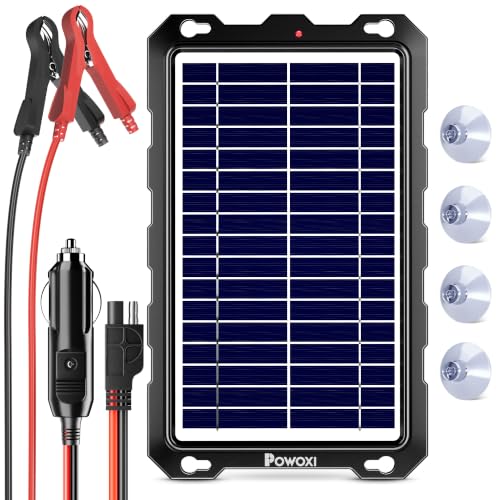
Upgrade Intelligent Charge Controller: Built-in internal protection system and smart fast charging Cooperate with Quality solar silicon material ensures high conversion and stable output the solar panel's energy conversion efficiency to 25-30%
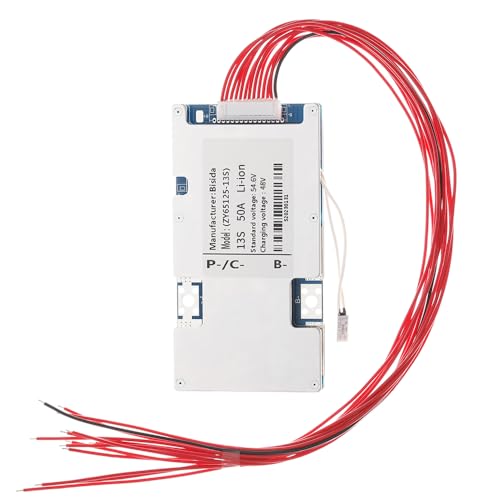
MULTIPLE PROTECTION Bisida's BMS has a variety of protection functions, such as over charge protection, over discharge protection, over current protection, short-circuit protection, temperature protection, isconnect protection, Voltage balance(passive balance), etc.
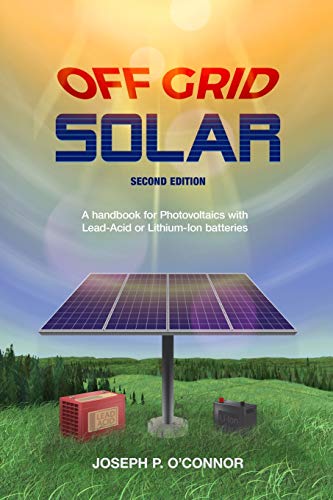
Lead-Acid Batteries
Lead-acid batteries offer a cost-effective solution for energy storage. They typically last 3 to 5 years with proper maintenance. These batteries are heavy, which can make installation challenging, but their durability makes them popular for off-grid applications. If you’re on a tight budget, they might be your best bet. Keep in mind they require regular maintenance, such as checking water levels and equalizing charges.
Lithium-Ion Batteries
Lithium-ion batteries stand out for their superior efficiency and longevity. Expect a lifespan of 10 to 15 years, making them a reliable long-term investment. Their lightweight design allows for flexible installation options, and they perform well in terms of energy density, meaning they store more energy in less space. While the upfront cost can be higher than lead-acid options, the savings in efficiency and lifespan can balance that out. Look for batteries with built-in management systems for enhanced safety and performance.
Flow Batteries
Flow batteries are gaining popularity due to their scalability and safety. They can last over 20 years, especially in larger setups. Their design allows for easy replacement of electrolyte, which can significantly extend their lifespan. Flow batteries are better suited for applications requiring large-scale energy storage, like commercial solar installations. If you need a system that grows with your energy demands, consider flow batteries as a viable option.
When selecting a battery, assess your energy needs, budget, and installation space for the best fit. Each type brings distinct advantages, making it crucial to choose wisely.
Factors to Consider When Choosing a Battery
When selecting a battery for your solar system, several factors influence your decision. Evaluating these elements helps ensure you invest in the right battery type that aligns with your energy requirements and financial plans.
Capacity and Storage
Capacity refers to the amount of energy a battery can store, typically measured in kilowatt-hours (kWh). For instance, if your solar system generates 10 kWh daily, you’ll want a battery that can store enough energy to meet your needs during non-sunny periods. Consider your typical energy usage and how much backup power you want. Look for batteries with a higher capacity for better performance. For example, if you desire to run essential appliances overnight, aim for a battery with at least 20 kWh.
Lifespan and Cycle Life
Lifespan indicates how long a battery lasts before it needs replacement, while cycle life refers to the number of charge and discharge cycles the battery can handle. Lithium-ion batteries last longer, usually around 10 to 15 years, and provide about 3,000 to 5,000 cycles. In contrast, lead-acid batteries might last only 3 to 5 years with around 1,000 cycles. Evaluate both lifespan and cycle life based on your usage patterns. If you plan to rely heavily on your battery, investing in a longer-lasting option pays off in the long run.
Cost and Budget
Battery costs vary significantly depending on technology and capacity. Lead-acid batteries typically cost less up front, but their shorter lifespan could lead to higher replacement costs. Lithium-ion batteries require a more considerable initial investment yet offer better longevity and performance. Calculate long-term costs, including replacements, maintenance, and potential savings on your energy bill. Aim for a balance between quality and cost. Set a budget that accounts for your energy needs and choose a battery that fits within that scope.
By weighing these factors, you’ll make a more informed choice and enhance your solar energy experience.
Comparing Popular Battery Brands
Choosing the right battery brand is crucial for optimizing your solar energy system. Here’s a closer look at two popular options.
Brand A
Brand A, known for its lithium-ion batteries, offers products that last between 10 to 15 years. These batteries provide high energy efficiency, ensuring that nearly all stored energy is usable. For example, their models typically deliver over 90% round-trip efficiency, meaning your energy use remains cost-effective. Brand A also prioritizes safety, featuring advanced thermal management systems that prevent overheating. When considering pricing, the initial investment may be higher than lead-acid alternatives, but the long-term savings on replacements and energy efficiency often justify the cost.
Brand B
Brand B specializes in lead-acid batteries, widely recognized for their affordability. These batteries usually last 3 to 5 years, making them suitable for budget-conscious users. Brand B’s products require regular maintenance, including topping off electrolyte levels, which can lead to additional long-term costs. However, they remain a popular choice due to their robust construction and ability to withstand deep discharges. When evaluating your energy needs, Brand B can be a practical option if you’re looking for a temporary solution or have lower energy requirements.
Conclusion
Choosing the right battery for your solar system can make all the difference in your energy efficiency and savings. Whether you lean towards the affordability of lead-acid batteries or the longevity of lithium-ion options, it’s essential to align your choice with your specific needs and budget.
Consider factors like capacity lifespan and installation space to ensure you get the best performance out of your solar setup. By understanding the unique benefits of each battery type you can enhance your solar experience and make a choice that suits your lifestyle. Happy solar energy planning!
Frequently Asked Questions
What types of batteries are best for solar systems?
The best types of batteries for solar systems are lead-acid, lithium-ion, nickel-cadmium, and flow batteries. Lead-acid batteries are cost-effective but require maintenance. Lithium-ion batteries are efficient and long-lasting, while nickel-cadmium batteries excel in extreme temperatures. Flow batteries offer scalability and safety, making them suitable for larger setups.
How do I choose the right battery for my solar system?
Consider your energy needs, budget, installation space, and compatibility with your solar components. Assess the battery’s capacity, lifespan, and cost. A battery should store enough energy for non-sunny periods and match your financial and spatial constraints.
What is the lifespan of solar batteries?
Lead-acid batteries typically last 3 to 5 years, while lithium-ion batteries can last 10 to 15 years. Nickel-cadmium batteries may last up to 20 years, and flow batteries can even exceed that. Lifespan varies by battery type and maintenance.
Are lithium-ion batteries worth the investment?
Yes, lithium-ion batteries are worth the investment due to their longer lifespan (10 to 15 years), efficiency, and lower maintenance needs compared to lead-acid batteries. Though they have a higher upfront cost, they can lead to long-term savings.
How important is battery capacity in a solar system?
Battery capacity is crucial as it determines the amount of energy a battery can store, measured in kilowatt-hours (kWh). Selecting a battery with adequate capacity ensures enough energy is available during non-sunny periods, enhancing overall performance.
