

Have you ever wondered where the best place to install your solar batteries is? It’s a common dilemma for many homeowners looking to maximize efficiency and safety. Whether you’re considering an indoor setup or an outdoor one, the right choice can significantly impact your system’s performance and longevity.
Imagine this: you’ve invested in solar energy to save on bills and reduce your carbon footprint. But choosing the wrong location for your batteries could lead to overheating or damage from the elements. This article will help you weigh the pros and cons of each option, guiding you to make an informed decision that suits your needs. Let’s explore the factors that matter most in this important choice.
Key Takeaways
- Indoor vs. Outdoor Placement: Each option has unique advantages and disadvantages; indoor settings offer protection and stability, while outdoor installations provide space and easier access.
- Battery Types: Understanding different battery types, such as lithium-ion, lead-acid, and saltwater, is essential for making informed choices regarding placement and maintenance.
- Temperature Control: Maintaining an optimal temperature range is crucial for battery efficiency and longevity, with indoor settings generally providing better conditions.
- Protection from Elements: Indoor placement protects batteries from adverse weather, while outdoor setups pose risks like exposure to elements that can damage the batteries.
- Space Considerations: Evaluate your available space to determine the most suitable placement for your solar battery system, considering both indoor limitations and outdoor accessibility.
- Local Factors: Always consider local climate and regulations, as they significantly influence the decision on whether to install batteries inside or outside.
Overview of Solar Batteries
Solar batteries store energy generated by your solar panels, providing power when sunlight isn’t available. Understanding their features helps you make the best decision for installation.
Types of Solar Batteries
- Lithium-ion Batteries: These batteries offer high energy density and a longer lifespan, typically lasting 10–15 years. They’re lightweight and efficient, making them a popular choice.
- Lead-acid Batteries: These come in two forms—flooded and sealed (AGM or gel). Flooded types require maintenance, while sealed versions are maintenance-free. Lifespan ranges from 3–10 years.
- Saltwater Batteries: These newer options use saltwater as an electrolyte, offering safety and environmental benefits. They often have a lifespan of up to 10 years.
Advantages of Indoor Placement
- Protection from Elements: Indoor installation prevents exposure to rain, snow, and extreme temperatures, extending battery life.
- Improved Safety: Keeping batteries indoors reduces the risk of theft and vandalism, providing peace of mind.
- Reduced Maintenance: Indoor conditions typically lead to less dust and debris, minimizing maintenance needs.
Disadvantages of Indoor Placement
- Space Limitations: Indoor areas may lack sufficient space for larger battery systems.
- Temperature Control: Indoor environments must maintain specific temperature ranges for optimal battery performance, which could require additional heating or cooling measures.
Advantages of Outdoor Placement
- Space Availability: Outdoor installations can use larger spaces for extensive battery systems, accommodating higher energy needs.
- Ease of Access: Outdoor setups may allow for easier access to the batteries during maintenance or upgrades.
Disadvantages of Outdoor Placement
- Exposure Risks: Outdoor batteries face weather damage, potential overheating, and vulnerability to pests.
- Installation Costs: You may incur additional costs for protective enclosures or weatherproof systems.
- Local Climate: Consider your area’s temperature extremes and weather patterns when choosing the placement.
- Local Regulations: Check local codes and regulations regarding battery installations and safety requirements.
- Your Energy Needs: Evaluate energy consumption and determine how much storage capacity you require based on your solar setup.
Understanding these factors guides your choice between indoor and outdoor placement of solar batteries, supporting efficient and safe energy storage solutions.
Factors to Consider
When deciding where to install your solar batteries, several key factors come into play. Each factor significantly impacts performance, safety, and overall functionality.
Temperature Control
Temperature control is crucial for your solar batteries’ lifespan and efficiency.
- Indoor Environments: Indoor installations generally offer more stable temperatures. Batteries function best within a specific temperature range. Extreme heat or cold can degrade performance or lead to failures over time. Keeping batteries indoors can prevent exposure to harmful temperature fluctuations.
- Outdoor Environments: Outdoor setups risk fluctuating temperatures due to changing weather conditions. Battery efficiency drops in temperatures below 32°F and above 104°F. Protecting outdoor batteries using insulated enclosures can help mitigate this issue, but precautions are essential.
Protection from Elements
Protection from environmental elements influences your battery’s durability and performance.
- Indoor Placement: Indoor placements shield batteries from adverse weather conditions, such as rain, snow, and extreme UV rays. This protection translates to longer life expectancy and less frequent maintenance. Limited exposure to humidity and dust also reduces the risk of damage.
- Outdoor Placement: Outdoor installations provide ease of access and may allow for larger systems. However, outdoor batteries face risks like water damage or overheating from direct sunlight. Adopting weatherproof enclosures and proper ventilation helps protect outdoor batteries from these hazards.
By taking into account temperature control and element protection, you can make an informed decision about whether to place your solar batteries indoors or outdoors.
Advantages of Indoor Installation
Indoor installation of solar batteries offers several key benefits. These advantages enhance battery performance, safety, and longevity while addressing common concerns homeowners may have.
Recommended Products

【5 Lighting Modes with Motion Sensor】This solar shed light has 5 lighting modes. MODE 1: Dim to Bright with motion at night. MODE 2: Off to Bright with motion at night. MODE 3: Constant ON at nighttime. MODE 4: Off to Bright with motion in the Daytime. AUTO: Stays Light All Day, auto turn to MODE 4 when the battery left 50% power. Induction Lighting Delay Time Setting: 25s/35s/45s (Applicable to MODE 1, MODE 2 and MODE 4)

★★【Dusk to Dawn & Remote Control Function】: 1,Press the "AUTO" button,light will charge during the day, and auto lights up at night. 2, Press 3H/5H/8H button,light will just last 3H/5H/8H every night, with a memory function, there’s no need to reset it again next time use.Or you can press ON/OFF switch to open light at any time when you go to your shed/barn.

Solar Powered & Available All Day Lighting: This solar outdoor lights operates continuously throughout the day without relying on traditional power sources, providing reliable illumination whenever needed. Featuring efficient solar lighting with 4 adjustable LED panels, it meets all your shed lighting needs.
Space Efficiency
Indoor installations maximize space efficiency. You can choose compact battery models that fit into small areas, such as garages or basements. By utilizing often overlooked spaces, you free up valuable outdoor land for other uses. Further, placing batteries inside reduces the need for extensive outdoor cabling, streamlining your property layout.
Security Benefits
Indoor installations provide enhanced security. Batteries stored indoors are less likely to be vandalized or stolen, protecting your investment. You also reduce the risk of tampering by animals or pests, ensuring consistent performance. Moreover, indoor locations offer better control over environmental conditions. You can manage humidity and temperature to prevent damage and extend battery life, ensuring your system operates efficiently year-round.
Advantages of Outdoor Installation
Outdoor installation of solar batteries offers notable benefits that can enhance performance and accessibility.
Recommended Products

[Cool & Fresh Air] Our solar powered fan delivers enhanced wind speed to rapidly cool spaces, refresh stagnant air, eliminate dust and unpleasant odors, and circulate fresh airflow-making it an excellent ventilation solution for small greenhouses, chicken coops, sheds, pet houses, attics, camping tents, windows, and both indoor & outdoor use. Ideal for spaces up to 100 sq.ft, for larger areas, simply purchase multiple units for optimal coverage.
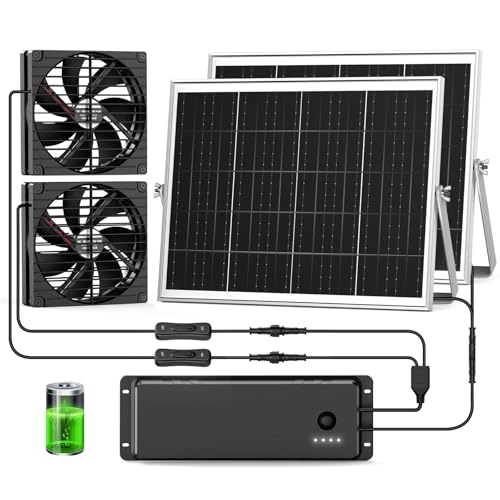
Solar Chicken Coop Fan with Long Lasting Battery: Our solar exhaust fan not only drives the fan during the daytime, but also stores excess solar energy for use at night. With a 25600mAh long Lasting intelligent battery, it can operate the fan 10 hours separately when fully charged, ensuring that the fan running dusk to dawn.
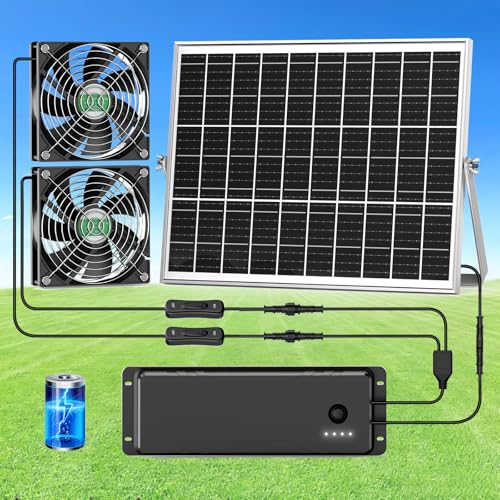
Solar Fan with Battery: This battery powered solar exhaust fan is equipped with a 20W high-efficiency solar panel and a 12160 mAh rechargeable battery (can be recharged over 3000 times cycle), which can run for over 8 hours at night when fully charged.
Ease of Access
Accessing solar batteries outdoors typically proves easier for maintenance and monitoring. You can quickly check battery levels, perform inspections, or replace components without moving large equipment indoors. For instance, if you’ve installed batteries in an accessible shed or garage, you can reach them directly without navigating through your home. This convenience allows for prompt troubleshooting, reducing downtime in energy storage.
Heat Dissipation
Heat dissipation is a critical factor for battery performance. Outdoor installations generally allow for better airflow around batteries, which helps regulate temperature. During warmer months, proper ventilation prevents overheating, extending the lifespan and efficiency of batteries. In contrast, indoor batteries may struggle with elevated temperatures due to limited airflow. For example, placing batteries under direct sunlight or in a shaded outdoor environment can optimize cooling, which benefits performance during peak energy production times.
Conclusion
Choosing the right spot for your solar batteries is essential for maximizing their efficiency and lifespan. Whether you lean toward indoor or outdoor placement, remember to weigh the benefits and drawbacks carefully.
Indoor setups offer better protection from the elements and temperature control, while outdoor installations provide easier access and airflow.
Ultimately, it’s about what works best for your home and energy needs. By taking the time to consider all the factors involved, you can make a decision that keeps your solar energy system running smoothly for years to come.
Frequently Asked Questions
What are solar batteries and what do they do?
Solar batteries store energy generated by solar panels for use when sunlight is unavailable. They help homeowners maximize energy efficiency by providing backup power during outages and reducing reliance on the grid.
Should I install my solar batteries indoors or outdoors?
The choice between indoor and outdoor installation depends on several factors. Indoor placements offer protection from environmental elements and temperature control, while outdoor setups allow for easier access and better airflow but may face risks like weather damage.
What are the advantages of indoor solar battery placement?
Indoor installations provide enhanced security, improved temperature control, and protection from weather conditions. This leads to longer battery life, reduced maintenance, and the ability to use compact models, making them ideal for smaller spaces.
What are the benefits of outdoor solar battery installation?
Outdoor installations facilitate easier access for maintenance and monitoring, which can help in troubleshooting issues quickly. Additionally, they provide better heat dissipation, minimizing overheating risks and improving battery longevity.
How does temperature affect solar battery performance?
Temperature significantly impacts battery lifespan and efficiency. Indoor placements usually maintain stable temperatures crucial for performance, while outdoor setups face fluctuations that can lead to overheating or reduced efficiency.
What factors should I consider when deciding battery placement?
When choosing where to place solar batteries, consider local climate, space availability, safety, protection from the elements, and your specific energy needs. Evaluate the pros and cons of each option to determine what suits your situation best.
