

Ever found yourself stuck with a dead car battery, wondering if it’s the culprit or the trusty alternator? It’s a common dilemma that can leave you scratching your head. Picture this: you’re all set to hit the road, only to be met with a dreaded click instead of the revving engine. Frustrating, right? That’s where this article swoops in to save the day.
In the next few minutes, you’ll uncover the secrets to distinguishing between a battery that’s on its last legs and an alternator that’s still going strong. No more guessing games or unnecessary trips to the mechanic. By the end of this read, you’ll be equipped with the knowledge to troubleshoot like a pro and keep your car running smoothly. Let’s dive in and demystify the art of killing a car battery, not an alternator.
Signs of a Failing Car Battery
If your car doesn’t start, dim headlights, or you hear clicking sounds when turning the key, it could be your car battery.
- Difficulty starting the engine.
- Dimming headlights when the engine is idling.
- Electrical components malfunctioning.
Signs of a Failing Alternator
When it comes to diagnosing your car issues, it’s essential to distinguish between a failing alternator and a dying battery. Signs of a struggling alternator include:
- Flickering Lights: Your headlights or interior lights may flicker while driving.
- Weak or Dead Battery: Constantly needing jump starts without an apparent cause.
- Strange Noises: A whining or grinding noise coming from the engine.
- Electrical Failures: Malfunctions in power windows, locks, or other electrical components.
To prevent confusion between a failing alternator and a dead battery, keep an eye on these key indicators.
How to Test the Car Battery
To test your car battery and ensure it’s the culprit, here are some straightforward steps you can follow:
- Check the Dashboard Lights: Start by turning on your vehicle’s headlights before starting the engine. If they appear dim, your battery might be the issue.
- Use a Multimeter: Measure the voltage of your car battery using a multimeter. A healthy battery should ideally have a charge of around 12.6 volts.
- Inspect the Terminals: Make sure the battery terminals are clean, tight, and free of corrosion. Any buildup could affect the battery’s performance.
- Perform a Load Test: If you have access to a load tester, you can assess how well the battery holds a charge under load. Drop in voltage during this test could signal a dying battery.
- Visit a Professional: If you’re unsure about performing the tests yourself, consider taking your car to a mechanic or auto parts store for a complimentary battery check.
By following these steps, you can accurately determine whether it’s your car battery causing the issue and not the alternator.
Recommended Products

Catch Battery Problems Early: Featured in two videos by Project Farm, a popular YouTube channel with millions of subscribers, the ANCEL BA101 helps you quickly spot battery issues before they leave you stranded. It provides easy-to-understand readings for State of Health (SOH), State of Charge (SOC), voltage, current, CCA, plus cranking and charging system tests, so you can better understand your battery and help avoid unexpected breakdowns

[Car Battery Tester] You can easily test and inspect your 12V lead-acid battery with this TOPDON car battery tester. The SOH (State of Health), SOC (State of Charge), Voltage, Current, Rating, and numerous other understandable analytical data are provided by this battery tester. It is compatible with 100-2000CCA regular flooded, AGM flat plate/spiral, EFB, and GEL for their optimum performance.

Easy To Use - The battery load tester is easy to use and read of 6V and 12V batteries for cars, trucks, RVs, motorcycle, boats and so on. Portable and quick to operate at home or garage instead of going to the shop for battery reading.
How to Test the Alternator
You’ve checked the car battery, but what about the alternator? Here are a few simple steps to determine if it’s the real culprit:
- Test the charging voltage: Start your car and connect a voltmeter to the battery terminals. A healthy alternator should charge around 13.8 to 14.2 volts.
- Visual inspection: Look for any signs of wear or damage on the alternator belt. Make sure all connections are clean and secure.
- Belt tension: Too much slack in the alternator belt can affect its performance. Ensure the belt is properly tensioned to avoid issues.
- Load testing: Increasing electrical load by turning on headlights, AC, and other accessories can help identify alternator problems. If the voltage drops significantly under load, your alternator might be the issue.
- Professional help: If you’re still unsure, it’s best to consult a mechanic for a thorough alternator check. They can provide expert advice and recommendations.
Remember, a healthy alternator is crucial for keeping your car’s electrical system running smoothly. By following these steps, you can pinpoint whether it’s the battery or the alternator causing your car troubles. Keep your vehicle in top shape with regular checks and maintenance.
Troubleshooting Tips and Solutions
When facing a dead car battery and suspecting it’s not the alternator, there are a few steps you can take to diagnose the issue effectively:
- Visual Inspection: Check for any visible signs of corrosion on the battery terminals. Clean them using a mixture of baking soda and water if needed.
- Testing the Battery: Use a multimeter to measure the voltage of the battery. A healthy battery should typically read around 12.6 volts.
- Jump-Starting: If your battery is low but not dead, you can try jump-starting the car. Jump-start safely by following the correct procedure.
- Alternative Power Source: If you have a portable power pack, you can use it to provide power to the vehicle temporarily.
- Professional Assistance: If you’re still unable to identify the issue or resolve it, it’s best to seek help from a qualified mechanic.
Remember, regular maintenance of your car’s battery is crucial to prevent unexpected breakdowns. By understanding these troubleshooting tips, you can confidently address a dead battery without jumping to conclusions about the alternator.
Recommended Products
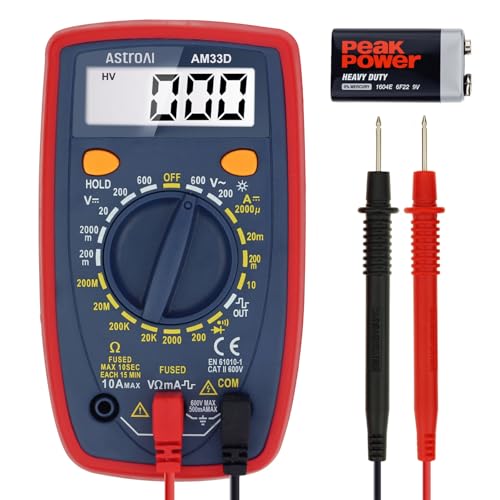
Additional Tips - The following incorrect operations may cause the multimeter not to show results: Firstly, the plugs of test leads are not fully inserted or not inserted into the correct sockets. Secondly, the manual rotary switch is not placed in the correct position. In addition, this meter can not test all AC Current and below 100mV AC Voltage. Please check the user manual carefully before measurement.

Accurately Test Full Features: Accurately measures AC/DC voltage, DC current, resistance, continuity test, diode and batteries.

Customer Service: KAIWEETS provides a lifetime after sale service and technical support. This digital multimeter is included with 2 AAA batteries (pre-installed), comes with a carrying case and 2 decent cable leads.
Conclusion
Remember, diagnosing a dead car battery doesn’t always point to an alternator issue. By visually inspecting for corrosion, testing voltage, jump-starting, using a portable power pack, and seeking professional help when needed, you can troubleshoot effectively. Regular maintenance is key to avoiding unexpected breakdowns. Understanding these tips can save you time and money by addressing battery issues accurately.
Frequently Asked Questions
How can I test a car battery?
To test a car battery, start by visually inspecting the battery terminals for any corrosion. Then, use a multimeter to check the battery voltage. A reading of around 12.6 volts indicates a fully charged battery, while below 12 volts may signal a drained battery needing recharge or replacement.
What should I do if my car battery is dead?
If your car battery is dead, you can jump-start your car using jumper cables and another vehicle with a working battery. Alternatively, you can use a portable power pack to provide the necessary boost to start your engine. It’s essential to diagnose the root cause of the dead battery to prevent future occurrences.
When should I seek professional help for my car battery issues?
If you encounter persistent battery problems despite regular maintenance or if you suspect underlying electrical issues, it’s advisable to seek professional help. A certified mechanic can perform a thorough inspection, diagnose the problem accurately, and recommend the appropriate solutions to ensure your vehicle’s optimal performance.
