

Ever found yourself stranded with a car that won’t start? Imagine the frustration of being ready to hit the road, only to be met with silence when you turn the key. Whether your car is running or not, knowing how to jump-start a battery can be a game-changer in these situations.
Picture this: you’re in a rush, and your car refuses to cooperate. It’s a scenario we’ve all faced at some point. But fear not – with the right knowledge and tools, you can get back on track in no time. In this article, we’ll explore the ins and outs of jump-starting a car, whether it’s running or not.
By the end of this read, you’ll be equipped with the know-how to tackle a dead battery like a pro. Say goodbye to the stress and inconvenience of a non-starting car – you’ll soon be cruising down the road with confidence, no matter the situation.
Understanding Car Batteries
When it comes to your car’s electrical system, the battery is a pivotal component. It provides the power needed to start the engine, operate lights, and run various electrical accessories. Here are key points to help you understand car batteries better:
- Battery Functionality:
Car batteries store electrical energy and deliver it to the starter, igniting the engine. They also power the lights, radio, and other electrical components when the engine is off. - Battery Lifespan:
On average, car batteries last 3 to 5 years. Factors like weather conditions, driving habits, and maintenance affect battery longevity. - Signs of a Weak Battery:
Common indicators of a failing battery include dim headlights, slow engine cranking, and dashboard warning lights. - Types of Batteries:
There are various types of car batteries, including lead-acid, AGM, and lithium-ion. Each type has its own advantages and suitability for different vehicles. - Battery Maintenance:
Regularly inspect and clean battery terminals to prevent corrosion. Ensure proper charging, especially after short trips and in cold weather. - Jump-Starting Safety:
Before jump-starting a car, it’s crucial to understand the correct procedure to avoid damage to the vehicle’s electrical system.
Remember, knowledge is key in handling car battery issues effectively.
Tools Needed for Jump-Starting
- Jumper cables: These are heavy-duty cables with clamps on both ends to connect the dead battery to a live one.
- Flashlight: It’s crucial for dimly lit areas or nighttime emergencies.
- Safety gloves and glasses: Protect yourself from any accidents or sparks.
- A functioning vehicle with a live battery: This is necessary to provide the charge needed to jump-start the dead battery.
Recommended Products
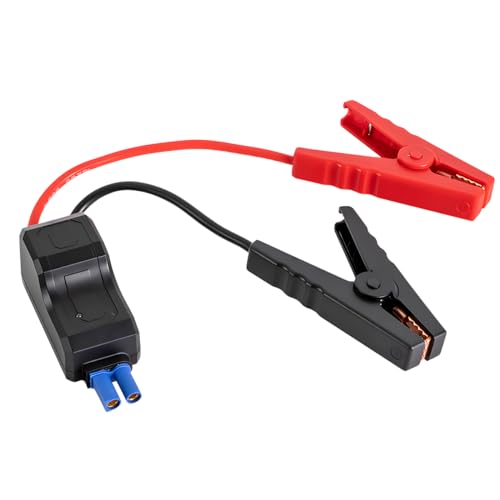
【Five Fold Protection】: This product can be anti-reverse charging, anti-over-discharging, anti-over-current, anti-reverse connection, anti-short circuit. Intelligent alarm system, safe and durable, built-in small wire to stabilize the current. Used to connect (car emergency jump starter and car battery), start the car, can prevent the positive and negative poles of the power supply collision and thus lead to short-circuit situation, high safety factor.

【Newly Upgraded Jump Starter】IIXWUQ Jump starter cable is exclusively designed for seamless compatibility with Dewalt batteries(Compatible with Dewalt batteries models). It's a breeze to use—simply align the power adapter into the groove, push the converter, and ensure it's locked onto the battery. (Battery not included)
Steps to Jump-Start a Running Car
- Ensure both cars are turned off and parked close together.
- Identify the positive and negative terminals on both batteries.
- Connect the red (positive) jumper cable to the positive terminal of the dead battery.
- Attach the other red (positive) cable to the functioning car’s positive terminal.
- Connect the black (negative) cable to the working car’s negative terminal.
- Finally, attach the other end of the black (negative) cable to an unpainted metal surface on the dead car.
- Start the working vehicle and let it run for a few minutes.
- Try starting the car with the dead battery.
- Once the dead car starts, carefully remove the jumper cables in the reverse order of how they were connected.
- Drive the jump-started car around for at least 15 minutes to allow the battery to recharge.
| Important Facts | Data |
|---|---|
| Car battery issues are | a common occurrence, with about 1 in 4 drivers experiencing battery-related problems every year. |
| Over | 50% of all car breakdowns are battery-related. |
| Knowing how to jump-start a car | can save you time and money in emergency situations. |
Recommended Products
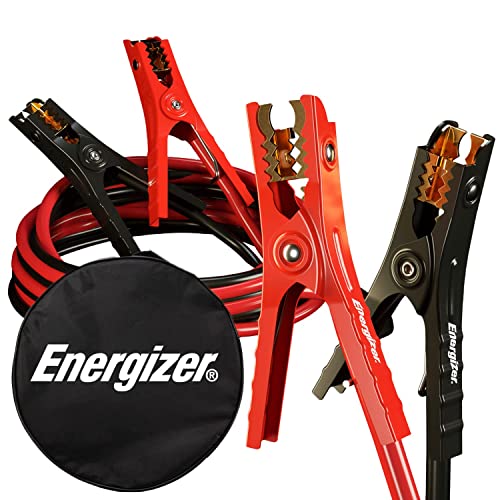
ENERGIZER 16 FEET JUMPER CABLES - 6 Gauge, 16 FT booster battery jumper cables for jump starting a dead or weak battery. Ideal for trucks, SUVs, full-size cars, mid-size cars and small/compact cars
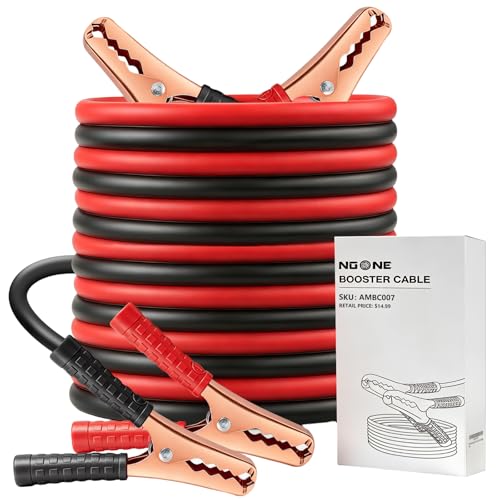
UNIVERSAL FITMENTS :NOONE 10 FT car jumper cables support 200A peak current for jumping start 12/24V car battery. So NOONE booster cables are suitable for your vehicles with up to 3.0 L Gas Engines
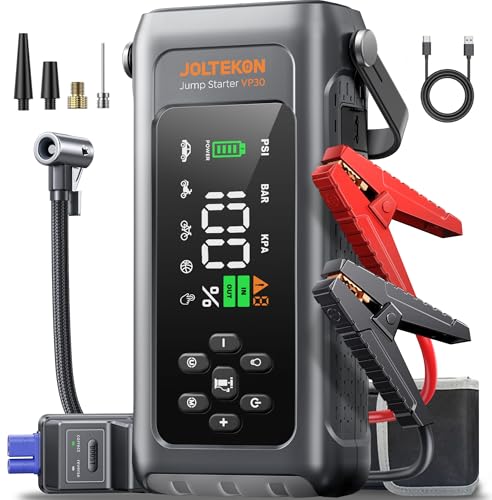
【8-IN-1 CAR BATTERY JUMP STARTER】This 12V Jump Box highlights highly integrated advanced functions but is more portable, transcending general battery booster. It's a portable car jump starter, tire pump, pressure gauge, portable power bank, flashlight, SOS signal, white strobe, red strobe as triangle warning light. Portable, versatile and must-have kit, your ultimate companion for emgencies, adventures and daily use!
Steps to Jump-Start a Car that Won’t Start
So, your car isn’t starting. Here’s what you need to do:
- Check the Battery: Make sure both car batteries are not damaged, leaking, or frozen.
- Position the Cars: Park the working car next to yours, close enough for the jumper cables to reach but not touching.
- Turn Off Engines: Turn off both vehicles, ensuring no lights or radios are left on.
- Connect the Jumper Cables:
- Red to Positive: Connect the red cable to the positive terminal of the dead battery, then the other end to the positive terminal of the working battery.
- Black to Negative: Connect the black cable to the negative terminal of the working battery, then attach the other end to an unpainted metal surface in the dead car.
- Start the Working Car: Let it run for a few minutes to charge the dead battery.
- Attempt to Start Your Car: Try starting your car. If it doesn’t start, check the connections and give it more time to charge.
- Remove Cables Carefully: Disconnect the cables in the reverse order of how you connected them.
- Go for a Drive: Drive your car for at least 15 minutes to recharge the battery.
Recommended Products

20 FT JUMPER CABLES - These battery jumper cables are 20 feet long and easily connect from one car battery to another without tangling.

12 FEET JUMPER CABLES: 8 Gauge, 12 FT booster battery jumper cables, easily connect from one car battery to another without tangling. Which is suitable for use with full-size cars, mid-size cars, and compact cars

ENERGIZER 20 FEET JUMPER CABLES - 4 Gauge, 20 FT booster battery jumper cables for jump starting a dead or weak battery. Great for trucks, SUVs, full-size cars, mid-size cars and small/compact cars
Safety Precautions and Tips
- Wear safety gloves and goggles to protect yourself from any sparks or acid leaks.
- Keep the jumper cables away from moving engine parts to prevent accidents or damage.
- Ensure both vehicles are in park or neutral with the engines off before starting the jump-start process.
- Inspect the battery for leaks, cracks, or other damage before attempting to jump-start the car.
- Position the vehicles close enough for the cables to reach but without touching to avoid electrical issues.
- Follow the manufacturer’s instructions for both vehicles to prevent damage to the electrical systems.
- Avoid jump-starting a frozen battery to prevent further damage and ensure safety.
- After jump-starting, drive the car for at least 15 minutes to recharge the battery fully.
| Important Safety Tips: |
|---|
| Wear safety gear |
| Keep cables away from moving parts |
| Inspect batteries before jump-starting |
| Follow manufacturer’s instructions |
| Drive the car post-jumpstart for 15 minutes |
Conclusion
Now that you’re equipped with the knowledge on jump-starting a car safely and effectively, you can confidently handle unexpected battery issues. Remember to prioritize safety by wearing protective gear and following proper procedures. By adhering to manufacturer guidelines and giving your battery time to recharge post-jumpstart, you’ll ensure a smoother driving experience. Stay proactive and prepared for any roadside emergencies that may come your way. Happy driving!
Frequently Asked Questions
How do I jump-start a car safely?
To jump-start a car safely, make sure to wear safety gloves and goggles, check for battery damage, and keep jumper cables away from moving engine parts. Follow the manufacturer’s instructions, avoid jump-starting frozen batteries, and drive the car for at least 15 minutes after jump-starting to recharge the battery fully.
What precautions should I take while jump-starting a car?
While jump-starting a car, it’s essential to wear safety gloves and goggles, inspect batteries for damage, and keep jumper cables away from moving engine parts. Following the manufacturer’s guidelines, avoiding jump-starting frozen batteries, and driving the car for at least 15 minutes post-jumpstart are crucial precautions to ensure safety and proper battery recharging.
Why is it important to follow safety measures when jump-starting a car?
Observing safety measures when jump-starting a car is vital to prevent accidents or injuries. Wearing safety gloves and goggles, checking for battery damage, and keeping jumper cables clear of moving engine parts can help ensure a safe and successful jump-start. Following manufacturer instructions, avoiding jump-starting frozen batteries, and driving the car post-jumpstart ensures a thorough battery recharge and reduces the risk of electrical mishaps.
