

Are you considering solar energy for your home? If so, you might be wondering whether a lead acid battery is the right choice for your system. With so many options available, it can be tough to figure out what works best for your needs.
Key Takeaways
- Established Technology: Lead acid batteries have a long history of reliability and performance, making them a popular choice for solar energy storage.
- Cost-Effective Option: They are generally more affordable than newer battery technologies, making them accessible for a variety of budgets.
- Reliability and Longevity: With proper care, flooded, AGM, and gel variants can last between 3 to 7 years, providing consistent energy storage for solar systems.
- Limited Depth of Discharge: These batteries typically allow for only 50% discharge without damaging their lifespan, which may limit your ability to fully utilize solar energy.
- Environmental Concerns: The toxic materials in lead acid batteries pose disposal challenges and raise sustainability issues compared to alternative battery technologies.
- Consider Alternatives: Options like lithium-ion, nickel-cadium, and flow batteries can offer better longevity and efficiency, warranting consideration based on specific energy needs.
Overview of Lead Acid Batteries
Lead acid batteries serve as a popular option for solar energy storage due to their established technology and reliability. Understanding their types and functionalities can help you decide if they fit your solar energy system.
What Is a Lead Acid Battery?
A lead acid battery is a type of rechargeable battery that uses lead dioxide and sponge lead as electrodes. It stores energy in the form of chemical energy and converts it to electrical energy when needed. These batteries excel in providing high surge currents, making them suitable for applications such as starting engines or powering solar systems.
Types of Lead Acid Batteries
Several types of lead acid batteries exist, each tailored for specific uses:
- Flooded Lead Acid Batteries: These are the most common type, using liquid electrolyte. They require regular maintenance, including topping off electrolyte levels. They offer a low initial cost but need careful handling to avoid spillage.
- Absorbent Glass Mat (AGM) Batteries: AGM batteries contain a fiberglass mat that absorbs the electrolyte, making them spill-proof. They last longer and handle deeper discharges better than flooded batteries, reducing maintenance needs.
- Gel Lead Acid Batteries: These batteries use a silica-based gel to immobilize the electrolyte, allowing for safe operation in a range of temperatures. They are highly resistant to vibrations and can last many cycles, making them ideal for solar setups.
Each type comes with its advantages and limitations, so weigh your options based on your energy needs and maintenance preferences.
Benefits of Lead Acid Batteries for Solar
Lead acid batteries provide several advantages for solar energy storage. Their established technology and reliability make them a go-to choice for many homeowners.
Recommended Products

【NOT a Charger, but a Professional Battery Desulfator】 This is not a charger—it's a professional battery desulfator, engineered to rejuvenate, restore, and extend the lifespan of lead-acid batteries. Compatible with 12V, 24V, 36V, 48V, 60V, and 72V battery systems, it's the ideal solution for maintaining all types of lead-acid batteries, including AGM, GEL, SLA, and Flooded.

MPPT Boost-Buck Technology — Charge Higher‑Voltage Batteries from 12V~50V Any Voltage Solar Panels Harness advanced MPPT boost-buck conversion to step up 12V or 24V solar panel output and efficiently charge12V/ 24V/36V/48V/battery banks. Achieves up to ~95% MPPT tracking efficiency and >93% conversion efficiency so you get more usable power from the same panels—ideal for golf carts, eBikes, RVs and off‑grid EV battery packs. Forklift,Electric Lawn Mower,Leaf Blower,Utility Vehicle,Electric Bicycle,Electric Scooter,Electric Motorcycle,Trolling Motor

【Longer Service Life】Miady 12v 12ah battery can last a long time, which is also a rechargeable maintenance free battery. Voltage: 12V, Capacity:12Ah, Dimensions: 5.9*3.66*3.82 In (L/W/H), Terminal Type: F2
Cost-Effectiveness
Lead acid batteries are often more affordable than newer battery technologies. Initial purchase prices are typically lower, making them accessible for various budgets. For instance, a 12V flooded lead acid battery can range from $150 to $300, while lithium-ion options may start around $500. Furthermore, their widespread availability adds to their affordability. Maintenance costs are also low, especially for flooded lead acid types, as they require periodic checks and water refills.
Reliability and Longevity
Lead acid batteries offer recognized reliability with a solid performance record. They are proven to withstand numerous charge and discharge cycles. For example, flooded lead acid batteries can last 3 to 5 years with proper care, while AGM and gel variants often reach 4 to 7 years. This longevity makes them a dependable choice for solar systems. Additionally, lead acid batteries function well in various temperature conditions, which contributes to their effectiveness in different climates. Their ability to perform reliably ensures consistent energy storage for your solar energy needs.
Drawbacks of Lead Acid Batteries for Solar
Lead acid batteries come with notable drawbacks that affect their suitability for solar applications. Understanding these limitations can guide your decision-making process.
Recommended Products
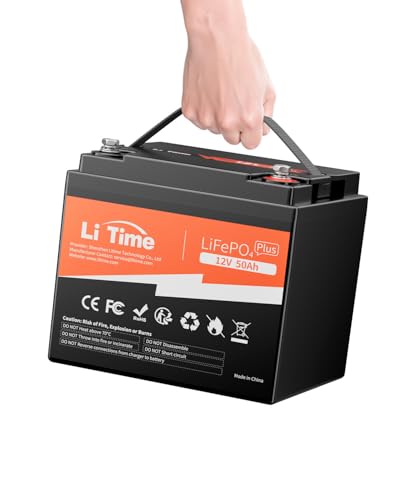
Ultra-Light & Easy to Handle: 12V 50Ah battery only weighs 11.57lbs, 1/6 the weight of a 12V 100Ah lead-acid. Way easier to carry & store than bulky lead-acid battery, perfect for your RV/boat.

12 Volt 20 Amp Battery With Button Style Terminals, Nuts And Bolts Are Also Include

Maintenance Free: Manufactured with thick absorbent Glass Mat (AGM) seperators and advanced valve regulated technology, Renogy deep cycle agm batteries save you from acid leakage and frequent maintenance..Batteries Required:no
Limited Depth of Discharge
Limited depth of discharge (DoD) poses a challenge for lead acid batteries. You can typically discharge these batteries only up to 50% of their capacity without significantly reducing their lifespan. Exceeding this threshold often leads to sulfation, a process that crystallizes lead sulfate on the battery plates. As a result, your battery’s efficiency diminishes, and you face more frequent replacements. In contrast, lithium-ion batteries offer greater flexibility, allowing deeper discharges without adverse effects. This limitation may hinder your ability to fully utilize solar energy, especially during extended cloudy periods.
Environmental Concerns
Environmental concerns arise with lead acid batteries due to their composition. These batteries contain toxic materials such as lead and sulfuric acid. Improper disposal can lead to soil and water contamination. While recycling programs exist, the effectiveness of these programs varies. You must ensure proper handling at the end of the battery’s life to mitigate any environmental risks. Additionally, the manufacturing process of lead acid batteries can contribute to greenhouse gas emissions, raising concerns regarding sustainability. Exploring alternative battery technologies may provide more eco-friendly options for your solar energy system.
Alternatives to Lead Acid Batteries
You can consider several alternatives to lead acid batteries for solar energy storage. Each option has its unique features, advantages, and potential drawbacks.
Recommended Products
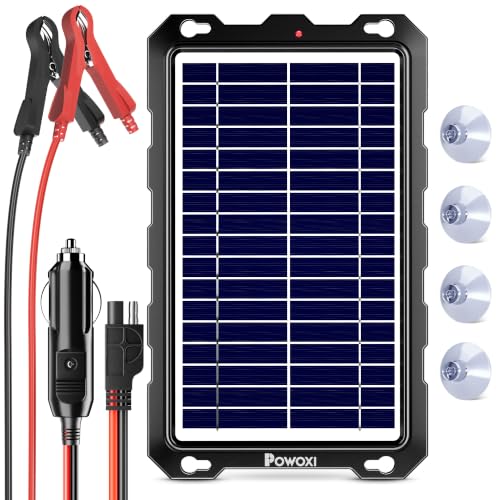
Upgrade Intelligent Charge Controller: Built-in internal protection system and smart fast charging Cooperate with Quality solar silicon material ensures high conversion and stable output the solar panel's energy conversion efficiency to 25-30%
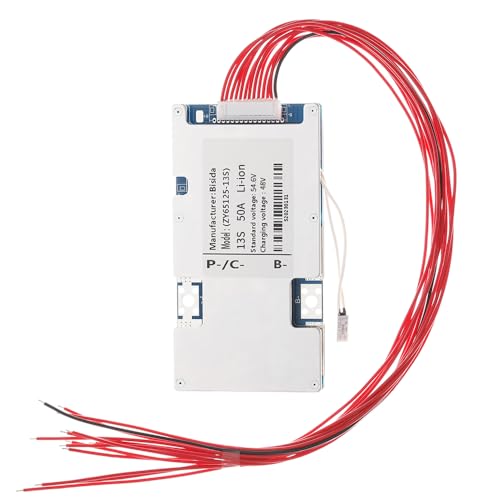
MULTIPLE PROTECTION Bisida's BMS has a variety of protection functions, such as over charge protection, over discharge protection, over current protection, short-circuit protection, temperature protection, isconnect protection, Voltage balance(passive balance), etc.
Lithium-Ion Batteries
Lithium-ion batteries stand out for their efficiency and longevity. They typically offer a depth of discharge (DoD) of 80% to 90%, allowing you to use more of the battery’s capacity without affecting its lifespan. These batteries charge faster and require less maintenance than lead acid types.
For example, a lithium-ion battery pack can last 10 to 15 years, significantly outpacing the lifespan of lead acid batteries. You might find them to be more expensive upfront, but their long-term savings on replacement costs and energy efficiency can offset this initial investment. Many homeowners prefer lithium-ion for its lighter weight and compact design, making installation easier.
Other Battery Technologies
Aside from lithium-ion, you can explore other battery technologies, including:
- Nickel-Cadmium (NiCd) Batteries: NiCd batteries are durable and perform well in extreme temperatures. They have a longer cycle life but can suffer from memory effect, which may require you to fully discharge them periodically.
- Flow Batteries: This technology offers scalability and long duration. Flow batteries store energy in liquid electrolyte solutions, allowing for easy recharging and longer use. They’re ideal for larger solar systems but are typically higher in upfront costs.
- Sodium-Sulfur Batteries: These high-energy-density batteries perform well in stationary applications. They can sustain long cycle lives similar to lithium-ion but operate at high temperatures, requiring additional safety measures.
With these alternatives, assess your specific energy needs, budget, and preferences. Each battery technology brings a different blend of advantages that can better meet your solar energy goals.
Conclusion
Choosing the right battery for your solar system is crucial for maximizing efficiency and savings. Lead acid batteries can be a solid choice if you’re looking for affordability and reliability. They’ve been around for a long time and have proven their worth in various conditions.
However, it’s important to weigh their limitations against your energy needs. If you’re willing to invest more upfront for greater capacity and longevity, exploring alternatives like lithium-ion batteries might be worth your time.
Ultimately, the best option for you will depend on your specific situation and preferences. Take your time to evaluate all the possibilities and make an informed decision that suits your solar energy goals.
Frequently Asked Questions
What are lead acid batteries used for in solar energy systems?
Lead acid batteries are commonly used for energy storage in solar systems. They convert chemical energy into electrical energy, providing a reliable source of power even when sunlight is not available. These batteries help store excess energy generated during the day for use at night or during cloudy days.
What types of lead acid batteries are available for solar applications?
There are three main types of lead acid batteries: flooded, absorbent glass mat (AGM), and gel batteries. Flooded batteries are cost-effective and require regular maintenance. AGM batteries are sealed, maintenance-free, and better suited for various environments. Gel batteries offer excellent safety features and deep discharge capabilities.
What are the advantages of using lead acid batteries for solar energy?
Lead acid batteries are popular due to their cost-effectiveness, reliability, and longevity. They generally have lower initial purchase prices compared to newer technologies. With proper care, flooded lead acid batteries last 3 to 5 years, while AGM and gel variants can last 4 to 7 years, making them a dependable choice for solar energy storage.
What are the disadvantages of lead acid batteries for solar systems?
One of the main drawbacks of lead acid batteries is their restricted depth of discharge (DoD), typically allowing only 50% discharge without harming lifespan. Additionally, they contain toxic materials that can pose environmental risks if not disposed of properly. This limits their sustainability compared to other battery technologies.
How do lead acid batteries compare to lithium-ion batteries?
Lithium-ion batteries offer several advantages, including higher efficiency, longer lifespan (10 to 15 years), and greater depth of discharge (80% to 90%). While they usually have a higher upfront cost, their long-term savings and reduced maintenance needs make them an attractive option compared to lead acid batteries.
Are there eco-friendly alternatives to lead acid batteries for solar energy?
Yes, there are several eco-friendly alternatives, including lithium-ion, nickel-cadmium (NiCd), flow batteries, and sodium-sulfur batteries. Each has unique benefits, such as higher efficiency, longer lifespan, or scalability, making them suitable options for homeowners looking for greener solar energy storage solutions.
How should I determine the best battery technology for my solar system?
To find the best battery technology, consider your energy needs, budget, maintenance preferences, and how often you use the stored energy. Assess the lifespan, depth of discharge, and overall costs of each option to make an informed decision that aligns with your solar energy goals.
