

Ever wondered why your car seems sluggish on chilly mornings? Picture this: you’re running late, and your engine hesitates to start in the cold. Could it be the weather messing with your car battery? Don’t fret, we’ve got you covered! In this article, we’ll explore whether cold weather is tough on car batteries and what you can do to keep your ride running smoothly through the frosty season.
You’re not alone in facing this common winter woe. Cold weather can be a real challenge for car batteries, causing decreased performance and potential breakdowns. But fear not – understanding how the cold affects your battery is the first step to ensuring you’re not left stranded in the cold. Stay tuned to discover practical tips and tricks to protect your battery and keep your car humming even when the temperature drops.
Impact of Cold Weather on Car Batteries
In colder temperatures, car batteries have a harder time providing the necessary power to start your vehicle. Why does this happen? Chemical reactions inside the battery slow down when it’s cold.
Here’s a quick breakdown of the effects:
- Battery Capacity: Cold weather may reduce the battery’s capacity, making it harder to start the engine.
- Oil Thicker: In cold weather, engine oil thickens, making it more difficult for the battery to turn the engine over.
- Electrical Resistance: The cold can increase electrical resistance, leading to a slower chemical reaction within the battery.
Tips to Protect Your Car Battery
To keep your car running smoothly in cold weather, consider the following tips:
- Garage Parking: If possible, park your car in a garage to shield it from the cold.
- Battery Insulation: Insulate your battery with a thermal blanket to help retain heat.
- Regular Maintenance: Ensure your battery is in good condition and replace it if necessary.
- Use Battery Warmer: Consider a battery warmer for extremely cold climates.
Recommended Products

Vinyl covered for resistance against oil and acid for longer life
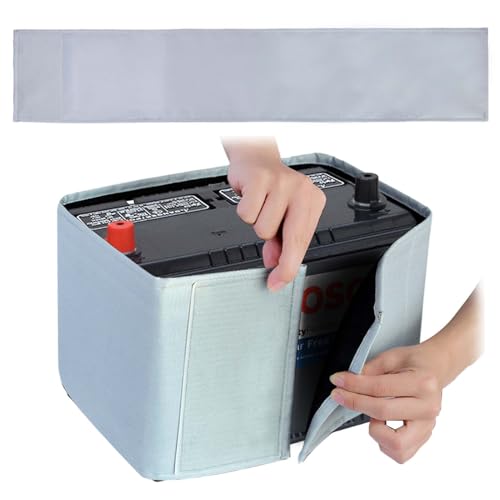
Package Include: You will receive 1pc large insulated car battery blanket, measures about 40x7inch (LxW) suitable for most large vehicle battery types, such as Truck, Tractor, 4WD, SUV, RV Battrries etc. WARNING: Anti-conductive battery insulation blanket contains a small amount of fiberglass inside, try to avoid direct contact with the skin as much as possible

【Material】This battery blanket features a three-layer structure consisting of a silicone outer layer, a middle layer of reflective aluminum foil, and an inner thermal insulation layer made of pre-oxidized fibers.
Importance of Understanding Cold Weather’s Impact
Knowing how cold weather affects your car battery is crucial for hassle-free winter driving. By taking preventive measures, you can avoid the frustration of a dead battery on a cold morning.
Signs of Battery Strain in Cold Weather
When the temperatures drop, your car battery can struggle to perform optimally, showing clear signs of strain. Here are some indicators to watch out for:
- Slow engine cranking: You may notice that the engine is not starting as quickly as usual, indicating that the battery is having a hard time providing sufficient power.
- Diminished electrical functions: Keep an eye out for weak power to your lights, dashboard, and other electrical components, suggesting that the battery is under stress.
- Clicking sound when starting: If you hear a rapid clicking noise when you try to start the engine, it could mean that the battery is struggling to deliver power.
- Check engine light: A persistent check engine light can be a sign that the battery is not functioning well in cold weather conditions.
- Corrosion on the battery terminals: Cold weather can accelerate corrosion on the battery terminals, impeding the flow of electricity.
To ensure your battery is ready for the challenges of winter, it’s essential to recognize these signs of strain and take proactive steps to protect and maintain its performance.
Recommended Products

Catch Battery Problems Early: Featured in two videos by Project Farm, a popular YouTube channel with millions of subscribers, the ANCEL BA101 helps you quickly spot battery issues before they leave you stranded. It provides easy-to-understand readings for State of Health (SOH), State of Charge (SOC), voltage, current, CCA, plus cranking and charging system tests, so you can better understand your battery and help avoid unexpected breakdowns

【Reliable Automotive Car Battery Tester】 KW208 is the most cost-effective battery load tester compared to other brands, it has all the functions you need and the lowest cost that you can afford. KW208 can test all 12V batteries(100-2000CCA) including regular flooded, AGM flat plate, AGM spiral or gel batteries. Provide overall analysis of batteries’ condition and help you know their status in advance before it dies. KW208 battery analyzer supports cranking and charging system tests also alternator and starter test. Conveniently store this car battery tester for batteries in your glove box or garage, ready for use whenever needed.

[Car Battery Tester] You can easily test and inspect your 12V lead-acid battery with this TOPDON car battery tester. The SOH (State of Health), SOC (State of Charge), Voltage, Current, Rating, and numerous other understandable analytical data are provided by this battery tester. It is compatible with 100-2000CCA regular flooded, AGM flat plate/spiral, EFB, and GEL for their optimum performance.
Tips to Maintain Battery Health in Chilly Conditions
As the temperatures drop, it’s essential to care for your car battery to ensure it performs optimally during the cold season. Here are some practical tips to help you maintain your battery’s health in chilly conditions:
- Keep It Warm: Park your vehicle in a garage or sheltered area to shield it from frigid temperatures.
- Limit Short Trips: Frequent short drives can strain the battery. When possible, combine multiple errands into one trip to minimize strain.
- Turn Off Accessories: When your vehicle is idle, switch off non-essential accessories like the radio, heating, and interior lights to conserve battery power.
- Check Battery Age: Typically, car batteries last 3-5 years. If yours is nearing this lifespan, consider getting it tested or replaced before winter hits.
- Inspect Battery Terminals: Regularly clean battery terminals to prevent corrosion, which can impede the battery’s performance.
- Use a Battery Blanket: In extremely cold climates, investing in a battery blanket can help maintain the battery’s temperature.
| Car Battery Lifespan | 3-5 years |
|---|
Recommended Products

Car Battery Preserve: car batteries are highly susceptible to extreme heat and cold weather, as well as engine vibrations, which can lead to premature failure and hazardous leaks; the automotive battery blanket is designed with high-performance materials that are wear-withstand, heat-withstand, and highly vibration-withstand; its excellent flexibility allows for a snug and comprehensive wrap, ensuring optimal preserve for your battery

Thinsulate thermal insulation helps maintain battery temperature in warm or cold weather

Package Include: You will receive 1pc small insulated car battery blanket, measures about 36x7inch (LxW) suitable for Group 24, Group 25 etc small battery types. WARNING: Anti-conductive battery insulation blanket contains a small amount of fiberglass inside, try to avoid direct contact with the skin as much as possible
Common Myths About Car Batteries in Cold Weather
When it comes to car batteries in cold weather, there are several common myths that can lead to misunderstandings. Let’s debunk a few of them to help you better understand how cold temperatures affect your vehicle’s battery.
Myth: Cold Weather Is the Main Cause of Car Battery Issues
- While cold weather can exacerbate problems, the age and condition of the battery are more significant factors in battery health.
Myth: Running Your Car Regularly Will Keep the Battery Charged
- Short trips may not give the battery enough time to fully recharge, especially in cold conditions.
Myth: New Car Batteries Are Immune to Cold Weather Problems
- Even new batteries can struggle in extreme cold, especially if they are not properly maintained.
- While the alternator plays a role in charging the battery, it is primarily responsible for recharging the battery while the engine is running – not for starting the vehicle.
Understanding these myths can help you make informed decisions when it comes to maintaining your car battery during cold weather.
Conclusion
So, remember, in cold weather, taking care of your car battery is key. While the cold can make things tougher, the age and condition of your battery matter most. Don’t fall for the myth that driving often is enough – short trips may not fully recharge your battery, especially in the cold. And even with a new battery, proper maintenance is crucial. Knowing the truth about these myths helps you make smart choices for your car battery in chilly conditions.
Frequently Asked Questions
Does cold weather affect car batteries significantly?
Cold weather can worsen existing battery issues, but the battery’s age and condition are more crucial factors.
Will running the car frequently help keep the battery charged in cold weather?
Short trips may not allow for full recharging, especially in the cold, so regular running might not solve battery issues.
Are new car batteries immune to cold weather problems?
New car batteries are not immune to cold weather problems; proper maintenance is essential for all batteries.
