

Ever found yourself running late, rushing out the door only to realize your car won’t start, and it’s not the battery? Frustrating, isn’t it? You’re not alone in this scenario. It’s a common headache that many drivers face at some point. But fear not, because in this article, you’ll discover the answers you need to get back on the road smoothly.
Imagine the relief of knowing exactly what to do when your car refuses to start, despite the battery being in good shape. No more guessing games or feeling helpless in the face of car troubles. By the end of this read, you’ll have the knowledge and confidence to tackle this issue head-on. Let’s dive in and unravel the mystery behind a non-starting car that’s not caused by the battery.
Check the Alternator
When your car won’t start and it’s not the battery, it might be time to Check the Alternator. The alternator plays a crucial role in keeping your vehicle running smoothly. Here’s how to troubleshoot this component:
- Symptoms of a Failing Alternator:
- Dimming headlights.
- Strange noises like whining or screeching.
- Issues with electrical systems in the car.
- Testing the Alternator:
- Use a multimeter to check the voltage output.
- Look for frayed belts or loose connections.
- DIY Alternator Test:
- Start the car and disconnect the battery.
- If the car stalls, it may indicate an alternator problem.
- Professional Inspection:
- If you’re unsure about testing the alternator yourself, seek help from a mechanic.
- A professional can conduct a more comprehensive test.
Remember, a faulty alternator can cause your car not to start even if the battery is fine. Stay proactive in maintaining this essential component for a reliable driving experience.
Recommended Products

【PRECISE READOUTS & CLEAR DIGITAL DISPLAY】Bright LED display shows highly clear readings in any lighting condition, 0.1V resolution gives you reliable indication and shows you the voltage number easily & quickly. Bidirectional light emitting diode on the circuit board for easy battery load testing, red light indicates positive polarity, green light indicates negative polarity.

Catch Battery Problems Early: Featured in two videos by Project Farm, a popular YouTube channel with millions of subscribers, the ANCEL BA101 helps you quickly spot battery issues before they leave you stranded. It provides easy-to-understand readings for State of Health (SOH), State of Charge (SOC), voltage, current, CCA, plus cranking and charging system tests, so you can better understand your battery and help avoid unexpected breakdowns

【Reliable Car Battery Tester】: The alternator tester can accurately determine whether the car battery needs to be replaced or if there is a power outage, and at the same time evaluate the output status of the alternator, clearly presents real-time voltage data, battery health and charging status. It can effectively prevent the battery from being damaged due to overcharging or undercharging, and extend the battery's service life.
Inspect the Starter Motor
When your car won’t start and it’s not the battery, the starter motor could be the culprit. Here’s what you can do to inspect it:
- Listen for a clicking noise when you turn the key in the ignition. This could indicate that the starter motor is receiving power but failing to engage.
- Check the electrical connections to the starter motor. Loose or corroded connections can prevent it from functioning properly.
- Inspect the starter solenoid for any signs of damage. The solenoid is responsible for engaging the starter motor when you turn the key.
- Look for visible damage such as frayed wires or dents on the starter motor. Physical damage can prevent the motor from turning over.
If you suspect an issue with the starter motor, it’s best to seek professional help for a thorough diagnosis and repair. Ignoring starter motor problems can leave you stranded when your car refuses to start.
Remember, regular maintenance of your car’s starter motor can help prevent unexpected failures and keep your vehicle running smoothly.
Recommended Products

Ford Style Solenoid Rated to 200 Amps Starting Power at 12V

Resists abrasion and corrosion

Perfect Compatibility for Specific Models: This wire connector pigtail solenoid is specifically designed for LS gen 4S、 starter motor solenoid LS3, and perfectly compatible with Camaro and Corvette. It is an ideal replacement part to meet the needs of these vehicle models, ensuring a seamless fit and reliable performance
Examine the Ignition Switch
When your car won’t start and you’ve ruled out the battery, the ignition switch could be the culprit. Here’s what to do:
- Look for signs of wear on the ignition switch.
- Try turning the key in the ignition. Does it feel loose or have trouble turning?
- Check for power to the ignition switch.
If you suspect issues with the ignition switch, it’s essential to address them promptly to ensure your car starts reliably.
Evaluate the Fuel System
When your car won’t start and it’s not the battery, the fuel system is another crucial area to examine. Here’s what you can do:
- Check Fuel Levels: Ensure there’s enough fuel in the tank. Running on empty can cause starting issues.
- Inspect Fuel Pump: Listen for a humming sound when you turn the key. No noise could indicate a faulty fuel pump.
- Inspect Fuel Filter: A clogged filter can prevent fuel from reaching the engine. Consider replacing it if needed.
- Examine Fuel Injector: Issues with the fuel injector can disrupt fuel delivery. Look for symptoms like engine misfires.
- Test Fuel Pressure: Use a gauge to check if the fuel system is maintaining adequate pressure for proper engine operation.
Remember, a well-maintained fuel system is essential for a smooth start every time.
Recommended Products
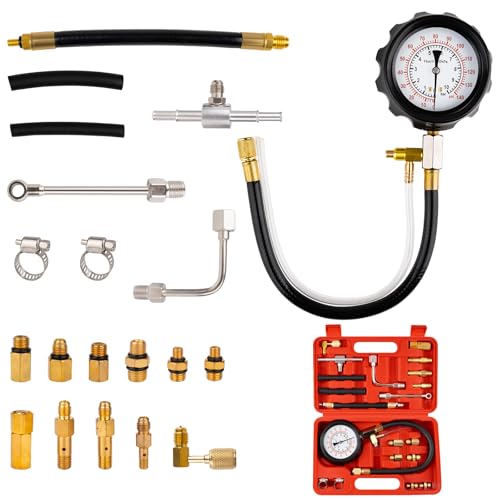
Compatibility Note: For further confirmation of specific model compatibility, refer to the vehicle owner's manual or contact a professional technician. Excludes Fo/rd, K/I/A, Bo/s/ch, C/I/S Je/tro/nic, G//M Th/rot/tle Bo/dy Systems, A/cu/ra, J/ee/p, B/M/W, Ni/s/san, and To/yo/ta fuel systems. Not compatible with small/non/standard S/chra/der vallves, high/pre/ssure direct in/ject/ed engines, or die//sel injection pumps. Verify your vehicle’s vallve size and pressure specs before purchase

Universal Design: The included adapters, hoses and fittings cover most fuel injection systems and Gas Engine Cars, Motorcycles, Trucks, SUVs, ATVs, UTVs, RVs. (Does not compatible with Bosch, CIS Jetronic, TB System on GM vehicles, 2012 Dodge 5.7L, 1999 GNMC Sonoma 4.3). Please verify your vehicle's vallve size and pressure specs before purchase
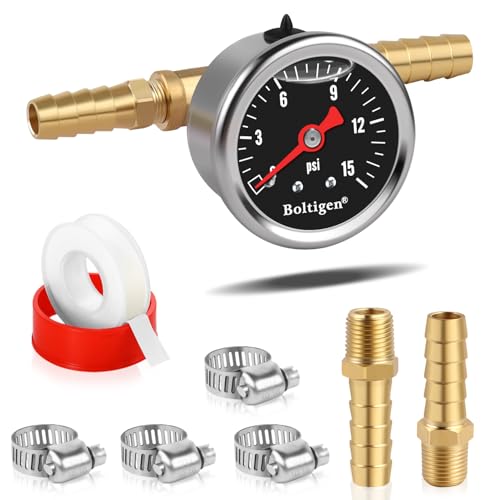
【Pressure】 The pressure gauge features a 1/8 NPT connection and is glycerin-filled, providing accurate and stable readings of fuel pressure within the range of 0-15psi, ensure optimal performance and efficiency.
Conclusion
Ensuring your car starts smoothly involves more than just checking the battery. By exploring the fuel system, you can troubleshoot starting issues effectively. From monitoring fuel levels to testing fuel pressure, each step plays a crucial role in maintaining optimal engine performance. Remember, a well-functioning fuel system is key to reliable vehicle starts. Keep these tips in mind next time your car won’t start, and you’ll be back on the road in no time.
Frequently Asked Questions
What are common reasons for car starting issues beyond the ignition switch?
Beyond the ignition switch, car starting problems can be attributed to fuel system issues. It’s crucial to check fuel levels, inspect the fuel pump, examine the fuel filter, assess the fuel injector, and test fuel pressure.
Why is evaluating the fuel system important in troubleshooting car starting problems?
Evaluating the fuel system is vital as it ensures proper fuel delivery to the engine for combustion. By checking components like the fuel pump, filter, and injector, you can identify and address any issues affecting fuel flow, which is essential for optimal engine performance and reliable starts.
How can maintaining a healthy fuel system contribute to smoother vehicle starts?
Maintaining a well-functioning fuel system by regularly checking and servicing components can enhance fuel efficiency, engine performance, and overall reliability. A healthy fuel system ensures proper fuel delivery, combustion, and engine operation, leading to smoother and more consistent vehicle starts.
