

Have you ever thought about harnessing the sun’s power to charge your devices? Wiring a solar panel to a battery can be a game-changer for your energy needs. Whether you want to power your home, a shed, or even take your adventures off the grid, understanding this simple process opens up a world of possibilities.
Key Takeaways
- Essential Components: To wire a solar panel to a battery, you need a solar panel, charge controller, battery, suitable wiring, and connectors like MC4 for efficient connections.
- Wiring Steps: Start by connecting the solar panel to the charge controller, then connect the charge controller to the battery, ensuring correct polarity to avoid damage.
- Safety Precautions: Always disconnect power while wiring, check polarity accurately, and use fuses for protection against potential short circuits.
- Choosing the Right Equipment: Select solar panels and batteries that meet your energy needs, ensuring compatibility in voltage ratings and capacity for optimal performance.
- Best Practices: Use quality wires, secure connections firmly, monitor system performance with tools like multimeters, and maintain a dry workspace to reduce electrical hazards.
Understanding Solar Panel Wiring
Wiring a solar panel to a battery involves several essential components. Understanding these components ensures a seamless and efficient connection.
Components You Need
- Solar Panel: Converts sunlight into electricity. Choose one that matches your energy requirements.
- Charge Controller: Regulates voltage and current coming from the solar panel to prevent battery overcharging. Select a controller compatible with your battery type.
- Battery: Stores energy for later use. Make sure it’s suitable for solar applications, such as a lead-acid or lithium-ion battery.
- Wiring: Use appropriate gauge wire to handle the current. Consider using solar-rated wires for durability.
- Connectors: Connect your solar panel to the charge controller and battery. Utilize MC4 connectors for efficiency.
Wiring Steps
- Connect the Solar Panel to the Charge Controller:
- Attach positive (+) and negative (-) wires from the solar panel to the corresponding terminals on the charge controller.
- Connect the Charge Controller to the Battery:
- Connect the positive (+) cable from the charge controller to the positive (+) terminal of the battery.
- Connect the negative (-) cable from the charge controller to the negative (-) terminal of the battery.
- Test the Connection:
- Monitor the charge controller display. It should indicate if the battery is charging properly.
Safety Precautions
- Disconnect Power: Always disconnect the battery and solar panel before changing connections.
- Check Polarity: Ensure positive and negative wires connect correctly to avoid damaging your equipment.
- Use Fuses: Install fuses in the positive wires for added protection against short circuits.
- What size solar panel do I need?: Calculate your energy needs in watt-hours and divide by the number of sun hours available in your area to determine panel size.
- What type of battery is best?: Lead-acid batteries work well for budget setups, while lithium-ion batteries offer better efficiency and lifespan.
- How can I monitor battery health?: Use a battery monitor to track voltage and state of charge.
By understanding the components and following these steps, wiring a solar panel to your battery becomes manageable and helps you make the most of solar energy.
Components Needed
To wire a solar panel to a battery, certain components are essential. Understanding these elements ensures a successful setup.
Recommended Products

SMART SOLAR CHARGE CONTROLLER: Solar charge the smart way with the Victron Energy SmartSolar MPPT charge controller, to ensure that every ray of available sunlight is converted into usable energy, while optimizing battery longevity.

SMART SOLAR CHARGE CONTROLLER: Solar charge the smart way with the Victron Energy SmartSolar MPPT charge controller, to ensure that every ray of available sunlight is converted into usable energy, while optimizing battery longevity.

HASSLE-FREE PLUG & PLAY: Skip the confusing setups. With smart 12V/24V auto-recognition, installation is a breeze. Simply connect your battery first (ensuring a base charge for auto-detection) followed by your solar panels, and let the controller do the rest.
Solar Panels
Solar panels capture sunlight and convert it into electricity. Choose panels based on your energy needs and installation space. Common sizes include 100W, 200W, or 300W panels. A higher wattage generates more power, but space and budget may affect your choice. Make sure to consider the efficiency rating when selecting panels.
Batteries
Batteries store the electricity generated by the solar panels. Options include lead-acid, lithium-ion, and gel batteries. Lead-acid batteries are economical but heavier and less efficient. Lithium-ion batteries, while more expensive, offer better longevity and efficiency. Ensure the battery capacity matches your energy requirements, typically measured in amp-hours (Ah). For example, a 100Ah battery can power a 100W device for roughly one hour.
Charge Controllers
Charge controllers manage the flow of electricity from the solar panels to the battery, preventing overcharging. Choose between PWM (Pulse Width Modulation) or MPPT (Maximum Power Point Tracking) controllers. PWM controllers are affordable, while MPPT controllers offer higher efficiency, especially in varying light conditions. Match the charge controller’s amperage rating to your solar panel output. For instance, if your panel outputs 10A, use a controller rated for at least 10A.
By selecting the right solar panels, batteries, and charge controllers, you can create an effective solar charging system tailored to your needs.
Wiring Process
Wiring a solar panel to a battery involves several key steps. Following these steps ensures a safe and functional setup. Here’s how to do it effectively:
Recommended Products

[ 30A Solar Charge Controller ]: The solar charger controller compatible with 12V 24V system. Discharge Current: 10A,a built-in industrial micro controller, automatically manage the working of solar panel and battery in sol ar system. Dual USB output 5V/2.5A (max), to support mobile phone charging
![[Upgraded] 30A PWM Solar Charge Controller with Auto Parameter LCD Display](https://m.media-amazon.com/images/I/41opvkWthjL._SL500_.jpg)
【UPGRADED SOLAR CONTROLLER】This solar charge controller helps you manage the working of solar panels and batteries in solar systems automatically with the build-in industrial microcontroller. You don't need to reset it when the battery runs out cause it will memorize various parameters set by the user
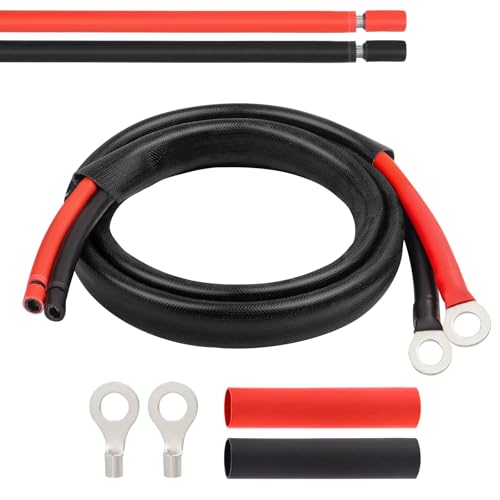
10AWG Tinned Copper Wire -- MOOKEERF solar battery cable is made of larger diameter 10AWG tinned copper wire which is minimize power loss in solar panel systems, the inner conductor consists of 84 tin-plated copper, well constructed and good conductive.
Step 1: Safety Precautions
Before starting, gather safety gear. Use gloves, goggles, and insulated tools. Turn off any connected devices. Ensure you work in a dry area. Check the solar panel’s voltage rating against the battery rating to avoid damage. Proper precaution prevents accidents.
Step 2: Connecting the Solar Panels
Begin by identifying the positive and negative terminals on your solar panel. Connect the positive terminal of the solar panel to the positive terminal of the charge controller. Use a suitable gauge wire for connections to prevent overheating. Secure the connections with proper connectors. Repeat this process for the negative terminals. Tight connections ensure optimal performance.
Step 3: Connecting the Charge Controller
Locate the solar input terminals on the charge controller. Connect the positive wire from the solar panel to the designated positive terminal on the controller. Follow this by connecting the negative wire to the negative terminal. Confirm all connections are tight. Some charge controllers display LED indicators for functionality, helping verify connections are correct before proceeding to the battery.
Step 4: Connecting the Battery
Connect the charge controller to the battery. Start with the positive terminal of the charge controller. Attach it to the positive terminal of the battery. Next, connect the negative terminal of the charge controller to the negative terminal of the battery. Ensure all connections are secure. Once connected, your system can start charging the battery when sunlight hits the solar panel.
This wiring process creates an efficient solar charging system for your energy needs.
Tips for Successful Wiring
You can ensure a successful wiring project by following effective practices and avoiding common mistakes.
Best Practices
- Select the Right Components: Use components rated for the same voltage. For a 12V system, choose a 12V solar panel, charge controller, and battery.
- Use Quality Wiring: Use copper wire with appropriate gauge for the current. Thicker wire reduces voltage drop, optimizing performance.
- Secure Connections: Tighten terminals firmly to prevent loose connections. Use soldering where necessary for added durability.
- Check Polarity: Double-check connections before powering up to prevent damage. Connect positive to positive and negative to negative.
- Maintain a Dry Workspace: Conduct wiring in a dry area to avoid electrical hazards. Wet environments increase risk.
- Monitor Performance: Use a multimeter to check voltage and ensure everything operates correctly. Regular monitoring enhances performance longevity.
- Ignoring Charge Controller Specs: Failing to match the charge controller’s amperage rating with your system can lead to overheating. Always check compatibility.
- Overlooking Battery Capacity: Using a battery with insufficient capacity may result in poor performance. Choose batteries based on your energy needs.
- Neglecting Safety Precautions: Skipping gloves and safety goggles can lead to injuries. Always prioritize safety during installation.
- Inaccurate Wiring: Not following wiring diagrams can create faulty connections. Refer to guides for proper layouts and connections.
- Forgetting Ventilation: Installing batteries in a confined space may cause overheating. Ensure good airflow around batteries to maintain performance.
Conclusion
Wiring a solar panel to a battery opens up a world of energy independence and sustainability for you. By following the steps outlined and paying attention to safety, you can create a reliable solar charging system that meets your unique energy needs.
Remember to choose quality components and monitor your setup regularly to ensure everything runs smoothly. With a bit of patience and care, you’ll be harnessing the sun’s power in no time. Enjoy the benefits of solar energy and the satisfaction that comes with a job well done. Happy wiring!
Frequently Asked Questions
What are the benefits of using solar power to charge devices?
Using solar power to charge devices offers numerous benefits, including reduced electricity costs, energy independence, and environmental sustainability. It allows you to harness renewable energy for your homes, sheds, or off-grid adventures, making it a versatile energy solution.
What are the essential components needed for wiring a solar panel to a battery?
The essential components include a solar panel, charge controller, battery, wiring, and connectors. Each component plays a vital role in ensuring efficient energy transfer and maintaining the system’s safety and effectiveness.
How do I connect a solar panel to a battery?
To connect a solar panel to a battery, begin by attaching the solar panel to the charge controller. Then, connect the charge controller to the battery, ensuring that all connections are secure and correctly polarised to avoid damage.
What safety precautions should I take when wiring solar panels?
Always wear gloves and goggles while working with electricity. Ensure your workspace is dry, and check all connections for security. Keeping safety as a priority can help prevent accidents during installation.
How do I determine the appropriate size of the solar panel?
To determine the correct size of the solar panel, calculate your energy needs in watt-hours and consider factors like sunlight availability. This will help you choose a panel with the right wattage to meet your requirements efficiently.
What type of battery is best for solar applications?
The best type of battery for solar applications depends on your energy needs and budget. Lead-acid batteries are affordable but have a shorter lifespan, while lithium-ion batteries are more durable and efficient but come at a higher cost.
What is the role of a charge controller in a solar system?
A charge controller regulates the electricity flow from the solar panel to the battery, preventing overcharging and deep discharging. It helps maintain battery health and prolongs the lifespan of your solar charging system.
What common mistakes should I avoid when setting up a solar charging system?
Avoid overlooking charge controller specifications, miscalculating battery capacity, neglecting safety precautions, and using low-quality wiring. Check all connections and ensure proper ventilation to prevent overheating and ensure optimal performance.
