

Have you ever thought about harnessing solar energy but felt stuck because you didn’t want to deal with batteries? You’re not alone. Many people want to go green without the added complexity of battery storage.
Key Takeaways
- Understanding Solar Panels: Solar panels convert sunlight into electricity, utilizing photovoltaic cells that generate direct current (DC) power, which is then converted to alternating current (AC) for household use.
- Cost and Space Efficiency: Using solar panels without batteries significantly reduces installation costs and saves space, allowing for more panels to be installed, which enhances energy production.
- Direct Connection to Power Loads: Connect solar panels directly to appliances for real-time energy usage, ensuring you consume generated electricity immediately without the need for battery storage.
- Considerations for Energy Reliability: Without battery storage, solar energy availability is limited to daylight hours, necessitating robust planning to manage energy consumption during cloudy days and at night.
- Use of Solar Charge Controllers: Incorporating a solar charge controller helps regulate output and protect appliances while maximizing efficiency and performance in a battery-free setup.
- Monitoring Energy Consumption: Tracking usage patterns can optimize solar energy utilization and encourage usage of high-demand appliances during peak sunlight hours.
Understanding Solar Panels
Solar panels are essential components in harnessing solar energy. They convert sunlight into electricity, enabling you to power devices and appliances without relying on traditional energy sources. Knowing how solar panels function can provide insight into using them without battery storage.
What Are Solar Panels?
Solar panels consist of photovoltaic (PV) cells that capture sunlight. These cells, usually made from silicon, produce electricity when exposed to light. Panels come in various types, including monocrystalline, polycrystalline, and thin-film, each with different efficiencies and costs. Monocrystalline panels are often the most efficient, while thin-film panels tend to be less expensive but require more space.
How Do They Work?
Solar panels work by converting sunlight into direct current (DC) electricity. Here’s how the process unfolds:
- Sunlight Absorption: PV cells absorb sunlight and release electrons, generating electricity.
- Direct Current Generation: The flow of electrons produces DC electricity.
- Inverter Conversion: An inverter converts the DC electricity into alternating current (AC), which powers most household appliances.
- Usage: The AC electricity can be used immediately in your home or business, aligning with real-time energy demands.
Using solar panels without batteries means you rely on direct consumption of the electricity produced during the day. It’s effective for reducing energy bills and minimizing carbon footprints while enjoying the benefits of renewable energy.
Benefits of Using Solar Panels Without Battery
Using solar panels without batteries offers several distinct advantages, including cost efficiency and space savings.
Recommended Products

【High Conversion Rate】This 20W solar panel with monocrystalline A+ solar cell has an excellent cell efficiency of 21%-30%. Designed to charge and maintain 12V rechargeable batteries like LiFePO₄, Lithium Ion, AGM, SLA, GEL, EFB, MF, etc. Keep batteries in charged for trailer, tractor, truck, boat, motorcycle, RV, car, lawn mower, water pump, gate opener, electric fence, etc
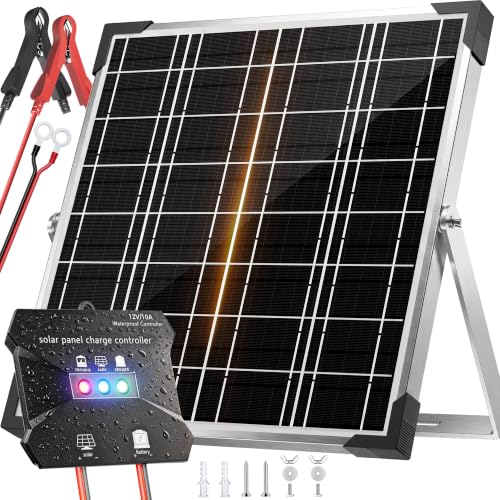
High-Efficiency MPPT Solar Charger - Advanced tracking technology delivers 20-30% faster charging for 12V batteries. A+ monocrystalline panels maximize power conversion. Perfect 20W solar trickle charger for cars, RVs, boats, and trailers. More sun captured, less time waiting.
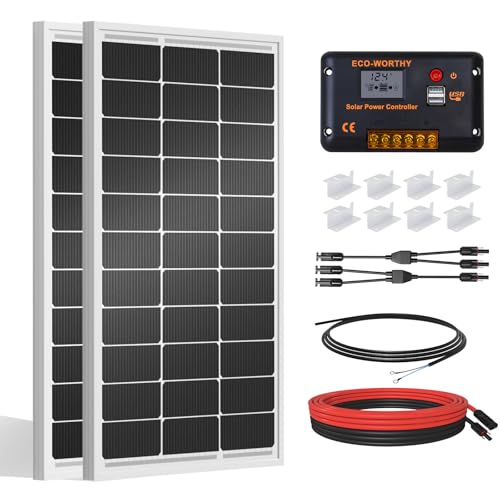
[Wide Application]: Daily Output 800wh/day under 4 hours full sunshine condition. Perfect for RV, Caravan, Marine, Camper, Electric scooter, Golf Carts, Power wheels, Trolling motor, Tool trailer, Backup power supply for cabin shed home etc.
Cost Efficiency
Choosing solar panels without batteries significantly lowers your initial investment. You avoid the high costs associated with battery storage systems, making solar energy more accessible. Directly using the energy your panels generate during the day eliminates the need to purchase electricity from the grid. Your utility bills decrease because you consume what you produce. In addition, maintenance costs drop, as batteries often require regular upkeep and replacements. For example, a solar panel system averaging $10,000 can save thousands over its lifetime without the added expense of battery storage.
Space Savings
Installing solar panels without batteries saves valuable space. Battery systems require additional room for installation, restricting where you can place your solar setup. When you opt for a configuration without batteries, you can allocate that space to more solar panels. More panels mean more energy generation, which enhances efficiency and utility savings. If your rooftop or property has limited space, maximizing panel count by forgoing batteries becomes a smart choice. By focusing on solar panels alone, you streamline your energy system while maintaining effectiveness.
How to Use Solar Panel Without Battery
Using solar panels without batteries simplifies your solar energy system. You can connect solar panels directly to your power loads, allowing you to consume generated electricity in real-time.
Direct Connection to Power Loads
Connect solar panels directly to your appliances for immediate energy use. This setup eliminates the need for batteries. For example, when sunlight hits the panels, they generate electricity that powers lights, refrigerators, and air conditioners right away.
- Identify Power Loads: Determine which devices can benefit from solar energy.
- Check Power Needs: Ensure the combined wattage of your devices does not exceed the panel’s output.
- Use Appropriate Wiring: Utilize proper gauge wiring to minimize energy loss.
- Monitor Energy Consumption: Track usage to optimize solar energy utilization.
Using a Solar Charge Controller
Incorporate a solar charge controller to manage power output effectively. A charge controller regulates voltage and current from the panels, protecting your appliances.
- Choose the Right Controller: Select a charge controller compatible with your solar panel voltage and amperage.
- Connect Panels to Controller: Wire the solar panels to the input terminals of the controller.
- Connect Controller to Loads: Link the output terminals of the controller to your appliances or power system.
- Adjust Settings as Necessary: Set the controller based on the needs of your appliances for optimal performance.
Using a solar charge controller enhances efficiency, ensuring a stable power supply while safeguarding your electronic devices. With these clear steps, you can successfully harness solar energy without battery storage.
Challenges of Using Solar Panels Without Battery
Using solar panels without battery storage presents unique challenges you must consider. These challenges primarily revolve around energy reliability and storage limitations.
Reliability Issues
Reliability issues can arise due to dependence on sunlight. Solar panels generate electricity only during daylight hours, meaning you can’t access energy at night. On cloudy or rainy days, production significantly decreases, potentially affecting your power supply. This inconsistency makes it harder to meet energy demands, especially for households with high usage. Consider installing multiple solar panels to increase energy generation capacity, which can help mitigate some reliability concerns. Ensure you track weather forecasts, so you’re prepared for lower production days.
Limited Energy Storage
Limited energy storage poses a significant challenge. Without batteries, any excess energy produced during the day isn’t stored for later use. If your energy consumption exceeds production during the day or you encounter a sudden increase in demand, you’ll need an alternative power source. This situation could result in higher utility bills or power shortages during peak demand times. To address this, monitor your energy usage patterns. Identify opportunities to use more energy during peak sunlight hours, especially for appliances like dishwashers and washing machines. Additionally, consider investing in energy-efficient appliances to reduce overall consumption, further minimizing reliance on utility power.
Conclusion
Embracing solar energy without batteries can be a game-changer for your home. By directly using the electricity generated during the day you can enjoy lower energy bills and a smaller carbon footprint.
With the right setup you can maximize the efficiency of your solar panels while keeping things simple and cost-effective. Just remember to monitor your energy needs and be mindful of the sunlight hours to ensure you’re making the most of your solar investment.
Going battery-free doesn’t just save money; it also opens up more space for additional solar panels if you choose to expand your system in the future. Enjoy the benefits of harnessing clean energy and take a step towards a sustainable lifestyle.
Frequently Asked Questions
What are the main challenges of using solar energy without battery storage?
Using solar energy without battery storage can lead to reliability issues since solar panels only generate electricity during daylight hours. This means homeowners may face power shortages at night or on cloudy days. Additionally, without batteries, excess energy produced cannot be stored for later use.
What types of solar panels are there?
There are three main types of solar panels: monocrystalline, polycrystalline, and thin-film. Monocrystalline panels are known for high efficiency and space-saving design, while polycrystalline panels are more cost-effective but slightly less efficient. Thin-film panels offer flexibility and lower weight, but typically have the lowest efficiency.
How do solar panels convert sunlight into electricity?
Solar panels use photovoltaic (PV) cells to convert sunlight into electricity. When sunlight hits these cells, it excites electrons, generating direct current (DC) electricity. This DC electricity is then converted to alternating current (AC) for use in homes through an inverter.
What are the benefits of using solar panels without batteries?
Using solar panels without batteries saves on initial costs, as battery storage can be expensive. Additionally, it reduces maintenance costs and installation space. Homeowners can directly consume electricity generated during the day, lowering utility bills and minimizing their carbon footprints.
How can homeowners use solar panels without battery storage effectively?
Homeowners can connect solar panels directly to power loads for real-time energy consumption. It involves identifying power loads, assessing energy needs, using appropriate wiring, and monitoring energy consumption. A solar charge controller may also help manage power output to maintain appliance safety.
How can potential energy shortages be addressed without battery storage?
To address potential energy shortages when using solar panels without battery storage, homeowners can install multiple solar panels and track weather forecasts to optimize energy production. Monitoring energy usage patterns and investing in energy-efficient appliances can also help reduce reliance on the grid during peak times.
