

Are you unsure if your solar batteries are performing at their best? You’re not alone. Many people rely on solar energy but often overlook the importance of testing their batteries regularly. A simple test can reveal how well your system is functioning and whether it’s time for a replacement.
Key Takeaways
- Understanding Battery Types: Familiarize yourself with the key differences between solar battery types, including lead-acid, lithium-ion, flow, and nickel-cadmium, to choose the best option for your solar energy system.
- Importance of Regular Testing: Conduct regular tests every 6 to 12 months to ensure optimal performance and identify potential issues, such as decreased capacity or voltage drops.
- Testing Procedures: Utilize tools like multimeters and battery analyzers to perform essential voltage and capacity tests to assess the health of your solar batteries accurately.
- Analyzing Results: Learn to interpret voltage readings and capacity performance to make informed decisions on maintenance or replacement of solar batteries.
- Common Issues to Watch For: Recognize signs of faulty batteries, including low voltage, swelling, and unusual noises, to address problems proactively before they affect your system.
- Maintenance Tips: Implement routine maintenance practices, such as cleaning terminals and checking water levels, to extend the lifespan and efficiency of your solar batteries.
Understanding Solar Batteries
Solar batteries store energy generated by solar panels for later use. Understanding different types of solar batteries and the importance of regular testing helps maximize their efficiency and lifespan.
Types of Solar Batteries
- Lead-Acid Batteries
Lead-acid batteries are common in residential solar setups. They’re cost-effective but have a shorter lifespan, usually around 3 to 5 years. Their depth of discharge (DoD) typically sits at 50%. - Lithium-Ion Batteries
Lithium-ion batteries offer a longer lifespan, around 10 to 15 years. They feature higher efficiency and a greater DoD of up to 80-90%. These batteries often come with a higher initial cost but provide better value over time. - Flow Batteries
Flow batteries use liquid electrolyte solutions, which can last for over 20 years. They excel in scalability and offer flexibility in energy storage but are less common for residential applications. - Nickel-Cadmium Batteries
Nickel-cadmium batteries perform well in extreme temperatures and have a long lifespan of around 10-15 years. However, their higher cost and environmental impact make them less attractive for many users.
Importance of Testing
Regular testing of solar batteries ensures they operate at peak performance. Testing uncovers issues like decreased capacity, which can lead to energy shortages. You should perform these tests every 6 to 12 months.
- Capacity Check
Measuring the actual capacity against the rated capacity gives insights into battery health. If the capacity drops significantly, consider replacing the battery. - Voltage Testing
Use a multimeter to check voltage levels. Consistent readings below the optimal range signal potential problems. - Temperature Assessment
Ensure batteries maintain a suitable temperature range. Extreme temperatures can negatively affect performance and lifespan. - Physical Inspection
Check for corrosion, leaks, or swelling. Visual inspections often reveal issues that tests might not identify.
By understanding the different types of solar batteries and the need for regular testing, you can ensure your energy system functions efficiently and lasts longer.
Preparing for the Test
Preparing for the test of your solar batteries ensures accurate results and safe procedures. Follow these guidelines to get started efficiently.
Tools Needed
- Multimeter: Measures voltage, current, and resistance. Essential for checking battery output.
- Battery Analyzer: Provides detailed insights on battery health and efficiency.
- Hydrometer: Specifically for lead-acid batteries. It checks the state of charge and electrolyte levels.
- Terminal Brush: Cleans battery connections, improving the accuracy of your tests.
- Safety Goggles and Gloves: Protects your eyes and skin from battery acid or sparks.
- Disconnect Power: Always disconnect the solar power system before working on batteries. This prevents accidents and equipment damage.
- Check for Damage: Inspect batteries for cracks or leaks. Damaged batteries can be hazardous.
- Work in a Ventilated Area: Ensure adequate airflow to prevent the buildup of harmful gases.
- Avoid Short Circuits: Keep tools and metal objects away from battery terminals to prevent sparks.
- Use Insulated Tools: Utilizing insulated tools helps protect against electric shock.
By gathering the right tools and following safety precautions, you set yourself up for a successful battery test.
Testing Procedures
Testing solar batteries regularly ensures optimal performance and longevity. Follow these procedures to effectively assess battery health.
Recommended Products
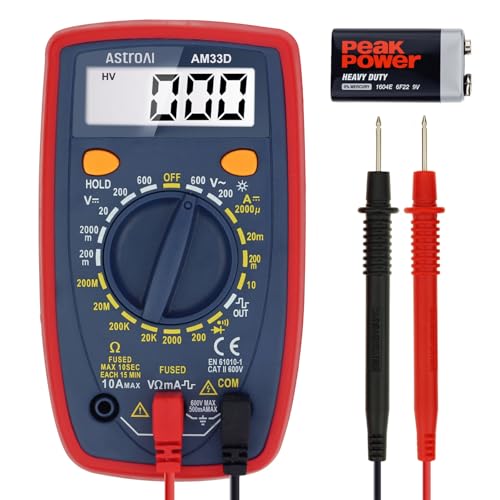
Additional Tips - The following incorrect operations may cause the multimeter not to show results: Firstly, the plugs of test leads are not fully inserted or not inserted into the correct sockets. Secondly, the manual rotary switch is not placed in the correct position. In addition, this meter can not test all AC Current and below 100mV AC Voltage. Please check the user manual carefully before measurement.
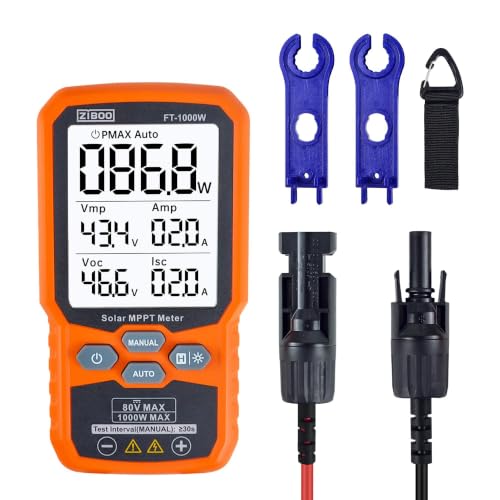
⚡ Professional-Grade PV Testing Measures maximum power (Pmax) up to 1000W, open-circuit voltage (Voc: 12-80V), and short-circuit current (Isc: 35A) with ±0.8% accuracy, ideal for validating solar panel performance in R&D, manufacturing, and field maintenance.

Accurately Test Full Features: Accurately measures AC/DC voltage, DC current, resistance, continuity test, diode and batteries.
Voltage Tests
- Turn off the solar system to eliminate interference.
- Use a multimeter to measure the voltage at the battery terminals.
- Compare your readings to the manufacturer’s specifications. Optimal voltage levels typically range from 12.6V to 12.8V for lead-acid batteries and 13.5V to 14.5V for lithium-ion batteries.
- Record any discrepancies. Significant deviations may indicate a need for further evaluation or replacement.
Capacity Tests
- Fully charge the battery before starting the test.
- Disconnect the battery from the solar system while also ensuring it’s isolated from other loads.
- Use a battery analyzer to conduct a capacity test. This tool discharges the battery at a specified rate until it reaches a cutoff voltage.
- Compare the measured capacity to the rated capacity. If the usage capacity falls below 80% of the rated specs, consider a replacement.
- Ensure the battery is fully charged.
- Use a battery tester designed to measure internal resistance.
- Connect the tester to the battery terminals. Follow the device instructions for accurate readings.
- Assess the internal resistance value. A rise in resistance often indicates aging or damage. Values above 10 milliohms for lithium-ion or 20 milliohms for lead-acid batteries may signal issues.
Adhering to these procedures helps maintain your solar battery system, ensuring reliable power storage and efficiency.
Analyzing Test Results
After completing the testing process, analyzing the results reveals battery health and overall system efficiency. You can interpret the data to make informed decisions about your solar battery management.
Interpreting Voltage Readings
Voltage readings provide critical insights into the battery’s performance. You measure voltage at the terminals with a multimeter after turning off the solar system.
- Compare Readings: Compare the measured voltage to the manufacturer’s specified voltage. A fully charged lead-acid battery typically shows around 12.6 to 12.8 volts, while lithium-ion batteries should read between 13.2 to 13.6 volts.
- Evaluate Deviation: Deviations from these values indicate potential issues. If the voltage drops below 12.0 volts for lead-acid batteries, or below 12.5 volts for lithium-ion ones, it signals that the battery is either deeply discharged or may be failing.
- Monitor Trends: Take note of voltage trends over time. Consistent drops can indicate underlying problems, warranting further investigation or replacement.
Understanding Capacity Performance
Capacity performance reflects how well your battery can store and deliver energy. To assess capacity, you use a battery analyzer and undertake these steps:
- Full Charge: Start with a fully charged battery. Ensure it reaches its specified maximum voltage.
- Disconnect: Disconnect it from the solar system, allowing for an accurate capacity measurement unaffected by external power sources.
- Conduct a Test: Use the battery analyzer to determine how much energy the battery can hold. Ideally, the capacity should remain above 80% of the rated specifications. For example, if your battery’s rated capacity is 100Ah, it should deliver at least 80Ah.
- Identify Decreases: If the capacity tests below this threshold, it’s crucial to consider battery maintenance or replacement options.
By interpreting voltage readings and understanding capacity performance, you ensure your solar battery operates efficiently, maximizing the longevity and performance of your solar energy system.
Common Issues and Solutions
Testing solar batteries helps identify common problems that affect performance. Recognizing these issues allows you to take action quickly, ensuring your solar energy system runs at its best.
Identifying Faulty Batteries
Think about the symptoms of a faulty battery. If your battery shows a significantly lower voltage than the manufacturer’s specifications, it indicates a potential failure. For instance, if a lithium-ion battery reads below 12.6 volts while fully charged, consider it suspect. Other signs include:
- Swelling or distortion: Physical changes in battery shape show internal damage.
- Unusual noises: Hissing or popping sounds can indicate chemical reactions inside the battery.
- Frequent discharging: If you notice the battery discharges too quickly, it may signal reduced capacity.
Using a multimeter for testing helps pinpoint faults efficiently. Conduct thorough checks every 6 to 12 months to catch issues early.
Maintenance Tips
Regular maintenance extends the life of your solar batteries. Here are essential tips to keep them in optimal condition:
- Clean terminals: Use a terminal brush to remove corrosion from battery terminals regularly.
- Check water levels: For lead-acid batteries, maintain proper water levels to prevent sulfate buildup.
- Inspect connections: Ensure connections remain secure and free of debris to avoid short circuits.
- Monitor temperatures: Keep batteries in a temperature-stable environment, as extreme heat or cold affects performance.
- Test regularly: Perform voltage and capacity tests every 6 to 12 months for early detection of potential issues.
By staying proactive with maintenance and testing, you can enhance battery performance and overall system reliability.
Conclusion
Testing your solar batteries is key to keeping your energy system running smoothly. By staying on top of regular checks and maintenance you can catch potential issues before they become major problems.
Remember to use the right tools and follow safety guidelines to ensure a smooth testing process. Each battery type has its unique characteristics so understanding those can help you make informed decisions about your system’s health.
With a little effort you can significantly extend the life of your batteries and enhance their performance. Embrace this proactive approach and enjoy the benefits of a reliable solar energy system.
Frequently Asked Questions
Why is testing solar batteries important?
Regular testing of solar batteries is crucial for optimal performance and longevity. It helps identify issues early, such as decreased capacity, voltage inconsistencies, and other faults, allowing users to take action before problems worsen.
How often should I test my solar batteries?
It is recommended to test solar batteries every 6 to 12 months. Regular testing ensures that any potential issues are detected early enough to maintain system efficiency and prolong battery life.
What types of solar batteries are there?
There are several types of solar batteries, including lead-acid, lithium-ion, flow, and nickel-cadmium. Each type has different lifespans, efficiencies, and costs, which can impact your solar energy system’s overall performance.
What tools do I need to test my solar batteries?
Essential tools for testing solar batteries include a multimeter, battery analyzer, hydrometer, terminal brush, and safety gear like goggles and gloves. These tools help ensure accurate testing and safe maintenance procedures.
What safety precautions should I take while testing?
When testing solar batteries, be sure to disconnect power, check for damage, work in a ventilated area, avoid short circuits, and use insulated tools. Following these safety guidelines minimizes risks during the testing process.
How do I interpret the results of battery tests?
Interpreting test results involves checking voltage readings, capacity measurements, and internal resistance. Compare the results against manufacturer specifications to assess battery health and identify any maintenance or replacement needs.
What are common signs of battery performance issues?
Common signs include significantly lower voltage readings, physical changes like swelling, unusual noises, and frequent discharging. These indicators suggest that the battery may be failing and should be tested or replaced promptly.
How can I extend the life of my solar batteries?
To extend the life of solar batteries, regularly clean terminals, check water levels for lead-acid types, inspect connections, monitor temperatures, and conduct routine tests. Proactive maintenance helps enhance performance and reliability.
