

Are you wondering if your solar battery charger is working efficiently? You’re not alone. Many people invest in solar chargers to harness renewable energy, but knowing if they’re performing as expected can be tricky.
Imagine planning a weekend camping trip only to find your devices dead because your charger didn’t do its job. Testing your solar battery charger can save you from those frustrating moments. In this article, you’ll learn simple steps to check its performance and ensure it’s ready for your next adventure. With just a few easy tests, you can feel confident that your solar charger is up to the task.
Key Takeaways
- Understand Solar Charger Types: Familiarize yourself with different solar charger types, such as portable chargers, maintainers, power banks, and integrated systems, to choose the right one for your needs.
- Preparation for Testing: Gather necessary tools (like a multimeter and compatible battery) and follow safety precautions to ensure a successful testing environment.
- Step-by-Step Testing Process: Connect the battery to the charger, position it in direct sunlight, measure the voltage output, and confirm the battery is charging effectively.
- Analyze Voltage Outputs: Record and interpret voltage readings during the testing process to gauge the charger’s performance, noting initial, charging, and final voltage levels.
- Evaluate Charging Efficiency: Assess how long it takes to fully charge the battery and determine current output for insights into the charger’s efficiency in different environmental conditions.
- Troubleshoot Common Issues: Identify and resolve problems like slow charging or inconsistent voltage by checking connections, inspecting the battery, cleaning the solar panels, and adjusting their position.
Understanding Solar Battery Chargers
Solar battery chargers capture sunlight and convert it into electric energy to charge batteries. Knowing how these chargers work helps you test their efficiency, ensuring reliable power for your devices.
What Is a Solar Battery Charger?
A solar battery charger uses solar panels to harness sunlight. It collects solar energy, converts it into electrical energy, and stores it in batteries for later use. These chargers work best in sunny conditions and are ideal for outdoor activities or backup power at home. When fully charged, they can power devices like phones, tablets, and lights.
- Portable Solar Chargers:
- Lightweight and compact, portable solar chargers enable charging on the go. Find them with USB ports for easy connections to various devices.
- Solar Battery Maintainers:
- Solar battery maintainers keep batteries at optimal charge levels. These are great for vehicles or devices not in regular use, preventing battery degradation.
- Solar Power Banks:
- Equipped with built-in batteries, these devices store solar energy for future charging. Ideal for camping, they allow you to charge multiple devices without direct sunlight.
- Solar Panels with Charge Controllers:
- These systems integrate solar panels and a charge controller to optimize battery charging. They suit larger energy needs, connecting to various battery types.
- Integrated Solar Chargers:
- Some devices come with solar panels embedded, allowing charging while in use. Examples include solar-powered lights and some outdoor equipment.
Understanding these charger types aids in selecting the right one for your needs, ensuring dependable energy when you’re away from traditional power sources.
Preparing for Testing
Testing your solar battery charger ensures it works properly and provides reliable power. Follow these steps to prepare effectively.
Recommended Products

【7 Modes Display Monitor】 DROK USB Tester is equipped with digital color LED display screen, which can be switched between 7 display modes. This multimeter can be used to measure voltage, current, power, capacity. Through the 7 modes, you can clearly see the voltage, current, capacity and power during charging. Only 1 button to switch the display mode, simple and handy.

【7 Modes Display Monitor】 DROK USB Tester is equipped with digital color LED display screen, which can be switched between 7 display modes. This multimeter can be used to measure voltage, current, power, capacity. Through the 7 modes, you can clearly see the voltage, current, capacity and power during charging. Only 1 button to switch the display mode, simple and handy.
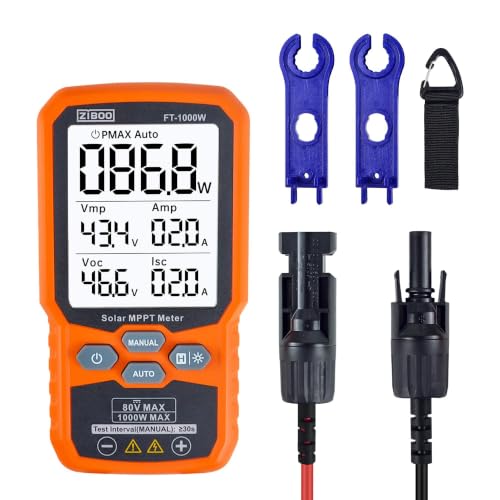
⚡ Professional-Grade PV Testing Measures maximum power (Pmax) up to 1000W, open-circuit voltage (Voc: 12-80V), and short-circuit current (Isc: 35A) with ±0.8% accuracy, ideal for validating solar panel performance in R&D, manufacturing, and field maintenance.
Necessary Tools and Equipment
Gather these essential tools for testing your solar battery charger:
- Multimeter: Use this tool to measure voltage and current accurately.
- Solar Battery Charger: Ensure it’s clean and in good condition.
- Battery: A compatible battery to charge, preferably one at a low state of charge.
- Sunlight Source: Test outdoors in direct sunlight or use a high-output lamp.
- Cables and Connectors: Use appropriate cables to connect the charger to the battery without damage.
Safety Precautions
Follow these safety precautions during testing:
- Avoid Overcharging: Never leave the charger connected to the battery for too long. Monitor it closely.
- Check Connections: Ensure all connections are secure before starting the test. Loose connections can lead to sparks or shorts.
- Wear Protective Gear: Use safety glasses and gloves to protect against shocks and spills.
- Keep a Fire Extinguisher Handy: In case of emergencies, keep a fire extinguisher rated for electrical fires nearby.
- Stay in the Shade When Not Testing: To prevent heat exhaustion, step into the shade when monitoring the charger.
By preparing thoroughly, you create an optimal environment for testing your solar battery charger efficiently.
How to Test a Solar Battery Charger
Testing a solar battery charger ensures it functions properly, providing reliable power for your devices. Follow these steps for effective testing.
Recommended Products

240W USB C Power Meter: The digital multimeter USB tester can check the charging performance of the output wall/car/solar panel charger and USB charging cable. Measurement voltage: 4V-30V;Measurement current: 0-12A.

For 6 and 12 Volt batteries

Comprehensive Measurement Capabilities: This multi-functional watt meter power analyzer accurately measures voltage, current (amp meter), power, discharge capacity, and time. It serves as both a solar panel tester and solar power meter, compatible with solar, wind, EV, and battery systems (voltage range: 4.8-60V)
Step-by-Step Testing Process
- Gather Your Tools: You’ll need a multimeter, a compatible battery, and appropriate cables. Ensure the multimeter is set to measure voltage.
- Connect the Battery: Attach the battery to the solar charger using the appropriate cables. Ensure the connections are secure.
- Position the Charger: Place the solar charger in direct sunlight. Optimal solar exposure aids accurate testing.
- Measure Voltage Output: After a few hours in the sun, use the multimeter to check the voltage output from the charger. Record this value.
- Assess Battery Charging: Check the battery voltage with the multimeter. If it’s charging, the battery voltage will rise compared to its initial state.
- Repeat Tests: Perform the test several times on different sunny days to confirm consistent performance.
- Voltage Output: Check the output voltage from the solar charger. It should align with the specifications listed in your charger’s manual.
- Charging Time: Measure how long it takes to reach a fully charged state. Differences here can indicate performance issues.
- Battery Voltage: Look for the battery’s voltage before and after charging. A significant increase confirms effective charging.
- Environmental Conditions: Note factors like sunlight strength and angle, which affect performance. Testing during peak sunlight hours provides the most accurate results.
- Current Output: If your multimeter can measure current, check how much current the solar charger produces. Higher current encourages faster charging.
Analyzing Test Results
Analyzing test results helps you determine the performance and efficiency of your solar battery charger. This section focuses on interpreting voltage readings and evaluating charging efficiency.
Interpreting Voltage Readings
Interpreting your voltage readings offers insight into how well your solar battery charger performs. Voltage measurements indicate the amount of electrical potential available at the battery terminals.
- Check Initial Voltage: Before testing, record the battery’s resting voltage. A fully charged battery typically registers around 12.6 volts or higher.
- Measure During Charging: Use a multimeter to measure the voltage output while the solar charger is connected. Optimal readings should be consistent with the charger’s specifications. For example, if a charger claims to output 18 volts, readings should reflect that during sunlight exposure.
- Observe Changes: Monitor the voltage every hour after connecting the charger. A steady increase in voltage indicates effective charging. If readings plateau or decrease, the charger may not function correctly or the battery could be fully charged.
Evaluating Charging Efficiency
Evaluating charging efficiency allows you to understand how effectively the solar charger transfers energy to the battery.
- Calculate Charging Time: Note how long it takes to charge the battery fully under optimal sunlight conditions. Compare this duration with the charger’s rating to gauge efficiency.
- Assess Current Output: Measure the current (in amps) flowing from the charger to the battery using a multimeter. Match this value with the specifications of the battery. Efficient chargers typically provide at least 1 amp of current for smaller batteries.
- Compare Environmental Factors: Analyze how environmental conditions affect performance. High temperatures and bright sunlight might increase efficiency, while cloudy or shaded conditions diminish it. Always test in similar weather to ensure consistent data.
- Document Results: Keep a record of your findings, including voltage readings, charging time, and environmental conditions. This information can help track improvements or identify issues with the charger over time.
By thoroughly analyzing voltage readings and charging efficiency, you can comprehensively assess your solar battery charger’s performance.
Troubleshooting Common Issues
Testing a solar battery charger can reveal several common issues affecting performance. Recognizing these problems early ensures a better experience, especially during outdoor activities.
Recommended Products
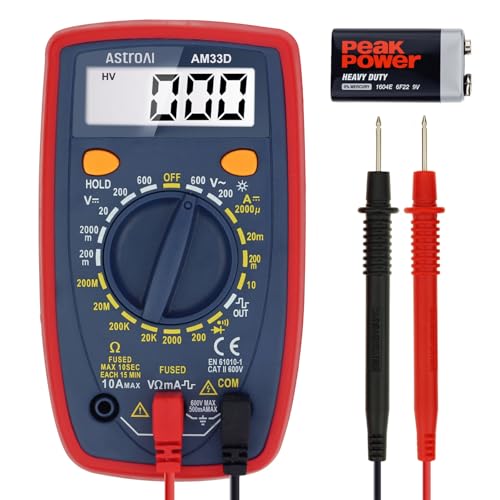
Additional Tips - The following incorrect operations may cause the multimeter not to show results: Firstly, the plugs of test leads are not fully inserted or not inserted into the correct sockets. Secondly, the manual rotary switch is not placed in the correct position. In addition, this meter can not test all AC Current and below 100mV AC Voltage. Please check the user manual carefully before measurement.
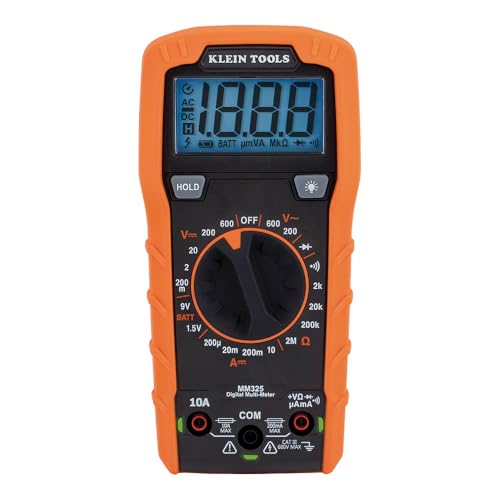
VERSATILE FUNCTIONALITY: Measures AC/DC voltage up to 600V, 10A DC current, 2MΩ resistance; additional features include continuity, diode test and battery test

[5V-60V WIDE RANGE] Our versatile voltage tester handles anything from 6V motorcycle batteries to 48V golf cart systems. A digital battery tester for car, motorcycle, boat, RV, golf cart, and off-grid solar setups.
Identifying Underperformance
You may experience underperformance if your solar battery charger isn’t producing adequate voltage. Key indicators include:
- Slow Charging: If charging takes longer than expected, there might be an issue with the charger or battery.
- Inconsistent Voltage Readings: Voltage should remain stable during exposure to sunlight. Fluctuations can indicate problems.
- Low Output: A charger that fails to produce at least 5 volts under direct sunlight isn’t functioning correctly.
Solutions for Common Problems
Pinpointing issues with your solar battery charger requires a few troubleshooting steps. Here are solutions to common problems:
- Check Connections: Ensure all cables and connections are secure. Loose connections can hinder power transfer.
- Inspect the Battery: Examine the battery for signs of damage or wear. Replacing a faulty battery can often resolve performance issues.
- Clean the Charger: Dust and debris on solar panels can block sunlight. Regular cleaning enhances charging efficiency.
- Adjust the Position: Move the charger to maximize exposure to sunlight. Changing the angle or location can improve voltage output.
- Test with Different Batteries: Trying out different batteries can determine if the issue lies with the charger or the battery itself.
Employing these strategies helps maintain a well-functioning solar battery charger. Regular testing and troubleshooting ensure reliable power when you need it most.
Conclusion
Testing your solar battery charger is a smart way to ensure you’re always prepared for your outdoor adventures. By following the steps outlined and keeping an eye on performance indicators you can identify any issues before they become a problem.
Regular maintenance and testing will not only extend the life of your charger but also give you peace of mind knowing your devices will stay powered. Remember to document your results and adjust your setup as needed for the best performance. With a little effort you can enjoy reliable energy from the sun whenever you need it. Happy charging!
Frequently Asked Questions
What are solar battery chargers used for?
Solar battery chargers are used to capture sunlight and convert it into electric energy for charging various types of batteries. They are especially useful during outdoor activities, like camping, where access to traditional power sources may be limited.
How do I test the performance of my solar battery charger?
To test your solar battery charger, gather necessary tools like a multimeter, a compatible battery, and appropriate cables. Connect the battery securely, place the charger in direct sunlight, and measure its voltage output after a few hours to assess charging effectiveness.
What tools do I need to test my solar battery charger?
You will need a multimeter, a compatible battery, appropriate cables, and safety gear. It’s also useful to have a fire extinguisher nearby for safety during testing.
Why is it important to prepare before testing a solar battery charger?
Preparation ensures you create an optimal environment for testing. It helps avoid issues like overcharging and unsafe connections, ultimately leading to more accurate results when measuring the charger’s performance.
What factors should I monitor when testing my solar battery charger?
Monitor voltage output, charging time, battery voltage changes, current output, and environmental conditions during testing. These factors can help you evaluate the charger’s efficiency and overall performance.
How can I troubleshoot underperformance in my solar battery charger?
Check the connections, inspect the battery for issues, clean the charger, and adjust its position for better sunlight exposure. Testing with different batteries can also help identify the cause of poor performance.
How can I determine the efficiency of my solar battery charger?
Evaluate charging time, compare initial and final voltage readings, and assess current output. Documenting these results can help you calculate the charger’s efficiency and identify areas for improvement.
Can solar battery chargers work on cloudy days?
Yes, solar battery chargers can still work on cloudy days, but their efficiency may be reduced due to less sunlight. Positioning the charger strategically to capture any available light can help improve performance in such conditions.
