

Have you ever wondered how to make the most of your solar energy? If you’re tired of relying solely on sunlight and want a reliable backup, setting up a battery bank is the answer. Imagine having the power to store energy for cloudy days or nighttime use, giving you peace of mind and reducing your electricity bills.
In this article, you’ll learn the essential steps to create your own battery bank for solar energy. From choosing the right batteries to the best installation practices, we’ll guide you through the process. By the end, you’ll be ready to harness solar power more effectively and enjoy the benefits of energy independence.
Key Takeaways
- Understanding Solar Battery Banks: A solar battery bank stores excess energy from solar panels, ensuring power availability during low sunlight periods, enhancing energy independence and reliability.
- Assess Energy Needs: Calculate your total daily energy consumption to determine the necessary capacity for your battery bank, ensuring you can backup essential devices during outages.
- Choose the Right Batteries: Select between lead-acid and lithium-ion batteries based on budget, efficiency, lifespan, and maintenance needs to optimize system performance.
- Key Components: Essential components include batteries, charge controllers, inverters, and quality wiring to ensure safe and efficient energy storage and usage.
- Proper Installation: Follow specific steps for site preparation, battery installation, and connections to optimize the performance of your solar battery bank.
- Maintenance is Crucial: Regularly inspect battery connections, health, and system voltage to catch issues early and extend the life of your solar battery bank.
Understanding Solar Battery Banks
A solar battery bank stores excess energy generated by solar panels. This stored energy provides power during non-sunny periods, helping you maintain efficiency and independence from the grid.
What Is a Solar Battery Bank?
A solar battery bank consists of multiple batteries connected to store electricity produced by solar panels. Batteries can be lead-acid, lithium-ion, or other types, with varying capacities and lifespans. For example, a typical lithium-ion battery may last 10-15 years, while lead-acid batteries may need replacement every 3-5 years. By connecting several batteries, you create a bank that captures more energy for use when required.
- Energy Independence: A battery bank reduces reliance on the grid. When solar production exceeds immediate usage, excess energy gets stored for later.
- Backup Power: In case of a power outage, a battery bank provides backup power. You’ll continue to run essential appliances, increasing safety and comfort.
- Cost Savings: Reducing energy bills is possible with a battery bank. By using stored energy during peak pricing, you can lower your monthly costs.
- Environmental Impact: Using solar energy stored in a battery bank decreases reliance on fossil fuels, contributing to a cleaner environment.
- Optimized Energy Usage: A solar battery bank allows you to utilize energy when you need it. You can draw from the bank during high-demand hours or when solar generation is low.
By understanding these aspects of solar battery banks, you can make informed decisions about setting up your system effectively.
Planning Your Solar Battery Bank
Planning your solar battery bank involves understanding your energy needs and selecting the right battery type for optimal performance.
Assessing Your Energy Needs
Assessing your energy needs requires calculating your daily energy consumption. Identify all appliances and devices that use electricity and note their wattage. Multiply the wattage by the number of hours you use each device daily.
For example, if you use a refrigerator (200 watts) for 24 hours:
200 watts x 24 hours = 4,800 watt-hours (Wh) per day.
Next, sum the watt-hours of all devices to get your total daily consumption. This figure helps determine the capacity of the battery bank you require.
If you want a backup for at least two days of usage, multiply your daily consumption by two. A battery bank with an adequate capacity ensures you can power essential devices during outages or low sunlight days.
Choosing the Right Battery Type
Choosing the right battery type plays a significant role in your system’s effectiveness. Two common options are lead-acid and lithium-ion batteries.
- Lead-Acid Batteries: Typically more affordable, these batteries come in two varieties: flooded and sealed. Flooded batteries require maintenance and venting, while sealed batteries are maintenance-free. Their lifespan averages 3 to 5 years, making them better suited for less frequent use.
- Lithium-Ion Batteries: These batteries offer higher efficiency and a longer lifespan, averaging 10 to 15 years. They have a higher initial cost, but their longevity and efficiency often justify the investment.
Consider factors like cost, lifespan, and maintenance when selecting the battery type. Ensure compatibility with your solar system’s inverter and charge controller for optimal performance.
Components of a Solar Battery Bank
Setting up a solar battery bank involves several key components. Understanding each one ensures effective energy storage and utilization.
Batteries
Batteries are the core of your solar battery bank. You can choose between lead-acid and lithium-ion types. Lead-acid batteries are budget-friendly and commonly used, with a lifespan of 3 to 5 years. Lithium-ion batteries, though pricier upfront, last 10 to 15 years and offer better efficiency. Consider your budget, space, and long-term energy needs when selecting batteries. Determine the required capacity by calculating your daily energy consumption and selecting batteries that meet those needs.
Charge Controller
A charge controller manages the flow of electricity between your solar panels, batteries, and appliances. It prevents overcharging and deep discharging, extending the lifespan of your batteries. You can find two types of charge controllers: PWM (Pulse Width Modulation) and MPPT (Maximum Power Point Tracking). MPPT controllers are more efficient and better for larger systems, while PWM is suitable for smaller setups. Match the charge controller’s specifications with your solar panel voltage and battery type to ensure optimal performance.
Inverter
An inverter converts the Direct Current (DC) electricity stored in batteries into Alternating Current (AC) electricity, which your home appliances use. Select between a pure sine wave inverter, ideal for sensitive electronics, and a modified sine wave inverter, which is more cost-effective but may not work well with all devices. Consider the total wattage of the appliances you’ll run to find an inverter that can handle peak loads and continuous use.
Wiring and Mounting Equipment
Proper wiring and mounting equipment ensure your system operates safely and efficiently. Use appropriately sized wires to handle the current load, preventing overheating. Invest in high-quality connectors and fuses to protect against electrical faults. For mounting, choose brackets that secure your batteries and solar panels, ensuring they withstand weather conditions. Follow manufacturer recommendations for installation to ensure safety and warranty compliance.
Overall, understanding these key components helps you set up an efficient solar battery bank that meets your energy needs.
Steps to Set Up Your Solar Battery Bank
Creating a solar battery bank involves several clear steps to ensure optimal performance and safety. Follow this guide to set up your system effectively.
Recommended Products

SMART SOLAR CHARGE CONTROLLER: Solar charge the smart way with the Victron Energy SmartSolar MPPT charge controller, to ensure that every ray of available sunlight is converted into usable energy, while optimizing battery longevity.
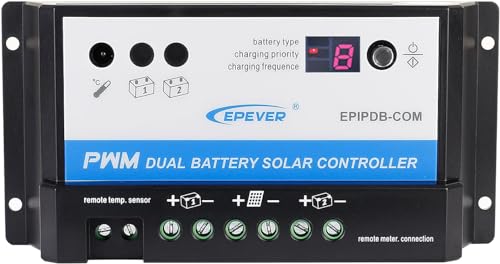
Designed to charge and protect 2 batteries or battery banks independently with required charging priority (e.g. 80%/20%).

Site Preparation
Choose a suitable location for the battery bank. Ensure the site is dry and well-ventilated to prevent overheating. Select a space away from direct sunlight and moisture. A shaded garage or a dedicated storage shed works well. Confirm the ground is level and sturdy enough to support the weight of the batteries. This preparation helps protect the components from environmental damage.
Installing the Batteries
Begin by unpacking the batteries carefully. Read the manufacturer’s instructions for specific installation guidance. Place the batteries on a secure shelf or dedicated rack, ensuring they’re easily accessible. Connect batteries in parallel to increase capacity or in series to increase voltage, depending on your system’s requirements. Use appropriate battery interconnect cables and tighten the connections securely. Follow safety protocols, such as wearing gloves and goggles, during installation.
Connecting the Components
Connect the charge controller to the solar panels first. The positive and negative terminals should match during connection. Next, attach the charge controller to the batteries, again aligning the positive and negative terminals. Finally, connect the inverter, which converts DC from the batteries to AC for home use. Double-check all connections to ensure they’re secure and correct. Use a multimeter to verify voltage levels before activating the system. Proper connections optimize energy flow and safeguard against damage.
Maintenance and Troubleshooting
Maintaining your solar battery bank ensures efficiency and longevity. Regular checks help catch issues early and prolong battery life.
Regular Maintenance Tips
- Inspect Connections: Check all connections monthly for corrosion or looseness. Tighten and clean terminals as needed.
- Monitor Battery Health: Use a battery monitor to track voltage and capacity. Replace batteries showing signs of reduced performance.
- Equalize Lead-Acid Batteries: Perform equalization charging on lead-acid batteries every 3 to 6 months. This balances the charge across cells.
- Clean Batteries: Clean the surfaces of batteries with a damp cloth every few months. Remove any dust or debris that can affect performance.
- Check Fluid Levels: If using flooded lead-acid batteries, check electrolyte levels monthly. Top up with distilled water if levels drop below the minimum mark.
- Test System Voltage: Measure voltage levels at the battery bank to ensure they match your specifications. It helps identify potential issues early.
- Visual Inspections: Look for physical damage or leaks in batteries. Address any abnormalities immediately.
- Battery Won’t Charge:
- Check Charge Controller: Ensure the charge controller is functioning correctly. Reset or reconfigure settings if necessary.
- Reduced Runtime:
- Inspect Battery Health: Test individual batteries for voltage. Replace any batteries showing lower voltages than others.
- Overheating:
- Evaluate Ventilation: Ensure that batteries are in a well-ventilated area. High temperatures can damage battery life.
- Frequent Tripping of Inverter:
- Examine Load: Check if the power demand is too high for your battery capacity. Reduce loads or upgrade your system.
- Corrosion on Terminals:
- Clean Regularly: Treat corrosion with a baking soda and water mixture. Ensure all connections are dry afterward to prevent future buildup.
- Unusual Sounds:
- Assess Battery Condition: Gurgling or hissing can indicate internal damage. Consider consulting a professional if any unusual noises occur.
Addressing maintenance and troubleshooting effectively promotes an efficient solar battery bank setup. Regular checks minimize issues and enhance overall performance.
Conclusion
Setting up a battery bank for your solar system can truly transform your energy experience. With the right knowledge and tools you can ensure a reliable power supply even when the sun isn’t shining.
By choosing the right batteries and following the installation steps you’ll be well on your way to enjoying the benefits of energy independence. Regular maintenance will keep your system running smoothly and efficiently.
Embrace the journey toward sustainable energy and enjoy the peace of mind that comes with knowing you’re prepared for whatever comes your way. Happy solar powering!
Frequently Asked Questions
What is a solar battery bank?
A solar battery bank is a system that stores excess energy produced by solar panels for use during cloudy days or at night. It allows homeowners to utilize solar energy more efficiently and ensures backup power during outages.
Why should I set up a solar battery bank?
Setting up a solar battery bank increases energy independence, provides backup power, reduces electric bills, and minimizes reliance on fossil fuels. It helps optimize energy usage during peak demand hours.
What types of batteries can I use for a solar battery bank?
The most common battery types for solar energy systems are lead-acid and lithium-ion. Lead-acid batteries are less expensive but have a shorter lifespan, while lithium-ion batteries are more efficient and last longer.
How do I determine the right battery capacity?
To determine the right battery capacity, calculate your daily energy consumption by identifying all appliances and their wattage. This will help you understand how much backup power you need during low sunlight periods.
What are the key components needed for a solar battery bank?
Key components include batteries, a charge controller to regulate electricity flow, an inverter to convert DC to AC power, and wiring and mounting equipment to ensure safe installation and operation.
How do I maintain my solar battery bank?
Regular maintenance includes inspecting connections, monitoring battery health, cleaning surfaces, checking fluid levels (for lead-acid batteries), and testing system voltage. This helps ensure efficiency and longevity of the battery bank.
What should I do if I encounter problems with my solar battery bank?
Common issues include charging problems, overheating, and terminal corrosion. Identify the problem through visual inspections or testing and follow troubleshooting guidelines to resolve the specific issue effectively.
Can I install a solar battery bank myself?
Yes, you can install a solar battery bank yourself, but it is crucial to follow manufacturer instructions closely and ensure all components are securely connected. If unsure, consider consulting a professional for safety.
