

Ever noticed your solar lights dimming or not working at all? It’s a common issue that can be frustrating, especially when you rely on them for outdoor lighting. The good news is that replacing the batteries is often a simple fix that can breathe new life into your garden or walkway.
Key Takeaways
- Understanding Solar Lights: Solar lights use rechargeable batteries to harness sunlight for outdoor lighting; common types include pathway lights, flood lights, string lights, lanterns, and spotlights.
- Battery Maintenance is Key: Regular checks and replacement of batteries every 1-3 years, along with cleaning battery contacts, are essential for optimal performance and longevity.
- Identifying Battery Issues: Look for signs of battery failure such as dimming light output, shorter lighting duration, inconsistent performance, and physical signs like swelling or leakage.
- Proper Replacement Steps: Follow a step-by-step guide for battery replacement, including gathering tools, powering off the light, and ensuring correct battery insertion and compartment closure.
- Choose the Right Batteries: Select compatible, high-capacity rechargeable batteries (like NiMH or Lithium) from reputable brands to ensure reliable performance and longevity.
- Preventative Maintenance: Regularly clean solar panels and store lights properly during off-seasons to maintain efficiency and protect against damage.
Understanding Solar Lights
Solar lights harness sunlight to provide outdoor illumination. These energy-efficient fixtures often rely on rechargeable batteries for power, making battery maintenance crucial for optimal performance.
Types of Solar Lights
- Pathway Lights: These lights guide paths and walkways. They typically feature integrated solar panels for direct sunlight absorption.
- Flood Lights: Flood lights offer intense illumination for larger areas. They often include motion sensors to conserve battery life.
- String Lights: Perfect for decoration, string lights add ambiance. They use multiple small solar panels to charge their batteries.
- Lanterns: Versatile and portable, lanterns can illuminate various outdoor settings. Many have built-in batteries for easy charging.
- Spotlights: Spotlights highlight specific features. They usually require more powerful batteries for effective illumination.
Importance of Battery Maintenance
Maintaining batteries in solar lights enhances performance and extends lifespan. Regular checks prevent premature battery failures.
- Replacement Frequency: Battery replacement every 1-3 years keeps the lights functioning properly, depending on usage and climate.
- Cleaning Contacts: Dirt on battery contacts can inhibit charging. Clean contacts with a cloth to ensure proper connection.
- Choosing the Right Battery: Select compatible batteries with adequate capacity for your solar lights. Common types include NiMH and lead-acid.
- Storage Tips: If you don’t use your solar lights regularly, store batteries in a cool, dry place to avoid damage.
Regular battery maintenance ensures your solar lights shine brightly and improve outdoor aesthetics.
Identifying Battery Issues
Identifying battery issues in solar lights is crucial for keeping them operational. Common signs indicate when it’s time for a replacement.
Recommended Products

【Reliable Performance】12 X Ni-MH AA 600mAh 1.2v Rechargeable Battery,Ideal for garden solar lights. (This product does not include a charger)

Note: It’s rechargeable Ni-MH AA Battery, 1.2V battery, designed exclusively for use with 1.2V devices. For charging, please use the EBL AA NiMH charger. For safety during transportation, the batteries are not fully charged, pls kindy charge it before first use. 【Perfect Solar Batteries】 Exact size AA batteries designed for solar lights, outdoor garden lights, mouse, keyboards, TV remotes, toys, game controllers, digital camera, will fit all your device perfectly in daily life usage, high quality AA rechargeable batteries supply long lasting power, great convenience and good performance.
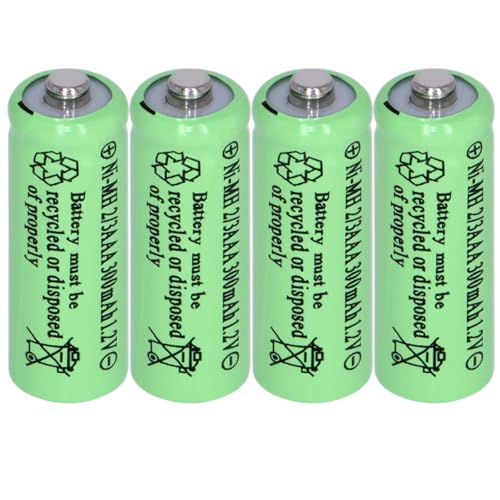
【Battery Type】1.2 V Ni-MH 2/3AAA 300 MAh Rechargeable Battery
Signs of Battery Failure
- Dimming Light Output: If your solar light’s brightness has noticeably declined, it’s likely due to weakened batteries.
- Shorter Lighting Duration: When solar lights only illuminate for a short period after sunset, battery capacity may be compromised.
- Inconsistent Performance: If solar lights flicker or only work intermittently, battery malfunction could be the cause.
- Swollen or Leaking Batteries: Visible signs of swelling or leakage should prompt immediate replacement to prevent damage.
- Screwdriver: Depending on your solar light design, a Phillips or flathead screwdriver may be required to open the battery compartment.
- Replacement Batteries: Ensure you have the correct type of replacement batteries ready, such as NiMH or Lithium, based on the manufacturer’s specifications.
- Gloves: Wearing gloves protects your hands from any acid leaks and keeps your work area clean.
- Multimeter: Using a multimeter allows you to check the voltage of the batteries, helping you confirm that they need replacement.
How to Replace Batteries in a Solar Light
Replacing batteries in your solar light can restore its brightness and prolong its life. Follow these straightforward steps to ensure a successful battery replacement.
Recommended Products

【Included products】4*AA 600mAh 1.2v Ni-MH rechargeable batteries, AA 600mAh battery is 1.97 inches long and 0.55 inches wide. (Batteries only)

Solar PRO technology – Tenergy engineered solar AA batteries with technology addressing common solar light battery performance problems: leaking due to over-charging from long sunny summer days, dead batteries due to over-discharging from extended rainy or cloudy days. Tenergy is a Silicon Valley based company with over 15 years of experience in batteries.
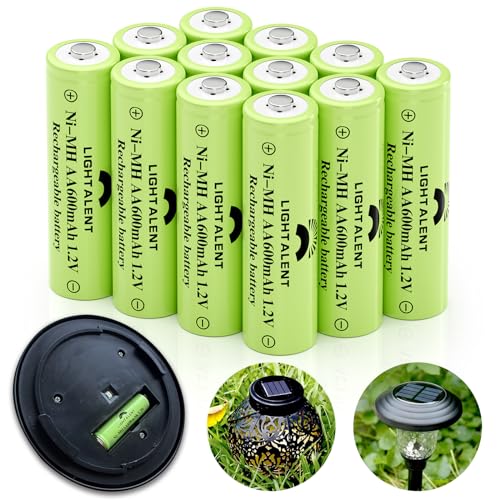
【Strong Performance】1.2-volt 600mAh AA Ni-MH rechargeable batteries,Package included: 12 x solar battery 1.2v ni-mh aa 600mAh
Step-by-Step Guide
- Gather Tools: Collect necessary tools, including a screwdriver, replacement batteries, and gloves.
- Power Off the Light: Turn off the solar light before starting. This prevents any accidental activation.
- Locate the Battery Compartment: Find the battery compartment, usually located at the bottom or back of the light housing.
- Open the Compartment: Use your screwdriver to remove any screws securing the compartment cover. Set the screws aside for reattachment later.
- Remove Old Batteries: Take out the old batteries. Check for any signs of corrosion or damage inside the compartment.
- Insert New Batteries: Insert fresh batteries, ensuring correct polarity alignment (+ and -). Match the orientation indicated in the compartment.
- Close the Compartment: Secure the compartment cover back in place, reinsert screws, and tighten them without overdoing it.
- Power On: Turn the solar light back on and place it in direct sunlight for optimal charging.
- Battery Type: Check your solar light’s manual for the recommended type. Common types include NiMH and NiCd batteries.
- Capacity Rating: Look for batteries with a capacity of around 600-1200 mAh for most solar lights. Higher capacity can mean longer usage periods.
- Rechargeable Quality: Choose rechargeable batteries, as they’re designed for solar applications and offer better performance over traditional batteries.
- Brand Reputation: Opt for well-known brands that ensure longer-lasting performance and reliable charging.
- Warranty Features: Select batteries that come with warranties; this feature indicates quality and manufacturer confidence.
Preventative Maintenance
Maintaining your solar lights can significantly extend their life and ensure optimal performance. Regular checks and simple upkeep can prevent many common issues.
Cleaning Solar Panels
Cleaning solar panels helps maintain efficiency. Dust, dirt, and debris can block sunlight, reducing the energy absorbed.
- Use a Soft Cloth: A microfiber cloth or sponge works well. Avoid rough materials that can scratch the surface.
- Mild Soap Solution: Mix a small amount of dish soap with water. Dampen the cloth or sponge in the solution, then gently wipe the panels.
- Rinse With Water: Use clean water to rinse off any soap residue. Make sure to do this during cooler parts of the day to prevent water spots from forming.
Aim to clean the panels at least once a season, or more if you notice significant dirt buildup.
Storing Solar Lights
Proper storage protects your solar lights when not in use. This is particularly important during winter or extreme weather.
- Remove Batteries: Take out batteries if you plan to store the lights for an extended period. This prevents corrosion and damage from leaking batteries.
- Clean Before Storing: Wipe down the lights, especially the solar panels, before putting them away. This ensures they’re ready for use when you bring them out again.
- Store in a Dry Location: Choose a cool, dry place for storage. Avoid damp areas that can encourage mold or damage electrical components.
Following these maintenance tips keeps your solar lights functional and beautiful throughout the year.
Conclusion
Taking the time to replace the batteries in your solar lights can make a world of difference. You’ll not only restore their brightness but also enhance your outdoor space. Remember to keep an eye on those signs of battery failure and don’t hesitate to perform regular maintenance.
With the right tools and a bit of care your solar lights can shine brightly for years to come. Enjoy the added ambiance and safety that well-maintained solar lighting brings to your home. Happy lighting!
Frequently Asked Questions
Why do solar lights dim or fail to work?
Solar lights may dim or stop working due to depleted batteries, dirty solar panels, or damaged components. Regular maintenance and battery replacement are key to keeping them functioning properly.
How often should I replace the batteries in solar lights?
It’s recommended to replace solar light batteries every 1-3 years, depending on usage and battery type. This helps maintain brightness and prolongs the life of the lights.
What tools do I need to replace batteries in solar lights?
You will need a screwdriver, replacement batteries, gloves for protection, and a multimeter to check the battery voltage for your solar light maintenance.
How can I identify if my solar light batteries are failing?
Signs of failing batteries include dim light output, shorter lighting duration, inconsistent performance, and visible swelling or leakage. Regularly checking these signs can help maintain functionality.
What maintenance tips can help prolong the life of solar lights?
To extend the life of solar lights, clean the solar panels regularly, replace batteries as needed, store them properly during off-seasons, and ensure battery contacts are clean.
