

Have you ever found yourself in a situation where your phone or device is dead, but you’re nowhere near an outlet? It’s frustrating, right? Imagine having a way to charge your gadgets using just the power of the sun.
Key Takeaways
- Solar Power Basics: Understand that solar power harnesses sunlight using photovoltaic cells, providing a clean and renewable energy source for charging devices.
- Essential Materials: Gather necessary components, including a solar panel, charge controller, battery, diode, wires, and fuses, to successfully build your solar-powered charger.
- Step-by-Step Assembly: Follow a systematic approach to design, assemble, and test your solar charger, ensuring all connections are accurate and secure for optimal performance.
- Efficiency Tips: Improve charging efficiency by positioning the solar panel for maximum sunlight exposure, selecting high-quality batteries, and regularly maintaining your setup to prevent performance issues.
- Regular Maintenance: Perform routine checks on connections and the solar panel to ensure it operates effectively, helping to extend the lifespan of your solar-powered battery charger.
Understanding Solar Power Technology
Solar power technology allows you to harness sunlight to generate energy. This renewable resource provides an endless supply of clean energy for charging your devices on the go.
What Is Solar Power?
Solar power is energy obtained from sunlight. Solar cells, also known as photovoltaic (PV) cells, convert sunlight into electricity. When sunlight hits the cells, it excites electrons, generating an electric current. This process occurs without any emissions, making it environmentally friendly.
How Solar Panels Work
Solar panels consist of multiple solar cells connected together. Each cell generates a small amount of electricity. When connected in series and parallel combinations, these cells produce a larger amount of energy. Here’s a breakdown of how they work:
- Absorption of Sunlight: Solar cells absorb sunlight and convert it into direct current (DC) electricity.
- Conversion to Usable Power: An inverter converts the DC electricity into alternating current (AC), which many devices use.
- Energy Storage: Excess energy can be stored in batteries for later use, allowing you to charge devices even when sunlight isn’t available.
- Connection to Devices: Finally, the energy powers your devices, keeping them charged and ready for use.
Understanding these principles helps you effectively utilize solar power technology for your battery charger, making it a reliable solution for energy needs.
Materials Needed for a Solar Powered Battery Charger
Gathering the right materials ensures a successful solar powered battery charger project. Here’s a comprehensive list to help you get started.
Recommended Products
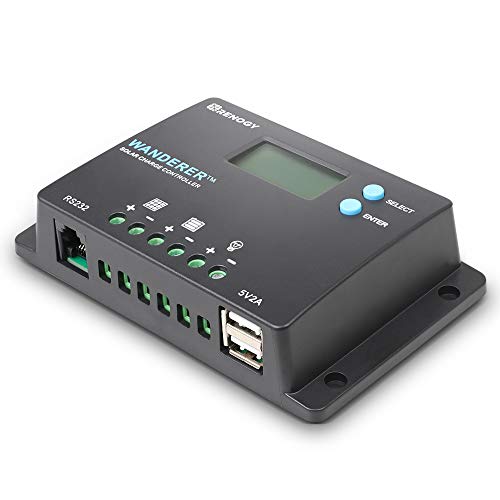
𝐒𝐦𝐚𝐫𝐭 𝟒-𝐒𝐭𝐚𝐠𝐞 12V/24V Solar Charge Controller: Renogy charge controller 𝐦𝐚𝐱𝐢𝐦𝐢𝐳𝐞𝐬 𝐁𝐚𝐭𝐭𝐞𝐫𝐲 𝐋𝐢𝐟𝐞 & 𝐒𝐨𝐥𝐚𝐫 𝐄𝐟𝐟𝐢𝐜𝐢𝐞𝐧𝐜𝐲, this advanced pwm solar charge controller utilizes intelligent 4-stage charging (Bulk/Boost/ Float/Equalization) to optimize power delivery for AGM, Gel, Flooded and Lithium batteries. RV solar charge controller prevents overcharging and gas buildup while 𝐚𝐜𝐡𝐢𝐞𝐯𝐢𝐧𝐠 𝟑𝟎% 𝐥𝐨𝐧𝐠𝐞𝐫 𝐛𝐚𝐭𝐭𝐞𝐫𝐲 𝐥𝐢𝐟𝐞𝐬𝐩𝐚𝐧 compared to basic charge controllers.
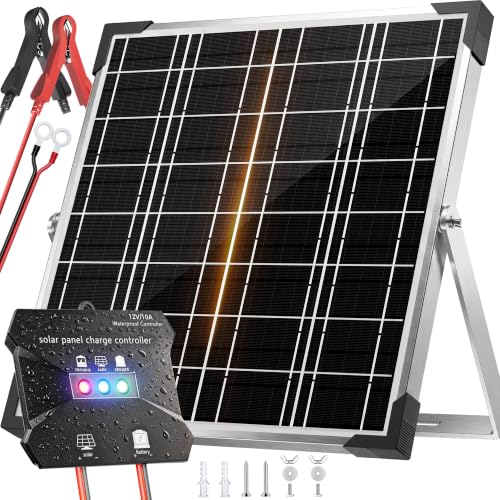
High-Efficiency MPPT Solar Charger - Advanced tracking technology delivers 20-30% faster charging for 12V batteries. A+ monocrystalline panels maximize power conversion. Perfect 20W solar trickle charger for cars, RVs, boats, and trailers. More sun captured, less time waiting.
![[Upgraded] 30A PWM Solar Charge Controller with Auto Parameter LCD Display](https://m.media-amazon.com/images/I/41opvkWthjL._SL500_.jpg)
【UPGRADED SOLAR CONTROLLER】This solar charge controller helps you manage the working of solar panels and batteries in solar systems automatically with the build-in industrial microcontroller. You don't need to reset it when the battery runs out cause it will memorize various parameters set by the user
Essential Components
- Solar Panel: Choose a 5 to 20 Watt panel, depending on your charging needs. Higher wattage panels charge devices faster.
- Charge Controller: A charge controller regulates voltage and current to prevent overcharging. Select one that matches your solar panel’s rating.
- Rechargeable Battery: Use a battery that fits your device requirements, such as lithium-ion or lead-acid batteries. Ensure it has a compatible voltage with the solar system.
- Diode: A blocking diode prevents reverse current flow from the battery to the panel during low light conditions. A 1N4001 diode works well for most setups.
- Wires and Connectors: Use appropriate gauge wires (at least 16 AWG) for connections. Include connectors compatible with your components for easy assembly.
- Multimeter: Helpful for measuring voltage and ensuring your setup works correctly.
- Battery Case: A durable case protects the battery and makes it easier to transport.
- Mounting Hardware: Use brackets or stands to secure the solar panel in an optimal position for sunlight exposure.
- Fuses: Adding fuses provides extra safety by protecting against electrical shorts.
- Enclosure: An outdoor-rated enclosure protects components from the elements, especially if you plan on using the charger outdoors.
With these materials and components, you’re ready to build your solar powered battery charger efficiently.
Step-by-Step Guide to Making a Solar Powered Battery Charger
Creating a solar-powered battery charger involves several straightforward steps. Follow this guide to build your own charger efficiently.
Designing Your Charger Circuit
Start by mapping out your circuit. You’ll connect the solar panel, charge controller, battery, and load.
- Connect the Solar Panel: Attach the positive terminal of the solar panel to the charge controller’s solar input.
- Attach the Battery: Connect the battery to the charge controller’s battery input. Ensure the battery’s positive terminal connects to the controller’s positive terminal.
- Integrate the Blocking Diode: Place the blocking diode between the solar panel and charge controller to prevent battery discharge at night.
- Verify Connections: Check all connections for accuracy. A small mistake can lead to a non-functional system.
Assembling the Components
Gather your tools and assemble your solar charger.
- Lay Out Your Materials: Organize the solar panel, charge controller, battery, diode, wires, and connectors.
- Secure the Charge Controller: Mount the charge controller inside the outdoor enclosure to protect it from moisture.
- Utilize Mounting Hardware: Attach the solar panel using hardware designed for outdoor use. Ensure it’s angled correctly for optimal sun exposure.
- Connect Wires: Use appropriate gauge wires to connect the components, ensuring they fit snugly.
- Encase Your Charger: Place everything securely within the battery case, keeping the components safe from damage.
Testing Your Solar Charger
Once assembled, it’s time to test your solar charger.
- Check Voltage Output: Using a multimeter, measure the solar panel’s voltage in direct sunlight. It should match the panel’s specifications.
- Monitor Charging: Connect the battery and observe the charge controller indicator lights. A green light usually signifies proper charging.
- Discharge Test: After the battery charges, connect a device to the output. Ensure it powers on and operates smoothly.
- Perform Routine Maintenance: Regularly check connections and the solar panel for dirt or debris that may hinder performance.
With these steps, you can easily create a functional solar-powered battery charger, harnessing clean energy for your devices.
Tips for Improving Efficiency
Boosting the efficiency of your solar-powered battery charger involves simple yet effective strategies. Utilize these approaches to extract maximum performance from your setup.
Recommended Products
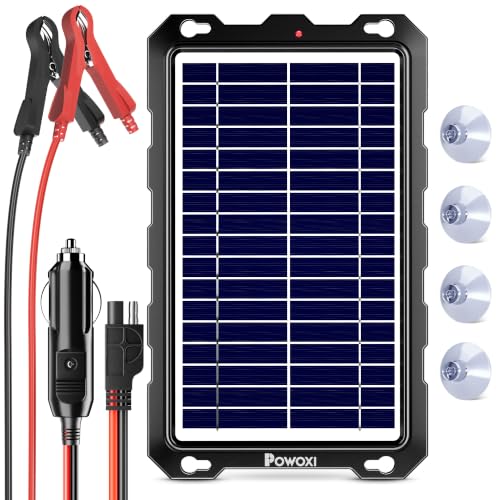
Upgrade Intelligent Charge Controller: Built-in internal protection system and smart fast charging Cooperate with Quality solar silicon material ensures high conversion and stable output the solar panel's energy conversion efficiency to 25-30%

Material: Battery charger module made of electronic components.Can be used for multimeter, converted to lithium battery charging

【High Conversion Rate】This 20W solar panel with monocrystalline A+ solar cell has an excellent cell efficiency of 21%-30%. Designed to charge and maintain 12V rechargeable batteries like LiFePO₄, Lithium Ion, AGM, SLA, GEL, EFB, MF, etc. Keep batteries in charged for trailer, tractor, truck, boat, motorcycle, RV, car, lawn mower, water pump, gate opener, electric fence, etc
Optimal Solar Panel Placement
Position your solar panel for ideal sunlight exposure.
- Choose a location: Select a spot that receives direct sunlight for at least 6 hours daily. Avoid shadows from trees, buildings, or other obstacles.
- Adjust the angle: Tilt the panel towards the sun. For fixed installations, angle it at a latitude equal to your location for optimal energy capture.
- Rotate seasonally: Change the orientation as the sun’s position shifts with seasons, maximizing sunlight capture.
Battery Selection and Maintenance
Select and maintain your battery to ensure longevity and efficiency.
- Choose high-quality batteries: Lithium-ion batteries are popular for solar setups due to their high energy density and longer life span. Consider alternatives like sealed lead-acid (SLA) for budget-friendly options.
- Monitor charge cycles: Avoid deep discharges. Keeping your battery between 20% and 80% charge promotes better performance and extends lifespan.
- Regularly check connections: Inspect terminals and wiring for corrosion and secure connections. This prevents power loss and potential hazards.
- Store properly: If you don’t use the charger for an extended period, store your battery in a cool, dry place. Charge it every three months to maintain its health.
Conclusion
Creating your own solar-powered battery charger is a rewarding project that not only helps you stay connected but also promotes sustainable energy use. By following the steps outlined and utilizing the right materials you can enjoy the convenience of charging your devices anywhere the sun shines.
Remember to keep optimizing your setup for maximum efficiency. Whether it’s adjusting the angle of your solar panel or choosing the right battery you’ll be set for reliable power on the go. Enjoy the freedom that comes with harnessing solar energy and never worry about a dead battery again!
Frequently Asked Questions
What is solar power?
Solar power is energy obtained from sunlight. It uses solar panels to generate electricity through solar cells, converting sunlight into electrical energy without any harmful emissions.
How do solar panels work?
Solar panels absorb sunlight through photovoltaic (PV) cells, which generate direct current (DC) electricity. This DC electricity can then be converted to alternating current (AC) for use in devices and stored in batteries for later use.
What materials do I need to create a solar-powered battery charger?
To build a solar-powered battery charger, you will need a solar panel, charge controller, rechargeable battery, blocking diode, various wires and connectors, and optional items like a multimeter and mounting hardware.
How can I improve the efficiency of my solar-powered charger?
To enhance efficiency, ensure your solar panel is placed in direct sunlight for at least six hours daily, adjust its angle for seasonal changes, and use high-quality batteries. Regularly check connections and monitor charge cycles.
Can I charge my devices on a cloudy day?
Yes, you can still charge devices on cloudy days, though the efficiency may be reduced. Solar panels can generate electricity even with indirect sunlight, but charging times will likely be longer.
