

Are you tired of high electricity bills and looking for a sustainable energy solution? Installing a solar panel to a battery could be just what you need. Imagine harnessing the sun’s energy to power your home or gadgets while reducing your carbon footprint.
Key Takeaways
- Understanding Components: Familiarize yourself with various types of solar panels (monocrystalline, polycrystalline, thin-film) and battery options (lead-acid, lithium-ion, nickel-cadmium, flow) to choose the best-fit products for your needs.
- Essential Tools & Materials: Gather necessary tools like screwdrivers, wrenches, and a multimeter, as well as materials such as solar panels, batteries, charge controllers, and mounting hardware to ensure a smooth installation process.
- Installation Steps: Follow structured steps including selecting a sunny installation site, mounting the solar panel, connecting the charge controller to the battery, and ensuring all connections are secure for optimal energy efficiency.
- Safety Precautions: Prioritize safety by wearing protective gear, working with a partner, turning off power sources, and using insulated tools to reduce the risk of accidents during installation.
- Testing & Monitoring: After installation, use a multimeter to verify voltage and ensure proper system functionality, monitoring the charge controller regularly to maintain efficient solar energy usage.
Understanding Solar Panels and Batteries
Solar panels and batteries work together to create an efficient energy system. Understanding both components helps you optimize your solar energy use.
Types of Solar Panels
- Monocrystalline Solar Panels: Made from single-crystal silicon, these panels are known for high efficiency and longevity. They typically have a sleek black appearance and perform well in low-light conditions.
- Polycrystalline Solar Panels: Created from multiple silicon crystals, these panels are less efficient but more affordable. They have a bluish hue and work best in direct sunlight.
- Thin-Film Solar Panels: Constructed from flexible materials, thin-film panels are lightweight and can be installed on various surfaces. They have lower efficiency and a shorter lifespan compared to crystalline panels.
- Lead-Acid Batteries: These traditional batteries are cost-effective and commonly used in solar energy systems. While reliable, they require regular maintenance and have a shorter lifespan.
- Lithium-Ion Batteries: Known for higher energy density, these batteries are lightweight and require minimal maintenance. They last longer and offer more deep discharge cycles than lead-acid batteries.
- Nickel-Cadmium Batteries: These batteries excel in extreme temperatures and have long cycle lives. However, their higher cost and environmental concerns limit their popularity.
- Flow Batteries: Ideal for larger applications, flow batteries provide excellent scalability. They discharge energy at a consistent rate and allow for easy maintenance but come with a higher upfront cost.
Tools and Materials Needed
Gathering the right tools and materials simplifies the process of installing a solar panel to a battery. Below is a detailed list to guide you.
Recommended Products
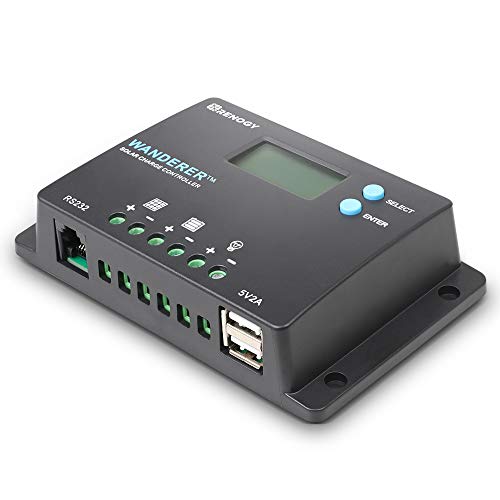
𝐒𝐦𝐚𝐫𝐭 𝟒-𝐒𝐭𝐚𝐠𝐞 12V/24V Solar Charge Controller: Renogy charge controller 𝐦𝐚𝐱𝐢𝐦𝐢𝐳𝐞𝐬 𝐁𝐚𝐭𝐭𝐞𝐫𝐲 𝐋𝐢𝐟𝐞 & 𝐒𝐨𝐥𝐚𝐫 𝐄𝐟𝐟𝐢𝐜𝐢𝐞𝐧𝐜𝐲, this advanced pwm solar charge controller utilizes intelligent 4-stage charging (Bulk/Boost/ Float/Equalization) to optimize power delivery for AGM, Gel, Flooded and Lithium batteries. RV solar charge controller prevents overcharging and gas buildup while 𝐚𝐜𝐡𝐢𝐞𝐯𝐢𝐧𝐠 𝟑𝟎% 𝐥𝐨𝐧𝐠𝐞𝐫 𝐛𝐚𝐭𝐭𝐞𝐫𝐲 𝐥𝐢𝐟𝐞𝐬𝐩𝐚𝐧 compared to basic charge controllers.

SMART SOLAR CHARGE CONTROLLER: Solar charge the smart way with the Victron Energy SmartSolar MPPT charge controller, to ensure that every ray of available sunlight is converted into usable energy, while optimizing battery longevity.

✔️【Waterproof Solar Charge Controller】IP67 waterproof, suitable for outdoor use. Automatically identify voltage, 12V Max power: 150W, 24V Max power: 300W. The maximum current is 10A. Compatible with various 12V/24V deep-cycle batteries, such as AGM, GEL, Flooded. Adopting brand MCU chips to realize fast intelligent control and ultra-low standby power consumption.
Essential Tools
- Screwdrivers: Use a set of both Phillips and flathead screwdrivers.
- Wrench Set: A combination of adjustable wrenches and socket wrenches helps tighten connections.
- Drill: An electric drill makes it easier to create necessary holes for mounting.
- Wire Strippers: Strip insulation off wires for proper connections.
- Multimeter: This tool measures voltage, current, and resistance for troubleshooting.
- Safety Gear: Gear like gloves and safety glasses protects you during installation.
- Solar Panel: Select a panel based on your energy needs; consider wattage and efficiency.
- Battery: Choose a battery compatible with your solar panel, like lead-acid or lithium-ion.
- Charge Controller: A charge controller prevents battery overcharging and maintains system efficiency.
- Cabling: Use appropriate, high-quality wiring to ensure safe connections.
- Mounting Hardware: This includes brackets, screws, and anchors for securing the solar panel.
- Fuses: Installing fuses adds safety to the electrical system.
- Sealant: For weatherproofing any outdoor installations, use silicone sealant.
By collecting these tools and materials, you prepare yourself for a smoother installation of your solar panel connected to a battery.
Steps to Install a Solar Panel to a Battery
Installing a solar panel to a battery involves several clear steps. Following this guide ensures a successful installation for a reliable energy source.
Recommended Products
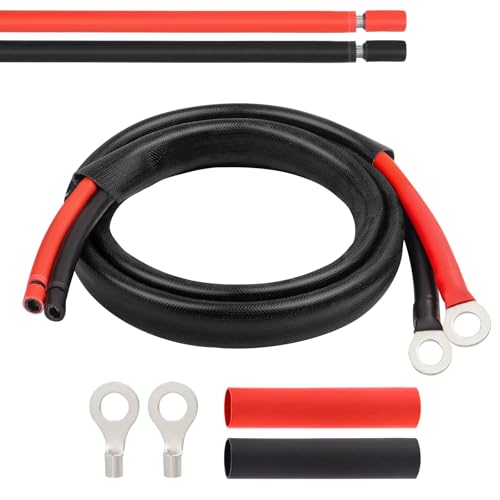
10AWG Tinned Copper Wire -- MOOKEERF solar battery cable is made of larger diameter 10AWG tinned copper wire which is minimize power loss in solar panel systems, the inner conductor consists of 84 tin-plated copper, well constructed and good conductive.

12V Battery Compatibility + 20A PWM Charging: Designed specifically for 12V solar systems, this 20A PWM solar charge controller is compatible with LiFePO4, AGM and Gel batteries and supports solar panels up to 300W. The upgraded 20A design provides stable current management for everyday RV, marine, camping and off-grid solar applications. Not compatible with 24V/36V battery systems

Preparing the Installation Site
- Choose the Location: Select a spot with maximum sunlight exposure. A south-facing roof or open area works best.
- Clear the Area: Remove any debris, branches, or obstacles that may block sunlight. Ensure the mounting surface is stable and weather-resistant.
- Check Regulations: Review local regulations and obtain necessary permits. Compliance with zoning laws and building codes is crucial.
Connecting the Solar Panel
- Gather the Necessary Components: You need the solar panel, an appropriate charge controller, and wiring.
- Mount the Solar Panel: Secure the solar panel using brackets and screws. Ensure it is angled for optimal sunlight capture.
- Connect to the Charge Controller: Run the output wires from the solar panel to the charge controller. Match the positive and negative terminals properly.
- Connect the Charge Controller to the Battery: Use suitable gauge wires to connect the charge controller to the battery terminals. Connect the positive wire first, followed by the negative wire.
- Ensure Secure Connections: Tighten all connections with a wrench to avoid loose ends. Check that all wires are insulated and protected from weather elements.
- Test the System: Use a multimeter to verify voltage and ensure the system is working correctly. Monitor the display on the charge controller for proper functionality.
By following these structured steps, you can successfully install a solar panel to a battery, harnessing solar energy for your needs.
Safety Precautions
Prioritizing safety during the installation of a solar panel connected to a battery is crucial. Understanding personal safety measures and electrical safety tips enhances your protection and ensures a successful installation.
Recommended Products
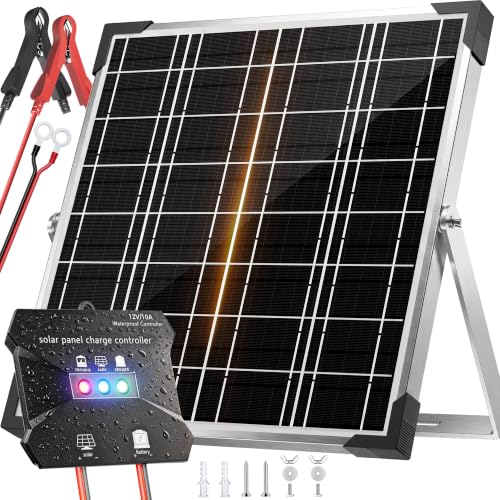
High-Efficiency MPPT Solar Charger - Advanced tracking technology delivers 20-30% faster charging for 12V batteries. A+ monocrystalline panels maximize power conversion. Perfect 20W solar trickle charger for cars, RVs, boats, and trailers. More sun captured, less time waiting.

【High Conversion Rate】This 20W solar panel with monocrystalline A+ solar cell has an excellent cell efficiency of 21%-30%. Designed to charge and maintain 12V rechargeable batteries like LiFePO₄, Lithium Ion, AGM, SLA, GEL, EFB, MF, etc. Keep batteries in charged for trailer, tractor, truck, boat, motorcycle, RV, car, lawn mower, water pump, gate opener, electric fence, etc

Superior Solar Efficiency: Our 10W solar panel offers a robust solution for outdoor power needs, providing higher conversion efficiency compared to similar-sized polycrystalline and amorphous panels. Ideal for maintaining a 12V battery in prime condition
Personal Safety Measures
- Wear Protective Gear: Use gloves, goggles, and hard hats to protect yourself from injuries. These items shield you from cuts, falls, and debris.
- Work with a Partner: Having someone assist you improves safety. One person can focus on installation while the other monitors for hazards.
- Check the Weather: Avoid working during inclement weather. Rain, wind, or extreme heat can increase risks of accidents and equipment failure.
- Use Ladders Safely: When installing panels at height, ensure your ladder is stable and tall enough. Follow safety guidelines for ladder use to prevent falls.
- Turn Off Power Sources: Always disconnect power sources before starting installation. This step prevents accidental shocks and equipment damage.
- Follow Manufacturer’s Instructions: Adhering to the manual ensures proper installation. This step reduces the risk of errors that can lead to electrical hazards.
- Inspect Cables and Connections: Check wiring for wear or damage. Replace any faulty components immediately to prevent short circuits.
- Use the Right Tools: Use insulated tools specially designed for electrical work. These tools reduce the risk of electrical shock during installation.
- Test the Circuit: After installation, use a multimeter to verify that connections are secure and operational. This step confirms everything works safely.
By adhering to these safety precautions, you protect yourself and your equipment while successfully installing your solar panel to a battery.
Conclusion
Installing a solar panel to a battery is a rewarding project that empowers you to take control of your energy use. By following the steps outlined and keeping safety in mind you can create a sustainable energy solution that benefits both your wallet and the environment.
Remember to choose the right components for your needs and ensure everything is set up correctly. With a little patience and effort you’ll be on your way to enjoying the advantages of solar energy. Embrace this journey and enjoy the peace of mind that comes with harnessing the sun’s power for your home.
Frequently Asked Questions
What are the main benefits of installing solar panels with a battery?
Installing solar panels with a battery allows you to reduce electricity bills, access renewable energy for your needs, and lower your carbon footprint. The battery stores excess energy generated during the day for use during the night or cloudy days, maximizing solar energy usage.
What types of solar panels are available?
The main types of solar panels are monocrystalline, polycrystalline, and thin-film panels. Monocrystalline panels have the highest efficiency, while polycrystalline panels offer a balance of efficiency and cost. Thin-film panels are lightweight and flexible but generally have lower efficiency.
How do I choose the right battery for my solar energy system?
Consider factors like capacity, lifespan, efficiency, and cost when choosing a battery. Lithium-ion batteries are popular for their long lifespan and efficiency, while lead-acid batteries are more affordable but have shorter lifespans. Flow batteries offer scalability but are less common.
What tools do I need to install solar panels?
Essential tools for installing solar panels include screwdrivers, a wrench set, a drill, wire strippers, a multimeter, and safety gear like gloves and goggles. These tools will help you securely mount the panels and connect them to the battery and charge controller.
What safety precautions should I take during installation?
Always wear protective gear and work with a partner for safety. Check the weather, use ladders carefully, turn off power sources, follow manufacturer instructions, and inspect all connections. Testing the circuit after installation is crucial to ensure proper functionality.
