

Are you looking to harness the power of the sun for your home? Connecting a solar panel to a battery and inverter can seem tricky, but it doesn’t have to be. Whether you want to reduce your energy bills or go off-grid, knowing how to set up this system is essential.
In this article, you’ll find a clear and simple diagram that breaks down the process step by step. You’ll gain the confidence to connect your solar panel, battery, and inverter correctly, ensuring your system works efficiently. With the right guidance, you can turn sunlight into usable energy and enjoy the benefits of renewable power.
Key Takeaways
- Understanding System Components: Familiarize yourself with the key components of solar power systems such as solar panels, charge controllers, batteries, and inverters to ensure efficient energy conversion and storage.
- Importance of Diagrams: Utilize clear diagrams during installation to simplify connections, enhance troubleshooting, and ensure safety throughout the setup process.
- Correct Wiring Process: Follow a step-by-step wiring guide for connecting the solar panel, battery, and inverter, ensuring all connections are secure and correctly polarized to prevent shorts or damage.
- Selecting the Right Inverter: Determine your energy needs and select an inverter that matches your load requirements, battery type, and voltage for optimal system performance.
- Regular Monitoring and Maintenance: Consistently check system performance and battery health to ensure longevity and efficiency of your solar power system over time.
- Troubleshooting Tips: Be prepared to troubleshoot common issues related to connections and performance by regularly testing voltages and inspecting for potential obstructions or malfunctions.
Understanding Solar Power Systems
Solar power systems consist of several vital components that work together to convert sunlight into usable electricity. Understanding these components helps you effectively connect your solar panel to a battery and inverter.
Key Components of a Solar Power System
- Solar Panels: Solar panels capture sunlight and convert it into direct current (DC) electricity. Multiple panels can combine to increase the total energy output.
- Charge Controller: A charge controller regulates the flow of electricity from the solar panels to the battery. It prevents overcharging and protects the battery’s lifespan.
- Battery: The battery stores excess energy generated by the solar panels. You can use this stored energy during low sunlight conditions or at night. Various battery types exist, such as lead-acid or lithium-ion.
- Inverter: The inverter converts DC electricity from the battery into alternating current (AC) electricity, making it usable for home appliances.
- Wiring: Proper wiring connects all components, ensuring safe and effective energy flow throughout the system. Use appropriately rated cables to handle the power output.
Importance of Diagrams in Installation
Diagrams serve as crucial visual guides for installing solar power systems. They simplify complex connections, showing the correct placement of each component.
- Clarity: Diagrams illustrate how to connect solar panels, batteries, and inverters, minimizing confusion during setup.
- Troubleshooting: A visual reference helps identify issues during installation and make necessary adjustments.
- Safety: Clear diagrams guide proper wiring and connections, reducing the risk of electrical hazards. Always follow the diagram closely to ensure safe operations.
Utilizing clear diagrams alongside straightforward instructions enhances your ability to connect solar components, ensuring an efficient solar power system for your needs.
How to Connect Solar Panel to Battery
Connecting a solar panel to a battery involves a few essential components and steps. By following the instructions below, you can create a reliable renewable energy system.
Required Tools and Materials
Gathering the right tools and materials ensures a smooth connection process. You’ll need:
- Solar Panel: Choose a panel suitable for your energy needs.
- Battery: Select a deep-cycle lead-acid or lithium-ion battery.
- Charge Controller: This regulates the charge from the solar panel to the battery.
- Inverter: Converts stored energy into usable AC power.
- Wiring: Use appropriate gauge wires to handle the current.
- Connectors: Utilize MC4 connectors for solar panels.
- Tools: Have a multimeter, wire stripper, and basic hand tools on hand.
Step-by-Step Wiring Instructions
Follow these steps for a safe and effective connection:
- Position the Solar Panel: Place the solar panel in a location with maximum sunlight exposure.
- Connect the Charge Controller:
- Connect the positive (+) lead from the solar panel to the positive terminal on the charge controller.
- Connect the negative (-) lead from the solar panel to the negative terminal on the charge controller.
- Connect the Battery to the Charge Controller:
- Connect the positive (+) terminal of the battery to the positive terminal of the charge controller.
- Connect the negative (-) terminal of the battery to the negative terminal of the charge controller.
- Attach the Inverter:
- Connect the positive (+) terminal of the inverter to the positive terminal of the battery.
- Connect the negative (-) terminal of the inverter to the negative terminal of the battery.
- Double-Check Connections: Ensure all connections are secure and correctly polarized to avoid shorts or damage.
- Test the System: Use a multimeter to confirm that the battery is charging properly. Check voltage readings—usually between 12V and 14.4V for fully charged batteries.
- Monitor Performance: Regularly check the system to ensure efficiency and safety. Monitor battery health for longevity.
By following these precise steps and using the correct tools, you can successfully connect your solar panel to a battery, setting up an effective energy system.
How to Connect Battery to Inverter
Connecting the battery to an inverter is a critical step in setting up your solar power system. This connection enables you to convert stored energy into usable electricity for your appliances.
Recommended Products
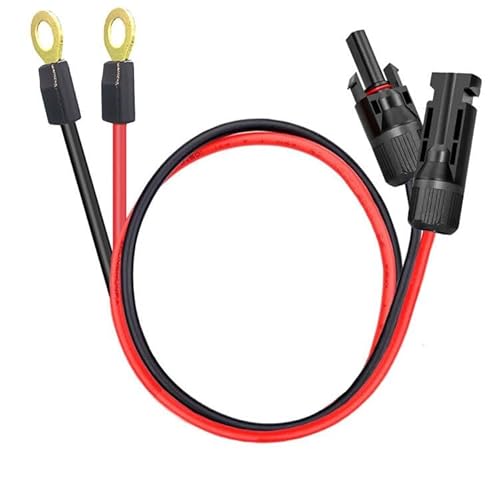
【High-quality material】High-Qulity Material Ensures Transmission in a Stable Situation.The cable is made of 10AWG tinned copper wire, which minimizes power loss and improves charging efficiency, and the shell is made of durability. insulating material, which has the best insulation effect .


Selecting the Right Inverter
Choosing the correct inverter depends on your energy needs and system configuration.
- Identify the Load Requirements: Calculate the total wattage of the appliances you plan to use. For example, if you want to run a 100-watt TV and a 60-watt light bulb, you need at least a 160-watt inverter.
- Consider the Inverter Type: Different inverter types exist, including pure sine wave and modified sine wave. Pure sine wave inverters provide cleaner power, ideal for sensitive electronics.
- Check Compatibility with Battery: Ensure the inverter matches your battery type and voltage. For instance, if your battery is 12 volts, select a 12-volt inverter.
- Evaluate Surge Capacity: Inverters typically require higher wattage to start appliances, known as surge capacity. Make sure your selected inverter can handle this surge.
Choosing the right inverter ensures your system operates efficiently and safely.
Wiring the Battery to the Inverter
Wiring the battery to the inverter requires attention to detail to ensure a secure connection.
- Gather Tools and Materials: You’ll need the inverter, battery, appropriate cables (typically 10-12 gauge), connectors, and tools like a wrench or screwdriver.
- Turn Off All Equipment: Before making any connections, turn off the inverter and any connected devices for safety.
- Connect Battery Terminals:
- Positive to Positive: Connect the positive terminal of the battery to the positive input terminal of the inverter. This connection is usually marked with a “+” sign.
- Negative to Negative: Connect the negative terminal of the battery to the negative input terminal of the inverter, marked with a “−” sign.
- Secure All Connections: Make sure that each connection is tight and secure. Loose connections can cause inefficiencies or hazards.
- Double-Check Wiring: Review your setup to ensure polarity is correct—connecting wires incorrectly can damage the inverter and battery.
- Turn On the Inverter: After confirming all connections, turn on the inverter. Check for any error indicators on the inverter, which may signify a problem.
These steps provide a clear approach to connecting your battery to the inverter, ensuring your solar power system functions correctly.
Troubleshooting Common Issues
Encountering issues during your solar panel installation isn’t uncommon. Here are some common problems and how to resolve them effectively.
Connection Problems
Connection issues can arise from loose wires or incorrect connections. Check each connection point for tightness and ensure that you’ve connected the positive and negative terminals correctly. If the solar panel isn’t producing power, verify that the connection between the solar panel and the charge controller is secure. Use a multimeter to test voltage at the solar panel terminals. If you receive no reading, inspect the panel for damage or shading that might be affecting performance.
Performance Issues
If your system fails to deliver expected output, you may face performance issues. Begin by checking the battery’s state of charge; a depleted battery can impact your overall system performance. Ensure that the inverter settings align with the load requirements. Overloading the inverter might lead to failure or shutdown. Regularly clean the solar panels to remove dirt and debris that could hinder energy absorption. Monitor the system’s output using monitoring tools to identify any fluctuations that indicate equipment malfunction or inefficiencies.
Conclusion
You’ve taken an important step toward harnessing solar energy for your home. By understanding how to connect your solar panel to a battery and inverter, you’re well on your way to enjoying the benefits of renewable energy.
Remember to follow the steps carefully and keep an eye on your connections to ensure everything runs smoothly. Regular monitoring and maintenance will help you get the most out of your solar power system.
With a little effort, you’ll not only reduce your energy bills but also contribute to a greener planet. Happy solar powering!
Frequently Asked Questions
What are the main components of a solar power system?
A solar power system typically includes solar panels, charge controllers, batteries, inverters, and wiring. Each component plays a crucial role: solar panels capture sunlight, charge controllers regulate battery charging, batteries store energy, inverters convert DC to AC power, and wiring connects everything securely.
How do I connect a solar panel to a battery?
To connect a solar panel to a battery, position the solar panel in sunlight, connect it to the charge controller, and then connect the charge controller to the battery. Ensure positive and negative terminals are matched correctly for safe and effective charging.
What tools do I need for a solar power installation?
You’ll need basic tools like a screwdriver, wire cutters, and a multimeter, plus materials such as a solar panel, battery, charge controller, inverter, wiring, and connectors. Having these tools will simplify the installation process.
How do I choose the right inverter for my solar system?
Select an inverter based on your load requirements, ensuring it’s compatible with your battery type and has sufficient surge capacity. This ensures that the inverter can handle the energy demand from your appliances effectively.
What should I do if my solar power system isn’t working?
If your system isn’t working, first check for loose connections and ensure the wiring is correct. Use a multimeter to test voltage levels, monitor the battery’s charge, and make sure the inverter settings align with your load requirements.
How can I monitor the performance of my solar power system?
To monitor performance, regularly check your battery’s state of charge and use a multimeter to assess voltage levels. Keeping solar panels clean and observing energy output patterns can also help maintain efficiency.
Can I go off-grid with a solar power system?
Yes, a properly designed solar power system can allow you to go off-grid. By installing sufficient solar panels, batteries, and an inverter, you can generate and store enough energy to meet your household needs independently.
What safety precautions should I take during installation?
Always ensure power is turned off when making connections and follow the manufacturer’s guidelines carefully. Use insulated tools, check polarity before making connections, and secure all wiring to avoid hazards.
