

Have you ever wondered how to efficiently harness the power of the sun for your energy needs? Connecting a solar controller to a battery might seem daunting, but it’s easier than you think. Whether you’re setting up a home solar system or powering a remote cabin, understanding this connection is crucial for maximizing your solar energy.
Key Takeaways
- Understanding Solar Controllers: Solar controllers are essential for safely managing power between solar panels and batteries, preventing damage through proper charging techniques like PWM and MPPT.
- Importance of Connection: Properly connecting solar controllers to batteries enhances energy storage efficiency, safeguards against overcharging, and ensures reliable power during low sunlight periods.
- Tools and Materials: Gathering necessary tools (screwdriver, wire stripper, multimeter) and selecting the appropriate battery type (lead-acid, lithium-ion, etc.) are vital for a successful connection.
- Step-by-Step Process: Follow a systematic approach to connect your solar controller to the battery, including powering down the system, ensuring compatibility, and verifying secure connections.
- Troubleshooting Tips: Recognize signs of incorrect connections (such as no power output or overheating) and utilize effective troubleshooting methods to maintain system efficiency.
- Safety Precautions: Always prioritize safety by wearing protective gear, avoiding short circuits, and handling batteries carefully during the connection process.
Understanding Solar Controllers
Solar controllers play a critical role in managing power between solar panels and batteries. They ensure that batteries charge safely and efficiently, adjusting the charge based on battery needs.
Types of Solar Controllers
- PWM (Pulse Width Modulation) Controllers
PWM controllers regulate voltage and current to batteries. They slowly charge batteries for optimal efficiency. These controllers are ideal for smaller systems and are more cost-effective. - MPPT (Maximum Power Point Tracking) Controllers
MPPT controllers are more advanced and expensive. They optimize the solar panel’s output by adjusting the electrical load. MPPT controllers can increase energy capture by 20-30%, making them suitable for larger systems. - Hybrid Controllers
Hybrid controllers combine features of both PWM and MPPT. They handle multiple power sources, such as solar, wind, and grid power. These controllers offer flexibility and expanded functionality for diverse energy systems.
Importance of Connecting to Batteries
Connecting solar controllers to batteries ensures optimal energy storage. This connection prevents overcharging and undercharging, which can damage batteries.
Batteries store energy for use during low sunlight periods, enhancing system reliability. You can access power anytime, whether for home use or remote applications.
In addition, a well-connected solar controller maximizes energy efficiency, reducing waste. Your setup becomes more sustainable, benefiting both your wallet and the environment.
Understanding these aspects makes managing solar energy systems easier and more effective.
Tools and Materials Needed
Connecting a solar controller to a battery requires specific tools and materials. Gathering everything ahead of time makes the process easier and more efficient.
Recommended Products

✔️【Waterproof Solar Charge Controller】IP67 waterproof, suitable for outdoor use. Automatically identify voltage, 12V Max power: 150W, 24V Max power: 300W. The maximum current is 10A. Compatible with various 12V/24V deep-cycle batteries, such as AGM, GEL, Flooded. Adopting brand MCU chips to realize fast intelligent control and ultra-low standby power consumption.

12V Battery Compatibility + 20A PWM Charging: Designed specifically for 12V solar systems, this 20A PWM solar charge controller is compatible with LiFePO4, AGM and Gel batteries and supports solar panels up to 300W. The upgraded 20A design provides stable current management for everyday RV, marine, camping and off-grid solar applications. Not compatible with 24V/36V battery systems
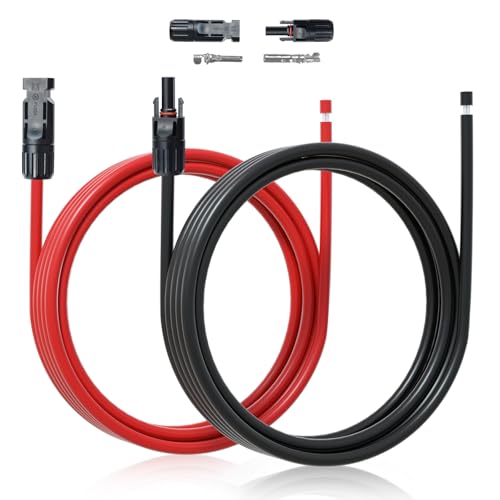
Tinned Copper Core: Premium 10AWG oxygen-free copper wire with tin-plated surface prevents oxidation (3X corrosion resistance vs bare copper), ensuring stable 30A/1000V DC power transfer even in 90% humidity environments
Necessary Tools
- Screwdriver: Use a flathead or Phillips screwdriver depending on your solar controller’s screws.
- Wire Stripper: An essential tool for preparing your cables and ensuring a proper connection.
- Wrench or Pliers: Handy for tightening connections and securing wires to terminals.
- Multimeter: Useful for measuring voltage, ensuring correct connections, and troubleshooting.
- Heat Shrink Tubing: Provides insulation for soldered or crimped connections, enhancing safety.
- Safety Gloves: Protect your hands while working with electrical components.
- Lead-Acid Batteries: Commonly used due to their affordability and reliability. Deep-cycle versions are best for solar applications.
- Lithium-Ion Batteries: Known for their efficiency and longevity. They require a dedicated solar controller that’s compatible with lithium technology.
- Gel Batteries: A type of lead-acid battery, ideal for preventing acid leakage and can be mounted in various orientations.
- AGM Batteries: Absorbent Glass Mat batteries are durable, maintenance-free, and suitable for solar setups.
Selecting the right tools and battery type ensures a smooth connection process and optimizes the performance of your solar energy system.
Step-by-Step Guide
Connecting a solar controller to a battery requires a few straightforward steps. This guide provides detailed instructions to ensure a successful connection.
Recommended Products

Ferrule Terminals for Secure Connections: Pre-crimped ferrule terminals ensure tight, corrosion-resistant connections, minimizing power loss and reducing the risk of loose wiring. Perfect for maintaining stable conductivity in outdoor or off-grid environments.
![[Upgraded] 30A PWM Solar Charge Controller with Auto Parameter LCD Display | 12V/ 24V Solar Panel Regulator with Dual USB Port Adjustable Timer Setting](https://m.media-amazon.com/images/I/41opvkWthjL._SL500_.jpg)
【UPGRADED SOLAR CONTROLLER】This solar charge controller helps you manage the working of solar panels and batteries in solar systems automatically with the build-in industrial microcontroller. You don't need to reset it when the battery runs out cause it will memorize various parameters set by the user
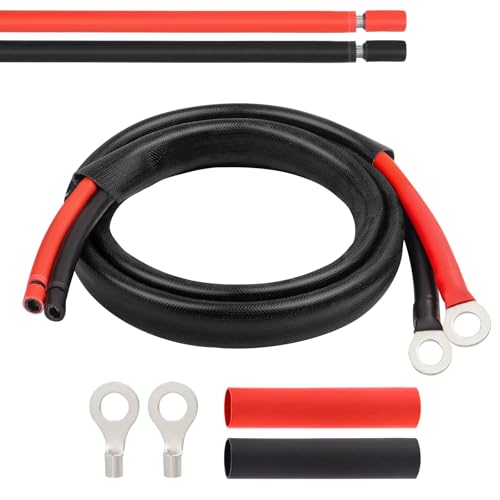
10AWG Tinned Copper Wire -- MOOKEERF solar battery cable is made of larger diameter 10AWG tinned copper wire which is minimize power loss in solar panel systems, the inner conductor consists of 84 tin-plated copper, well constructed and good conductive.
Preparing the Solar Controller
- Select a Suitable Location: Choose a dry, well-ventilated area to mount the solar controller. Avoid direct sunlight to prevent overheating.
- Check Compatibility: Ensure the solar controller matches your battery type (lead-acid, lithium-ion, etc.). Refer to the manufacturer’s specifications for guidance.
- Gather Necessary Tools: Collect all needed tools, including a screwdriver, wire stripper, and multimeter. Having these at hand streamlines the process.
Connecting the Solar Controller to the Battery
- Turn Off All Power: Power down the solar panels and the entire system to prevent electric shock during the connection.
- Identify Battery Terminals: Locate the positive and negative terminals on the battery. They are usually marked with “+” for positive and “–” for negative.
- Connect the Controller Wires:
- Positive Connection: Connect the positive wire from the solar controller to the positive terminal of the battery. Secure it tightly.
- Negative Connection: Connect the negative wire from the controller to the negative terminal of the battery. Ensure a firm connection.
- Double-Check Connections: Use a multimeter to confirm that all connections are secure and correctly positioned.
- Power On the System: Turn on the solar panels and watch the solar controller’s indicator lights to ensure it operates correctly.
- Wear Protective Gear: Always use safety gloves and goggles to protect yourself from potential sparks or battery acid.
- Avoid Short Circuits: Never let the positive and negative wires touch each other during the setup. This could cause a short circuit.
- Handle Batteries Carefully: Batteries can be heavy and corrosive. Always lift with caution and store them in an upright position.
- Stay Alert: Work in a well-lit area and remove distractions. This ensures you stay focused during the connection process.
Following these steps carefully enhances your solar energy system’s efficiency and safety.
Troubleshooting Common Issues
Connecting a solar controller to a battery can lead to some common issues. Identifying these problems early helps maintain system efficiency and safety.
Recommended Products

☀️1.Solar Charging That Keeps You Ready to Tow: Leave your caravan or trailer parked for weeks without worrying about a flat breakaway battery. This ATEM POWER solar trailer breakaway kit comes with a built-in solar panel that helps maintain battery charge during storage, keeping your emergency trailer brake system ready when you need it. Designed for 1- and 2-axle trailers and caravans with electric brakes, it’s a smart safety upgrade for towing, camping, road trips, and everyday hauling.

Versatile Compatibility: The SAE Battery Connector Wire Harness is perfect for a wide range of vehicles and devices, including cars, motorcycles, ATVs, UTVs, lawn mowers, sprayers, pump sprayer parts and more. Compatible with most 12V battery systems and portable jump starters
Signs of Incorrect Connections
- No Power Output: If there’s no power from the solar panels or the controller, check all connections to ensure they’re secure.
- Overheating: If the controller or battery gets excessively hot, it might indicate a wiring issue or an incorrect connection.
- Frequent Blinking Lights: If the indicator lights on the controller blink erratically, it signals a potential problem with the connections or battery health.
- Battery Not Charging: If the battery shows no signs of charging, inspect the connections for tightness and correct polarity.
- Check Connections: Ensure all wires are fully inserted and secure. Incorrect polarity can cause significant issues, so verify that positive connects to positive and negative to negative.
- Inspect for Damage: Examine all wires and terminals for fraying, corrosion, or other signs of wear. Replace any damaged components immediately.
- Test Voltage: Use a multimeter to measure voltage at the controller and battery terminals. If voltage readings are inconsistent, further investigate connections.
- Reset the System: Sometimes, a simple reset can resolve issues. Turn off the system, disconnect it for a few minutes, then reconnect everything carefully.
- Consult the Manual: Refer to the solar controller’s manual for specific troubleshooting tips related to the model being used. Each model may have unique alerts or problems.
By keeping an eye out for these signs and implementing effective troubleshooting steps, you can ensure your solar energy system operates smoothly and efficiently.
Conclusion
Connecting your solar controller to a battery is a rewarding step toward harnessing renewable energy. With the right tools and a bit of patience, you can set up a system that maximizes efficiency and safety.
Remember to keep an eye on your connections and troubleshoot any issues that arise. By doing so, you’ll not only enhance your solar energy experience but also contribute to a greener planet.
Enjoy the benefits of your solar setup and the peace of mind that comes with knowing you’re making a positive impact. Happy solar powering!
Frequently Asked Questions
What is the role of a solar controller in a solar energy system?
A solar controller manages the power flow between solar panels and batteries, ensuring safe and efficient charging. It helps prevent overcharging and undercharging, ultimately enhancing the reliability and efficiency of the solar energy system.
What are the different types of solar controllers available?
There are three main types of solar controllers: PWM (Pulse Width Modulation), MPPT (Maximum Power Point Tracking), and hybrid controllers. PWM controllers are cost-effective for smaller systems, MPPT controllers are more advanced and increase energy capture by 20-30%, and hybrid controllers combine features of both.
What tools do I need to connect a solar controller to a battery?
You will need a screwdriver, wire stripper, wrench or pliers, multimeter, heat shrink tubing, and safety gloves. Gathering these tools beforehand will help ensure a smoother connection process.
How do I connect a solar controller to a battery?
Start by selecting a suitable location for the controller and ensuring compatibility with the battery type. Turn off all power, double-check connections with a multimeter, and follow specific connection steps while prioritizing safety measures.
What common issues occur when connecting a solar controller to a battery?
Common issues include no power output, overheating, blinking lights, and the battery not charging. These can often be caused by incorrect connections or damage, so it’s important to check security and polarity of connections, test voltage, and consult the manual for troubleshooting.
How can I troubleshoot problems with my solar controller connection?
If you notice issues, check that all connections are secure and correctly polarized. Inspect for any visible damage, test the voltage with a multimeter, reset the system, and refer to the manual for tailored troubleshooting tips to maintain efficient operation.
