

Are you looking to boost your solar energy storage? Connecting solar batteries in parallel might be just what you need. This setup can increase your overall capacity and keep your lights on longer during those cloudy days.
Key Takeaways
- Understanding Battery Types: Familiarize yourself with different solar battery types such as lead-acid, lithium-ion, and nickel-based, each having unique benefits and applications in solar energy systems.
- Increased Capacity: Connecting solar batteries in parallel enhances overall energy storage capacity, allowing for extended usage during low sunlight conditions.
- Improved Redundancy: A parallel configuration ensures that if one battery fails, others will continue functioning, maintaining an uninterrupted power supply.
- Easier Expansion: Parallel setups allow for straightforward solar battery system expansion, enabling you to add more batteries without replacing existing ones.
- Balanced Discharge: This connection method promotes an even discharge among batteries, potentially enhancing their lifespan by preventing over-discharge issues.
- Safety Essentials: Always prioritize safety during installation by using proper tools, wearing protective gear, and ensuring a well-ventilated workspace.
Understanding Solar Batteries
Solar batteries play a crucial role in storing energy generated from solar panels. They offer the ability to leverage stored energy for later use, especially during cloudy days or at night.
Types of Solar Batteries
- Lead-Acid Batteries
Lead-acid batteries are common in solar applications due to their reliable performance and lower initial cost. They come in two types: flooded and sealed. Flooded batteries require maintenance, while sealed batteries are maintenance-free and offer convenience. - Lithium-Ion Batteries
Lithium-ion batteries are gaining popularity because of their high energy density and longer lifespan. They’re lightweight and efficient, making them suitable for various solar setups. Despite a higher upfront cost, their longevity often makes them a cost-effective choice. - Nickel-Based Batteries
Nickel-based batteries, like nickel-cadmium or nickel-metal hydride, are less common but are durable and can perform well in extreme temperatures. They, however, have lower energy density and higher costs compared to lithium-ion solutions.
- Increased Capacity
Connecting solar batteries in parallel boosts the overall capacity. This configuration allows you to store more energy, extending the power supply during periods when sunlight is insufficient. - Redundancy
Parallel connections provide redundancy. If one battery malfunctions, the others can continue to function, ensuring uninterrupted power supply. - Simpler Expansion
Expanding your solar battery system becomes easy with a parallel setup. You can add more batteries to increase storage capacity without having to replace existing ones. - Balanced Discharge
Parallel connections allow for a more even discharge of batteries, which can enhance the lifespan of each unit by preventing over-discharge in any single battery.
Understanding these elements of solar batteries equips you with the knowledge to optimize your solar energy system effectively.
Preparing for the Connection
Preparing for a solar battery connection requires careful planning and the right tools. Follow these steps to ensure a smooth process.
Tools and Materials Needed
- Solar Batteries: Select compatible batteries, ensuring they’re the same voltage and type.
- Battery Cables: Use appropriate gauge cables, typically 4 AWG or larger for better conductivity.
- Battery Connectors: Get ring terminal connectors or similar to secure connections.
- Multimeter: Measure voltage and ensure proper connections.
- Wrench Set: Use wrenches for tightening connections securely.
- Insulation Tape: Keep connections insulated to prevent short circuits.
- Wear Protective Gear: Use gloves and safety glasses to protect against acid and sparks.
- Work in a Ventilated Area: Ensure proper air circulation to avoid accumulation of harmful gases.
- Disconnect Power Sources: Turn off solar panels and any other connected devices before starting work.
- Check Battery Voltage: Confirm all batteries show the same voltage before connection to avoid damage.
- Use Proper Lifting Techniques: Batteries can be heavy; lift them carefully to prevent injury.
Following these guidelines prepares you for connecting solar batteries in parallel, ensuring a safe and effective setup.
Step-by-Step Guide to Connecting Solar Batteries in Parallel
Connecting solar batteries in parallel involves a straightforward process that enhances your solar energy system’s performance and capacity. Follow these steps for a safe and effective connection.
Recommended Products

Package Contents: 2 AWG Inverter Battery Cables, Including One Positive (Red) And One Negative (Black) Battery Cables, Fit 3/8'' Stud

Quick Parallel 2 Solar Panels: BougeRV 1 to 2 Y branch cable can parallel 2 solar panels. The kit includes 1 male to 2 female (M/FF) and 1 female to 2 male (F/MM) solar connectors
Wiring Configuration
Ensure all solar batteries share the same voltage rating before starting the wiring configuration. In a parallel setup, connect the positive terminals of each battery together and the negative terminals together. This configuration retains the voltage while increasing total capacity.
Example: If you’re using two 12V batteries with a capacity of 100Ah each, the parallel connection maintains a 12V battery bank with a total capacity of 200Ah.
Use battery cables with the right gauge to handle the load, ensuring no overheating occurs. Aim for cables sized between 4 AWG to 6 AWG depending on the distance between batteries and the maximum current.
Connection Process
- Gather Tools and Materials: Collect the necessary items, including compatible batteries, battery cables, connectors, a multimeter, and safety gear like gloves and goggles.
- Prepare the Batteries: Place your batteries in a well-ventilated area. Ensure they’re positioned securely to prevent movement during the connection process.
- Check Battery Voltage: Use a multimeter to confirm that each battery has the same voltage. This step prevents damage and enhances performance.
- Take one battery cable, connect it to the positive terminal of the first battery.
- Connect the other end of the cable to the positive terminal of the second battery.
- Connect Negative Terminals:
- Repeat the process with another cable for the negative terminals. Connect one end to the negative terminal of the first battery and the other end to the negative terminal of the second battery.
- Verify Connections: Double-check all connections to ensure they’re secure. Loose connections can create inefficiencies or hazards.
- Test the System: Once you’ve connected the batteries, use the multimeter to measure the overall voltage of the battery bank. Ensure it aligns with your intended operating voltage.
Following these steps ensures a successful connection of solar batteries in parallel, maximizing your solar energy system’s potential.
Troubleshooting Common Issues
Knowing how to troubleshoot common issues when connecting solar batteries in parallel helps maintain an efficient system. Here are key areas to focus on to ensure your setup works smoothly.
Recommended Products

Solar Y Branch Connectors: 1 male to 2 female(M/FF) and 1 female to 2 male(F/MM), it is compatible with solar cables or connectors in 14AWG to 10AWG, it could be used for paralleling solar panels
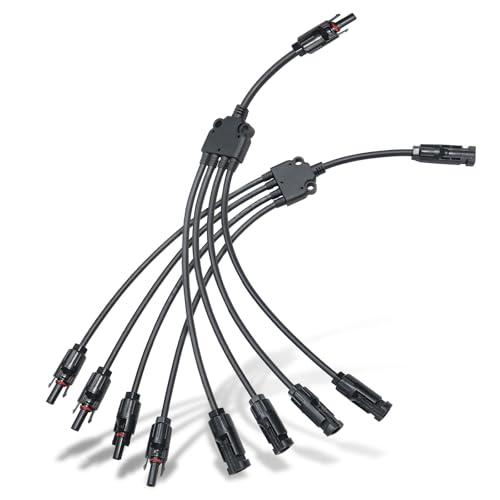
Y Branch Parallel Connector: 1 male to 4 female and 1 female to 4 male solar connectors can connect 4 solar panels in parallel to provide greater power usage

Parallel Connection: The product consists of two pairs, a pair containing two different Y branches, suitable for parallel connection of 3 solar panels
Identifying Problems
- Uneven Charging: If one battery charges slower, it may indicate a malfunction. Check connections for corrosion or loose wires.
- Voltage Mismatch: Batteries with different voltage ratings could cause imbalances. Use a multimeter to measure each battery’s voltage.
- Overheating Batteries: Excessive heat suggests overcurrent or short circuits. Ensure wires are correctly sized and connections are secure.
- Swelling or Leaking: Swollen or leaking batteries signify failure. Disconnect immediately to prevent further damage.
- Inconsistent Performance: If your system underperforms, inspect the batteries’ health. Regularly test voltage and capacity levels.
- Balance Connections: Use cables of the same length. This practice helps equalize voltage drop across all batteries.
- Regular Maintenance: Periodically check battery terminals for corrosion. Keep them clean and free of debris to maintain optimal performance.
- Monitor Battery Health: Implement a battery monitoring system to alert you of any issues. Early detection prevents further complications.
- Equalize Charging: Consider performing equalization charges occasionally to balance battery voltages. Follow your battery manufacturer’s recommendations for this process.
- Safety First: Always wear safety gear when handling batteries. Eye protection and gloves help prevent injuries during maintenance.
- Seek Professional Guidance: If problems persist, consult with a certified solar technician. Their expertise provides tailored solutions for your specific system.
By identifying problems quickly and applying effective solutions, you maintain a well-functioning solar battery system.
Conclusion
Connecting solar batteries in parallel is a smart way to enhance your solar energy system. It not only boosts your energy storage capacity but also offers reliability for those cloudy days. By following the right steps and keeping safety in mind, you can create a robust setup that meets your energy needs.
Remember to regularly monitor your batteries and perform maintenance to ensure everything runs smoothly. With the right care and attention, your solar battery system can provide you with a consistent power supply for years to come. Enjoy the benefits of your solar investment and the peace of mind that comes with having a dependable energy source.
Frequently Asked Questions
What are the benefits of connecting solar batteries in parallel?
Connecting solar batteries in parallel increases overall energy storage capacity and provides redundancy. This means you can store more energy for use during cloudy days, and if one battery fails, the others can continue to supply power, ensuring uninterrupted energy availability.
What types of solar batteries are available?
The main types of solar batteries include lead-acid batteries, which are cost-effective but require maintenance; lithium-ion batteries, known for their high efficiency and longer lifespan; and nickel-based batteries, which are durable but lesser-used due to their high costs and lower energy density.
How do I prepare for connecting solar batteries in parallel?
Preparation involves gathering compatible solar batteries, appropriate gauge battery cables, connectors, a multimeter, and safety gear. Ensure you’re working in a ventilated area, disconnect power sources, check battery voltage, and use safe lifting techniques to avoid injury.
What tools do I need to connect solar batteries in parallel?
You’ll need compatible batteries, battery cables of the right gauge, connectors, a multimeter to check voltage, and safety gear such as gloves and goggles. These tools will ensure a safe and effective battery connection for your solar energy system.
How do I wire solar batteries in parallel?
To wire solar batteries in parallel, connect the positive terminals of all batteries together and do the same with the negative terminals. Ensure that all batteries share the same voltage rating. Following this configuration allows the system to benefit from increased capacity.
What are common issues when connecting solar batteries in parallel?
Common issues include uneven charging, voltage mismatches, overheating, and inconsistent performance. These problems can often be resolved by maintaining balanced connections, performing regular maintenance, monitoring battery health, and conducting equalization charges.
What safety precautions should I take?
Always work in a well-ventilated area and disconnect power sources before beginning any connections. Use proper lifting techniques to avoid injury, wear safety gear, and regularly check battery health. If issues persist, seek professional guidance to ensure safety and system efficiency.
