

Have you ever thought about harnessing solar power but felt overwhelmed by the setup? Connecting a battery to a solar inverter can seem tricky, but it doesn’t have to be. Many people want to store energy for later use, especially during cloudy days or at night, and understanding how to do this can make a big difference in your energy independence.
Key Takeaways
- Understand Solar Inverters: Different types of solar inverters (string, micro, and power optimizers) serve specific functions in energy management and efficiency for solar systems.
- Importance of Batteries: Connecting a battery ensures a continuous power supply during non-sunny periods, enhances energy independence, and promotes improved energy efficiency by utilizing stored energy.
- Installation Preparation: Gathering appropriate tools and materials (e.g., screwdrivers, battery cables, multimeters) is crucial for a smooth and safe connection process.
- Step-by-Step Connection Guide: Follow a detailed procedure, ensuring safety precautions, verifying compatibility, and double-checking all connections to successfully connect a battery to a solar inverter.
- Troubleshooting Tips: Be aware of common issues—such as batteries not charging or inverters not turning on—and know how to address them to maintain optimal system performance.
- Consult Manufacturer Specifications: Always refer to the specific guidelines provided by the manufacturers for both the inverter and battery to ensure compatibility and proper functionality.
Overview of Solar Inverters
Solar inverters play a crucial role in converting the direct current (DC) generated by solar panels into alternating current (AC), which your household appliances use. Understanding how inverters function simplifies energy management and enhances your system’s performance.
Types of Solar Inverters
- String Inverters
String inverters connect multiple solar panels in series. They convert the combined DC output into AC. These are cost-effective but may decrease efficiency if one panel is shaded. - Microinverters
Microinverters are installed on each solar panel. They optimize energy conversion individually, boosting performance in varied conditions. - Power Optimizers
Power optimizers work similarly to microinverters but function alongside a string inverter. They maximize energy output by managing panel performance.
Key Functions of Solar Inverters
- DC to AC Conversion
Inverters convert solar energy into usable electricity for your home. - Monitoring System Performance
Inverters track energy production and system status, making it easy to identify issues. - Grid Connection
Inverters enable excess energy to feed back into the power grid, allowing net metering benefits.
Installation Considerations
- Location
Consider placing the inverter in a shaded, cool area. Excess heat diminishes performance. - Wiring
Ensure proper wire sizing and connections for safety and efficiency. - Compatibility
Assess compatibility with your battery system. Choosing an inverter that meets your battery storage needs prevents performance issues.
- How do I choose the right inverter for my solar system?
Understand your energy needs and consult with a professional to match an inverter’s specifications to your system size. - What maintenance is required?
Regularly check connections and clean the inverter to ensure optimal performance.
Understanding solar inverters equips you with the knowledge to maximize your solar energy system’s benefits. Follow these guidelines to ensure effective energy conversion and management.
Types of Solar Inverters
Understanding the different types of solar inverters is crucial for optimizing your solar energy system. Each type serves a specific purpose and comes with its own advantages.
Recommended Products

All-in-one Inverter Charger: Not only a power inverter with 3600 watt rated/7200 watt peak power, but with built-in 120A MPPT solar charge controller, and 100A AC battery charger. PV input voltage range 60V-500VDC, Max. PV input power 4200w, 16A

【100A MPPT Solar Charger & Maximum Efficiency】This hybrid inverter features a built-in 100A MPPT solar charger, optimizing energy harvest from PV arrays with a 500V max input. It supports up to 4,000W solar input and operates within a wide MPPT voltage range (60V–450V), ensuring compatibility with most solar panels. High conversion efficiency (97% PV to AC) reduces energy waste, ideal for off-grid or backup systems.

Grid-Tied Inverters
Grid-tied inverters connect directly to the local electrical grid. They allow your solar panels to send excess power back to the grid, which can earn you credits on your electricity bill. Most grid-tied systems work efficiently, especially in areas with net metering. These inverters automatically shut down during a power outage to ensure safety. They also typically feature monitoring capabilities, letting you track your energy production in real-time.
Example: If your solar panels generate more energy than your household consumes, a grid-tied inverter feeds the extra power to the grid, benefiting both you and your utility company.
Off-Grid Inverters
Off-grid inverters function independently from the electrical grid. They store energy in batteries so you can use it at night or during cloudy days. This type is essential for remote locations where grid access isn’t available. Off-grid systems allow for complete energy independence. You control your energy production and consumption without relying on any external electricity sources.
Example: In a cabin in the woods, an off-grid inverter can charge batteries with solar power during the day, ensuring you have electricity for lights and appliances at night.
Hybrid Inverters
Hybrid inverters combine features of both grid-tied and off-grid systems. They allow for battery storage while still being connected to the grid. This versatility means you can use solar energy first, draw from the grid when necessary, and store excess energy for later use. Hybrid inverters optimize energy usage and contribute to your energy independence.
Example: A hybrid system charges batteries with solar power during sunny days, then switches to battery power during the evenings or outages, providing seamless energy access.
Selecting the right inverter aligns with your energy needs and goals. Understanding these types helps you make informed decisions when connecting a battery to your solar inverter system.
Importance of Connecting a Battery
Connecting a battery to a solar inverter is crucial for maximizing the efficiency of your solar energy system. Batteries store excess energy generated by solar panels, allowing for use during cloudy days or at night. Here are some key points to consider:
Continuous Power Supply
- Energy Accessibility: By connecting a battery, you ensure a reliable power supply even when sunlight isn’t available.
- Load Management: Batteries can manage energy loads, providing power to essential devices during peak demand.
Enhanced Energy Independence
- Reduced Utility Dependence: A battery system decreases reliance on the local grid, leading to lower electricity bills.
- Emergency Backup: During outages, your battery can supply power to critical appliances, ensuring safety and comfort.
Improved Energy Efficiency
- Use of Stored Energy: Batteries let you utilize stored energy instead of feeding surplus energy back to the grid, which often comes with low compensation rates.
- Power from Renewable Sources: Connecting a battery allows you to capitalize on renewable energy, promoting sustainability.
Longer System Lifespan
- Battery Life Optimization: Properly integrating a battery with your inverter can prolong both battery and inverter lifespans, reducing the need for expensive replacements.
- Controlled Charge Cycles: Efficient charge and discharge cycles contribute to maintaining the health of your battery.
- Initial Investment vs. Savings: Consider upfront costs for batteries, but weigh these against long-term savings and incentives related to solar energy use.
- Potential Incentives: Many regions offer tax credits or rebates for solar battery systems, enhancing financial benefits.
Overall, connecting a battery to your solar inverter is a smart choice for ensuring consistent energy availability, enhancing independence, and improving efficiency in your solar energy system.
Tools and Materials Needed
To connect a battery to a solar inverter, gather the following tools and materials:
Recommended Products
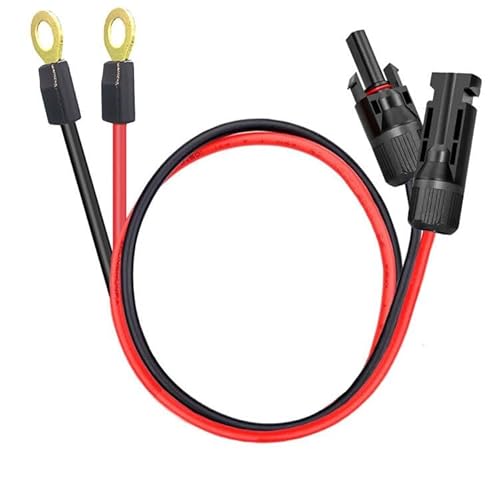
【High-quality material】High-Qulity Material Ensures Transmission in a Stable Situation.The cable is made of 10AWG tinned copper wire, which minimizes power loss and improves charging efficiency, and the shell is made of durability. insulating material, which has the best insulation effect .

10AWG Wire Tinned Copper Tray Extension Cable to connect the charge controller to the battery, also can be used as solar wires with tools to cut and crimp with new connectors.Widely used for solar panels, marine, automotive, RVs, Lawn mower,camper and inverter wiring.
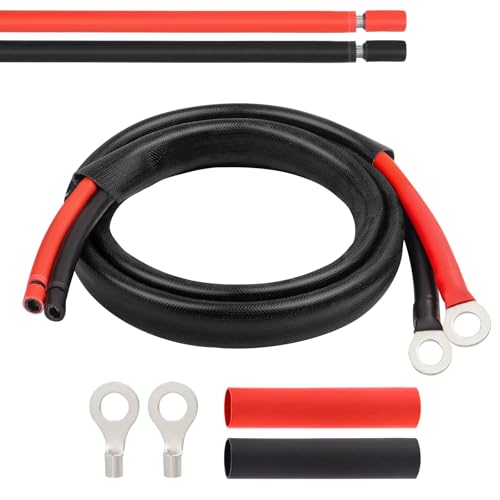
10AWG Tinned Copper Wire -- MOOKEERF solar battery cable is made of larger diameter 10AWG tinned copper wire which is minimize power loss in solar panel systems, the inner conductor consists of 84 tin-plated copper, well constructed and good conductive.
Tools
- Screwdriver: Use a Phillips or flathead screwdriver for securing connections.
- Wire cutter/stripper: Cut and strip wires to the appropriate length for connection.
- Wrench set: Needed for tightening battery terminal bolts.
- Multimeter: Measure voltage and ensure proper connections.
- Safety goggles: Protect your eyes while working with electrical components.
Materials
- Battery: Choose a deep-cycle battery, such as lithium-ion or lead-acid, suitable for your energy needs.
- Solar inverter: Select one compatible with your battery type and system voltage.
- Battery cables: Use appropriately sized cables that can handle the current load without overheating.
- Connectors: Ring terminals or spade connectors for secure connections.
- Fuses: Install a fuse to protect against overcurrent and potential damage.
- Insulated gloves: Wear gloves to protect against accidental electrical shock.
- Fire extinguisher: Keep a rated extinguisher nearby when working with batteries and electrical systems.
Gathering these tools and materials ensures you’re well-prepared for the installation process. Adding a checklist before starting can help keep everything organized, making the connection smoother and safer.
Step-by-Step Guide on How to Connect Battery to Solar Inverter
Connecting a battery to a solar inverter requires careful preparation and adherence to safety protocols. This guide walks you through the necessary steps.
Recommended Products

Complete 6PCS 2 AWG Cable Set: Includes 6 heavy-duty 2 gauge battery cables 6 inch (15CM )long, red and black battery inverter cables, ideal for inverter, battery bank, and solar parallel or series connections

4 AWG Battery Cables with 3/8 " lugs; battery cable length: 1 Feet/12 Inch/30.48cm

Package Contents: 2 AWG Inverter Battery Cables, Including One Positive (Red) And One Negative (Black) Battery Cables, Fit 3/8'' Stud
Safety Precautions
- Wear Safety Gear: Use insulated gloves and safety goggles to protect yourself during the installation.
- Work in a Well-Ventilated Area: Ensure your workspace has adequate ventilation to avoid the buildup of harmful gases.
- Disconnect Power: Always turn off all power sources before beginning the connection to prevent electrical shock.
Preparing the Battery and Inverter
- Check Compatibility: Confirm the battery is compatible with your solar inverter model. Refer to manufacturer specifications for guidance.
- Inspect Equipment: Examine the battery and inverter for any apparent damage or corrosion. Address any issues before proceeding.
- Fully Charge the Battery: If necessary, charge the battery to ensure optimal performance during the connection process.
Connecting the Battery to the Inverter
- Gather Tools and Materials: Assemble all necessary tools, including a screwdriver, wrench set, and battery cables. Ensure your battery cables are the appropriate gauge for the system.
- Identify Terminals: Locate the positive (+) and negative (-) terminals on both the battery and the inverter.
- Connect the Positive Terminal: Connect one end of the positive battery cable to the positive terminal of the battery, then attach the other end to the positive terminal of the inverter.
- Connect the Negative Terminal: Next, attach the negative battery cable to the negative terminal of the battery, and connect the other end to the negative terminal of the inverter.
- Install Fuses: Use proper fuses in line with your battery and inverter specifications to protect the system from electrical faults.
- Double-Check Connections: Review all connections for tightness and security before powering up the system.
- Power On the Inverter: Turn on the inverter and allow it to run for a few minutes. Monitor for any abnormal sounds or indications.
- Test Output Voltage: Use a multimeter to check the output voltage of the inverter. The reading should match the inverter’s specifications.
- Monitor Performance: Observe the inverter’s performance for several hours. Ensure it responds appropriately to load changes.
Following these steps ensures a safe and effective connection between your battery and solar inverter. Always refer to the manufacturer’s manual for model-specific guidance when necessary.
Troubleshooting Common Issues
When connecting a battery to a solar inverter, issues may arise. Understanding common problems and solutions can help ensure everything operates smoothly.
Battery Not Charging
- Check battery connections. Ensure they are clean and secure.
- Inspect the battery voltage. A significantly low voltage indicates possible damage.
- Examine the solar inverter settings. Confirm they are configured for battery charging mode.
Inverter Not Turning On
- Verify all connections. Loose or damaged cables can prevent power flow.
- Look for error indicators. Most inverters display issues through LED lights or error codes.
- Consider the battery state. A deeply discharged battery affects inverter operation.
Overloading the Inverter
- Monitor the power output. Excessive loads can cause the inverter to shut down.
- Calculate total wattage. Ensure the sum of connected devices doesn’t exceed the inverter’s rated output.
- Unplug unnecessary devices. Reducing the load allows the inverter to function properly.
Inconsistent Performance
- Investigate environmental factors. Dusty solar panels reduce efficiency.
- Check battery health. Old or damaged batteries affect performance.
- Ensure proper inverter placement. Keep it in a cool, dry area to avoid overheating.
- Always wear protective equipment. Gloves and goggles prevent accidents during installation.
- Use a multimeter for electrical testing. Ensure readings are within safe limits.
- Consult manufacturer guidelines. Follow specific instructions for your battery and inverter model.
By addressing these common issues, you can optimize the performance of your solar power system. Regular maintenance and monitoring serve as preventative measures against future problems.
Conclusion
Connecting a battery to your solar inverter opens up a world of energy independence and efficiency. You’re not just storing energy for cloudy days but also enhancing your overall solar setup. With the right tools and a clear step-by-step approach you can make this process smooth and safe.
Remember to prioritize safety and double-check your connections to avoid any hiccups. Regular monitoring and maintenance will keep your system running at its best. By mastering this connection you’re taking a significant step towards sustainable living and reducing reliance on traditional energy sources. Enjoy the benefits of your solar energy system and the peace of mind it brings!
Frequently Asked Questions
What is a solar inverter and why is it important?
A solar inverter converts the direct current (DC) produced by solar panels into alternating current (AC) that can be used in homes. It’s essential for integrating solar energy into your home’s electrical system and maximizing energy use.
How does battery integration enhance solar energy systems?
Integrating a battery with a solar inverter allows you to store excess energy for use during cloudy days or at night. This increases energy independence, reduces reliance on the grid, and provides backup power during outages.
What are the main types of solar inverters?
The three main types of solar inverters are string inverters, microinverters, and power optimizers. Each type has its own benefits, such as ease of installation, monitoring capabilities, and efficiency improvements.
What tools do I need to connect a battery to a solar inverter?
You’ll need a screwdriver, wire cutter/stripper, wrench set, multimeter, safety goggles, deep-cycle battery, compatible solar inverter, battery cables, connectors, fuses, insulated gloves, and a fire extinguisher for safety.
What are the steps to connect a battery to a solar inverter?
Begin by checking equipment compatibility and safety. Connect the battery to the inverter using appropriate cables, install fuses, and double-check all connections. Finally, power on the inverter and test the output to ensure everything is functioning properly.
How can I troubleshoot common issues with solar inverters and batteries?
If the battery isn’t charging or the inverter doesn’t turn on, check all connections, inspect battery voltage, and monitor power output. Ensure the inverter isn’t overloaded and is appropriately placed for optimal performance.
Why is maintenance important for solar energy systems?
Regular maintenance ensures that your solar energy system operates efficiently and effectively. It helps identify potential issues early, prolongs the lifespan of the inverter and battery, and maintains energy savings over time.
