

Are you looking to maximize your solar energy setup? Connecting batteries correctly can make all the difference in how efficiently you store and use that energy. If you’ve ever felt overwhelmed by the technical details or unsure where to start, you’re not alone.
Key Takeaways
- Understanding Battery Types: Different batteries, such as lead-acid, lithium-ion, nickel-cadmium, and flow batteries, have unique characteristics suitable for various solar energy setups. Choose based on cost, maintenance, and efficiency.
- Importance of Energy Storage: Batteries store excess solar energy for use during cloudy days or at night, promoting energy independence and backup power during outages.
- Safety Precautions: Before connecting batteries, enforce safety measures by working in a ventilated area, using protective gear, and disconnecting power sources.
- Connection Configurations: Understand the differences between series and parallel connections, as each configuration affects voltage and capacity for your specific power needs.
- Avoid Common Mistakes: Pay attention to wiring practices, regular maintenance, and inspections to enhance battery performance and longevity in your solar energy system.
Understanding Solar Battery Systems
Solar battery systems play a crucial role in maximizing the efficiency of solar energy setups. They store excess energy generated during the day for use when sunlight isn’t available.
Recommended Products
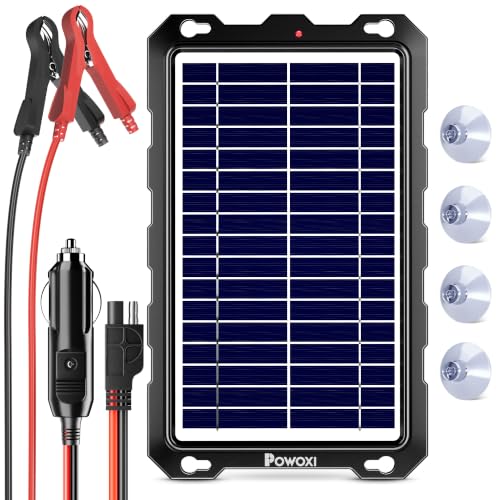
Upgrade Intelligent Charge Controller: Built-in internal protection system and smart fast charging Cooperate with Quality solar silicon material ensures high conversion and stable output the solar panel's energy conversion efficiency to 25-30%
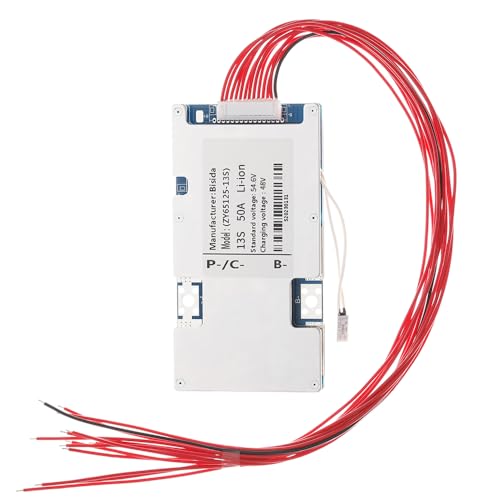
MULTIPLE PROTECTION Bisida's BMS has a variety of protection functions, such as over charge protection, over discharge protection, over current protection, short-circuit protection, temperature protection, isconnect protection, Voltage balance(passive balance), etc.
Types of Batteries for Solar
- Lead-Acid Batteries:
Lead-acid batteries are common due to their affordability. They come in flooded and sealed varieties. Flooded batteries require regular maintenance, while sealed ones are maintenance-free. - Lithium-Ion Batteries:
Lithium-ion batteries offer higher energy density and longer lifespan. They charge faster and are lighter, making them a popular choice for residential solar systems. - Nickel-Cadmium Batteries:
Nickel-cadmium batteries perform well in extreme temperatures. They’re durable but often more expensive and environmentally challenging. - Flow Batteries:
Flow batteries feature liquid electrolyte solutions. Their scalability makes them suitable for larger installations, but they’re less common for residential uses.
- Energy Storage:
Batteries store excess solar energy, providing power during cloudy days or at night. - Energy Independence:
With batteries, you rely less on the grid. This independence leads to reduced electricity bills and increased resilience. - Backup Power:
Batteries offer backup during power outages, ensuring essential devices remain operational. - Load Shifting:
You can charge your batteries during off-peak hours when electricity costs are lower, then use stored energy during peak hours to save money. - Grid Services:
Battery systems can provide ancillary services to the grid, such as frequency regulation. This engagement can result in additional financial incentives through programs offered by utility companies.
By understanding solar battery systems, you make informed choices that enhance the performance of your solar energy setup.
Preparing for Battery Connection
Before connecting batteries for your solar setup, gather the necessary tools and materials. Proper preparation ensures a smooth installation process and enhances safety.
Tools and Materials Needed
- Wrenches or Socket Set: Necessary for securing battery terminals.
- Wire Strippers: Used for stripping insulation off battery cables for proper connection.
- Multimeter: Measures voltage to ensure proper battery levels before connecting.
- Heavy-Duty Cables: Use appropriately gauged cables to handle the system’s current.
- Battery Monitor: Helps track battery performance and state of charge.
- Safety Goggles and Gloves: Protect your eyes and hands from potential hazards.
- Heat Shrink Tubing or Electrical Tape: Insulates connections to prevent shorts.
Safety Precautions to Consider
Before starting, follow these safety precautions:
- Review Manufacturer Guidelines: Always read the instructions for your specific battery type.
- Work in a Well-Ventilated Area: Ensure good airflow to avoid the buildup of harmful gases, especially with lead-acid batteries.
- Disconnect Power Sources: Before working on the batteries, ensure all solar panels are disconnected to prevent shocks or short circuits.
- Avoid Open Flames: Keep flammable materials away from batteries, as they can emit explosive gases.
- Check for Damage: Inspect batteries for cracks or leaks. Do not connect damaged batteries.
- Wear Protective Gear: Always use gloves and goggles when handling batteries to protect against acid spills or electrical shocks.
Following these guidelines lays a strong foundation for a safe and effective battery connection process in your solar energy system.
Steps to Connect Batteries for Solar
Connecting batteries for your solar energy system involves several steps to ensure safety and efficiency. Follow these guidelines carefully for the best results.
Wiring Configurations Explained
You can connect batteries in several configurations, with the most common being series and parallel.
- Series Connection: In a series setup, connect the positive terminal of the first battery to the negative terminal of the second battery. This increases the voltage while maintaining the same capacity (Ah). For example, connecting two 12V batteries in series produces a 24V system.
- Parallel Connection: In a parallel setup, connect all positive terminals together and all negative terminals together. This maintains the same voltage while increasing the capacity. Connecting two 12V batteries in parallel retains a 12V system but doubles the capacity (Ah).
Each configuration affects the performance and capacity of your solar system, so choose based on your power needs.
Step-by-Step Connection Process
Follow these steps to connect your batteries properly:
- Pre-Check Equipment: Ensure all tools and safety gear are ready. Use a multimeter to check battery voltage.
- Disconnect Power: Always disconnect any solar panel connections before starting. This prevents electrical shocks.
- Connect Batteries in Series or Parallel:
- For series: Connect the positive terminal of the first battery to the negative terminal of the next. Repeat until all batteries are connected.
- For parallel: Connect all positive terminals together and all negative terminals together.
- Secure Connections: Tighten all connections with a wrench to ensure they’re secure. Loose connections can lead to inefficiency or hazards.
- Double-Check Wiring: Before proceeding, review all connections to confirm accuracy and safety.
- Reconnect Power: After verifying connections, reconnect everything according to your controller’s instructions.
- Test System: Use a multimeter to ensure proper voltage across your battery setup. Confirm that everything operates as expected.
By following these structured steps, you can connect your batteries effectively and enhance the performance of your solar energy system.
Common Mistakes to Avoid
Avoiding common mistakes in battery connections can enhance the efficiency of your solar setup. Here are key pitfalls to watch out for:
Poor Wiring Practices
Ensure correct wiring practices for safe battery connections. Use the appropriate gauge of wire for your batteries. Using wires that are too thin can cause overheating and potential failures. Keep positive and negative wires separated to prevent short circuits. Label your cables to avoid confusion during setup. Regularly inspect connections for corrosion or loose terminals, which can lead to power loss.
Overlooking Battery Maintenance
Regular maintenance of your batteries is crucial for longevity. Check the water levels in lead-acid batteries often; low levels can damage them. Clean the terminals to prevent buildup, which can affect performance. Monitor voltage regularly using a multimeter to ensure proper functionality. Keep an eye on the overall condition of the batteries, looking out for swelling or leaks. Performing these maintenance tasks helps ensure that your solar energy system operates efficiently.
Conclusion
Connecting batteries for your solar energy system doesn’t have to be daunting. With the right tools and a clear understanding of the process you can enhance your system’s efficiency and enjoy the benefits of energy independence.
Remember to prioritize safety and double-check your connections to avoid common mistakes. Regular maintenance will keep your batteries in top shape and extend their lifespan.
By taking these steps you’re not just investing in a solar setup but also in a sustainable future. Enjoy the journey towards harnessing solar energy and the freedom it brings!
Frequently Asked Questions
What is the importance of connecting batteries correctly in a solar energy setup?
Properly connecting batteries maximizes energy efficiency by ensuring effective energy storage and usage. This helps in storing excess energy for use when sunlight isn’t available.
What types of batteries are suitable for solar systems?
Common types of batteries for solar systems include lead-acid, lithium-ion, nickel-cadmium, and flow batteries. Each type has its own advantages and disadvantages, affecting performance and cost.
What tools do I need to connect batteries for a solar system?
Essential tools include wrenches, wire strippers, a multimeter, heavy-duty cables, and safety gear. These tools are crucial for a safe and effective battery connection process.
What safety precautions should I take when connecting batteries?
Always review manufacturer guidelines, work in a ventilated area, disconnect power sources, avoid open flames, check for battery damage, and wear protective gear to ensure safety during the process.
How do I connect batteries in a solar energy system?
Connect batteries either in series to increase voltage or in parallel to enhance capacity. Follow a structured process: check equipment, disconnect power, securely connect batteries, double-check wiring, and test the system.
What common mistakes should I avoid when connecting batteries?
Avoid using incorrect wire gauges, mixing positive and negative wires, failing to label cables, and neglecting to inspect connections regularly for corrosion or loose terminals.
How can I maintain my solar system batteries?
Regular maintenance includes checking water levels in lead-acid batteries, cleaning terminals, monitoring voltage levels, and observing the overall condition of the batteries to ensure longevity and efficiency.
