

Have you ever found yourself frustrated when your solar battery runs low? You’re not alone. Many people rely on solar power but aren’t sure how to keep their batteries charged efficiently.
Key Takeaways
- Understanding Solar Batteries: Solar batteries store energy from solar panels, providing power during non-sunny periods and ensuring a steady energy supply.
- Types of Solar Batteries: Common types include lead-acid (affordable, maintenance-required), lithium-ion (efficient, longer lifespan), saltwater (eco-friendly), and flow batteries (flexible for larger systems).
- Charging Methods: Primary charging uses solar panels. There are also alternative methods like grid power, generators, and wind turbines to maintain battery levels when sunlight is insufficient.
- Step-by-Step Charging Process: Ensure proper battery condition, select the right charger, and make secure connections to achieve safe and effective charging.
- Troubleshooting Charging Issues: Regularly inspect connections, monitor voltage, and reposition solar panels to address common problems and enhance battery performance.
- Maximizing Battery Lifespan: Regular maintenance, checking for damages, and using balancing chargers for multi-battery systems improve longevity and efficiency.
Understanding Solar Batteries
Solar batteries store energy captured from solar panels. They play a crucial role in providing power when sunlight isn’t available, such as during the night or cloudy days.
What Are Solar Batteries?
Solar batteries are energy storage devices specifically designed for solar power systems. They turn solar energy into electrical energy and store it for later use. When your solar panels generate excess power, the batteries charge. When production dips, you draw energy from the batteries, ensuring a steady power supply.
Types of Solar Batteries
Different types of solar batteries serve various needs. Here are the most common kinds:
- Lead-Acid Batteries
Lead-acid batteries are cost-effective and widely used in solar systems. They come in two types: flooded and sealed. Flooded lead-acid batteries require maintenance, while sealed options, like AGM and Gel, are maintenance-free. - Lithium-Ion Batteries
Lithium-ion batteries are more efficient than lead-acid options. They offer a higher energy density, longer lifespan, and faster charging times. Their advanced technology makes them a popular choice for modern solar setups. - Saltwater Batteries
Saltwater batteries use saltwater as an electrolyte. They are environmentally friendly and offer good safety. These batteries have a shorter lifespan compared to lithium-ion but are a great choice for eco-conscious users. - Flow Batteries
Flow batteries store energy in liquid electrolytes. They provide flexibility by allowing larger energy storage capacities. These batteries are ideal for commercial systems but are less common in residential setups.
Choosing the right solar battery depends on your energy needs, budget, and environmental goals. Assess each type carefully to find the most suitable option for your solar power system.
Charging Methods for Solar Batteries
Charging solar batteries involves different methods based on your setup and circumstances. Understanding these methods ensures efficient energy storage for your solar power system.
Recommended Products
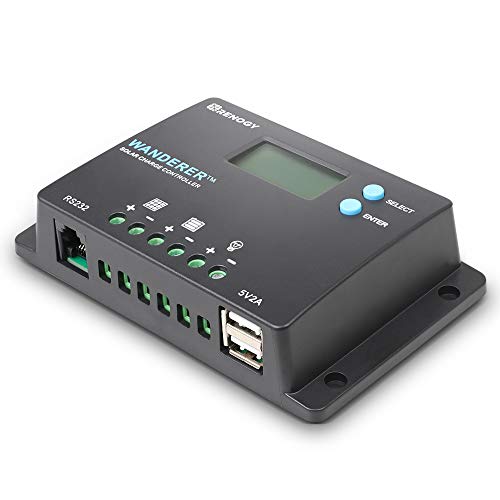
𝐒𝐦𝐚𝐫𝐭 𝟒-𝐒𝐭𝐚𝐠𝐞 12V/24V Solar Charge Controller: Renogy charge controller 𝐦𝐚𝐱𝐢𝐦𝐢𝐳𝐞𝐬 𝐁𝐚𝐭𝐭𝐞𝐫𝐲 𝐋𝐢𝐟𝐞 & 𝐒𝐨𝐥𝐚𝐫 𝐄𝐟𝐟𝐢𝐜𝐢𝐞𝐧𝐜𝐲, this advanced pwm solar charge controller utilizes intelligent 4-stage charging (Bulk/Boost/ Float/Equalization) to optimize power delivery for AGM, Gel, Flooded and Lithium batteries. RV solar charge controller prevents overcharging and gas buildup while 𝐚𝐜𝐡𝐢𝐞𝐯𝐢𝐧𝐠 𝟑𝟎% 𝐥𝐨𝐧𝐠𝐞𝐫 𝐛𝐚𝐭𝐭𝐞𝐫𝐲 𝐥𝐢𝐟𝐞𝐬𝐩𝐚𝐧 compared to basic charge controllers.

[100% Waterproof] The solar charge controller is built to last in any weather. It has a waterproof seal that keeps it safe from rain, snow, and dust. It’s perfect for outdoor use.
![[Upgraded] 30A PWM Solar Charge Controller with Auto Parameter LCD Display](https://m.media-amazon.com/images/I/41opvkWthjL._SL500_.jpg)
【UPGRADED SOLAR CONTROLLER】This solar charge controller helps you manage the working of solar panels and batteries in solar systems automatically with the build-in industrial microcontroller. You don't need to reset it when the battery runs out cause it will memorize various parameters set by the user
Using Solar Panels
Using solar panels is the primary method for charging solar batteries. The solar panels convert sunlight into electricity, which is then sent to the battery for storage.
- Connect the Panels: Ensure your solar panels are connected to a charge controller, which regulates the voltage and current coming from the panels to the batteries.
- Check Compatibility: Ensure your panels and batteries match in voltage. For example, a 12V battery requires a 12V solar panel.
- Monitor Charging: Regularly check the charging status. Many charge controllers have display panels showing battery levels and charging progress.
- Position Panels Properly: Adjust the angle of the panels towards the sun for maximum energy capture, ideally between 30° to 45° based on your geographical location.
Alternative Charging Sources
If sunlight isn’t available, alternative charging sources can keep your batteries charged.
- Grid Power: Use grid electricity for charging your batteries during cloudy days or nighttime. Connect the battery to a wall outlet with a proper inverter to ensure compatibility.
- Generator: A portable generator provides reliable backup power. Connect it to your solar battery setup using a compatible inverter to convert the generator’s output to usable power.
- Wind Turbines: Integrate wind turbines with your solar system. Wind energy can charge batteries during windy conditions. Install the turbine in a clear area to maximize wind exposure.
- Hybrid Systems: Consider a hybrid setup combining solar, wind, and grid power for diversified charging options. This flexibility ensures you maintain battery levels regardless of weather conditions.
Utilizing these charging methods helps you maintain a steady energy supply from your solar battery system.
Step-by-Step Guide to Charging Solar Batteries
Charging solar batteries effectively requires a series of precise steps. Follow this guide for smooth charging and optimal battery performance.
Recommended Products
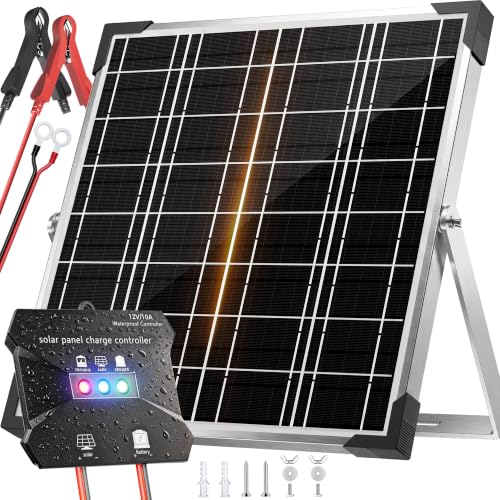
High-Efficiency MPPT Solar Charger - Advanced tracking technology delivers 20-30% faster charging for 12V batteries. A+ monocrystalline panels maximize power conversion. Perfect 20W solar trickle charger for cars, RVs, boats, and trailers. More sun captured, less time waiting.

【High Conversion Rate】This 20W solar panel with monocrystalline A+ solar cell has an excellent cell efficiency of 21%-30%. Designed to charge and maintain 12V rechargeable batteries like LiFePO₄, Lithium Ion, AGM, SLA, GEL, EFB, MF, etc. Keep batteries in charged for trailer, tractor, truck, boat, motorcycle, RV, car, lawn mower, water pump, gate opener, electric fence, etc
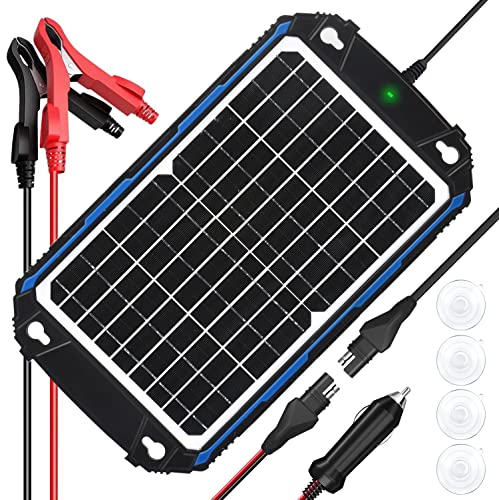
【Ultra-Smart MPPT Technology】This 12v solar panel battery charger is crafted with SUNER POWER's unique Ultra-Smart MPPT( Max Power Point Tracking) technology, the innovative MPPT allows to deliver high tracking efficiency of up to 99% and peak conversion efficiency of 98%, improving approximately 20%-30% utilization rate than other competitors
Preparing the Battery for Charging
- Check Battery Condition: Inspect the solar battery for any damage, leaks, or corrosion. Ensure that terminals are clean and securely connected.
- Measure Voltage: Use a multimeter to check the battery’s voltage. Confirm it matches the specifications of your charger.
- Select a Suitable Charger: Ensure you use a charger designed for solar batteries, compatible with the type of battery you own, whether it’s lead-acid or lithium-ion.
- Turn Off All Power Sources: Before connecting, turn off any solar panels or external power sources to avoid surges.
- Connect Charger Leads: Attach the positive lead from the charger to the positive terminal of the battery. Then, connect the negative lead to the negative terminal.
- Double-Check Connections: Ensure all connections are tight and correctly placed to prevent short-circuiting.
- Power On the Charger: Activate the charger and monitor its status. Look for indicators that confirm charging has begun.
- Set Charging Parameters: If your charger has adjustable settings, set the voltage and current according to the battery’s requirements.
Taking these steps helps ensure a safe and efficient charging process, ultimately prolonging your battery’s lifespan.
Common Issues and Troubleshooting
Solar batteries may exhibit various problems during charging. Identifying these issues promptly can prevent further complications and ensure optimal performance.
Recommended Products

12V Universal Solar Charge Controller- Renogy Solar controller optimizes charging for 𝐋𝐢𝐭𝐡𝐢𝐮𝐦, 𝐀𝐆𝐌, 𝐆𝐞𝐥, & 𝐅𝐥𝐨𝐨𝐝𝐞𝐝 𝐛𝐚𝐭𝐭𝐞𝐫𝐢𝐞𝐬. Smart PWM solar panel controller technology auto-selects the perfect charging curve (𝐁𝐮𝐥𝐤/𝐁𝐨𝐨𝐬𝐭/ 𝐅𝐥𝐨𝐚𝐭/ 𝐄𝐪𝐮𝐚𝐥𝐢𝐳𝐚𝐭𝐢𝐨𝐧) for your RV, boat, or off-grid setup. Renewable energy controllers easily switch battery types and monitor real-time charging stages via intuitive LEDs, mmaximizing battery lifespan.

✔️【Waterproof Solar Charge Controller】IP67 waterproof, suitable for outdoor use. Automatically identify voltage, 12V Max power: 150W, 24V Max power: 300W. The maximum current is 10A. Compatible with various 12V/24V deep-cycle batteries, such as AGM, GEL, Flooded. Adopting brand MCU chips to realize fast intelligent control and ultra-low standby power consumption.

SMART SOLAR CHARGE CONTROLLER: Solar charge the smart way with the Victron Energy SmartSolar MPPT charge controller, to ensure that every ray of available sunlight is converted into usable energy, while optimizing battery longevity.
Identifying Charging Problems
- Check Connections: Loose or corroded connections can disrupt charging. Inspect all terminals and cables for secure fits.
- Monitor Voltage Levels: Use a multimeter to check the battery voltage. A significant voltage drop signals a potential issue.
- Look for Error Codes: Some charge controllers display error codes. Refer to the manufacturer’s manual for specific troubleshooting instructions.
- Assess Charging Speed: Slow charging might indicate an inadequate solar input or a defective panel. Compare charging rates with expected results based on sunlight exposure.
- Inspect Battery Condition: Signs of swelling, leakage, or unusual heat could indicate battery damage. Regular inspections help catch these problems early.
- Tighten Connections: Ensure all cables are firmly attached. Replace corroded cables or terminal connectors, if necessary.
- Adjust Solar Panel Position: If charging is slow, reposition panels to capture more sunlight. Try adjusting angles throughout the day for optimal exposure.
- Replace Faulty Components: If voltage levels remain low, consider replacing the charge controller or solar panel. Consult with a professional for accurate diagnosis.
- Balance Charge Levels: For systems with multiple batteries, use a balancing charger. This maintains equal charge across all batteries, improving lifespan.
- Ensure Adequate Sunlight: If relying solely on sunlight, check seasonal changes and weather forecasts that may affect charging efficiency. Consider an alternate charging method during prolonged cloudy periods for reliability.
Identifying and addressing these common issues quickly can enhance the performance and lifespan of your solar battery system.
Conclusion
Charging your solar battery doesn’t have to be a hassle. By understanding the types of batteries and the best charging methods you can ensure your system runs smoothly. Remember to keep an eye on connections and monitor your charging status for optimal performance.
Whether you’re using solar panels or exploring alternative sources like generators or wind turbines, staying proactive makes all the difference. With the right approach and a bit of care, you’ll keep your solar battery in great shape and enjoy a reliable energy supply whenever you need it. Keep harnessing that sunshine and power your world!
Frequently Asked Questions
What are solar batteries used for?
Solar batteries store energy generated by solar panels for later use. They provide power during times when sunlight isn’t available, ensuring a consistent energy supply.
What types of solar batteries are there?
Common types include lead-acid, lithium-ion, saltwater, and flow batteries. Each type has unique advantages and fits different energy needs, budget considerations, and environmental impacts.
How do I charge my solar battery?
The primary method is connecting it to solar panels via a charge controller. Ensure compatibility, monitor the charging status, and position panels for optimal sun exposure.
Can I charge my solar battery with other sources?
Yes, you can use grid power, portable generators, or wind turbines. Hybrid systems that combine multiple energy sources can also enhance charging efficiency.
What steps should I follow to charge my solar battery safely?
Start by checking the battery’s condition and measuring its voltage. Turn off power, connect the charger leads correctly, and set the right charging parameters for optimal performance.
How can I troubleshoot solar battery charging issues?
Check for loose connections, voltage drops, and slow charging rates. Solutions include tightening connections, repositioning solar panels, and replacing faulty components to improve battery performance.
