

Have you ever wondered how to keep your solar batteries fully charged and ready for use? If you’re relying on solar energy, understanding how to charge those batteries efficiently is key to maximizing your investment.
Key Takeaways
- Understanding Solar Battery Types: Familiarize yourself with different solar battery types, including lead-acid, lithium-ion, saltwater, and nickel-based options, to select the best one for your needs.
- Charging Methods: Utilize effective charging methods such as direct solar panel connections, grid charging during low sunlight, and emergency generator charging to keep your batteries charged.
- Choose the Right Charger: Always select a charger that matches the chemistry of your solar battery for optimal performance and safety, considering options like lead-acid, lithium-ion, or smart chargers.
- Best Practices for Longevity: Follow best practices such as avoiding overcharging and undercharging, maintaining proper fluid levels, and regularly inspecting terminals to ensure the longevity and performance of your batteries.
- Safety Precautions: Take necessary safety measures, including wearing protective gear and ensuring proper ventilation, to prevent accidents during battery charging and maintenance.
- Monitor Battery Health: Regularly monitor charge levels and use a Battery Management System to keep track of battery conditions, preventing deterioration and ensuring efficient energy use.
Understanding Solar Batteries
Solar batteries store energy from solar panels, providing power when sunlight isn’t available. Knowing the types of solar batteries and their benefits helps you choose the right system for your needs.
Types of Solar Batteries
- Lead-Acid Batteries
Lead-acid batteries are popular due to their affordability and reliability. They come in two main types: flooded and sealed. Flooded batteries require regular maintenance, while sealed batteries are maintenance-free. - Lithium-Ion Batteries
Lithium-ion batteries are lightweight and efficient. They offer a longer lifespan and deeper discharge cycles compared to lead-acid batteries. This makes them a great choice for homeowners seeking high performance. - Saltwater Batteries
Saltwater batteries use saltwater as an electrolyte and are environmentally friendly. They have a lower energy density, but their safety and longevity make them appealing for certain applications. - Nickel-based Batteries
Nickel-cadmium (NiCd) and nickel-metal hydride (NiMH) batteries provide excellent performance in extreme temperatures. However, their higher cost often limits their use in residential settings.
- Energy Independence
Solar batteries allow you to store excess energy for later use. This reduces reliance on the grid and provides power during outages. - Cost Savings
Storing solar energy for use during peak hours can lower electricity bills. You can take advantage of lower rates during non-peak times. - Environmental Benefits
Using solar batteries contributes to reducing carbon footprints. They enable the use of clean, renewable energy efficiently. - Increased System Efficiency
When paired with solar panels, batteries enhance energy utilization by reducing waste. You maximize the benefits of your solar investment. - Backup Power
During power outages, solar batteries provide a reliable backup. You stay connected when traditional power sources fail.
How to Charge Solar Batteries
Charging solar batteries efficiently ensures you get the most out of your solar energy system. Follow these guidelines to make the charging process effective.
Choosing the Right Charger
Choosing a charger that matches your solar battery type is essential. Specific chargers work better with certain battery chemistry. Here are the main types of chargers:
- Lead-acid chargers: Use these with lead-acid batteries, ensuring they can handle both flooded and sealed types.
- Lithium-ion chargers: Opt for dedicated chargers that cater to lithium-ion batteries, as they require specific charging profiles.
- Smart chargers: Smart chargers automatically adjust charging rates based on battery status. These improve performance and lifespan.
Always check manufacturer specifications for optimal charger compatibility.
Charging Methods
Charging solar batteries involves several methods. Here are the most common options:
- Solar Panel Charging: Connect solar panels directly to the battery through a charge controller. This method uses sunlight to recharge your batteries during the day.
- Grid Charging: When sunlight is insufficient, charge batteries from the grid using a compatible charger. Many systems allow seamless transitions between solar and grid power.
- Generator Charging: In emergencies, you can use a generator to charge batteries. Ensure the generator output matches your battery and charger specifications.
- Battery Management System (BMS): Use a BMS to monitor charging, protect from overcharging, and optimize battery health. This system provides real-time data and safety features.
Adopting these charging methods enhances energy efficiency and extends battery life.
Best Practices for Charging Solar Batteries
Charging solar batteries efficiently involves specific methods and considerations to ensure safety and longevity. Following best practices can optimize their performance and reliability.
Safety Precautions
- Read Manufacturer Guidelines: Always follow the charging guidelines provided by the manufacturer of your battery. Each battery type may have unique requirements.
- Wear Proper Gear: Use safety glasses and gloves when working with batteries to protect yourself from potential acid spills or corrosive materials.
- Ventilate Charging Area: Ensure the charging area is well-ventilated. Batteries can emit gases during charging, which may be hazardous.
- Avoid Overcharging: Use chargers with automatic shut-off functions to prevent overcharging. Overcharging can lead to battery damage or swelling.
- Check Connections: Inspect all cables and connections for wear or corrosion. Loose or damaged connections can cause overheating or short circuits.
- Regularly Inspect Batteries: Check your solar batteries for signs of damage, leaks, or corrosion at least once a month.
- Clean Battery Terminals: Keep battery terminals clean and free from corrosion. Use a mixture of water and baking soda for cleaning when necessary.
- Maintain Proper Levels: For lead-acid batteries, regularly check and maintain fluid levels with distilled water. Keeping the electrolyte level correct ensures optimal performance.
- Monitor Charge Levels: Use a Battery Management System to keep track of charge levels and health metrics. This monitoring helps extend battery life.
- Store Correctly: If not in use, store batteries in a cool, dry place. Avoid exposing them to extreme temperatures, which can reduce their lifespan.
Using these best practices ensures the safe and effective charging of solar batteries while maximizing their performance and longevity.
Common Mistakes to Avoid
Avoiding common mistakes can significantly enhance the performance and lifespan of solar batteries. Below are typical pitfalls you should be aware of when charging your solar batteries.
Recommended Products
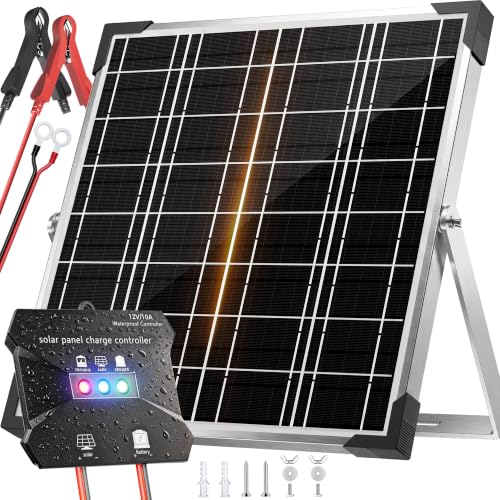
High-Efficiency MPPT Solar Charger - Advanced tracking technology delivers 20-30% faster charging for 12V batteries. A+ monocrystalline panels maximize power conversion. Perfect 20W solar trickle charger for cars, RVs, boats, and trailers. More sun captured, less time waiting.

【Ultra-Smart MPPT Technology】This 12v solar panel battery charger is crafted with SUNER POWER's unique Ultra-Smart MPPT( Max Power Point Tracking) technology, the innovative MPPT allows to deliver high tracking efficiency of up to 99% and peak conversion efficiency of 98%, improving approximately 20%-30% utilization rate than other competitors

100A ACTIVE BALANCING BMS FOR LITHIUM BATTERY PACKS: JK-B1A8S10P supports up to 100A continuous charge and discharge current with 1A energy-transfer active balancing to help improve cell consistency
Overcharging Issues
Overcharging your solar batteries can lead to significant damage. It often causes batteries to overheat, which damages internal components and decreases overall capacity. For instance, lead-acid batteries can result in water loss and sulfation, while lithium-ion batteries may face thermal runaway situations. To prevent overcharging, use a charger that matches your battery type. Smart chargers adjust charging rates automatically, reducing the risk of overcharging. Always monitor your battery’s voltage levels, and never exceed the manufacturer’s specified voltage limits.
Undercharging Consequences
Undercharging can lead to premature battery degradation. Insufficient charge cycles result in reduced capacity and shorter overall lifespan. For example, lead-acid batteries that aren’t fully charged can develop sulfation, while lithium-ion batteries may suffer from a decrease in performance due to incomplete cycles. To avoid undercharging, ensure your solar panels receive adequate sunlight during the day. Regularly check your battery’s charge levels using a Battery Management System (BMS) to ensure it maintains optimal voltage. Consistently charging your batteries to the recommended level maximizes their efficiency and longevity.
Conclusion
Charging your solar batteries the right way can make all the difference in maximizing your solar energy system’s performance. By understanding the various battery types and their specific charging needs you can ensure you’re getting the most out of your investment.
Implementing best practices and avoiding common mistakes will not only enhance battery efficiency but also extend its lifespan. Remember to monitor your batteries regularly and follow safety guidelines to keep everything running smoothly.
With a little care and attention your solar batteries can provide reliable energy for years to come. Enjoy the benefits of energy independence and do your part for the environment while you’re at it. Happy charging!
Frequently Asked Questions
What is the importance of keeping solar batteries fully charged?
Keeping solar batteries fully charged ensures optimal use of solar energy. A fully charged battery enhances energy independence, reduces costs by storing energy for peak usage, and contributes to environmental benefits by lowering carbon footprints. It also ensures reliable backup power during outages.
What are the different types of solar batteries?
The main types of solar batteries include lead-acid, lithium-ion, saltwater, and nickel-based batteries. Each type has unique benefits and is suited for different energy needs, with lithium-ion batteries often favored for their long lifespan and efficiency.
How can I charge solar batteries efficiently?
To charge solar batteries efficiently, choose the correct charger for your battery type. Methods include solar panel charging, grid charging, and generator charging. Using a Battery Management System (BMS) to monitor battery health is also recommended to optimize charging.
What are the best practices for charging solar batteries?
Best practices include following manufacturer guidelines, wearing proper gear, ensuring good ventilation, and avoiding overcharging. Regular inspections, cleaning terminals, maintaining fluid levels for lead-acid batteries, and monitoring charge levels with a BMS are crucial for battery care.
What common mistakes should I avoid when charging solar batteries?
Common mistakes include overcharging and undercharging. Overcharging can cause overheating, while undercharging leads to premature degradation. Use appropriate chargers, monitor voltage levels, and ensure adequate sunlight for your solar panels to prevent these issues.
