

Have you ever found yourself in a pinch, needing power but facing cloudy skies or a rainy day? You’re not alone. Many people rely on solar batteries for energy, but what happens when the sun doesn’t shine?
Key Takeaways
- Understanding Solar Batteries: Solar batteries store energy from solar panels, providing power when sunlight is scarce, ensuring a reliable energy source at all times.
- Types of Solar Batteries: Familiarize yourself with different battery types, including lead-acid, lithium-ion, nickel-cadmium, and saltwater, each with unique benefits and maintenance needs.
- Charging Alternatives: When sunlight isn’t available, you can charge solar batteries using an AC power source or a DC generator, allowing for continuous energy access and flexibility in various situations.
- Maintenance Best Practices: Regularly check battery voltage, clean connections, and balance batteries to maintain optimal performance and longevity, especially when direct sunlight is not consistently available.
- Energy Independence: Charging solar batteries without sunlight enhances energy reliability, giving you the flexibility to power devices anytime, regardless of weather conditions.
- Usage Flexibility: Understanding how to charge without sun allows for extended usage scenarios, such as camping or emergencies, ensuring your solar batteries are always ready for use.
Understanding Solar Batteries
Solar batteries play a vital role in storing energy for use when sunlight isn’t available. These batteries enable you to utilize solar power even during cloudy days or at night, ensuring a reliable energy source.
Recommended Products
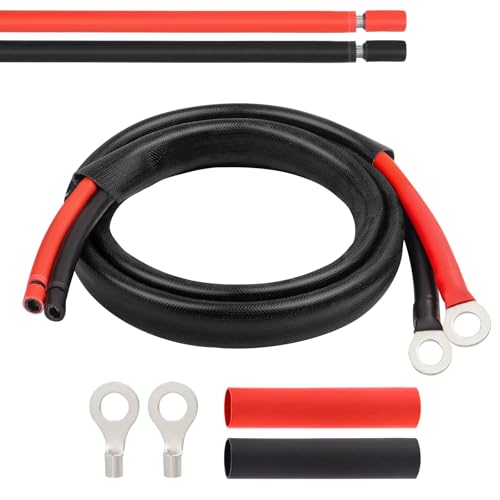
10AWG Tinned Copper Wire -- MOOKEERF solar battery cable is made of larger diameter 10AWG tinned copper wire which is minimize power loss in solar panel systems, the inner conductor consists of 84 tin-plated copper, well constructed and good conductive.

10AWG Wire Tinned Copper Tray Extension Cable to connect the charge controller to the battery, also can be used as solar wires with tools to cut and crimp with new connectors.Widely used for solar panels, marine, automotive, RVs, Lawn mower,camper and inverter wiring.

Types of Solar Batteries
- Lead-Acid Batteries:
- Commonly used in off-grid systems, lead-acid batteries are affordable and widely available. They require regular maintenance and have a shorter lifespan than other types.
- Lithium-Ion Batteries:
- Known for their efficiency and long lifespan, lithium-ion batteries charge quickly and require minimal maintenance. They tend to be more expensive but offer greater energy density.
- Nickel-Cadmium Batteries:
- While less common for solar applications, nickel-cadmium batteries perform well in extreme temperatures. They, however, have a higher environmental impact and are less efficient.
- Saltwater Batteries:
- An emerging option, saltwater batteries are environmentally friendly and less toxic. They provide a longer lifespan but are not as widely available as other types.
How Solar Batteries Work
Solar batteries store energy generated from solar panels for later use. During daylight, solar panels convert sunlight into electricity, charging the batteries. When sunlight is insufficient, these batteries supply power to your home or devices.
Energy flows from the solar panels to the battery via a charge controller, which regulates voltage and prevents overcharging. When needed, an inverter converts the stored DC electricity back to AC for home use.
Understanding these mechanisms allows you to maximize your solar battery’s efficiency and ensure consistent energy availability, even without direct sunlight.
Alternative Charging Methods
When sunlight isn’t available, you can still charge solar batteries through alternative methods. These methods provide reliable energy sources and ensure your batteries remain functional during cloudy days or at night.
Recommended Products

【SLIM & POCKETABLE】This portable power bank is about the size of a smartphone (6.5×3.3×4 inches) and weighs only 2.54 pounds. It features an ergonomic soft handle for easy portability. It easily fits into a backpack for convenient portability. Pro Tip: Fully charge and discharge the battery twice initially for the best experience.(Solar panel and cable not included)

Remarkably Compact & Power Station: 24000mAh 88.8Wh portable power station with 120V/65W AC outlet, a great solution to AC power supply. Provides enough power to most of your devices such as smartphone, tablet, and laptop. It’s perfect for your travel and business trip

Ultra-Lightweight: At only 7.5 lbs, the Explorer 300 delivers a robust 292Wh capacity while remaining 17% lighter than the industry average. The sleek, integrated handle makes it effortless to carry on long hikes or pack with your camping gear, providing reliable off-grid power without adding bulk to your load.
Using an AC Power Source
Using an AC power source allows for efficient battery charging. You can connect your solar battery to a standard wall outlet using a suitable charger. This method typically involves:
- Selecting the Right Charger: Choose an AC charger compatible with your battery type, such as lead-acid or lithium-ion.
- Connecting the Battery: Plug your charger into the wall outlet and then connect it to your solar battery.
- Monitoring the Charge: Keep an eye on the charging process, ensuring it doesn’t exceed recommended voltage levels to avoid damage.
This option is especially useful during prolonged periods without sunlight when you need an immediate power supply.
Utilizing a DC Generator
Utilizing a DC generator offers another efficient method to charge solar batteries. This method supplies energy directly from the generator to the battery. Follow these steps:
- Selecting a Suitable Generator: Make sure your generator produces the correct voltage and current for your solar battery.
- Setting Up the Connection: Use appropriate cables to connect the generator to the battery terminals, ensuring correct polarity (positive to positive, negative to negative).
- Starting the Generator: Turn on the generator, allowing it to charge your solar battery. Monitor the charging process to prevent overcharging.
- Disconnecting Safely: Once charging is complete, switch off the generator and safely disconnect the cables.
This method is particularly beneficial for outdoor activities or emergencies when traditional power sources are unavailable.
Maintenance Tips for Solar Batteries
Maintaining your solar batteries ensures optimal performance and longevity, especially when sunlight isn’t consistently available.
Regular Checks and Balancing
Schedule regular checks on your solar batteries at least once a month. Monitor voltage levels to ensure they remain within manufacturer-recommended ranges. Use a multimeter to measure the voltage accurately. Balancing the batteries helps equalize the charge across multiple cells, especially in lead-acid batteries. This can be done through a balancing charger or by disconnecting and equalizing the battery bank periodically.
Keeping Connections Clean
Inspect and clean battery connections frequently. Dirt and corrosion can create resistance, impacting energy flow. Use a mixture of baking soda and water to clean terminals. Apply a wire brush to remove any buildup. After cleaning, apply a thin layer of petroleum jelly to protect the terminals from further corrosion. Tighten any loose connections to ensure proper contact.
Advantages of Charging Without Sun
Charging solar batteries without sunlight offers several benefits that enhance energy reliability and flexibility. This approach aids in maximizing energy storage and ensures you maintain power during unpredictable conditions.
Energy Independence
Charging without sun grants you independence from sunlight availability. You can power your devices or appliances anytime, regardless of weather conditions. For example, using an AC power source to charge your solar battery means you won’t rely solely on daylight. This capability provides peace of mind, especially during emergencies or power outages.
Extended Usage Flexibility
Extended usage flexibility allows you to utilize your solar batteries longer. By charging with alternative sources like a DC generator, you ensure your batteries are ready when you need them most. This flexibility supports various scenarios, from camping trips to off-grid living, where direct sunlight isn’t always guaranteed. Whether you’re planning a weekend getaway or need backup power at home, knowing your solar batteries can charge without sun makes a significant difference.
Conclusion
Charging your solar batteries without sunlight opens up a world of possibilities. Whether you’re facing cloudy weather or planning an outdoor adventure you can keep your devices powered and ready to go. By using AC power sources or a DC generator you can ensure your batteries stay charged when you need them most.
Regular maintenance and monitoring will keep your batteries in top shape so they’re always there for you. Embracing these alternative charging methods not only enhances your energy independence but also gives you the confidence to tackle any situation. So go ahead and explore these options knowing you’ve got reliable energy at your fingertips.
Frequently Asked Questions
What challenges do solar battery users face during cloudy weather?
Users of solar batteries often struggle with energy access during cloudy or rainy days when sunlight is insufficient for solar panels to generate power. This can lead to concerns about having a reliable energy source when it’s most needed.
How do solar batteries work?
Solar batteries store energy generated by solar panels. During sunny periods, solar panels convert sunlight into electricity, which is then stored in the batteries for use later. Charge controllers and inverters help maximize efficiency and ensure consistent energy flow.
What types of solar batteries are available?
There are several types of solar batteries, including lead-acid, lithium-ion, nickel-cadmium, and saltwater batteries. Each type has its own advantages and disadvantages, such as cost, lifespan, and energy efficiency, making it important to choose based on personal needs.
How can I charge solar batteries without sunlight?
You can charge solar batteries using an AC power source by connecting a compatible charger or through a DC generator. It’s essential to follow proper connection steps and ensure safe disconnection after charging to maintain battery health.
What maintenance do solar batteries need?
To keep solar batteries performing optimally, regular maintenance is crucial. This includes monthly voltage checks, using balancing chargers for lead-acid batteries, cleaning terminals to prevent corrosion, and applying petroleum jelly after cleaning to protect connections.
What are the benefits of charging solar batteries without sunlight?
Charging solar batteries without sunlight offers increased energy independence and flexible usage. This capability allows users to power devices during emergencies, power outages, or in off-grid situations, ensuring batteries are always ready for use.
