

Have you ever found yourself out of battery on your e-bike, miles away from a charging station? It’s frustrating, especially when you’re eager to explore the great outdoors. But what if you could harness the sun’s energy to keep your ride powered up?
Key Takeaways
- Types of Ebike Batteries: Familiarize yourself with the various types of batteries—lithium-ion, lead-acid, and nickel-metal hydride (NiMH)—to understand their performance, capacities, and cycle lives.
- Solar Panel Options: Choose from different solar panel types, such as monocrystalline, polycrystalline, and thin-film, based on efficiency, durability, and your budget for effective e-bike charging.
- Necessary Equipment for Charging: Essential tools include a portable solar panel, a solar charge controller, a battery adapter, and proper battery storage to ensure safe and effective charging.
- Charging Process: Position your solar panel for optimal sunlight, connect it with a charge controller and battery adapter, monitor charging progress, and disconnect once fully charged to maintain battery health.
- Environmental and Cost Benefits: Using solar energy to charge your e-bike minimizes carbon emissions and leads to long-term cost savings, offering a sustainable and cost-effective alternative to traditional electricity sources.
- Considerations for Effective Charging: Be aware of factors such as charging time, wattage, battery capacity, and compatibility to streamline the charging process and enhance efficiency.
Understanding Ebike Batteries
Ebike batteries play a crucial role in your riding experience. Understanding their types and performance characteristics can enhance your adventure.
Types of Ebike Batteries
- Lithium-Ion Batteries: Most common in ebikes, lithium-ion batteries offer high energy density, lightweight construction, and long life cycles. They typically last between 500 and 1,500 charge cycles.
- Lead-Acid Batteries: More affordable but heavier, lead-acid batteries deliver lower energy efficiency and shorter life spans. They generally last between 200 and 300 charge cycles.
- Nickel-Metal Hydride (NiMH) Batteries: NiMH batteries are less common. They provide a balance between weight and cost but have a shorter lifespan compared to lithium-ion types.
Battery Capacity and Performance
Battery capacity influences your ebike’s range, measured in watt-hours (Wh). A higher Wh rating means longer rides without recharging.
- Common Capacities: Typical capacities range from 300Wh to 1,500Wh. For example, a 500Wh battery supports around 20-40 miles on a single charge, depending on your riding style and terrain.
- Performance Factors: Performance depends on various factors like weight, rider efficiency, and external conditions. Uphill rides drain more battery than flat paths.
- Charging Strategy: To optimize battery life and performance, charge your ebike battery fully before long rides. Avoid deep discharges; aim to recharge after 20-30% depletion.
Understanding these aspects helps you leverage solar charging effectively, keeping your ebike powered during your adventures.
Solar Panel Basics
Solar panels convert sunlight into electricity, making them a viable option for charging e-bike batteries. Understanding how solar panels work and their types is crucial for effective charging solutions.
Recommended Products

Advanced encapsulation material with multi-layered sheet laminations to enhance cell performance and provide a long service life.

【High Conversion Rate】This 20W solar panel with monocrystalline A+ solar cell has an excellent cell efficiency of 21%-30%. Designed to charge and maintain 12V rechargeable batteries like LiFePO₄, Lithium Ion, AGM, SLA, GEL, EFB, MF, etc. Keep batteries in charged for trailer, tractor, truck, boat, motorcycle, RV, car, lawn mower, water pump, gate opener, electric fence, etc
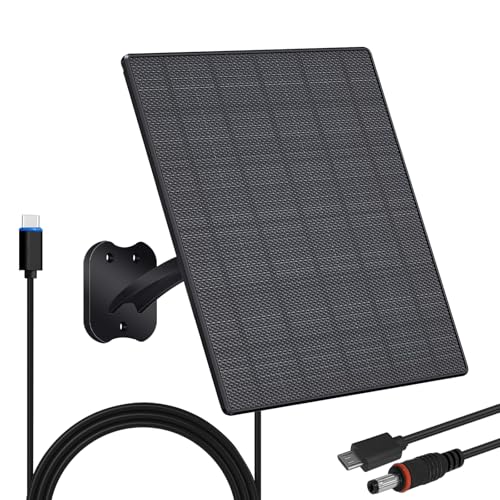
【Wide Compatibility for 5V Devices】The 10W solar panel is designed for most DC 5V rechargeable battery camera. 5V camera solar panel with USB-C output plug Micro USB and DC 5.5x2.1mm adapters. Not compatible with Arlo, Blink, Ring, Google Nest, Kasa cameras and any plug-in camera without battery.
How Solar Panels Work
Solar panels consist of many solar cells made from silicon. These cells absorb sunlight and create an electric current through the photovoltaic effect. When light hits the cells, it generates free electrons, producing direct current (DC) electricity. This DC electricity can then be used to charge batteries directly or be converted to alternating current (AC) for other uses. For efficient e-bike charging, you’ll typically focus on panels that produce DC electricity.
Types of Solar Panels for Charging
Different types of solar panels exist, each with unique characteristics:
- Monocrystalline Panels:
- Efficiency: High efficiency, typically around 15-20%.
- Lifespan: Lasts 25 years or more with proper care.
- Polycrystalline Panels:
- Efficiency: Moderate efficiency, generally 13-16%.
- Cost: Often more affordable than monocrystalline options.
- Thin-Film Panels:
- Weight: Lightweight and flexible, easy to install.
- Efficiency: Lower efficiency, typically 10-12%.
When selecting a solar panel for e-bike charging, consider factors like desired portability, efficiency, and budget. Monocrystalline panels often provide the best performance per square foot but may come at a higher cost.
How to Charge Ebike Battery with Solar Panel
Charging your e-bike battery with a solar panel is a convenient and eco-friendly method. Follow these key steps to ensure efficient charging while enjoying the outdoors.
Recommended Products

【Boost Charging】Boosts the voltage of 12V solar panels to charge 12V/36V/48V/60V/72V batteries in Golf Cart, Electric Vehicles,Club Car, Scooter and Solar System Kit. No need to add additional solar panels or change the connection of solar panels
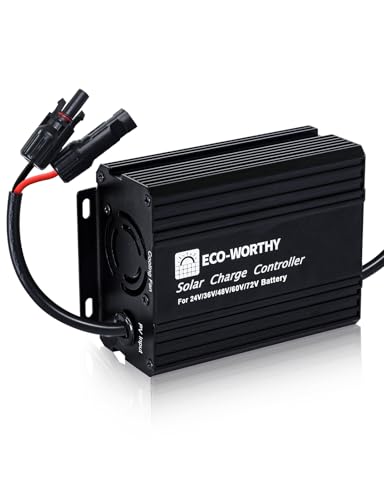
【Boost Charging】Boosts the voltage of 12 V or 24 V solar panels to charge 24/36/48/60/72 V batteries in Golf Cart, Electric Vehicles, and Solar System Kit; No need to add additional solar panels or change the connection of solar panels

✔️【Waterproof Solar Charge Controller】IP67 waterproof, suitable for outdoor use. Automatically identify voltage, 12V Max power: 150W, 24V Max power: 300W. The maximum current is 10A. Compatible with various 12V/24V deep-cycle batteries, such as AGM, GEL, Flooded. Adopting brand MCU chips to realize fast intelligent control and ultra-low standby power consumption.
Required Equipment
- Solar Panel: Choose a portable, lightweight solar panel that fits your needs. Monocrystalline panels often offer the highest efficiency.
- Solar Charge Controller: Necessary to regulate voltage and prevent battery overcharging, improving safety and battery lifespan.
- Battery Adapter: Use a compatible adapter to connect the solar panel to your e-bike battery, ensuring proper voltage matching.
- Battery Storage: Have a suitable battery storage option, like a battery bag, to protect your battery while charging outdoors.
- Set Up the Solar Panel: Position the solar panel in direct sunlight, facing the sun for maximum exposure. Ensure it remains unobstructed to capture the most light possible.
- Connect the Charge Controller: Link the solar charge controller to the solar panel. This step manages the energy flow and prevents excessive voltage.
- Attach the Battery Adapter: Plug the battery adapter into the charge controller and connect it to your e-bike battery. Check the connections for snugness; loose connections can hinder charging efficiency.
- Monitor Charging Progress: Keep an eye on the charge controller’s display, if available. This screen shows the battery’s voltage and prevents overcharging.
- Disconnect Once Charged: Once the e-bike battery reaches the desired charge level, disconnect the adapter carefully. Store your solar panel and charger to ensure they remain in good condition.
By following these steps, you can harness solar energy effectively, keeping your e-bike powered and ready for your next adventure.
Advantages of Solar Charging
Charging your e-bike battery with solar panels offers several advantages, enhancing your riding experience and supporting eco-friendly practices.
Environmental Benefits
Using solar energy to charge your e-bike significantly reduces carbon emissions. Solar panels harness sunlight, a renewable energy source, minimizing reliance on fossil fuels. This shift not only helps lower your ecological footprint but also promotes sustainability. For example, by charging your e-bike using solar energy instead of traditional electricity, you contribute to cleaner air and a healthier planet.
Cost-Effectiveness
Solar charging provides substantial long-term savings. Once you invest in solar panels and related equipment, you no longer pay for electricity to charge your e-bike. While initial costs for solar panels can be higher, the savings accumulate quickly. For instance, if you typically spend $10 monthly on electricity for charging, you could save $120 annually, leading to a significant return on investment over time. Additionally, many solar panel setups require minimal maintenance, further enhancing their cost-effectiveness.
Considerations and Limitations
Understanding limitations ensures effective use of solar panels for charging e-bike batteries. Key factors influence the charging process and compatibility with your e-bike system.
Recommended Products

【Upgraded 30A Solar Charge Controller】Auto detect 12V 24V 36V 48V system; Rated Charging Current is 30A; Max. PV Input Voltage is 100V; Max. Input Power is between 360W ~ 1440W; Built-in 2 USB ports with output of 5V and 2A; User-friendly setup with real-time monitoring and parameter configuration via LCD screen.

36V-48V, 350W Fit: Designed for compatible electric bikes and scooters, this brushless DC motor speed controller supports 36V-48V systems with 350W power output for reliable motor control and efficient use.
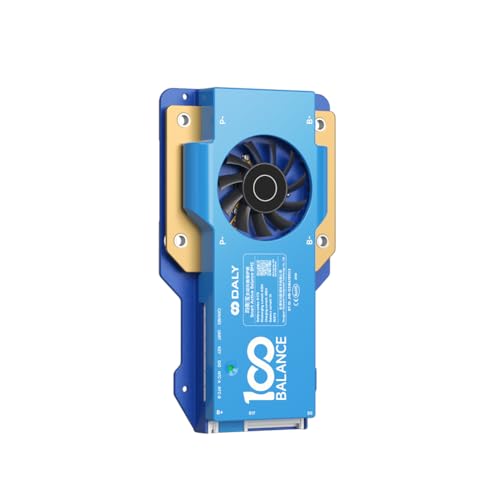
Enhanced Battery Safety: DALY active balance BMS offers protection against overcharging, overdischarging, overcurrent, short circuits and extreme temperatures, ensuring the safety and longevity of the battery pack.
Charging Time Factors
Charging time depends on several factors: solar panel wattage, battery capacity, and sunlight intensity. Higher wattage panels typically charge faster. For example, a 100W solar panel can charge a 500Wh battery in about 5-10 hours of direct sunlight, while a lower wattage panel may take considerably longer. Optimizing your panel’s placement for maximum sunlight exposure significantly improves charging efficiency. Consider tracking weather patterns, as cloudy days may extend charging times.
Compatibility Issues
Compatibility between your solar charging setup and e-bike battery is crucial. Ensure the solar charge controller matches the battery voltage. Many e-bike batteries operate at 36V or 48V, so selecting the right controller prevents damage. Verify that your solar panel’s output aligns with your battery and charging specifications. Using a battery adapter also helps connect different systems effectively. Always consult the e-bike manufacturer’s guidelines to confirm compatibility and avoid potential complications during charging.
Conclusion
Embracing solar energy for your e-bike charging needs opens up a world of convenience and sustainability. You can enjoy your outdoor adventures without the worry of running out of battery. By understanding your e-bike’s battery and selecting the right solar panel, you’ll be well-equipped to harness the sun’s power effectively.
With a bit of planning and the right gear, charging your e-bike with solar panels can be a seamless experience. Not only will you save money in the long run but you’ll also contribute to a greener planet. So go ahead and explore the great outdoors knowing you’ve got a reliable power source at your fingertips. Enjoy the ride!
Frequently Asked Questions
What are the main challenges of running out of e-bike battery while outdoors?
Running out of battery while away from a charging station can lead to frustration and limit your ability to explore. Riders may find themselves stranded, needing to find alternate transport or walk their bike back, which detracts from the adventure.
How can solar energy help keep e-bikes powered?
Solar energy can provide a sustainable charging solution during adventures. By using solar panels, riders can convert sunlight into electricity, allowing them to charge their e-bike batteries wherever they are, reducing dependency on traditional power sources.
What types of batteries are commonly used in e-bikes?
E-bikes typically use lithium-ion, lead-acid, and nickel-metal hydride batteries. Lithium-ion batteries are favored for their high energy density and lightweight, while lead-acid is more affordable but heavier and less efficient. Nickel-metal hydride offers a balance of performance and cost.
How is battery capacity for e-bikes measured?
Battery capacity for e-bikes is measured in watt-hours (Wh). This measurement indicates how much energy the battery can store, directly affecting the e-bike’s range and how long it can run before needing a charge.
What types of solar panels are suitable for e-bike charging?
There are three main types of solar panels: monocrystalline, polycrystalline, and thin-film. Monocrystalline panels are generally the most efficient and compact, while polycrystalline is a cost-effective option. Thin-film panels are lightweight but less efficient, making selection based on needs essential.
What equipment is needed to charge an e-bike battery with solar energy?
To charge an e-bike battery using solar energy, you’ll need a portable solar panel, a solar charge controller, a battery adapter, and suitable battery storage. Together, these components will enable effective solar charging on the go.
How can I efficiently charge my e-bike battery using solar panels?
To charge efficiently, set up the solar panel in direct sunlight, connect the solar charge controller and battery adapter, and monitor the charging progress. Ensure the setup matches the battery specifications, and disconnect carefully once fully charged.
What are the environmental benefits of solar charging for e-bikes?
Solar charging reduces carbon emissions by minimizing reliance on fossil fuels and contributes to sustainability. By utilizing renewable energy, riders can significantly lower their ecological footprint and support clean energy initiatives.
Will I save money by switching to solar energy for e-bike charging?
Yes, switching to solar energy can be cost-effective. Although initial investments in solar panels can be higher, the long-term savings on electricity costs can be substantial, potentially saving riders around $120 annually.
What factors affect the charging time of e-bike batteries with solar panels?
Charging time is influenced by solar panel wattage, battery capacity, and sunlight intensity. Higher wattage panels charge faster; for example, a 100W panel may charge a 500Wh battery in 5-10 hours of direct sunlight, depending on conditions.
