

Ever wondered how you can harness the sun’s energy to keep your devices charged? Imagine camping in the great outdoors or facing a power outage at home, and your phone or battery-powered tools are running low. Charging your battery with solar power can be a game changer in these situations.
Key Takeaways
- Harness Solar Energy: Solar charging converts sunlight into electricity, providing an eco-friendly power source for devices during outdoor activities or emergencies.
- Types of Solar Panels: Choose between monocrystalline, polycrystalline, thin-film, and bifacial solar panels based on efficiency, cost, and space availability.
- Battery Selection: Decide between lead-acid and lithium-ion batteries, factoring in lifespan, maintenance, energy density, and temperature performance to meet your charging needs.
- Essential Components: A complete solar charging system requires solar panels, a charge controller, a battery, an inverter (if needed), and appropriate cables and connectors.
- Optimal Setup: Position solar panels for maximum sunlight, securely mount them, and follow the wiring guidelines to connect the system components effectively.
- Regular Maintenance: Monitor battery charge levels and solar output, perform regular inspections and cleanings, and adhere to maintenance schedules to ensure longevity and efficiency of your solar system.
Understanding Solar Charging
Solar charging allows you to convert sunlight into electricity, effectively powering your devices without relying on traditional outlets. This method offers an eco-friendly solution, perfect for various situations, from outdoor adventures to emergency preparedness.
How Solar Panels Work
Solar panels consist of photovoltaic cells that capture sunlight and convert it into electricity. When light hits these cells, it generates direct current (DC) electricity. This DC electricity flows through an inverter, which then converts it to alternating current (AC) electricity, making it suitable for household devices.
In essence, it operates on the principle of the photovoltaic effect. This effect occurs when light photons transfer energy to electrons in the solar cells, motivating them to generate electricity.
- Monocrystalline Solar Panels:
- Made from a single crystal structure.
- High efficiency rates (15-22%), making them ideal for limited space.
- Generally, more expensive due to their manufacturing process.
- Polycrystalline Solar Panels:
- Composed of multiple crystal structures.
- Slightly lower efficiency rates (13-16%) compared to monocrystalline.
- More affordable, making them a popular choice for larger installations.
- Thin-Film Solar Panels:
- Lightweight and flexible.
- Lower efficiency rates (10-12%) but can be applied on various surfaces.
- Less space-efficient and generally require more area for the same output.
- Bifacial Solar Panels:
- Capture sunlight from both sides.
- Enhances energy production, especially in reflective environments.
- Often more expensive, but provide increased efficiency.
Understanding these types aids in selecting the right solar panel for your needs. Consider factors like efficiency, cost, and available installation space.
Choosing the Right Battery
Selecting the right battery is crucial for effective solar charging. You’ll find two main battery types suitable for solar applications: lead-acid and lithium-ion. Each has its strengths and weaknesses that can influence your choice.
Recommended Products
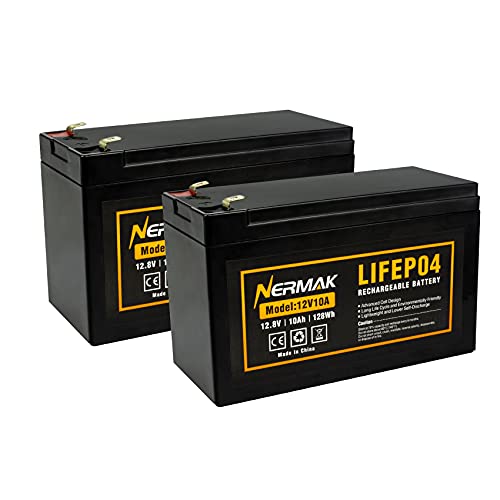
【Superior Performance】: Lithium iron phosphate battery has high energy density, Long cycle life, Good safety performance, No memory effect, etc. NERMAK LiFePO4 battery has built-in BMS protection to prevent overcharge, Over-discharge, Over-current and short circuit, and excessive low self-discharge rate ensuring up to 1-year maintenance-free storage.

HYBRID-POWERED LED LANTERN: One Energizer Hybrid Solar Lantern, a rechargeable lantern for camping and power outages, has the flexibility to run on 3 AA batteries or the solar-powered rechargeable Lithium-Ion battery
Lead-Acid vs. Lithium-Ion
- Lead-Acid Batteries: These batteries are affordable and widely available. They work well for basic setups but can be bulky. They require regular maintenance and have a shorter lifespan, typically 3 to 5 years. If you operate in a high-temperature environment, lead-acid batteries can lose efficiency.
- Lithium-Ion Batteries: These batteries offer higher energy density and are lighter. They require less maintenance and last longer, usually 10 years or more. They handle deeper discharges better without damage, making them a solid choice for to ensure reliable power. However, they come at a higher initial cost.
- Capacity: Choose a battery with enough capacity to meet your energy needs. Calculate your daily power consumption and multiply by the number of days you want to run applications without sunlight.
- Depth of Discharge (DoD): Look at the DoD, which indicates how much of the battery’s capacity you can safely use. Lithium-ion batteries typically offer a higher DoD compared to lead-acid ones.
- Charge Cycles: Consider how many charge cycles a battery can endure before its capacity drops significantly. Lithium-ion batteries often provide more charge cycles, offering better long-term performance.
- Temperature Range: Assess where you plan to use the system. Lithium-ion batteries perform better in extreme temperatures, while lead-acid batteries can struggle in higher heat.
- Budget: Align your battery choice with your budget. While lithium-ion batteries may require a larger upfront investment, their longevity could save money over time.
Taking these factors into account will help you make an informed decision about the best battery for your solar charging needs.
Setting Up Your Solar Charging System
Setting up a solar charging system involves a few key components. Understanding these elements helps you create an efficient system that meets your needs.
Recommended Products
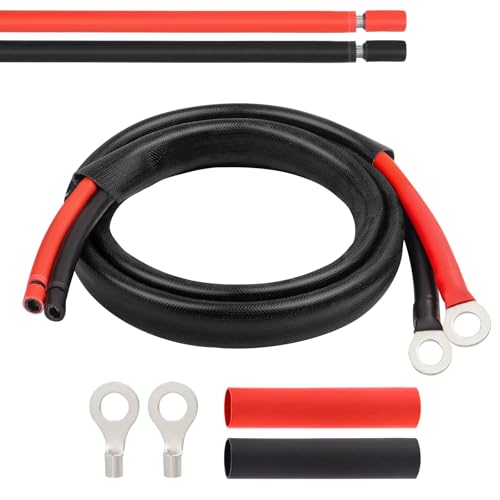
10AWG Tinned Copper Wire -- MOOKEERF solar battery cable is made of larger diameter 10AWG tinned copper wire which is minimize power loss in solar panel systems, the inner conductor consists of 84 tin-plated copper, well constructed and good conductive.

✔️【Waterproof Solar Charge Controller】IP67 waterproof, suitable for outdoor use. Automatically identify voltage, 12V Max power: 150W, 24V Max power: 300W. The maximum current is 10A. Compatible with various 12V/24V deep-cycle batteries, such as AGM, GEL, Flooded. Adopting brand MCU chips to realize fast intelligent control and ultra-low standby power consumption.

12V Battery Compatibility + 20A PWM Charging: Designed specifically for 12V solar systems, this 20A PWM solar charge controller is compatible with LiFePO4, AGM and Gel batteries and supports solar panels up to 300W. The upgraded 20A design provides stable current management for everyday RV, marine, camping and off-grid solar applications. Not compatible with 24V/36V battery systems
Required Components
- Solar Panels: Choose between monocrystalline or polycrystalline panels based on your space and budget. Monocrystalline panels offer higher efficiency, while polycrystalline panels are more affordable.
- Charge Controller: This device regulates the voltage coming from the solar panels. It protects your battery from overcharging and enhances its lifespan.
- Battery: Select a suitable battery type based on your requirements. Lithium-ion batteries provide longer life and faster recharging, while lead-acid batteries are budget-friendly but bulkier.
- Inverter (if needed): Use this device if you plan to power AC devices. It converts the DC electricity stored in your battery into AC electricity for your appliances.
- Cables and Connectors: Ensure you have appropriate cables and connectors for your system. Use thicker cables for longer distances to minimize energy loss.
- Select a Location: Choose a spot with maximum sunlight exposure. Roofs or open areas work best for positioning solar panels.
- Mount the Solar Panels: Use mounting brackets to secure the panels at an angle that captures sunlight efficiently. Ensure the panels face the south (in the Northern Hemisphere) for optimal energy collection.
- Connect the Charge Controller: Link the solar panels to the charge controller, following the manufacturer’s wiring diagram. This step is crucial for protecting your battery.
- Install the Battery: Place the battery in a well-ventilated area inside a sturdy mount to prevent movement and damage. Connect it to the charge controller using the appropriate cables.
- Set Up the Inverter (if applicable): Attach the inverter to the battery, following the manufacturer’s instructions. This connection allows you to power AC devices.
- Test the System: Once everything is connected, test the system to ensure it works correctly. Check the charging status on the controller and confirm power output from the inverter.
By carefully following these steps, you can establish a reliable solar charging system. This setup keeps your devices charged and helps you harness the sun’s energy effectively.
Best Practices for Charging Batteries with Solar
Charging batteries with solar energy requires attention to detail for optimal performance. Implementing best practices ensures you maximize efficiency and longevity.
Recommended Products

【100% Efficient MPPT Charging】SOLPERK 12V MPPT solar charge controller automatically monitors the 12V DC system voltage and is 30% more efficient compared to PWM controllers, which will get your batteries fully charged faster
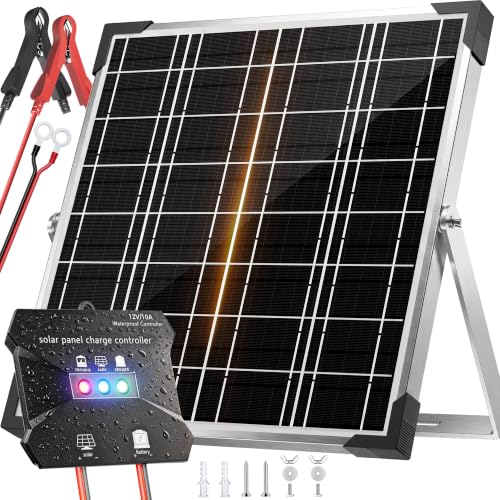
High-Efficiency MPPT Solar Charger - Advanced tracking technology delivers 20-30% faster charging for 12V batteries. A+ monocrystalline panels maximize power conversion. Perfect 20W solar trickle charger for cars, RVs, boats, and trailers. More sun captured, less time waiting.

[100% Waterproof] The solar charge controller is built to last in any weather. It has a waterproof seal that keeps it safe from rain, snow, and dust. It’s perfect for outdoor use.
Monitoring Battery Charge Levels
Monitoring battery charge levels helps prevent overcharging and undercharging. Use a battery monitor or a charge controller with a built-in display to track the state of your battery. Check the battery voltage regularly. For lead-acid batteries, maintain a charge level between 50% and 80%. Lithium-ion batteries perform best when kept between 20% and 80%.
Regularly assess your solar panel output as well. If panels aren’t producing enough energy, either the panels may need cleaning, or you may need to adjust their angle. Recording these levels can inform any necessary adjustments in your setup.
Maintaining Your Solar System
Maintaining your solar system extends its lifespan and boosts efficiency. Start with regular inspections of your solar panels for dirt or debris. Clean the panels with water and a soft cloth to maintain their efficiency.
Also, check connections and cables for wear or corrosion. Tightening loose connections helps prevent power loss. During seasonal changes, assess the position of your panels. Adjust or reposition them for maximum sunlight exposure based on the sun’s seasonal path.
Lastly, keep an eye on battery health. Follow the manufacturer’s guidelines for maintenance, especially for lead-acid batteries that require periodic checking of electrolyte levels. Charge your batteries fully and avoid prolonged exposure to extreme temperatures to enhance their longevity.
Conclusion
Embracing solar power for charging your devices opens up a world of possibilities. Whether you’re out in nature or facing an unexpected power outage you’ll appreciate the freedom and reliability it offers. By understanding how solar panels work and choosing the right battery for your needs you can create an efficient system that keeps your devices powered.
Remember to pay attention to best practices for maintenance and monitoring. This way you can ensure your solar setup remains in top shape for years to come. With a little planning and care you’ll be well on your way to harnessing the sun’s energy effectively. Enjoy the journey into solar charging and all the benefits it brings to your life!
Frequently Asked Questions
What are the benefits of using solar power to charge devices?
Using solar power to charge devices offers several benefits, including sustainability, cost savings, and convenience. It allows you to harness free energy from the sun, making it ideal for outdoor activities like camping or during power outages. Solar charging helps reduce your carbon footprint and reliance on traditional power sources, providing an eco-friendly alternative for various scenarios.
How does solar charging work?
Solar charging works by converting sunlight into electricity through photovoltaic cells found in solar panels. When sunlight hits these cells, it produces direct current (DC) electricity, which can be stored in batteries or used directly to power devices. This process enables users to generate their own power sustainably and efficiently.
What types of solar panels are available?
There are four main types of solar panels: monocrystalline, polycrystalline, thin-film, and bifacial. Monocrystalline panels are known for their high efficiency and long lifespan, while polycrystalline panels are more affordable but slightly less efficient. Thin-film panels are lightweight and flexible, making them suitable for specific applications. Bifacial panels capture sunlight on both sides, improving energy generation.
What should I consider when choosing a battery for solar charging?
When selecting a battery for solar charging, consider factors such as capacity, depth of discharge (DoD), charge cycles, temperature range, and budget. Lead-acid batteries are affordable but bulkier and require maintenance, while lithium-ion batteries are lighter, last longer, and need less upkeep but are more expensive. Choose a battery that fits your solar charging needs and lifestyle.
How do I set up a solar charging system?
Setting up a solar charging system involves several steps:
- Choose solar panels based on efficiency and budget.
- Select a charge controller to protect the battery.
- Install the panels in a sunlit area.
- Connect the charge controller to the panels and battery.
- If necessary, set up an inverter.
- Test the system for proper operation.
What are the best practices for charging batteries with solar energy?
To maximize charging efficiency and battery longevity, monitor charge levels to prevent overcharging or undercharging. Use a battery monitor or charge controller for accurate tracking. Regularly assess solar panel output and maintain the system by cleaning panels and checking connections. Follow manufacturer guidelines for battery care and avoid exposing batteries to extreme temperatures.
