

Have you ever found yourself in a pinch with a solar battery that needs charging but the sun just won’t cooperate? It’s a frustrating situation many face, especially when you’re relying on that energy for essential devices. Whether you’re camping, preparing for a power outage, or simply want to maximize your solar setup, knowing how to charge your solar battery without sunlight can be a game-changer.
Key Takeaways
- Understanding Solar Batteries: Solar batteries store solar energy for use during non-sunny conditions, which is essential for off-grid applications and maintaining power during outages.
- Types of Batteries: Different types of solar batteries (e.g., lithium-ion, lead-acid, flow, nickel-cadmium) offer varying benefits, such as lifespan and charging speed, influencing your choice based on energy needs.
- Alternative Charging Methods: Solar batteries can be charged without sunlight using generators, AC power sources, or solar charge controllers, ensuring consistent energy availability.
- Advantages of Non-Solar Charging: Charging without sunlight provides convenience and reliability, extending operational time for essential devices, especially during outages or outdoor activities.
- Disadvantages to Consider: Charging alternatives may incur costs, be less efficient than solar energy, and potentially have environmental impacts, highlighting the importance of evaluating energy options carefully.
- Maintenance Best Practices: Regular check-ups and proper storage conditions are crucial for extending the life and performance of solar batteries, ensuring optimal functionality even when sunlight is limited.
Understanding Solar Batteries
Solar batteries store energy generated by solar panels. These batteries provide a reliable power source when sunlight is scarce or during outages. Knowing how they function and their types can help you make informed decisions about your energy needs.
What Are Solar Batteries?
Solar batteries are devices designed to store electrical energy produced by solar panels. They enable you to use solar power even when the sun isn’t shining. When sunlight hits the solar panels, energy gets converted into electricity. This energy charges the battery, which stores the excess power for later use. This capability is crucial for maintaining power during nighttime or cloudy days.
Types of Solar Batteries
Several types of solar batteries exist, each with distinct characteristics:
- Lithium-ion Batteries
Lithium-ion batteries offer high energy density and longer lifespans. These batteries charge quickly and are lightweight, making them ideal for residential use. - Lead-acid Batteries
Lead-acid batteries are the most common type for solar energy systems. While they are less expensive, they have shorter lifespans and require regular maintenance. They work well for off-grid applications. - Flow Batteries
Flow batteries use liquid electrolytes to store energy and allow for scalable power solutions. They are long-lasting and can be recharged quickly, but they are typically more expensive. - Nickel-cadmium Batteries
Nickel-cadmium batteries are known for their durability and ability to perform in extreme temperatures. They charge quickly and have a long cycle life, but they are less common due to environmental concerns.
Understanding these battery types helps you choose the right one for your solar energy system. Each type has unique advantages and ideal use cases, making it easier to optimize your energy setup.
Methods for Charging Solar Batteries Without Sun
Charging solar batteries without direct sunlight involves a few practical methods. You can effectively ensure your battery remains charged through various alternatives.
Recommended Products

✔️【Waterproof Solar Charge Controller】IP67 waterproof, suitable for outdoor use. Automatically identify voltage, 12V Max power: 150W, 24V Max power: 300W. The maximum current is 10A. Compatible with various 12V/24V deep-cycle batteries, such as AGM, GEL, Flooded. Adopting brand MCU chips to realize fast intelligent control and ultra-low standby power consumption.

[100% Waterproof] The solar charge controller is built to last in any weather. It has a waterproof seal that keeps it safe from rain, snow, and dust. It’s perfect for outdoor use.
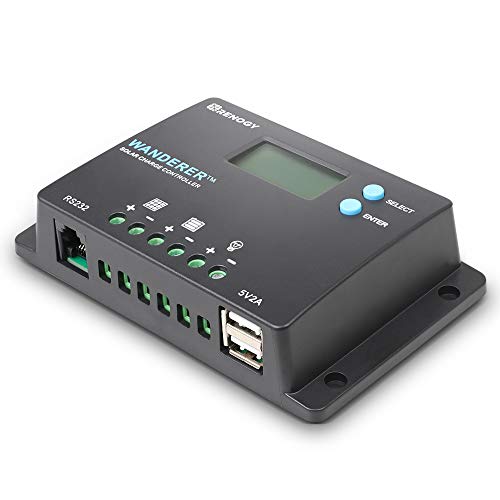
𝐒𝐦𝐚𝐫𝐭 𝟒-𝐒𝐭𝐚𝐠𝐞 12V/24V Solar Charge Controller: Renogy charge controller 𝐦𝐚𝐱𝐢𝐦𝐢𝐳𝐞𝐬 𝐁𝐚𝐭𝐭𝐞𝐫𝐲 𝐋𝐢𝐟𝐞 & 𝐒𝐨𝐥𝐚𝐫 𝐄𝐟𝐟𝐢𝐜𝐢𝐞𝐧𝐜𝐲, this advanced pwm solar charge controller utilizes intelligent 4-stage charging (Bulk/Boost/ Float/Equalization) to optimize power delivery for AGM, Gel, Flooded and Lithium batteries. RV solar charge controller prevents overcharging and gas buildup while 𝐚𝐜𝐡𝐢𝐞𝐯𝐢𝐧𝐠 𝟑𝟎% 𝐥𝐨𝐧𝐠𝐞𝐫 𝐛𝐚𝐭𝐭𝐞𝐫𝐲 𝐥𝐢𝐟𝐞𝐬𝐩𝐚𝐧 compared to basic charge controllers.
Using a Generator
Using a generator offers a reliable way to charge solar batteries. Connect your solar battery to a generator’s output. Choose a generator compatible with your battery’s voltage and capacity. For instance, a 1200-watt portable generator can charge a 12V solar battery efficiently. Monitor the charging time as it varies depending on the generator’s output and battery capacity.
Utilizing AC Power Sources
You can charge solar batteries using AC power sources. Use a standard wall outlet to connect your solar charger. Ensure the charger is rated for your battery type. For example, a lithium-ion battery requires a charger with specific output characteristics. Plugging your charger into an AC outlet allows you to fully charge your battery in a fraction of the time required by solar energy.
Employing Solar Charge Controllers
Employing solar charge controllers can also facilitate charging without sunlight. These devices regulate battery charging and can work with additional energy sources like a wind turbine or generator. They optimize energy use, preventing overcharging. Connect your battery to the solar charge controller, then link it to your alternative energy source for efficient charging.
Advantages and Disadvantages
Charging a solar battery without sunlight offers various advantages and disadvantages. Understanding these can help you make informed choices about your energy solutions.
Pros of Charging Without Sun
- Convenience: You can charge your battery using AC power sources, making it easier to maintain battery life, especially during cloudy weather or nighttime.
- Reliability: Generators or other alternative power sources provide a consistent way to keep your battery charged, ensuring you have energy when needed.
- Versatility: Using a solar charge controller allows you to integrate different energy sources, maximizing energy utilization.
- Extended Usage: Charging in low sun conditions supports longer device operation times, crucial during power outages or extended outdoor activities.
- Cost: Generators and AC power outlets may involve operating costs, such as fuel or electricity bills, impacting your overall energy expenses.
- Inefficiency: Charging a solar battery without sunlight typically results in slower charging rates compared to solar energy, delaying your energy access.
- Environmental Impact: Using fossil fuels for generators may contribute to environmental pollution, which conflicts with the eco-friendly nature of solar energy.
- Limited Availability: Access to alternative charging methods may depend on location or resource availability, potentially complicating energy management in remote areas.
Best Practices for Maintenance
Maintaining your solar battery ensures it operates efficiently, even when sunlight isn’t available. Regular care can extend battery life and improve performance.
Regular Check-Ups
Conduct regular inspections of your solar battery. Examine connections for corrosion or damage. Look for signs of swelling, leakage, or any irregularities in the casing. These signs indicate the need for immediate action. Use a multimeter to check voltage levels and ensure functionality. Schedule these check-ups at least once a month and more frequently during heavy usage seasons. Keeping detailed records of these checks helps track performance trends over time.
Proper Storage Techniques
Store your solar battery in a cool, dry place. Maintain a temperature range between 32°F and 77°F (0°C to 25°C) to prevent deterioration. If you’re storing it long-term, charge it to approximately 50% capacity and disconnect it from any devices. Avoid storing in direct sunlight or extreme temperatures; both can cause damage. For lead-acid batteries, periodically recharge even during storage to prevent sulfation. Use protective covers to shield batteries from dust and moisture, ensuring longevity.
Conclusion
Charging a solar battery without sunlight might seem tricky but it’s totally doable with the right approach. By using generators or AC power sources you can keep your devices running even when the sun isn’t shining. Remember to keep an eye on your battery’s health through regular maintenance and proper storage techniques.
With these strategies in your toolkit you’ll be prepared for any situation that comes your way. Embracing alternative charging methods not only boosts your energy independence but also ensures you’re never left in the dark. So go ahead and make the most of your solar setup no matter the weather!
Frequently Asked Questions
What are the challenges of charging solar batteries when there’s no sunlight?
Charging solar batteries without sunlight can be tricky. The main issues include limited energy production and dependency on alternative power sources, such as generators or AC outlets, which can be inefficient and costly.
What types of solar batteries are available?
There are several types of solar batteries, including lithium-ion, lead-acid, flow, and nickel-cadmium. Each type has unique characteristics and is suited for different energy needs, offering various benefits based on usage and environment.
How can I charge my solar battery without direct sunlight?
You can charge your solar battery using generators, standard wall outlets, or other alternative energy sources like wind turbines. Solar charge controllers can also help regulate charging from these sources.
What are the advantages of charging solar batteries without sunlight?
Charging without sunlight provides convenience, reliability, and versatility. It ensures energy availability during power outages and enhances battery maintenance, offering more options for using solar energy efficiently.
What are the disadvantages of charging solar batteries without sunlight?
The main downsides include the potential high costs associated with generators, inefficiency in charging rates, environmental impacts from fossil fuel use, and limited availability of alternatives in some locations.
How can I maintain my solar battery for optimal performance?
Regular inspections for damage, monitoring voltage levels with a multimeter, and proper storage in a cool, dry place significantly enhance solar battery performance and longevity, especially under low sunlight conditions.
What is the best temperature range for storing solar batteries?
Maintain a temperature range between 32°F and 77°F (0°C to 25°C) for optimal battery storage. This helps prevent damage and ensures efficient operation, extending the battery’s lifespan.
How should I prepare my solar battery for long-term storage?
For long-term storage, charge the battery to about 50% capacity, disconnect it from devices, and periodically recharge lead-acid batteries to prevent sulfation. This ensures better performance when needed.
