

Have you ever wondered what happens to all that solar energy your panels generate when the sun goes down? If you’re like many homeowners, you might find yourself wishing you could store that energy for later use. Adding battery storage to your solar system can make this a reality, giving you greater control over your energy consumption and reducing reliance on the grid.
In this article, you’ll learn how to seamlessly integrate battery storage into your existing solar setup. We’ll cover the benefits of battery storage, the different types available, and the steps to take for a smooth installation. By the end, you’ll be equipped with the knowledge to enhance your solar system and enjoy the perks of energy independence.
Key Takeaways
- Energy Independence: Adding battery storage allows for the use of solar energy at any time, reducing reliance on the grid and providing energy security during outages.
- Cost Savings: Storing solar energy can significantly lower electricity bills by reducing purchases during peak demand periods.
- Types of Batteries: Familiarize yourself with the various battery options, including lithium-ion (efficient and long-lasting), lead-acid (affordable but shorter lifespan), and flow batteries (scalable and durable).
- Installation Steps: Start by assessing your energy needs, choosing the right battery type, and hiring a professional installer to ensure proper integration with your existing solar system.
- Maintenance and Monitoring: Regular checks on battery health, connections, and temperature are essential for maximizing performance and lifespan.
- Long-Term Benefits: Understanding and implementing battery storage can enhance energy efficiency while contributing to sustainability and lower long-term energy costs.
Overview of Battery Storage in Solar Systems
Battery storage enhances the functionality of your solar system by storing excess energy generated during sunny periods. This stored energy can power your home during times when solar energy production is low, like at night or on cloudy days.
Benefits of Battery Storage
- Energy Independence: Battery storage allows you to use your solar energy when you want, reducing reliance on the grid.
- Cost Savings: Storing energy can lower your electricity bills, especially during peak demand times when rates are higher.
- Backup Power: In case of power outages, a battery system provides backup energy to keep your essential appliances running.
- Eco-Friendly: Utilizing stored solar energy decreases your carbon footprint, promoting sustainability.
Types of Battery Storage
- Lead-Acid Batteries: Affordable and widely used but have a shorter lifespan and lower depth of discharge.
- Lithium-Ion Batteries: More efficient, longer-lasting, and offer higher capacity compared to lead-acid batteries.
- Flow Batteries: Suitable for large systems, these batteries provide scalability and longer discharge times.
Installation Process
- Evaluate Your Energy Needs: Assess your daily energy consumption to determine the appropriate battery size.
- Choose a Battery Type: Select a battery that fits your budget and energy needs.
- Hire a Professional Installer: Ensure installation is done to code and integrates well with your existing solar system.
- Connect to Solar System: The installer will connect the battery to your solar system for seamless energy storage.
- How long do solar batteries last?
Battery lifespan varies. Lead-acid batteries last about 3 to 5 years, while lithium-ion batteries can last up to 15 years. - Can you add battery storage to an existing solar system?
Yes, adding battery storage to your current solar setup is possible with the right equipment and professional installation. - What’s the return on investment?
Depending on local energy prices and usage patterns, the return can vary. Most homeowners see payback within 5 to 10 years.
By understanding the role of battery storage in your solar system, you position yourself to make informed decisions for enhanced energy efficiency and independence.
Benefits of Adding Battery Storage
Adding battery storage to your solar system offers significant advantages. You gain control over your energy usage and maximize your solar investment.
Energy Independence
Energy independence means relying less on the grid. With battery storage, you store excess energy produced during sunny days for use during peak hours or cloudy days. This independence protects you from rising energy costs and provides peace of mind during outages. For example, if a storm knocks out power for hours or days, your stored energy keeps essentials running, like refrigerators and lights.
Cost Savings
Cost savings accrue through effective battery use. By storing energy, you avoid purchasing electricity at higher rates during peak demand. This practice decreases your monthly utility bills and can offset the upfront cost of installation over time. Some utilities offer incentives or rebates for installing battery systems, enhancing your potential savings. For example, a solar system paired with battery storage can provide savings of up to 70% or more on your electric bill annually, depending on your energy usage and local rates.
Types of Battery Storage Options
Understanding the types of battery storage options available helps you make an informed decision for your solar system. Here’s a breakdown of the most common types.
Recommended Products
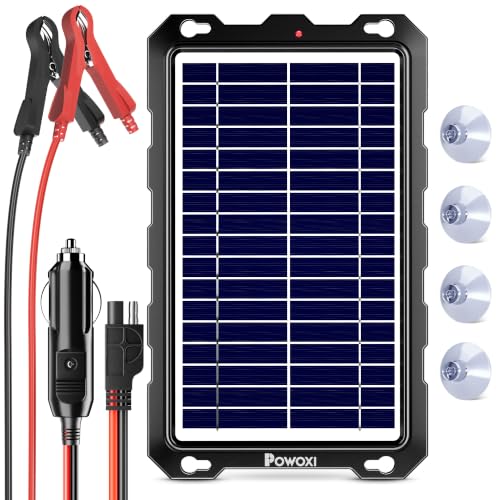
Upgrade Intelligent Charge Controller: Built-in internal protection system and smart fast charging Cooperate with Quality solar silicon material ensures high conversion and stable output the solar panel's energy conversion efficiency to 25-30%
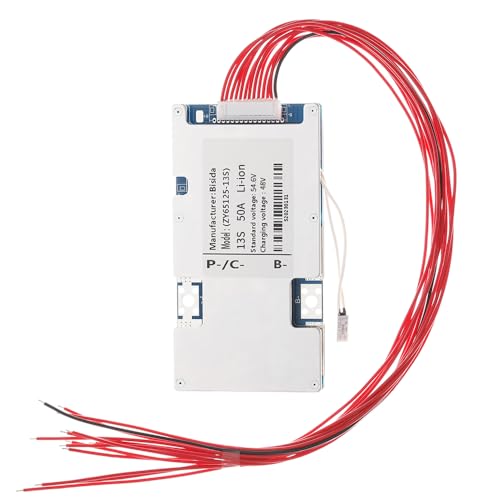
MULTIPLE PROTECTION Bisida's BMS has a variety of protection functions, such as over charge protection, over discharge protection, over current protection, short-circuit protection, temperature protection, isconnect protection, Voltage balance(passive balance), etc.
Lithium-Ion Batteries
Lithium-ion batteries are a popular choice for solar systems. They offer high energy density, allowing them to store more energy in a smaller space. Their lifespan typically ranges from 10 to 15 years, making them a reliable long-term investment.
Benefits include:
- Efficiency: They provide a high charge and discharge efficiency, often around 90-95%.
- Rapid Charging: These batteries charge quickly, making them ideal for daily energy cycles.
- Low Maintenance: They require minimal upkeep compared to other options.
Lead-Acid Batteries
Lead-acid batteries are a traditional choice and generally more affordable upfront. They come in two main types: flooded and sealed. Flooded lead-acid batteries need regular maintenance while sealed versions are maintenance-free.
Key points include:
- Cost: They’re usually cheaper initially, but have a shorter lifespan of about 3 to 5 years.
- Weight: These batteries are heavier and require more space.
- Depth of Discharge: They can usually only be discharged up to 50%, limiting usable capacity.
Flow Batteries
Flow batteries are an emerging technology gaining traction for solar systems. They store energy in liquid electrolyte solutions, allowing for scalability and longer durations for discharge. Lifespan exceeds 15 years, potentially reaching 20 years or more.
Advantages include:
- Scalability: You can easily scale up by adding more electrolyte solutions.
- Long Lifespan: They maintain efficiency over a longer period with less degradation.
- Deep Discharge: These batteries can typically be fully discharged without damaging them, maximizing energy usage.
Selecting the right battery storage option depends on your energy needs, budget, and space considerations. Each type has distinct characteristics that impact performance and cost, so carefully evaluate your options.
Steps to Add Battery Storage to Your Solar System
Adding battery storage to your solar system enhances your energy independence and boosts savings. Follow these straightforward steps to integrate battery storage effectively.
Recommended Products

Comprehensive Measurement Capabilities: This multi-functional watt meter power analyzer accurately measures voltage, current (amp meter), power, discharge capacity, and time. It serves as both a solar panel tester and solar power meter, compatible with solar, wind, EV, and battery systems (voltage range: 4.8-60V)

【Top-Tier Performance】This 51.2V 100Ah LiFePO4 battery is assembled with 16 automotive-grade Grade A prismatic cells, delivering superior energy density, stable output and robust power supply. It stores 5.12kWh of usable energy — equivalent to four 12V 100Ah LiFePO4 batteries wired in 4S series, or eight 12V 100Ah AGM batteries in 8S series. Fully compliant with the UL1973 safety standard and certified by Intertek ETL for reliable safe operation.

Combined Power Readout: This digital meter shows voltage, current, power and energy on the LCD screen, helping installers review several main direct current values without adding separate panel meters
Assess Your Energy Needs
Evaluate your energy consumption. Identify high-demand appliances or systems that impact your usage. Review your monthly electricity bills to determine average consumption in kilowatt-hours (kWh). Consider the following:
- Daily Usage: Calculate your daily energy needs based on appliance usage.
- Peak Demand: Identify when you use the most energy during the day.
- Future Plans: Anticipate any changes, like electric vehicles or home expansions that might increase demand.
This assessment guides you in selecting the ideal battery capacity for your lifestyle.
Choose the Right Battery
Select a battery type that aligns with your needs. Here are common options to consider:
- Lithium-Ion Batteries: Offer high energy density and efficiency, suitable for smaller spaces. They’re long-lasting and lower maintenance.
- Lead-Acid Batteries: More affordable upfront but take up more space and require regular maintenance. Generally, they have a shorter lifespan than lithium-ion options.
- Flow Batteries: Allow for scalability. They deliver longer lifespans but may come with higher initial costs.
Research battery specifications like capacity (measured in kWh), lifespan, and warranty. Match these features to your assessed energy needs.
Installation Process
Follow these steps for a successful installation:
- Hire a Professional: Seek a certified installer specializing in solar and battery systems.
- Site Assessment: Expect your installer to evaluate your solar setup and home layout.
- Prepare Your Home: Ensure your home meets the installation requirements, such as appropriate electrical infrastructure.
- Connect the Battery: Allow your installer to integrate the battery with your existing solar system and electrical panel.
- Test the System: Confirm proper functioning of the battery storage system post-installation. Verify charging and discharging cycles with your installer.
Be ready to learn about your new system’s monitoring options. Understanding your energy production and consumption helps you maximize storage benefits.
Maintenance and Monitoring of Battery Systems
Maintaining and monitoring your battery system ensures its efficiency and longevity. Regular check-ups help identify issues before they escalate.
Recommended Products

Remote Temperature Sensor to Active Temperature Compensation Function of Solar charge controller

[Dual Charging: Solar + USB, No Power Anxiety] Built-in solar panel charges automatically in sunlight, while USB backup ensures continuous use at night or on rainy days. No need to occupy your cigarette lighter socket. Fully charged battery supports 10+ hours of operation for worry-free driving.

𝗦𝗺𝗮𝗿𝘁 𝗪𝗶𝗙𝗶 𝗥𝗲𝗺𝗼𝘁𝗲 𝗠𝗼𝗻𝗶𝘁𝗼𝗿𝗶𝗻𝗴-Stay connected to your indoor environment wherever you are. The WiFi gateway supports up to 39 temperature & humidity sensors, making it easy to monitor multiple rooms from one app. Up to 12 months of battery life for long-lasting use. 2.4GHz WiFi only.
Regular Inspections
Inspect battery connections and terminals month-to-month. Look for corrosion or loose connections. Clean terminals with a mixture of baking soda and water if needed.
Battery Health Monitoring
Utilize monitoring tools to keep track of battery performance, voltage levels, and charge cycles. Many battery systems come with built-in monitoring software. If yours doesn’t, consider adding a third-party monitoring device.
Temperature Monitoring
Keep an eye on battery temperature. Most batteries work best between 50°F and 85°F. If temperatures drop below or rise above this range, it can affect performance. Install a temperature sensor to monitor conditions consistently.
Equalization Charging
Perform equalization charging for lead-acid batteries every few months. This process helps balance the charge among all cells, improving performance and battery lifespan.
Software Updates
Regularly check for software updates for your monitoring system. Updated software can enhance battery management features, improve efficiency, and aid in troubleshooting.
Professional Maintenance
Schedule a professional maintenance check annually. Experts can perform intricate diagnostics that help prevent future issues and ensure optimal system performance.
Document Everything
Keep a log of maintenance activities, inspections, and performance data. This documentation aids in identifying trends and helps you stay informed about your battery’s health.
By actively maintaining and monitoring your battery system, you maximize its lifespan and efficiency, ensuring you reap the full benefits of your solar setup.
Conclusion
Adding battery storage to your solar system opens up a world of possibilities. You can enjoy energy independence and save money while ensuring you have power when you need it most. With various battery options available you can choose what fits your lifestyle and energy needs best.
Remember to assess your energy consumption and select the right battery type for your home. Don’t forget about regular maintenance and monitoring to keep your system running smoothly. By taking these steps you’ll maximize your solar investment and contribute to a more sustainable future. Embrace the benefits of battery storage and enjoy the peace of mind that comes with it.
Frequently Asked Questions
What is battery storage for solar energy systems?
Battery storage for solar energy systems stores excess energy generated by solar panels, allowing homeowners to use that power when sunlight is unavailable. This ensures a steady energy supply, even during cloudy days or at night.
Why should I consider adding battery storage to my solar system?
Adding battery storage gives you energy independence, cost savings on electricity bills, and backup power during outages. It also maximizes your solar investment by letting you utilize energy generated during peak production times.
What types of battery storage are available for solar systems?
The main types of battery storage for solar systems are lead-acid, lithium-ion, and flow batteries. Each type has unique benefits, such as energy density, cost, lifespan, and space requirements, making it essential to choose based on your needs.
How long do batteries for solar systems typically last?
Battery lifespan varies by type: lead-acid batteries last 3-5 years, lithium-ion batteries last 10-15 years, and flow batteries can last up to 20 years or more. Regular maintenance and proper usage can extend their operational life.
Can I add battery storage to an existing solar system?
Yes, you can add battery storage to an existing solar system. It’s advisable to evaluate your current setup, energy usage, and future needs to ensure compatibility and optimal performance with the added storage.
What’s the potential return on investment (ROI) for solar battery systems?
The ROI for solar battery systems can be significant, with potential savings of up to 70% or more on electric bills annually. The payback period varies based on energy usage, local electricity rates, and battery type.
How should I maintain my solar battery system?
To maintain your solar battery system, regularly inspect connections, monitor performance with tools, and maintain optimal temperature conditions. Consider annual professional maintenance and keep documentation of all maintenance activities for efficiency.
