

Are you looking to boost your solar energy system’s efficiency? Adding batteries can be a game changer. Imagine harnessing the sun’s power even when it isn’t shining, giving you more control over your energy use and reducing reliance on the grid.
In this article, you’ll discover the simple steps to integrate batteries into your existing solar setup. We’ll cover everything from selecting the right battery type to installation tips, making the process straightforward and manageable. By the end, you’ll have the knowledge to enhance your solar system and enjoy greater energy independence.
Key Takeaways
- Understanding Battery Types: Familiarize yourself with various battery options such as lead-acid, lithium-ion, saltwater, and flow batteries to choose the best one for your solar system.
- Energy Independence: Integrating batteries allows you to store solar energy, providing power during non-sunny periods and reducing reliance on the grid.
- Assessing Energy Needs: Carefully evaluate your energy consumption and calculate the necessary battery capacity to ensure your system meets your power demands effectively.
- Installation Essentials: Follow safety precautions and proper installation procedures for integrating batteries into your solar system to enhance efficiency and reliability.
- Maintenance Importance: Regular monitoring and maintenance of solar batteries are crucial to maximizing performance and extending lifespan.
- Take Advantage of Incentives: Research available state incentives and rebates for installing solar batteries to offset costs and improve your overall investment in a renewable energy system.
Understanding Solar Battery Systems
Solar battery systems store energy generated from solar panels, allowing access to power during cloudy days or at night. Understanding the types of batteries available and their advantages helps you make informed decisions for your solar setup.
Types of Batteries for Solar Systems
- Lead-Acid Batteries
Lead-acid batteries consist of two types: flooded and sealed. Flooded batteries require maintenance and are most cost-effective for larger systems. Sealed batteries, like AGM and gel, are maintenance-free, making them popular for residential use. - Lithium-Ion Batteries
Lithium-ion batteries offer higher energy density and longer lifespans compared to lead-acid options. They charge faster and take up less space, making them ideal for homes with limited room. Brands like Tesla Powerwall stand out in this category. - Saltwater Batteries
Saltwater batteries provide a non-toxic alternative for energy storage. These batteries are safer and have a lower environmental impact. Though they tend to have lower energy density, they suit eco-conscious consumers. - Flow Batteries
Flow batteries utilize liquid electrolyte solutions. They excel in scalability and long-duration storage but can be more expensive. This technology mainly applies to commercial or larger residential systems.
- Energy Independence
Batteries enhance your autonomy by storing excess energy produced during the day for later use. This setup reduces your reliance on the grid and limits electricity costs during peak hours. - Backup Power
Solar batteries act as backup power in emergencies or outages. This feature prevents disruptions and keeps essential appliances running, ensuring you stay connected and secure. - Efficiency Optimization
Storing solar energy for later use maximizes the efficiency of your solar system. By preventing grid reliance, you use as much solar energy as possible, effectively lowering your overall consumption. - Environmental Impact
Solar batteries contribute to a reduced carbon footprint. By relying more on renewable energy and less on fossil fuels, you help promote a sustainable future for the environment. - Incentives and Rebates
Many states offer incentives for installing solar batteries. These financial benefits can offset installation costs and increase the overall savings from your solar investment.
By understanding the types of batteries and their benefits, you can effectively enhance your solar energy system, paving the way toward greater energy efficiency and independence.
Assessing Your Solar System Needs
Assessing your solar system needs involves understanding your current energy use and determining the appropriate battery capacity. This ensures that your system operates effectively and meets your energy demands.
Recommended Products

KEEP YOUR COMPUTER, WI-FI AND ROUTER RUNNING THROUGH POWER OUTAGES: Supplies short-term battery power during outages to maintain internet connectivity and allow safe shutdown of computer during power interruptions
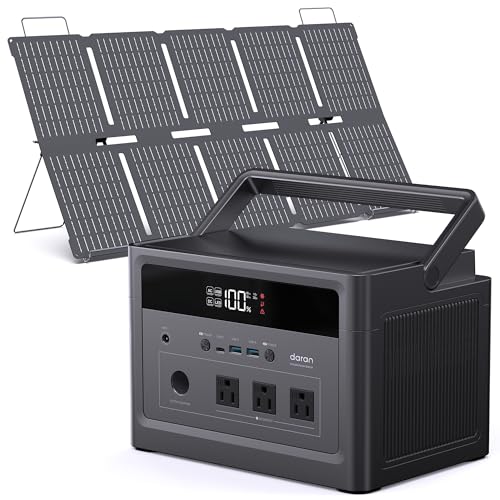
【Power the Essentials for Your Whole Household】 With 3 AC outlets, 1 car socket, a 100W USB-C port, and 2 USB-A ports, it keeps your family connected and comfortable during an outage. Charge phones, run laptops, lights, small fans, or your Wi-Fi router—all at once—so life doesn’t have to pause when the power goes out

PORTABLE POWER STATION WITH ENHANCED CAPACITY: Experience the convenience with our 300W portable power station. Designed with a sleek and compact form factor measuring 8.5 x 6.7 x 4.1 inches and weighing a mere 5 lbs, this battery station is your perfect companion for home, camping, and beyond. Equipped with an upgraded 220Wh/60000mAh lithium-ion battery pack, powerful enough to charge up to 7 devices simultaneously.
Evaluating Current Energy Use
Start by analyzing your electricity bills for the past 12 months. Look for patterns in your monthly usage, noting high-demand periods. Categorize your energy consumption into appliances like heating, cooling, lighting, and devices. This breakdown helps you identify which appliances consume the most energy and when you need the most power.
For example, if you use significant energy during evenings, your battery system should store enough energy to cover those peak hours. Recording daily usage also offers insights into potential energy savings through efficiency.
Determining Battery Capacity Requirements
Once you’ve evaluated your energy use, calculate the battery capacity you’ll need. Battery capacity is measured in kilowatt-hours (kWh). To estimate your need, follow this formula:
- Identify Daily Consumption: Find your average daily energy consumption in kWh.
- Consider Backup Days: Determine how many days of backup power you desire during potential outages. This is typically one to three days.
- Calculate Required Capacity: Multiply your daily consumption by the number of backup days.
For instance, if your daily usage is 15 kWh and you want three days of backup, you’ll need a battery bank with at least 45 kWh capacity.
Next, factor in system efficiency. Batteries don’t charge or discharge at 100% efficiency, so account for a loss of about 20% in your calculations. Hence, for a 45 kWh requirement, target a battery capacity of about 54 kWh.
By taking these steps, you set the foundation for successfully integrating batteries into your solar system.
Selecting the Right Batteries
Selecting the appropriate battery type for your solar system significantly impacts its effectiveness. Consider the following comparisons and features before making a decision.
Recommended Products

【Group 24 Size, Perfect Fit】 Designed to BCI Group 24 specifications (10.23"×8.30"×6.61"), this LIPULS 12V 100Ah LiFePO4 battery delivers a true drop-in replacement for standard G24 lead-acid batteries. It easily fits G24, G27, and G31 battery compartments—ideal for kayaks, trolling motors, and marine applications.

【Superior Performance】: Lithium iron phosphate battery has high energy density, Long cycle life, Good safety performance, No memory effect, etc. NERMAK LiFePO4 battery has built-in BMS protection to prevent overcharge, Over-discharge, Over-current and short circuit, and very low self-discharge rate. (Not motorcycle starter battery)

Lead-Acid vs. Lithium-Ion Batteries
- Cost: Lead-acid batteries typically cost less upfront, making them appealing for initial installations. Lithium-ion batteries, although pricier, offer higher efficiency, leading to lower overall costs in the long run.
- Lifespan: Lead-acid batteries last about 3-5 years under regular use. In contrast, lithium-ion batteries can last 10-15 years, providing more extended service and less frequent replacements.
- Depth of Discharge: Lead-acid batteries perform best when discharged by only 50% of their capacity. Lithium-ion batteries can handle a depth of discharge of 80-90%, enabling more usable energy storage.
- Weight and Size: Lead-acid batteries are bulkier and heavier compared to lithium-ion options. If space and weight are constraints in your setup, consider lithium-ion batteries for a more compact solution.
- Maintenance: Lead-acid batteries often require regular maintenance, including water checks and equalization charges. Lithium-ion batteries are generally maintenance-free, providing a hassle-free experience.
- Capacity: Choose batteries with sufficient capacity to meet your energy needs. Measure your daily energy consumption and match it with the battery’s watt-hour rating.
- Efficiency: Assess the round-trip efficiency of the battery. A higher efficiency percentage means more of the stored energy will be usable.
- Temperature Tolerance: Look for batteries that can operate effectively in your climate. Some batteries perform poorly in extreme heat or cold.
- Warranty: Investigate the warranty offered by manufacturers. A longer warranty period usually indicates confidence in the battery’s longevity.
- Compatibility: Ensure the selected batteries are compatible with your existing solar system. Consider the charger and inverter specifications to achieve optimal integration.
- Brand Reputation: Research brands with a history of reliability and customer satisfaction. Trusted brands often provide better support and product consistency.
By considering these factors, you can confidently select the right batteries for your solar energy system, ensuring efficiency, longevity, and optimal performance.
Installation Process
Adding batteries to your solar system involves careful planning and methodical execution. Follow these steps for a successful installation.
Recommended Products

This board is 4 string 3.2V Lithium iron phosphate battery protection board; High current protection board, continuous 30A current, with balance circuit, The board comes with cable. PCB Board Size: 56x47mm/2.2x1.85".

LVNOON PB1A2A series Smart active Inverter active balance BMS lithium battery protection board for Li-ion NCM LFP LiFePo4 LTO Battery Management System 7S to 16S 24V 48V 51.2V 100A 150A 200A available to choose home Energy BMS with 1A or 2A Active Balance version with smartphone APP control. The smartphone app fit for IOS & Android smartphones

Upgrade Version: The input has a Type C female connector, which can be directly input as a mobile phone charger to recharge the lithium battery; The input voltage wiring pad is also reserved, which can be very convenient for DIY
Safety Precautions
- Turn Off Power: Always switch off the solar inverter and battery banks before starting work.
- Wear Protective Gear: Use gloves and safety goggles when handling batteries to protect against acid and sparks.
- Ventilate Area: Ensure proper ventilation in the installation space to avoid gas buildup from lead-acid batteries.
- Gather Necessary Tools: Collect tools such as wrenches, a multimeter, cable connectors, and insulated tools.
- Select Battery Location: Choose a location for your batteries that is cool, dry, and well-ventilated to maximize lifespan.
- Connect Batteries: Connect batteries in parallel or series, depending on your desired voltage and capacity. Always connect the positive terminal first, followed by the negative terminal.
- Use Correct Wiring: Utilize appropriately gauged wires to handle the current. Larger wires reduce resistance and heat during operation.
- Install Battery Management System (BMS): If using lithium-ion batteries, install a BMS to monitor charge cycles and protect against overcharging.
- Integrate with Inverter: Connect batteries to the inverter, ensuring compatibility with the battery type. Verify correct voltage settings within the inverter.
- Test the System: After connecting, turn on the inverter and check the system’s status. Look for indicators showing battery health and charge level.
- Monitor Performance: Regularly check battery performance. Use a multimeter to gauge voltage levels and ensure optimal function.
By adhering to these steps, you enhance your solar system’s efficiency and reliability while ensuring a safe installation process.
Maintenance Tips for Solar Batteries
Maintaining solar batteries ensures peak performance and longevity. Adopting a few best practices helps protect your investment.
Regular Monitoring and Testing
Monitor battery performance regularly for optimal efficiency. Check voltage levels, state of charge, and temperature monthly. Conduct tests to measure battery capacity, ensuring they hold charge as expected. Implementing a monitoring system provides real-time data, allowing for quick intervention when necessary. For instance, if a battery consistently shows low voltage, it may indicate a deeper issue that needs addressing.
Troubleshooting Common Issues
Troubleshooting issues quickly prevents larger problems. Identify common signs like overcharging, undercharging, and unusual sounds.
- Overcharging: Inspect the charging system if batteries are heating up excessively. Adjust settings or explore battery management systems for better control.
- Undercharging: If batteries aren’t holding a charge, check connections and cables for wear or corrosion. Clean terminals regularly to maintain good conductivity.
- Unusual Noises: Listen for hissing sounds, which may indicate gas buildup. Ensure proper ventilation to prevent pressure accumulation.
Addressing these problems promptly helps extend the life of your solar battery system, ensuring you maximize energy storage and backup capabilities.
Conclusion
Adding batteries to your solar system can truly transform the way you harness and use solar energy. By storing excess power for those cloudy days or nighttime use you’re not just enhancing efficiency but also boosting your energy independence.
With the right battery choice and proper installation you can enjoy the benefits of reliable backup power and a reduced carbon footprint. Remember to keep up with maintenance to ensure your system runs smoothly over time.
Embrace the journey towards a more sustainable lifestyle and enjoy the peace of mind that comes with a well-integrated solar battery system. Your energy future is looking bright!
Frequently Asked Questions
What are the benefits of adding batteries to a solar energy system?
Adding batteries to a solar energy system allows you to store excess solar power for use at night or during cloudy days. This improves energy independence, provides backup power during outages, and enhances overall system efficiency. Additionally, it helps reduce your carbon footprint by promoting the use of renewable energy.
What types of batteries are suitable for solar energy systems?
Common battery types for solar systems include lead-acid, lithium-ion, saltwater, and flow batteries. Each type has unique advantages; for example, lithium-ion batteries are known for their efficiency and longer lifespan, while lead-acid batteries are generally more affordable but have a shorter lifespan.
How do I determine the right battery capacity for my solar system?
To determine the right battery capacity, analyze your electricity bills to understand your daily energy consumption. Calculate the required battery capacity using the formula: (daily consumption in kWh) x (desired backup days) / (system efficiency). This will help you choose the appropriate battery size for your needs.
What factors should I consider when selecting batteries for my solar system?
Consider factors such as cost, lifespan, maintenance requirements, efficiency, depth of discharge, size, and compatibility with your existing solar system. Additionally, evaluate temperature tolerance and warranty options to ensure you select a battery that meets your needs and performs reliably.
What steps should I follow for installing batteries in my solar energy system?
When installing batteries, start by turning off the power and wearing protective gear. Ensure proper ventilation and gather necessary tools. Choose a suitable battery location, connect batteries correctly, and integrate with the inverter. Finally, test the system to ensure everything works properly.
How can I maintain my solar batteries for optimal performance?
Regular maintenance for solar batteries includes monitoring voltage levels, state of charge, and temperature monthly. Check for common issues such as overcharging or undercharging. Early detection and troubleshooting of problems can help extend the life of your solar battery system and maximize its performance.
