

Are you considering solar panels for your home but wondering if you really need a battery? You’re not alone. Many homeowners face this question when weighing the pros and cons of solar energy.
Imagine generating your own electricity during the day but losing power at night or during cloudy weather. That’s where batteries come into play. This article will help you understand the role of batteries in solar systems and whether they’re a worthwhile investment for your energy needs. By the end, you’ll have a clearer picture of how to maximize your solar setup and make the best choice for your home.
Key Takeaways
- Solar Panels Convert Sunlight to Electricity: Understanding how solar panels work, including photovoltaic cells and inverters, is crucial for effectively utilizing solar energy.
- Batteries Enhance Energy Independence: While not mandatory, batteries allow homeowners to store excess energy, ensuring power availability during nighttime or cloudy days.
- Cost Savings and Efficiency: Utilizing battery-stored energy during peak pricing periods can lead to lower electricity bills, maximizing the economic benefits of solar energy.
- Backup Power During Outages: Incorporating batteries offers resilience by providing backup power during grid failures, giving homeowners peace of mind during emergencies.
- Consider Energy Needs: Assess your energy consumption patterns, grid dependence, and available incentives to determine if a battery is a worthwhile investment for your solar setup.
- Long-Term Financial Benefits: The initial investment in batteries can lead to significant long-term savings by avoiding high peak rates and benefiting from various incentives.
Understanding Solar Panels
Solar panels capture sunlight and convert it into electricity. This process provides a renewable energy source for your home.
How Solar Panels Work
Solar panels consist of photovoltaic (PV) cells that absorb sunlight. When sunlight hits the cells, it excites electrons, generating direct current (DC) electricity. An inverter then converts this DC electricity into alternating current (AC) electricity, which powers your home. Panels function optimally during sunny days, producing maximum output when positioned correctly. If you generate more energy than you use, excess electricity can sometimes flow back to the grid, depending on your utility’s policy.
Benefits of Solar Energy
Solar energy offers several advantages for homeowners:
- Cost Savings: Reducing or eliminating your electricity bill is possible.
- Environmentally Friendly: Solar energy reduces carbon footprint, promoting a cleaner planet.
- Energy Independence: Generating your own electricity decreases reliance on utility providers.
- Increased Home Value: Properties with solar panels often see higher market value.
- Incentives and Rebates: Numerous government incentives offer financial assistance for installation.
These benefits make solar energy an appealing choice for sustainable living and financial savings.
The Role of Batteries in Solar Energy Systems
Batteries play a crucial role in enhancing the efficiency of solar energy systems. They store excess electricity generated during the day for use when sunlight isn’t available. This functionality can be beneficial, especially for homeowners seeking energy reliability and independence.
How Batteries Work with Solar Panels
Batteries work by storing direct current (DC) electricity produced by solar panels. During sunny periods, your solar panels convert sunlight into DC electricity, powering your home or charging your battery. When your battery reaches a full charge, any surplus energy feeds back into the grid or powers your home.
At night or during cloudy days, the stored electricity is available for your use. A charge controller manages the flow of electricity between your solar panels, batteries, and your home, ensuring optimal performance and battery longevity.
- Energy Independence: Batteries provide you with autonomy from the grid. You can rely on stored energy during outages or high-demand periods without interruption.
- Cost Savings: Utilizing stored energy during peak pricing hours can lead to significant cost savings on electricity bills. For example, if your utility company charges more during the evening, using battery-stored energy can reduce those expenses.
- Environmental Benefits: Batteries contribute to a greener energy profile. By using stored clean energy instead of fossil-fuel-generated electricity, you lower your carbon footprint.
- Increased Resilience: With a battery system, your home remains powered during grid failures. This backup is invaluable in emergency situations, providing peace of mind.
- Support for Renewable Energy Expansion: As more households adopt solar energy, the demand for batteries increases. Batteries help stabilize the grid by storing excess renewable energy for later use, bolstering sustainability efforts.
With these advantages, incorporating batteries into your solar setup is a practical way to enhance your energy independence and overall efficiency.
Do Solar Panels Need a Battery?
Batteries aren’t mandatory for solar panels, but they can enhance your energy system. Understanding their role helps you make the best choice for your home.
Recommended Products

【High Conversion Rate】This 20W solar panel with monocrystalline A+ solar cell has an excellent cell efficiency of 21%-30%. Designed to charge and maintain 12V rechargeable batteries like LiFePO₄, Lithium Ion, AGM, SLA, GEL, EFB, MF, etc. Keep batteries in charged for trailer, tractor, truck, boat, motorcycle, RV, car, lawn mower, water pump, gate opener, electric fence, etc


System Components:Delivers up to 10kW power output with 120V/240V single-phase split-phase support, making it suitable for smoothly running common household appliances. The system includes 5 × 590W solar panels with a total PV capacity of 2950W, capable of generating up to 11.8 kWh per day under optimal conditions, along with one 48V 314Ah portable LiFePO₄ battery offering 16.1 kWh of energy storage. Complete with necessary cables, this all-in-one solar solution is designed for convenient setup and reliable home power support.
Factors to Consider
- Energy Usage Patterns: Assess your daily energy consumption. If you use most of your power during the day, you might not need a battery. For evening or night usage, a battery becomes valuable.
- Grid Dependence: Evaluate your reliance on the grid. If you often experience outages or live in an area with unstable power, a battery provides backup and peace of mind.
- Cost Considerations: Look at the upfront costs vs. long-term savings. Installing batteries adds initial expenses, but they can reduce your electricity bills and protect against rising rates.
- Incentives and Rebates: Research available incentives. Some states offer tax credits for battery storage systems, making it more affordable.
- Space Availability: Consider available space for battery installation. Batteries require specific areas for set-up while keeping safety regulations in mind.
- Grid-Tied Systems: Opt for a grid-tied solar system. It connects to the utility grid, allowing you to sell excess energy back and draw from the grid when your solar panels aren’t producing.
- Net Metering: Look into net metering options. Your utility company may credit you for excess energy your system generates. This helps offset your electricity costs without needing batteries.
- Community Solar Programs: Explore community solar initiatives. Participating in community solar allows you to benefit from solar energy without needing panels or batteries at your home.
- Demand Response Programs: Join demand response programs offered by utilities. These programs incentivize you to reduce energy usage during peak times when electricity is most expensive.
- Energy Efficiency Improvements: Focus on improving energy efficiency in your home. Upgrading appliances, insulation, and windows reduces overall energy demand, diminishing the need for battery storage.
Cost Implications
Understanding the cost implications of solar panels and battery systems is essential for making informed decisions on energy investments.
Recommended Products

Portable Generator with 60W Solar Panel Included: with a big battery pack, ZeroKor 300W solar powered generator are powerful enough to charge smartphones,tablets,laptops,headphones or other outdoor small camping supplies(Tips:Using electrical appliances over 300W may damage the portable solar generator, especially some devices that are prone to heat or built-in air compressor such as coffee maker,Hair dryer, water pump etc )
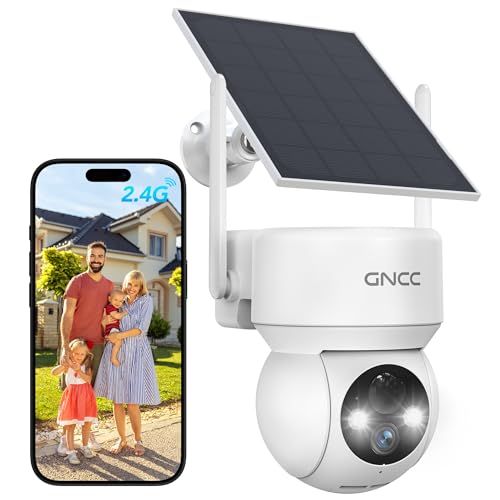
【360° Full View with Color Night Vision】The camera for home security features crisp 1080P Full HD resolution, offering a 355° horizontal and 90° vertical rotation range to eliminate blind spots in yards, driveways, and entryways—capturing sharp details like license plates day and night. Advanced color night vision technology delivers vivid, accurate colors even in low-light conditions. With the Osaio app, you can access live or recorded videos anytime, anywhere.

32kWh Home Backup Solution: Equipped with six 590W N-type panels, a 10kW hybrid inverter, two 48V 314Ah LiFePO4 batteries and necessary cables, this integrated system delivers 30kWh+ of usable energy for whole-home backup, solar energy storage, off-grid living, and emergency power.
Initial Investment
The initial investment for solar panels varies widely, typically ranging from $15,000 to $30,000 for an average home system. Adding a battery increases this cost, often by $5,000 to $10,000, depending on the battery type and capacity. Pricing factors include system size, installation complexity, and local incentives. Assessing your energy needs before purchasing helps determine the right system and budget.
Long-Term Savings
Long-term savings from solar panel investments are significant. Homeowners can save anywhere from $20,000 to $40,000 over 20 years by generating their own electricity. Batteries enhance these savings by storing excess energy, allowing you to avoid peak electricity prices, which can be two to three times higher than off-peak rates. Additionally, local incentives and rebates can further offset installation costs, making the upfront investment more manageable. With time, the benefits of solar energy and battery storage lead to a sustainable and cost-effective energy solution.
Conclusion
Deciding whether to add a battery to your solar panel system really depends on your unique energy needs and lifestyle. If you want to maximize your energy independence and enjoy savings during peak hours having a battery can be a smart choice.
However if you’re comfortable relying on the grid and your energy consumption patterns align with solar production you might find a battery unnecessary.
Ultimately it’s about finding the right balance for your home. With the right information you can make a decision that not only fits your budget but also supports your long-term energy goals.
Frequently Asked Questions
Do I need batteries for solar panels at home?
Batteries are not strictly necessary for solar panels, but they greatly enhance the system’s efficiency. They store excess energy generated during the day for use when sunlight is not available, like at night or on cloudy days.
What are the benefits of using batteries with solar panels?
Batteries provide energy independence, save money during peak pricing, reduce reliance on fossil fuels, maintain power during outages, and support renewable energy growth. They enhance the overall efficiency of solar energy systems.
How do solar panels work?
Solar panels convert sunlight into electricity using photovoltaic (PV) cells. They generate direct current (DC) electricity, which is then converted to alternating current (AC) for use in homes.
What should I consider before installing batteries?
Consider your energy usage patterns, reliance on the grid, cost, available incentives and rebates, and the space needed for battery installation. These factors will help determine if batteries are a good fit for your solar system.
What are the initial costs for solar panels and batteries?
The initial investment for solar panels typically ranges from $15,000 to $30,000. Adding batteries can increase costs by an additional $5,000 to $10,000, depending on the system size and capacity.
How much can I save with solar panels and batteries?
Homeowners can save between $20,000 to $40,000 over 20 years by generating their own electricity. Batteries can further enhance these savings by allowing users to avoid paying higher prices during peak electricity hours.
Are there alternatives to battery storage for solar energy?
Yes, alternatives include grid-tied systems, net metering, community solar programs, demand response programs, and improving energy efficiency. These options can provide flexibility and additional savings without the need for batteries.
