

Are you considering going solar but unsure about the costs, especially with battery backup? You’re not alone. Many homeowners are curious about how much this investment will impact their finances while also providing energy independence.
Imagine enjoying the peace of mind that comes from having a reliable power source during outages, all while reducing your electricity bills. This article will break down the costs associated with solar systems and battery storage, helping you understand the potential savings and benefits. By the end, you’ll have a clearer picture of what to expect and whether this green energy solution is right for you.
Key Takeaways
- Understanding Costs: Installation and equipment for solar systems typically range from $10,000 to $30,000, influenced by factors such as system size and location.
- Battery Backup Options: Different battery types, including lithium-ion, lead-acid, and saltwater, vary in cost and performance, impacting the overall investment.
- Potential Savings: Homeowners may experience reductions of 50-70% in electricity bills and increase property value by around $15,000 due to solar installations.
- Financial Incentives: Federal tax credits can deduct up to 30% of installation costs, with additional state and utility incentives that further lower overall expenses.
- Long-Term Benefits: Investing in solar with battery backup promotes energy independence, especially valuable during power outages while also ensuring long-term savings.
Understanding Solar Energy Costs
Understanding the costs associated with solar energy and battery backup is crucial for making informed decisions. This section outlines the primary expenses, focusing on installation and equipment.
Installation Costs
Installation costs for solar systems vary widely, usually ranging from $10,000 to $30,000, depending on system size and complexity. Factors influencing these costs include your home’s location, roof type, and any necessary permits.
- Labor Costs: Labor charges can account for 10% to 20% of total expenses.
- Permitting Fees: Local regulations may impose fees from $100 to $1,000 for permits.
- System Size: Larger systems are often more cost-effective on a per-watt basis. For example, a 10 kW system might cost $20,000, while a 5 kW system could be $12,000.
Equipment Costs
Equipment costs encompass solar panels, inverters, and battery storage. Expect to pay between $15,000 and $25,000 for high-quality components.
- Solar Panels: Prices range from $0.50 to $1.00 per watt, leading to a total of $8,000 to $12,000 for an average system.
- Inverters: Depending on the type, inverters can cost from $1,000 to $3,000.
- Battery Storage: Battery systems, such as Tesla Powerwall, can cost $7,000 to $10,000, not including installation.
Understanding these financial components empowers you to evaluate solar energy’s potential benefits for your home.
Battery Backup Systems
Battery backup systems store energy generated by solar panels for later use. These systems provide critical support during power outages and help maximize energy efficiency by utilizing stored power during peak usage times.
Recommended Products

Portable Generator with 60W Solar Panel Included: with a big battery pack, ZeroKor 300W solar powered generator are powerful enough to charge smartphones,tablets,laptops,headphones or other outdoor small camping supplies(Tips:Using electrical appliances over 300W may damage the portable solar generator, especially some devices that are prone to heat or built-in air compressor such as coffee maker,Hair dryer, water pump etc )

System Components:Delivers up to 10kW power output with 120V/240V single-phase split-phase support, making it suitable for smoothly running common household appliances. The system includes 5 × 590W solar panels with a total PV capacity of 2950W, capable of generating up to 11.8 kWh per day under optimal conditions, along with one 48V 314Ah portable LiFePO₄ battery offering 16.1 kWh of energy storage. Complete with necessary cables, this all-in-one solar solution is designed for convenient setup and reliable home power support.

UL 1973 Certified for Safety & Reliability: The Powermega 48V 314Ah is UL 1973 certified and backed by a 10-year warranty, providing added confidence for long-term energy storage and demanding off-grid applications
Types of Battery Systems
- Lithium-Ion Batteries
Lithium-ion batteries offer high energy density and long life. They charge quickly and discharge efficiently, making them a popular choice for residential solar systems. - Lead-Acid Batteries
Lead-acid batteries are more affordable upfront but have a shorter lifespan. They require regular maintenance and perform less efficiently compared to lithium-ion options. - Saltwater Batteries
Saltwater batteries are eco-friendly and safe. While they may have lower energy density, they are becoming more viable for home use due to their longevity and low maintenance needs. - Flow Batteries
Flow batteries support longer discharge times and can be easily scaled. These systems are ideal for longer energy needs but often come with higher installation costs.
- Battery Type
Battery selections significantly affect the total price. Lithium-ion systems usually cost between $5,000 and $7,000, while lead-acid systems range from $2,000 to $4,000. - System Size
Larger systems that store more energy increase initial investments. They typically range from 5 kWh to 20 kWh, impacting the overall cost based on energy requirements. - Installation Costs
Labor charges vary by region and expertise but generally range from $1,000 to $3,000. Complexity of installation can also drive these costs higher. - Incentives
Federal and state incentives can lower overall costs. Credit programs and tax benefits make adopting battery systems more affordable. - Warranty and Lifecycle
Battery warranties usually span 5 to 15 years. Longer lifecycles may justify a higher upfront cost, as reliable systems require replacement less frequently.
Total Cost Breakdown
Understanding the total cost of solar energy systems with battery backup involves examining both upfront costs and long-term savings. This breakdown aids in evaluating whether such an investment aligns with your financial goals.
Recommended Products


💚 NEW DESIGN EMERGENCY POWER SUPPLY 💚 Keep your ordinary electricity need in the hurricane, snowstorm time, Combine the charging and lighting, with anti-reflective and high-transparency. This is a completely independent off-grid power system.

【High Conversion Rate】This 20W solar panel with monocrystalline A+ solar cell has an excellent cell efficiency of 21%-30%. Designed to charge and maintain 12V rechargeable batteries like LiFePO₄, Lithium Ion, AGM, SLA, GEL, EFB, MF, etc. Keep batteries in charged for trailer, tractor, truck, boat, motorcycle, RV, car, lawn mower, water pump, gate opener, electric fence, etc
Upfront Costs
Upfront costs cover installation and equipment, influencing your initial investment. Key components include:
- Solar Panels: Quality systems range from $15,000 to $25,000, depending on size and efficiency.
- Inverters: Essential for converting solar energy, inverters can cost between $1,000 and $5,000.
- Battery Storage: Options range from $2,000 for lead-acid systems to $7,000 for lithium-ion batteries.
- Installation Fees: Typically, labor fees account for 10-20% of total costs, varying by location.
Permitting and inspection fees may add further expenses, so it’s crucial to research local regulations and costs ahead of time.
Long-Term Savings
Long-term savings can significantly offset your upfront costs. Consider the following:
- Reduced Electricity Bills: Homeowners often see reductions of 50-70% in energy costs. Your savings depend on your local rates and solar system size.
- Incentives: Federal tax credits can reduce upfront costs by 26% through 2023, potentially saving thousands.
- Increased Home Value: Solar systems can boost property values, often adding around $15,000 or more to your home’s worth.
- Battery Backup Benefits: Energy independence during outages can prevent potential losses, especially in areas prone to blackouts.
Evaluating these factors provides a clearer picture of the financial impact of adopting solar energy with battery backup.
Financial Incentives and Financing Options
Understanding financial incentives and financing options makes investing in solar with battery backup more accessible. Various programs and loans can significantly reduce your costs.
Recommended Products
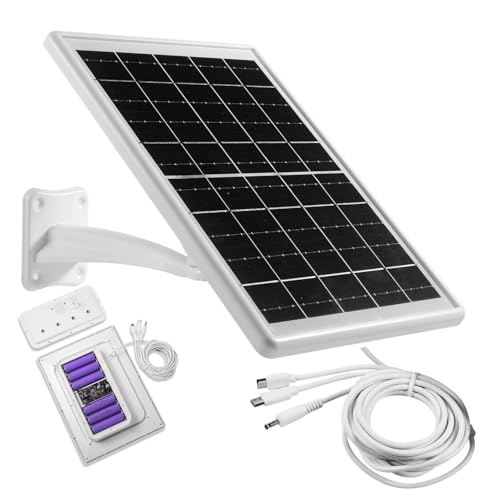
Power Solar Panel: Built in 12000 mAh Battery and 8w Solar Panel

SOLAR GENERATOR WITH SOLAR PANEL: Power your outdoor adventures with the MARBERO Solar Generator M82MAX and 30W Solar Panel. Ideal for camping, road trips, or off-grid living, this duo delivers reliable electricity wherever you go. With a high-capacity power kit, you'll enjoy uninterrupted device charging, ensuring your outdoor fun never ends.

【Solar Power with Built-In Battery Backup】 Unlike standard solar panels that rely on direct sunlight, this 15W solar panel stores energy in its built-in 20000mAh lithium battery, helping keep compatible 5V outdoor devices powered at night and during periods of limited sunlight.
Tax Credits and Rebates
Federal and state tax credits provide substantial savings. The federal tax credit allows homeowners to deduct up to 30% of the installation costs from their federal taxes. This percentage applies to both solar panels and battery systems. In addition to federal credits, many states offer rebates based on your home’s energy efficiency. Some utility companies also provide incentives, further reducing your overall expenditure. Check with your local government and utility provider to see what’s available in your area.
Loan Options
Multiple financing options suit the needs of different homeowners. Solar loans are available through banks and credit unions, offering competitive interest rates and terms. You’ll often find two types of loans: secured and unsecured. Secured loans require collateral, while unsecured loans don’t but typically come with higher interest rates. Some contractors offer in-house financing, allowing you to pay the cost over time. Additionally, energy-efficient mortgage programs let you include solar installation costs into your mortgage, making it easier to roll the expense into your monthly payments.
Conclusion
Investing in solar energy with battery backup can be a game-changer for your home. By understanding the costs and potential savings you can make informed decisions that fit your budget and energy needs.
With various financing options and incentives available you can ease the initial financial burden. Plus the long-term benefits like reduced electricity bills and energy independence during outages make this investment worthwhile.
Taking the leap into solar energy can not only enhance your home’s value but also contribute to a more sustainable future. So if you’re ready to explore this exciting opportunity you’re on the right path to a brighter and greener tomorrow.
Frequently Asked Questions
What are the main benefits of solar energy for homeowners?
Solar energy offers reduced electricity bills, a reliable power source during outages, and increased home value. Additionally, it contributes to energy independence and environmental sustainability, making it an appealing choice for homeowners.
How much does installing a solar energy system cost?
Installation costs for solar systems typically range from $10,000 to $30,000, depending on factors like location, roof type, and required permits. It’s essential to factor in labor and permitting fees for a comprehensive estimate.
What are the prices for different types of battery backup systems?
Lithium-ion battery systems usually cost between $5,000 and $7,000, while lead-acid systems range from $2,000 to $4,000. Each type has distinct benefits, but lithium-ion batteries are more efficient and require less maintenance.
What financial incentives are available for solar energy installations?
Homeowners may qualify for federal tax credits covering up to 30% of installation costs. Additionally, state programs and utility company rebates can further lower expenses, making solar energy more affordable.
How can solar energy impact long-term savings?
Investing in solar energy can lead to significant long-term savings through reduced energy bills, potential federal tax credits, and increased home value. Evaluating these factors helps homeowners understand the financial benefits of solar systems.
