

Are you considering a 6kW solar system and wondering how many batteries you’ll need? You’re not alone. Many homeowners face this question as they look to harness solar energy for their homes. Finding the right balance between solar panels and battery storage can feel overwhelming.
Understanding your energy needs is crucial for making the right decision. This article will guide you through the factors to consider, helping you determine the optimal number of batteries for your system. By the end, you’ll have a clearer picture of how to maximize your solar investment and ensure you have enough power when you need it most.
Key Takeaways
- Understanding Energy Needs: Assess your household’s daily energy consumption to determine the number of batteries required for optimal solar performance.
- Battery Calculation: Calculate total battery needs by multiplying daily energy use with desired backup days and selecting appropriate battery size (e.g., 10 kWh batteries).
- Battery Type Selection: Choose between lead-acid and lithium-ion batteries based on factors like budget, efficiency, lifespan, and maintenance needs.
- Account for System Losses: Factor in energy losses from inverters and wiring (10-20%) to ensure adequate battery storage capacity.
- Consider Future Expansion: Plan for future energy needs by selecting a battery system that allows for scalability as energy consumption grows.
- Benefits of Multiple Batteries: Using multiple batteries enhances energy storage, improves system efficiency, provides backup reliability, and offers flexibility in design.
Understanding Solar Power Systems
Solar power systems consist of solar panels, inverters, and batteries. To grasp how many batteries fit a 6kW system, consider the components and the specific energy requirements.
Solar Panels
Solar panels convert sunlight into electricity. A 6kW solar system generally produces about 24 kilowatt-hours (kWh) per day, depending on sunlight availability. Sunlight intensity can vary by location and season.
Inverters
Inverters change direct current (DC) from the panels into alternating current (AC) for home use. They typically operate efficiently, but ensure you select an inverter that matches your system’s capacity.
Battery Storage
Batteries store excess energy for later use, especially at night or during cloudy days. Battery capacity is measured in kilowatt-hours (kWh). To determine how many batteries you need, calculate your daily energy consumption.
Calculating Battery Needs
- Assess Daily Energy Use: Determine the total kWh your household consumes in a day. Include high-consumption appliances.
- Determine Backup Needs: Decide how many days of backup power you want. Common choices are one or two days.
- Calculate Total Storage: Multiply your daily energy use by your desired backup days. For instance, if your daily use is 30 kWh and you want two days, you need 60 kWh of storage.
- Select Battery Size: If you choose a 10 kWh battery, divide your total storage needs by the battery size. Using 60 kWh of storage with 10 kWh batteries needs six batteries.
Example Calculation
- Daily Energy Use: 30 kWh
- Desired Backup: 2 days
- Total Storage Needs: 30 kWh x 2 = 60 kWh
- Battery Size: 10 kWh
- Batteries Needed: 60 kWh ÷ 10 kWh = 6 batteries
- Battery Type: Lithium-ion batteries often last longer and have higher efficiency than lead-acid batteries. Choose based on your budget and priorities.
- System Losses: Account for energy losses from the inverter and wiring, typically around 10-20%. Adjust your calculations accordingly.
- Future Expansion: If you plan to expand your solar panel capacity, consider this in your battery calculations.
By understanding these components and performing accurate calculations, you can better determine how many batteries your 6kW system requires to meet your energy needs effectively.
Battery Requirements for a 6kW Solar System
Determining battery requirements for a 6kW solar system hinges on several factors. Understanding these factors helps you make informed choices about energy storage.
Recommended Products

32kWh Home Backup Solution: Equipped with six 590W N-type panels, a 10kW hybrid inverter, two 48V 314Ah LiFePO4 batteries and necessary cables, this integrated system delivers 30kWh+ of usable energy for whole-home backup, solar energy storage, off-grid living, and emergency power.

【Unmatched Prismatic Cell Technology】 Our larger application LiFePO4 batteries are crafted using 16Pcs state-of-the-art Grade A+ prismatic cells, setting a new standard in battery design. Lighter, safer, and more efficient than the cylindrical cells used by others, our batteries outshine the rest. Our LiFePO4 batteries provide 6000+ cycles & a 10-year expected lifetime compared to others in the industry. Supports communication with most types of inverters, and also supports expansion up to 30pcs batteries sequenced in parallel.

🌞【All-in-one Complete Kit】Inverter (built in MPPT controller ), solar panels, solar batteries are all-in-one complete kit. This complete hybrid solar power systems allow you to be completely independent of the traditional grid. You no longer rely on public electricity supply and can generate and use electricity self-sufficiently anywhere. You have the power to meet your energy needs on your terms, it also can connect with grid.
Factors Influencing Battery Count
- Daily Energy Consumption: Assess your household’s daily energy use. A higher consumption rate requires more battery storage.
- Desired Backup Days: Consider how many days of energy backup you want. This affects total storage needs directly.
- Battery Capacity: Different battery types offer varying capacities. Lithium-ion batteries may provide more usable power than lead-acid ones.
- System Losses: Account for efficiency losses in the system. Batteries won’t store 100% of the energy produced, so factor in about 10-20% loss.
- Future Expansion Plans: If you anticipate increasing energy needs, choose a battery system that allows for easy scalability.
Calculating Battery Capacity
Calculate your battery capacity based on energy needs. Follow these steps:
- Determine Daily Usage: Note your average daily energy consumption in kilowatt-hours (kWh).
- Decide Backup Days: Choose how many days’ worth of energy you want. For example, you may want two backup days.
- Calculate Total Storage Needs: Multiply daily usage by your desired number of backup days. For example, if you use 30 kWh daily and want two backup days, you’ll need 60 kWh of storage.
- Select Battery Type: Choose a battery with suitable capacity. For instance, if using 10 kWh batteries, divide total storage needs by battery capacity (60 kWh ÷ 10 kWh = 6 batteries).
Using these guidelines, you can accurately determine how many batteries you’ll need for your 6kW solar system, ensuring you maximize energy storage and efficiency.
Types of Batteries Suitable for Solar Systems
Choosing the right battery for your 6kW solar system is essential for maximizing efficiency and storage. Two primary types of batteries are commonly used in solar systems: lead-acid and lithium-ion.
Recommended Products
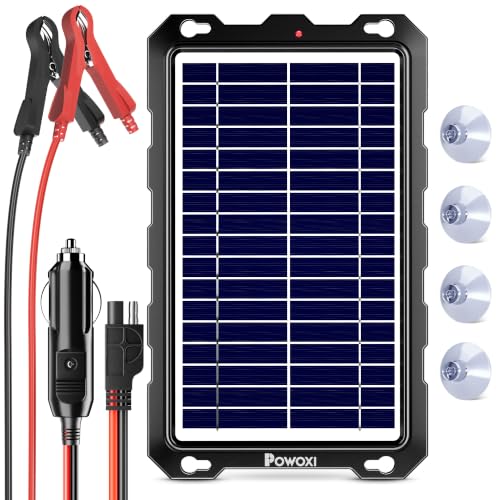
Upgrade Intelligent Charge Controller: Built-in internal protection system and smart fast charging Cooperate with Quality solar silicon material ensures high conversion and stable output the solar panel's energy conversion efficiency to 25-30%
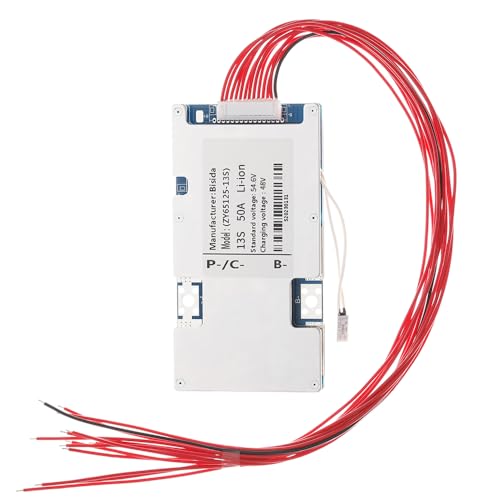
MULTIPLE PROTECTION Bisida's BMS has a variety of protection functions, such as over charge protection, over discharge protection, over current protection, short-circuit protection, temperature protection, isconnect protection, Voltage balance(passive balance), etc.
Lead-Acid Batteries
Lead-acid batteries are the traditional choice for solar energy storage. They come in two main types: flooded and sealed (AGM or gel).
- Flooded Lead-Acid: These require regular maintenance, including checking water levels. They typically provide a lower upfront cost, making them attractive for budget-conscious homeowners. Expect a lifespan of about five to seven years with proper care.
- Sealed Lead-Acid (AGM/Gel): These batteries offer maintenance-free operation, making them easier to use. They generally have a longer lifespan, about seven to twelve years, but at a higher initial cost. They perform well in terms of depth of discharge.
When considering lead-acid batteries, think about their overall capacity, which usually ranges from 100 to 200 amp-hours. Remember, you may need several batteries to achieve your desired storage level. For example, if you require 60 kWh total storage, you might need six 200 amp-hour batteries.
Lithium-Ion Batteries
Lithium-ion batteries are gaining popularity for solar energy systems due to their advantages over lead-acid batteries.
- Higher Efficiency: Lithium-ion batteries offer better depth of discharge, allowing you to use up to 90% of their capacity without harming the battery.
- Longer Lifespan: These batteries last significantly longer, often 10 to 15 years, and typically require little maintenance.
- Better Space and Weight Efficiency: Lithium-ion batteries are lighter and take up less space compared to lead-acid options, making them ideal for limited areas.
Popular lithium-ion options include the Tesla Powerwall and LG Chem RESU, both integrating seamlessly with solar systems. For a typical household, a 10 kWh lithium-ion battery may provide ample storage. If daily energy consumption equals 30 kWh and you want three days of backup, you’d need three of these 10 kWh batteries.
Selecting between lead-acid and lithium-ion depends on your budget, maintenance preference, and desired longevity. Each type meets different needs, ensuring you can find the optimal solution for your solar system.
Benefits of Using Multiple Batteries
Using multiple batteries for a 6kW solar system offers several significant advantages.
Recommended Products
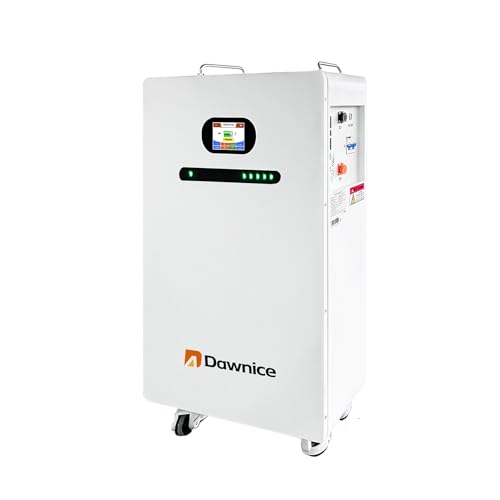
【Grade A battery】Uses Grade A battery, using the latest lithium phosphate battery, It has multiple advantages, including high safety, long cycle life, large current charge and discharge capability, high temperature resistance and small size,Increased to 10years lifetime and 6000+ cycles
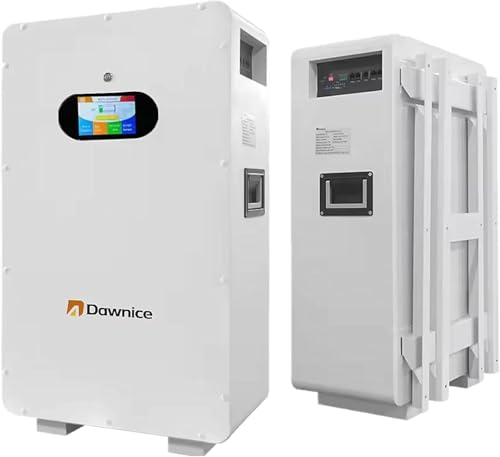
🌞【51.2V 100Ah LiFePo4 Battery】Connecting 16S1P 3.2V 100Ah A-grade batteries in series increases the maximum power to 5120KWH, and the maximum discharge current is 100A. using the latest lithium phosphate battery, It has multiple advantages, including high safety, long cycle life, large current charge and discharge capability, high temperature resistance and small size.

【Complete Solar Panel System Kit】The 5kW solar panel system kit includes 10pcs 550W bifacial solar panels (Bidacial gain increases output by 25%, total power up to 6875W), 1 set 6000W hybrid split phase inverter, 1 set 51.2V 100Ah LiFePO4 lithium battery, black+ red solar panel cable and solar connectors.
Enhanced Energy Storage
Enhanced energy storage ensures you have sufficient power during periods of low sunlight. More batteries equate to more kilowatt-hours (kWh) available for use. For example, installing three 10 kWh batteries provides 30 kWh of storage, supporting your home during cloudy days or at night.
Improved System Efficiency
Improved system efficiency results from distributing energy load across multiple batteries. This prevents any single battery from being overworked, extending its lifespan. Effective management leads to lower maintenance costs and a more reliable energy source.
Backup Power Reliability
Backup power reliability increases as you add batteries. If one battery fails, others continue to supply energy. This redundancy provides peace of mind, ensuring your household remains powered during outages.
Flexibility in Design
Flexibility in design becomes possible with multiple batteries. You can easily scale your system by adding more batteries as energy needs change. Whether increasing energy consumption or expanding the home, having a modular system simplifies upgrades.
Cost-Effectiveness Over Time
Cost-effectiveness over time is another key benefit. While initial investments for multiple batteries may seem high, the extended lifespan and reduced risk of failure often offset costs. You’ll save money on replacements and repairs through better energy management.
Greater Independence from the Grid
Greater independence from the grid means reduced reliance on external sources of energy. With ample battery storage, you diminish your vulnerability to fluctuations in electricity prices and grid outages. This independence often leads to increased energy security.
Using multiple batteries in your 6kW solar system enhances energy storage, improves efficiency, increases reliability, offers design flexibility, maximizes cost-effectiveness, and boosts independence from the grid.
Conclusion
Determining the right number of batteries for your 6kW solar system is essential for maximizing your energy independence. By understanding your daily energy needs and considering factors like backup days and battery capacity, you can make informed choices that suit your lifestyle.
Whether you opt for lead-acid or lithium-ion batteries, the right selection can lead to better efficiency and reliability. Remember that investing in multiple batteries not only boosts your energy storage but also enhances your system’s overall performance. With the right setup, you’ll enjoy the benefits of solar energy while ensuring you have power when you need it most. Happy solar planning!
Frequently Asked Questions
How many batteries are needed for a 6kW solar system?
To determine how many batteries you need for a 6kW solar system, assess your daily energy consumption and desired backup days. For instance, if you use 30 kWh daily and want two days of backup, you would need 60 kWh of storage, which equals six 10 kWh batteries.
What factors influence the number of batteries required?
The number of batteries required depends on several factors, including daily energy consumption, desired backup power days, battery capacity, system losses, and any plans for future expansion of your solar system.
What types of batteries are suitable for solar systems?
The two most common types of batteries for solar systems are lead-acid and lithium-ion. Lead-acid batteries are traditional and come in flooded or sealed varieties, while lithium-ion batteries are increasingly popular due to their higher efficiency, longer lifespan, and reduced space requirements.
Why use multiple batteries in a solar system?
Using multiple batteries enhances energy storage, improves system efficiency, increases backup reliability, and offers design flexibility. This setup provides greater energy independence from the grid and can be more cost-effective in the long run due to lower risks of failure and extended lifespan.
What should I consider when selecting a battery type?
When selecting a battery type, consider your budget, maintenance preferences, and the longevity of the battery. Lead-acid batteries usually require more maintenance and have a shorter lifespan, while lithium-ion options tend to be more efficient and durable, making them a popular choice for solar systems.
