

Ever wondered how long your solar batteries can actually hold a charge? If you rely on solar energy, this question is more important than you might think. Imagine a sunny day when your panels are soaking up the rays, but when night falls, you’re left wondering if your batteries will keep the lights on.
In this article, you’ll discover key insights about the lifespan and performance of solar batteries. You’ll learn what factors influence their charge retention and how to maximize their efficiency. Understanding this can help you make informed decisions and ensure your solar system meets your energy needs, day or night.
Key Takeaways
- Battery Types Matter: Lithium-ion batteries have superior charge retention and longevity (up to 15 years), while lead-acid and nickel-cadmium batteries last 3-5 and 10-15 years respectively but require more maintenance.
- Charge Retention Capacities: Lithium-ion batteries can hold up to 80% of their charge after five years; lead-acid batteries typically maintain 50-60%, and nickel-cadmium batteries may drop to 30-40% without proper care.
- Temperature Sensitivity: Battery performance is heavily influenced by temperature; keeping batteries in a controlled environment between 32°F and 85°F can enhance efficiency and lifespan.
- Regular Maintenance is Key: Monitoring battery health, keeping terminals clean, and ensuring balanced charging are essential practices that can significantly improve charge retention.
- Identify Usage Needs: Choose the right battery type based on specific energy needs, whether for residential systems (best suited for lithium-ion) or off-grid applications (often lead-acid).
- Follow Manufacturer Guidelines: Understanding and adhering to manufacturer specifications can aid in optimizing battery performance and prolonging lifespan.
Understanding Solar Battery Technology
Solar battery technology plays a critical role in harnessing and storing solar energy efficiently. Knowing how different types of batteries and their functions impact charge retention helps you manage your solar system more effectively.
Types of Solar Batteries
- Lithium-Ion Batteries: These batteries offer high energy density and longer lifespan. Often found in residential solar systems, they can last up to 15 years with minimal maintenance. Their fast charging capabilities make them popular for those who need quick power replenishment.
- Lead-Acid Batteries: Commonly used in off-grid solar systems, these batteries are affordable but heavier and bulkier. They might last 3 to 5 years and require regular maintenance. Ensure to cycle these batteries properly to extend their lifespan.
- Nickel-Cadmium Batteries: Known for their durability, these batteries excel in extreme conditions. They can last around 10 to 15 years. While they have a longer lifespan, their environmental concerns and higher costs limit their popularity.
How Solar Batteries Work
Solar batteries store excess energy generated from your solar panels. During the day, solar panels convert sunlight into electricity. Any excess energy charges your battery.
- Energy Conversion: Solar photovoltaic cells capture sunlight and convert it into direct current (DC) electricity. Most solar batteries use DC electricity to charge.
- Charging Process: Batteries receive this energy through a charge controller that manages how much energy flows into them. Proper charging optimizes battery life and efficiency.
- Discharge Cycle: When energy demand exceeds production, batteries provide stored energy. This process ensures you access power during the night or cloudy days. A well-maintained solar battery system retains its charge for up to several days, depending on storage capacity and usage.
- Efficiency Considerations: Battery efficiency can decline over time. Regular monitoring and maintenance, including temperature checks and ensuring correct connections, can enhance performance.
Understanding these fundamental aspects of solar battery technology helps you maximize charge retention and make informed decisions about your solar energy system.
Factors Affecting Charge Retention
Several factors influence how long solar batteries hold a charge. Understanding these influences helps you maintain optimal performance and extend battery life.
Recommended Products
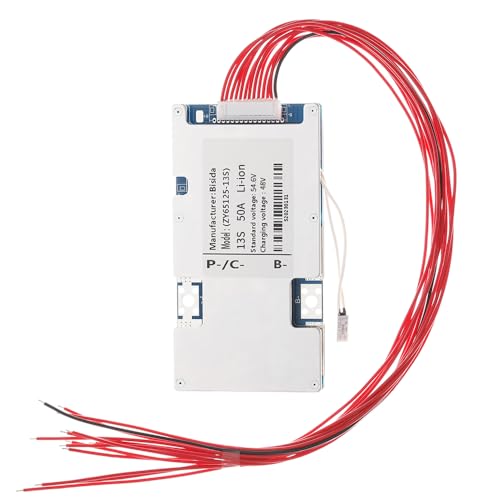
MULTIPLE PROTECTION Bisida's BMS has a variety of protection functions, such as over charge protection, over discharge protection, over current protection, short-circuit protection, temperature protection, isconnect protection, Voltage balance(passive balance), etc.

MULTIPLE PROTECTION Bisida's BMS has a variety of protection functions, such as over charge protection, over discharge protection, over current protection, short-circuit protection, temperature protection, isconnect protection, Voltage balance(passive balance), etc.
Battery Composition
Battery composition significantly impacts charge retention. Different battery types, such as lithium-ion, lead-acid, and nickel-cadmium, exhibit varying charge-holding capabilities.
- Lithium-ion batteries typically offer superior charge retention, allowing up to 80% capacity after years of use.
- Lead-acid batteries often maintain around 50-60% of their original charge after several years.
- Nickel-cadmium batteries usually hold a charge well, but their performance can degrade rapidly if not maintained properly.
Selecting the right battery type for your solar setup plays a crucial role in overall efficiency and charge longevity.
Temperature Influence
Temperature significantly affects a solar battery’s performance and charge retention.
- High temperatures can lead to increased internal resistance, reducing capacity and accelerating degradation.
- Cold temperatures may cause low charge cycles, affecting energy delivery.
For optimal performance, keep solar batteries in a temperature-controlled environment. Ideally, temperatures should range between 32°F (0°C) and 85°F (29°C).
Monitoring temperature and adjusting installation locations can enhance battery efficiency and extend lifespan.
Average Charge Retention Times
Understanding how long solar batteries hold charge helps you gauge their efficiency. Charge retention times vary significantly among different battery types and usage conditions.
Recommended Products
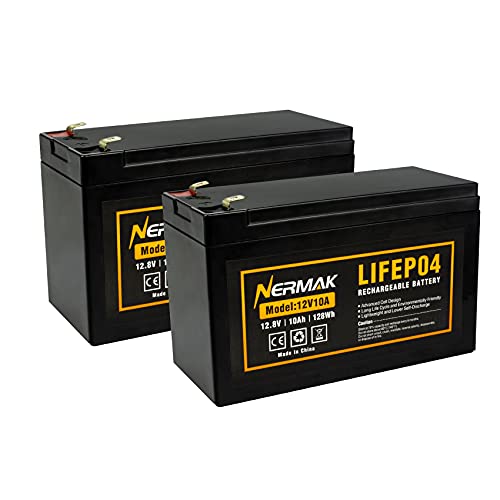
【Superior Performance】: Lithium iron phosphate battery has high energy density, Long cycle life, Good safety performance, No memory effect, etc. NERMAK LiFePO4 battery has built-in BMS protection to prevent overcharge, Over-discharge, Over-current and short circuit, and excessive low self-discharge rate ensuring up to 1-year maintenance-free storage.
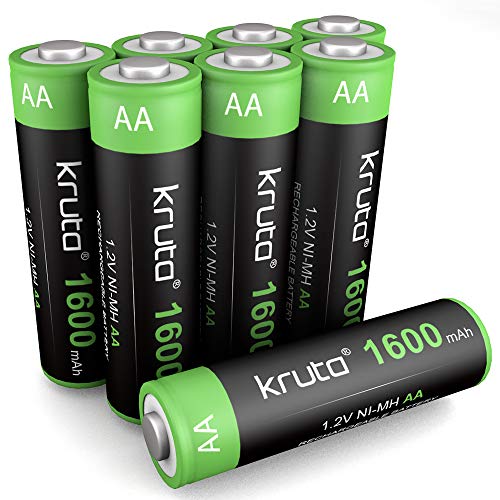
【High Capacity&Long Lasting】:1600mah high capacity AA rechargeable battery will lasting much longer time to ensure your outdoor lights always has enough power to light all night. Also can replace 600mAh, 800mAh, 1100mah, etc NiCd or Ni-MH AA cells AA battery.
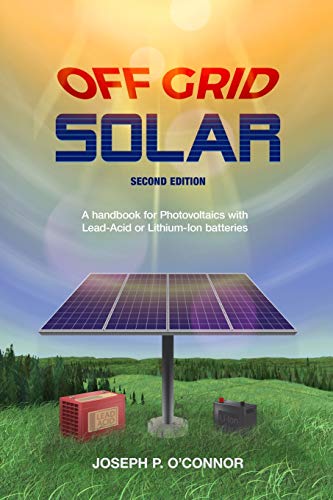
Comparing Different Battery Types
- Lithium-Ion Batteries: Lithium-ion batteries maintain an impressive charge retention, often holding up to 80% capacity after five years. Their efficiency and minimal self-discharge rates make them popular for residential solar setups.
- Lead-Acid Batteries: Lead-acid batteries average around 50-60% capacity retention after five years. These traditional batteries are more affordable but require regular maintenance to optimize performance.
- Nickel-Cadmium Batteries: Nickel-cadmium batteries can decline sharply without care, sometimes maintaining only 30-40% capacity after a few years. Their susceptibility to overcharging highlights the need for proper management.
- Home Solar Systems: In typical home solar systems, lithium-ion batteries provide reliable charge retention for daily energy needs. Homeowners experience consistent performance, even during periods of cloudy weather.
- Off-Grid Living: Off-grid systems benefit from lead-acid batteries due to lower initial costs. However, residents may find themselves needing to replace these batteries more frequently due to their reduced longevity.
- Commercial Applications: In commercial settings, lithium-ion options are favored for their efficiency and longer lifespan. Businesses that prioritize sustainability often choose them to meet energy demands without interruptions.
Taking into account battery types and usage scenarios allows you to make informed decisions about the best solar batteries for your energy needs.
Best Practices for Maximizing Charge Retention
Maximizing how long solar batteries hold a charge involves effective maintenance and selecting the right battery type. Here are some essential practices to enhance your solar battery efficiency.
Recommended Products
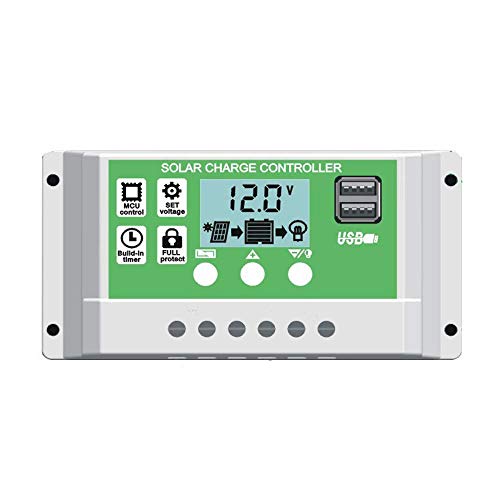
【Upgraded Solar Panel Controller】This 30a solar charge controller compatibility with 12V 24V system.Fully 4-Stage PWM charge (Boost, ABS, Equalization,Float),the power MOSFET is used as and electronic switch without any mechanical switches and equipped with industrial-grade STM 8 microprocessor to prolong your battery life cycle.

【High Conversion Rate】This 20W solar panel with monocrystalline A+ solar cell has an excellent cell efficiency of 21%-30%. Designed to charge and maintain 12V rechargeable batteries like LiFePO₄, Lithium Ion, AGM, SLA, GEL, EFB, MF, etc. Keep batteries in charged for trailer, tractor, truck, boat, motorcycle, RV, car, lawn mower, water pump, gate opener, electric fence, etc
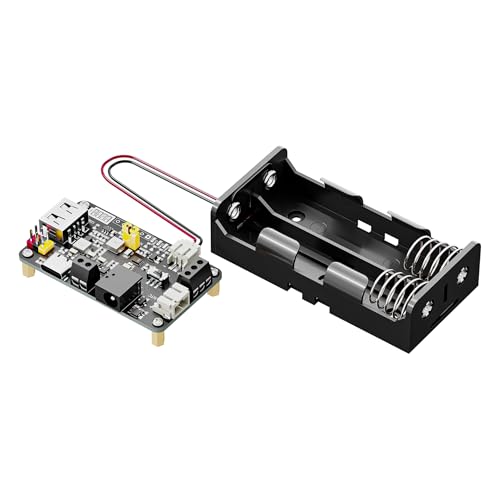
Smart Solar Charge Controller with Protection: Built-in intelligent solar charge controller with overcharge, over-discharge, overcurrent and reverse polarity protection to ensure safe lithium battery charging
Proper Maintenance Tips
- Check Battery Health Regularly: Monitor the state of charge and voltage levels at least once a month. Consistent checks help catch issues early.
- Clean Terminals: Keep battery terminals free from corrosion. A simple mixture of baking soda and water can effectively clean them.
- Balance Charging: If using multiple batteries, ensure they undergo balanced charging to maintain uniform charge levels and prolong lifespan.
- Keep Batteries Cool: Store batteries in a temperature-controlled area. Avoid extreme temperatures that can accelerate degradation.
- Replace Old Batteries Promptly: Old batteries hold less charge. Consider replacing them based on manufacturer guidelines.
- Consider Lithium-Ion Batteries: Lithium-ion batteries offer exceptional charge retention and a longer lifespan compared to other types. They easily maintain up to 80% capacity after five years.
- Evaluate Lead-Acid Options: Lead-acid batteries have lower initial costs. They suit applications where budget constraints are essential but check for ample maintenance routines.
- Assess Nickel-Cadmium Choices: Nickel-cadmium batteries require thorough maintenance to avoid rapid degradation. Use these where regular upkeep is possible.
- Research Manufacturer Specs: Always review manufacturer specifications. Understanding the charge retention potential helps you choose the best battery for your needs.
- Match Battery Type to Usage: Think about how you plan to use your solar energy system. Lithium-ion batteries excel in residential systems, while lead-acid batteries may work better in off-grid setups.
Adopting these best practices optimizes battery performance and ensures your solar system meets energy demands efficiently.
Conclusion
Understanding how long solar batteries hold a charge is key to maximizing your solar energy system’s efficiency. By choosing the right battery type and following best maintenance practices you can ensure your batteries perform at their best for years to come.
Whether you opt for lithium-ion for its impressive longevity or lead-acid for its cost-effectiveness it’s all about finding what suits your needs. Keeping an eye on temperature and regularly checking battery health can make a significant difference in performance.
With the right knowledge and care you can enjoy the benefits of solar energy without worrying about charge retention. So take these insights and empower your solar journey!
Frequently Asked Questions
What is solar battery charge retention?
Solar battery charge retention refers to a battery’s ability to hold and maintain a charge over time. It is crucial for those using solar energy systems, as effective charge retention ensures reliable power supply from stored energy, especially during cloudy days or power outages.
How does battery type affect charge retention?
Different battery types impact charge retention significantly. Lithium-ion batteries typically retain up to 80% capacity after five years, while lead-acid batteries maintain around 50-60%. Nickel-cadmium batteries can degrade quickly without proper maintenance, making lithium-ion the preferred choice for most solar setups.
What factors influence solar battery lifespan?
Several factors affect solar battery lifespan, including battery composition, temperature, charging cycles, and overall maintenance. Lithium-ion batteries thrive in controlled temperatures and are less susceptible to degradation compared to lead-acid and nickel-cadmium batteries, which can suffer in extreme conditions.
How can I enhance my solar battery’s charge retention?
To enhance charge retention, regularly check battery health, clean terminals, and ensure balanced charging for multiple batteries. Maintaining a cool, temperature-controlled environment (ideally between 32°F and 85°F) and replacing old batteries promptly are also essential for optimizing performance.
Why are lithium-ion batteries preferred for solar energy systems?
Lithium-ion batteries are favored due to their superior charge retention, longer lifespan, and efficiency. They can maintain up to 80% capacity after years of use, making them ideal for home and commercial solar systems focused on reliability and sustainability.
