

Have you ever wondered how long your solar battery can really last? You’re not alone. Many people are curious about the lifespan and performance of these batteries, especially as they invest in solar energy solutions for their homes.
Imagine relying on your solar battery during a power outage or when the sun isn’t shining. Understanding its longevity can help you plan better and maximize your investment. In this article, you’ll discover key factors that influence solar battery life and tips to extend it. By the end, you’ll have a clearer picture of what to expect and how to make the most of your solar energy system.
Key Takeaways
- Lifespan Variability: Solar batteries vary in lifespan, with lithium-ion batteries lasting 10-15 years, while lead-acid batteries typically last 3-7 years, depending on type and usage patterns.
- Impact of Usage Patterns: Frequent deep discharges and high-demand usage can shorten battery life; limiting discharge to around 50% and regular cycling supports longevity.
- Environmental Considerations: Keeping solar batteries in optimal temperature conditions (32°F to 95°F) is crucial, as extreme temperatures and humidity can adversely affect performance and life span.
- Maintenance Importance: Regular checks, monitoring connections, and ensuring clean terminals can significantly extend the lifespan of solar batteries.
- Optimal Charging Techniques: Charging during peak sunlight and avoiding overcharging are key to maintaining battery health and efficiency.
- Battery Type Matters: The choice of battery type—lithium-ion, lead-acid, flow, or nickel-based—can have a substantial impact on performance, longevity, and overall energy storage capabilities.
Understanding Solar Batteries
Solar batteries play a crucial role in harnessing energy from photovoltaic systems. They store energy for use when sunlight isn’t available, such as nighttime or cloudy days. Knowing the types and components of solar batteries helps you make informed decisions.
Types of Solar Batteries
- Lithium-ion Batteries
Lithium-ion batteries offer high energy density and longer lifespans, typically lasting 10 to 15 years. These batteries charge quickly and are lightweight, making them a popular choice for residential solar systems. - Lead-acid Batteries
Lead-acid batteries are the traditional option for solar storage. They come in two main types: flooded and sealed. Flooded lead-acid batteries usually last 3 to 5 years, while sealed variants like AGM (Absorbent Glass Mat) can last 5 to 7 years. They’re more affordable upfront but require regular maintenance. - Flow Batteries
Flow batteries provide scalable energy storage solutions. They last longer than traditional batteries, often exceeding 10 years. Flow batteries are ideal for larger installations due to their longer cycle life and the ability to easily replace electrolytes. - Nickel-based Batteries
Nickel-based batteries, while less common, provide high performance and longevity. They last about 7 to 15 years, depending on the specific type. Their resilience in various temperatures makes them suitable for areas with extreme climates.
- Cells
Cells are the fundamental units that store energy within solar batteries. They determine the battery’s capacity and voltage. A higher number of cells often translates to better performance and storage capability. - Battery Management System (BMS)
BMS monitors battery health and performance. It prevents overcharging and ensures balanced energy distribution across cells, extending the battery’s lifespan. - Electrolyte
The electrolyte facilitates the flow of ions between the positive and negative electrodes. This component varies by battery type and plays a crucial role in energy storage efficiency. - Casing
The casing protects the internal components from environmental factors. A durable casing prevents leakage and corrosion, ensuring safety and longevity. - Terminals
Terminals are the connection points for charging and discharging energy. Quality terminals improve performance and reduce resistance, enhancing energy transfer efficiency.
Factors Affecting Battery Lifespan
Understanding factors influencing solar battery lifespan is crucial for maximizing your investment. Several elements can impact how long a battery lasts and its efficiency in storing and providing energy.
Recommended Products

SOLAR POWER WITH BATTERY BACKUP: This BALDR indoor thermometer is powered by available light during the day and automatically switches to its built-in battery in low-light or dark conditions. Designed to work with all indoor light sources, its low-power system delivers long-lasting performance.

Solar Dual Power, Zero Frequent Battery Replacement:Equipped with high-efficiency solar panels plus a built-in CR2032 backup battery, this mini hygrometer delivers long-lasting continuous operation with no frequent battery swaps. It’s a power-stable must-have for multi-day backpacking and off-grid wild camping with limited power access.
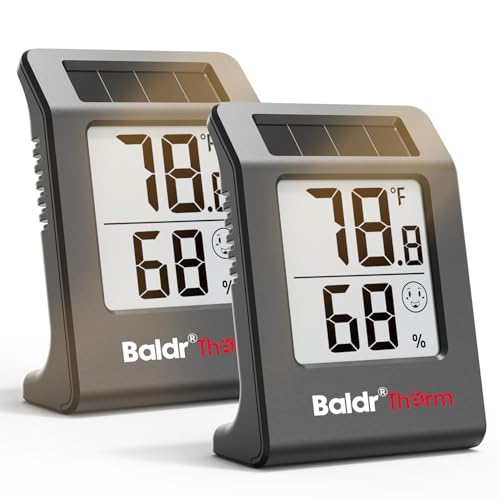
Solar-Powered, Never-Power Off: This indoor thermometer is powered by solar energy,In bright environments, solar panels can provide continuous energy, whether it's from lights or sunlight!
Usage Patterns
Usage patterns play a significant role in determining battery lifespan. Frequent deep discharges can shorten battery life. Limiting discharge to around 50% can prolong longevity. Regularly cycling the battery, rather than leaving it idle, helps maintain optimal performance. For example, using the battery daily rather than only during emergencies supports its health. Additionally, if you frequently power high-demand appliances, it could impact how quickly your battery wears out.
Environmental Conditions
Environmental conditions significantly affect solar battery performance. High temperatures can accelerate wear, while excessively low temperatures can impair functionality. Ideally, maintain batteries in a temperature range of 32°F to 95°F (0°C to 35°C) for optimal operation. Humidity levels also matter; excessive moisture may lead to corrosion and damage. For instance, if your battery is installed outdoors, protective casings can shield it from harsh weather, which helps sustain its efficiency and lifespan.
Average Lifespan of Solar Batteries
Understanding the average lifespan of solar batteries helps you make informed decisions about your solar energy investment. Different battery types come with varying lifespans and associated factors that can impact their longevity.
Lead-Acid Batteries
Lead-acid batteries typically last between 3 to 7 years, depending on the specific type and how you use them. Flooded lead-acid batteries often have a shorter life due to their maintenance requirements and vulnerability to deep discharges. In contrast, sealed lead-acid varieties, including AGM (Absorbent Glass Mat) and gel batteries, may provide a slightly longer lifespan. Practices that extend their life include:
- Avoiding deep discharges: Keep energy usage within a safe range, ideally discharging no more than 50%.
- Regular maintenance: Check electrolyte levels for flooded types and keep terminals clean and free of corrosion.
Lithium-Ion Batteries
Lithium-ion batteries stand out for their impressive longevity, typically lasting between 10 to 15 years. Their design allows for deeper discharges without significant degradation, making them popular choices among homeowners. Factors that can maximize their lifespan include:
- Optimized charging: Use a smart inverter that manages charging cycles effectively.
- Temperature management: Keep batteries in a climate-controlled environment, ideally between 32°F to 95°F (0°C to 35°C).
- Balanced cycling: Regularly cycle your battery instead of letting it remain idle, which helps maintain optimal health.
By understanding these factors and implementing best practices, you can effectively extend the lifespan of both lead-acid and lithium-ion solar batteries.
Maintenance Tips for Longevity
Proper maintenance significantly extends the lifespan of your solar battery. You can ensure optimal performance with a few simple practices.
Regular Checks and Monitoring
Conduct regular inspections of your solar battery system. Check the connections for corrosion or loose wires. Monitor electrolyte levels in lead-acid batteries and refill with distilled water as necessary. Inspect for any signs of wear or leaks. Use a monitoring system to track battery performance, allowing you to catch issues early. Schedule these checks every few months to maintain efficiency and longevity.
Optimal Charging Practices
Adopt optimal charging practices to extend battery life. Charge your batteries during peak sunlight hours, as this maximizes energy absorption. Avoid overcharging, which can damage your batteries and reduce their lifespan. Use a charge controller to manage energy flow and prevent over-discharge. Keep batteries within the recommended temperature range of 32°F to 95°F (0°C to 35°C) for ideal functioning. Aim for a discharge limit of 50% to minimize stress on the battery.
Conclusion
Understanding how long your solar battery can last is key to making the most of your investment. By knowing the different types of batteries and their lifespans you can choose the right option for your needs.
Remember to keep an eye on usage patterns and environmental conditions to ensure your battery performs at its best. With a little maintenance and care you can extend the life of your solar battery and enjoy reliable energy storage for years to come. Embracing these practices not only boosts your system’s efficiency but also helps you harness the full potential of solar energy.
Frequently Asked Questions
What is the average lifespan of solar batteries?
The average lifespan of solar batteries varies by type. Lithium-ion batteries typically last between 10 to 15 years, while lead-acid batteries last around 3 to 7 years. Flow batteries can exceed 10 years, and nickel-based batteries offer longevity of 7 to 15 years.
How do environmental conditions affect solar battery performance?
Environmental factors like temperature and humidity significantly impact solar battery performance. Maintaining batteries within a temperature range of 32°F to 95°F (0°C to 35°C) and protecting them from excessive moisture can enhance efficiency and longevity.
What are the best maintenance practices for solar batteries?
To extend the lifespan of solar batteries, perform regular checks, monitor connections for corrosion, and track performance with a monitoring system. For lead-acid batteries, check electrolyte levels and ensure optimal charging during peak sunlight hours.
How can I maximize the performance of my solar battery?
Maximize your solar battery’s performance by avoiding frequent deep discharges. Limit discharge to around 50%, cycle the battery regularly, and practice optimal charging techniques to prevent overcharging while maintaining proper temperature control.
Why is understanding solar battery lifespan important?
Understanding the lifespan of solar batteries helps homeowners maximize their investment in solar energy systems. It ensures they are prepared for potential power outages, recognizes the need for battery replacement, and informs them of maintenance strategies to enhance battery longevity.
