

Have you ever wondered how solar energy can power your home even when the sun isn’t shining? Imagine a sunny day where your solar panels are soaking up rays, but what happens when night falls or clouds roll in? That’s where batteries come into play.
In this article, you’ll discover how solar systems work alongside batteries to store energy for those less sunny moments. You’ll learn about the benefits of combining these technologies, like reducing your electricity bills and increasing your energy independence. By the end, you’ll have a clear understanding of how to make the most of solar power with battery storage.
Key Takeaways
- Solar Energy Generation: Solar panels convert sunlight into electricity through the photovoltaic effect, providing a renewable energy source for homes even on cloudy days.
- Battery Storage Benefits: Batteries store excess energy generated during sunny periods, allowing homeowners to use solar power during non-sunny times, enhancing energy reliability and independence.
- Emergency Backup Power: A battery system provides backup electricity during power outages, ensuring essential appliances remain operational and enhancing peace of mind.
- Energy Independence and Savings: Combining solar panels and batteries reduces dependence on the grid, resulting in lower electricity bills and increased financial savings over time.
- Battery Types and Choosing Wisely: Homeowners can select between lead-acid and lithium-ion batteries based on their energy needs, budget, and space, with lithium-ion offering higher efficiency and longer life.
- Long-Term Incentives: Integrating solar with battery systems may qualify homeowners for various incentives, including tax credits, maximizing return on investment and promoting sustainable energy practices.
Overview Of Solar Power Systems
Solar power systems harness sunlight to generate electricity, even during cloudy days. These systems integrate various components to maximize energy production and storage.
Components of Solar Power Systems
- Solar Panels: Convert sunlight into electricity. Most commonly, crystalline silicon panels dominate the market for efficiency and longevity.
- Inverter: Transforms the direct current (DC) generated by solar panels into alternating current (AC) for use in your home or business.
- Charge Controller: Manages the power going into the battery, preventing overcharging and ensuring battery longevity.
- Batteries: Store excess energy produced by solar panels for use during non-sunny periods, enhancing energy reliability.
- Monitoring System: Provides real-time data on energy production and consumption, allowing you to optimize energy usage.
- Energy Independence: With batteries, you depend less on the grid. This independence translates to savings on your electricity bill.
- Backup Power: Batteries ensure you have electricity when the grid goes down, providing crucial support during emergencies.
- Maximized Usage: Storing energy during peak production hours lets you use it when energy demand is high, often resulting in lower costs.
- Sustainability: Batteries contribute to a more sustainable energy system by ensuring that solar energy is used effectively and efficiently, reducing the reliance on fossil fuels.
Understanding Solar Energy Conversion
Solar energy conversion involves transforming sunlight into usable electricity. This conversion process is essential for powering homes and businesses. Here’s how it works.
Photovoltaic Effect Explained
The photovoltaic effect is the key mechanism that allows solar panels to convert sunlight into electricity. When sunlight hits the solar cells in a panel, it excites the electrons within the semiconductors. This action creates an electric current. Typically, solar cells are made from silicon, which is a highly effective semiconductor. The cells are grouped into panels, which then generate direct current (DC) electricity.
To illustrate, a solar panel producing around 300 watts can generate enough electricity to power basic appliances in your home during peak sunlight hours. The amount of electricity produced depends on factors like the panel’s efficiency, size, and amount of sunlight exposure.
Role of Inverters in Solar Systems
Inverters play a crucial role in converting the direct current (DC) generated by solar panels into alternating current (AC), which your home uses. Without inverters, you wouldn’t be able to power most household appliances.
There are different types of inverters, including string inverters, micro-inverters, and hybrid inverters. For example, string inverters connect multiple solar panels in a series, allowing the entire array to operate efficiently. Micro-inverters, on the other hand, attach to individual panels, optimizing performance even when some panels are shaded.
When installing solar systems, consider the inverter type that matches your energy needs best. A quality inverter significantly impacts overall system efficiency and reliability.
How Batteries Enhance Solar Power Systems
Batteries play a crucial role in optimizing solar power systems, enhancing efficiency and providing consistent energy supply. They store excess energy generated during peak sunlight hours, ensuring you get the most out of your solar investment.
Recommended Products

Portable Generator with 60W Solar Panel Included: with a big battery pack, ZeroKor 300W solar powered generator are powerful enough to charge smartphones,tablets,laptops,headphones or other outdoor small camping supplies(Tips:Using electrical appliances over 300W may damage the portable solar generator, especially some devices that are prone to heat or built-in air compressor such as coffee maker,Hair dryer, water pump etc )


Universal Compatibility: Works with alarm systems, security devices, UPS, kids ride-on cars. 12V7Ah/20HR rechargeable battery replaces 1270 batteries, UB1270, RT1270, CA1270, 12FM7 and more.
Storing Excess Energy
Batteries capture surplus energy produced by solar panels when demand is low. You can store this energy for later use, especially during cloudy days or nighttime. For instance, if your solar panels generate more energy than your home requires between noon and 2 PM, your battery stores this excess. Later, at night when the sun’s gone, you can draw upon this stored energy, reducing your reliance on the grid and lowering electricity costs.
Providing Power During Outages
Batteries serve as a reliable backup during power outages. When the grid goes down, your solar battery system can kick in, supplying power to your essential appliances. For example, if there’s a storm and your electricity is cut off, your battery can keep your refrigerator and lights running, maintaining your comfort and safety. This capability increases energy independence and provides peace of mind, knowing you can rely on solar energy even when external conditions disrupt traditional power sources.
Types of Batteries Used in Solar Systems
Understanding the types of batteries used in solar systems helps you choose the right option for your energy needs. Two common battery types stand out: Lead-Acid Batteries and Lithium-Ion Batteries.
Recommended Products
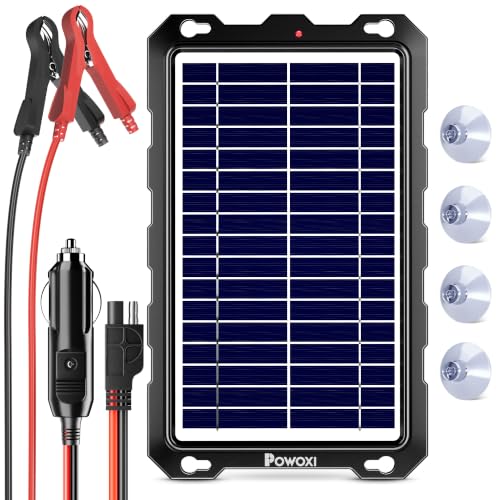
Upgrade Intelligent Charge Controller: Built-in internal protection system and smart fast charging Cooperate with Quality solar silicon material ensures high conversion and stable output the solar panel's energy conversion efficiency to 25-30%
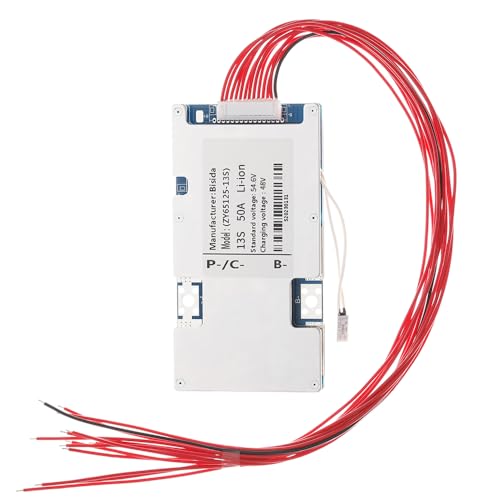
MULTIPLE PROTECTION Bisida's BMS has a variety of protection functions, such as over charge protection, over discharge protection, over current protection, short-circuit protection, temperature protection, isconnect protection, Voltage balance(passive balance), etc.
Lead-Acid Batteries
Lead-acid batteries are the traditional choice for solar energy storage. They’re reliable, widely available, and relatively inexpensive. These batteries come in two main types: flooded and sealed (also known as maintenance-free).
- Flooded Lead-Acid Batteries: These batteries require regular maintenance, such as checking electrolyte levels and adding water. They’re cost-effective and suitable for off-grid applications where maintenance isn’t an issue.
- Sealed Lead-Acid Batteries: These options are more user-friendly because they don’t need maintenance. They include valve-regulated lead-acid (VRLA) batteries, which are safe and easy to install.
Lead-acid batteries typically have a lifespan of 5 to 15 years and a depth of discharge (DoD) of around 50%. This means you can use about half of the stored energy without damaging the battery. While they’re a solid choice, their weight and lower energy density compared to newer options can be downsides.
Lithium-Ion Batteries
Lithium-ion batteries are becoming the go-to solution for modern solar systems. They offer several advantages over lead-acid types.
- Higher Energy Density: Lithium-ion batteries store more energy in a smaller and lighter package. This makes them ideal for residential installations where space is limited.
- Longer Lifespan: These batteries generally last 10 to 15 years or more, with some models reaching up to 20 years. They also support a higher DoD, often up to 80% or even 90%. This means you can use more of the stored energy without harming the battery.
- Faster Charging: Lithium-ion batteries charge quickly, allowing you to make use of solar energy more efficiently.
Though initially more expensive, the long-term savings in replacements and increased efficiency may offset those costs.
Choosing between lead-acid and lithium-ion batteries depends on your specific energy needs, budget, and installation requirements. Assessing these factors helps you select the right battery for your solar system.
Benefits of Combining Solar with Battery Storage
Combining solar power systems with battery storage offers significant advantages. This integration maximizes energy efficiency and enhances overall home energy management.
Recommended Products

【Unmatched Prismatic Cell Technology】 Our larger application LiFePO4 batteries are crafted using 16Pcs state-of-the-art Grade A+ prismatic cells, setting a new standard in battery design. Lighter, safer, and more efficient than the cylindrical cells used by others, our batteries outshine the rest. Our LiFePO4 batteries provide 6000+ cycles & a 10-year expected lifetime compared to others in the industry. Supports communication with most types of inverters, and also supports expansion up to 30pcs batteries sequenced in parallel.
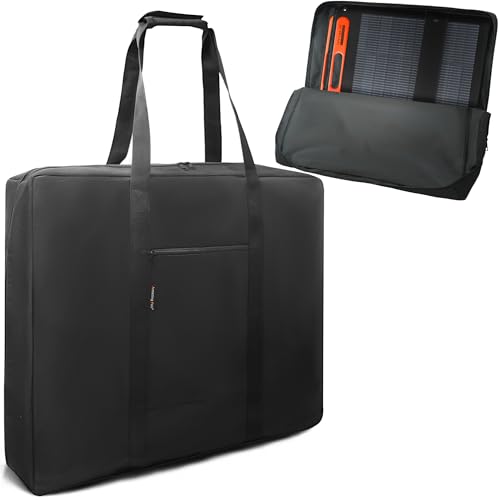
Universal Fit & Spacious Design: Perfectly sized at 27.5" x 24.5" x 6" to hold two Jackery SolarSaga 100W, 100X, or 200W panels securely. Also compatible with popular 100W foldable panels like ROCKPALS SP003, MogoPower, and 4Patriots. Offers ample space for most foldable solar arrays.

32kWh Home Backup Solution: Equipped with six 590W N-type panels, a 10kW hybrid inverter, two 48V 314Ah LiFePO4 batteries and necessary cables, this integrated system delivers 30kWh+ of usable energy for whole-home backup, solar energy storage, off-grid living, and emergency power.
Energy Independence
Energy independence increases as you rely on your solar panels and batteries. By storing excess energy, you gain the ability to power your home autonomously. This means reduced dependence on the grid and decreased vulnerability to rising energy prices. For example, during peak demand times, when electricity costs may soar, your stored energy can keep your home powered without heavy financial impacts.
Cost Savings and Incentives
Cost savings become apparent as you integrate solar with battery storage. Solar energy reduces monthly electricity bills, and battery systems allow you to save energy for later use. Many regions also offer incentives, including tax credits and rebates, that lower the initial costs of installation. For instance, the Federal Investment Tax Credit allows you to deduct a percentage of your solar system installation costs. Unquestionably, this combination of savings and incentives can significantly enhance your overall return on investment.
Conclusion
Embracing solar power with battery storage can transform your energy experience. You’ll enjoy the freedom of being less dependent on the grid while saving on electricity bills. With reliable backup power during outages and the ability to use energy when you need it most, your home becomes a beacon of sustainability.
As you explore your options for solar systems and batteries, consider the benefits of both lead-acid and lithium-ion batteries. Each has its strengths, and choosing the right one can enhance your setup. By investing in solar and battery technology, you’re not just powering your home; you’re taking a step toward a greener future. Enjoy the peace of mind that comes with knowing you’re harnessing the sun’s energy efficiently and effectively.
Frequently Asked Questions
How do solar panels work at night?
Solar panels generate electricity from sunlight through the photovoltaic effect. At night, they don’t produce energy, but battery systems store excess energy generated during the day. This stored energy can be used during nighttime or cloudy days, ensuring a consistent power supply.
What are the benefits of battery storage for solar energy?
Battery storage enhances solar energy systems by storing excess energy, providing backup power during outages, maximizing energy usage during peak demand, and increasing energy independence. This integration helps reduce reliance on the grid and lowers electricity costs.
What types of batteries are used in solar power systems?
The two common types of batteries used in solar systems are Lead-Acid and Lithium-Ion batteries. Lead-acid batteries are cost-effective but have a shorter lifespan, while Lithium-Ion batteries are more efficient and longer-lasting, offering faster charging and better energy density.
How does an inverter contribute to a solar power system?
Inverters are essential for converting direct current (DC) electricity generated by solar panels into alternating current (AC), which is necessary for powering household appliances. The right type of inverter, such as string or micro-inverters, optimizes system efficiency and reliability.
Can solar energy reduce electricity costs?
Yes, integrating solar energy with battery storage can significantly lower monthly electricity bills. Homeowners can store excess energy for later use, effectively reducing dependence on the grid and enabling savings, particularly during peak demand periods.
