

Have you noticed your solar system isn’t performing like it used to? Maybe your lights flicker or your appliances don’t run as smoothly. These could be signs that your solar battery is on the fritz.
Key Takeaways
- Signs of Battery Failure: Look for reduced energy storage capacity, unusual noises, or strange smells as key indicators of a failing solar battery.
- Testing Methods: Regularly test your battery using a multimeter to check voltage levels and perform load tests to assess its overall health.
- Common Causes of Failure: Age and poor maintenance practices are major contributors to solar battery deterioration; keep an eye on the battery’s lifespan and maintain it properly.
- Performance Evaluation: Monitor the battery’s ability to hold a charge and check for any performance drops; unusual symptoms may necessitate replacement.
- Cost Considerations: Compare the costs of repairs against replacement; if repairs exceed 50% of a new battery’s cost, replacement is usually the better option.
Signs of a Failing Solar Battery
Identifying signs that your solar battery is failing helps prevent further issues. Look for these indicators to assess its performance.
Reduced Energy Storage Capacity
Reduced energy storage capacity is a primary sign of battery issues. If you notice that your battery doesn’t hold a charge as effectively as before, this may indicate deterioration. For instance, if your battery typically provides power for eight hours but only lasts for four, it’s time for an evaluation. Regularly monitoring energy levels can help you detect any inconsistencies early on.
Unusual Noises or Smells
Unusual noises or smells signal potential battery failures. If you hear hissing, popping, or bubbling sounds, these may indicate overheating or internal damage. Likewise, any strange odors like burning or chemical smells should not be ignored. Immediate action may prevent more severe damage or safety risks. Always prioritize safety and consider consulting a professional if you experience these signs.
Testing Your Solar Battery
Testing your solar battery helps identify any signs of malfunction. Use the following methods to evaluate its performance effectively.
Using a Multimeter
Using a multimeter allows you to check your battery’s voltage and overall health. Here’s how:
- Get Your Multimeter Ready: Turn on your multimeter and set it to the DC voltage setting.
- Connect the Probes: Attach the red probe to the positive terminal and the black probe to the negative terminal of the battery.
- Read the Voltage: Look at the display. A fully charged solar battery usually shows a voltage slightly above its rated capacity. For example, a 12V battery should read between 12.6V and 12.8V.
- Compare with Specs: Check the manufacturer’s specifications for expected voltage ranges. If the reading is significantly lower, your battery may not be performing efficiently.
Checking Voltage Levels
Checking voltage levels regularly helps monitor the battery’s health. Follow these steps:
- Schedule Regular Checks: Test your battery’s voltage every few months. Consistent checks can catch issues early.
- Perform Load Tests: Use a battery load tester for a more comprehensive evaluation. This tool applies a load to the battery and measures how it responds.
- Analyze Voltage Drop: Observe how quickly the voltage drops under load. A rapid decrease indicates a potential problem.
- Look for Patterns: Notice any trends over time. Gradual decreases or spikes in voltage may hint at battery degradation or malfunction.
Regular testing keeps you informed about your battery’s condition, helping you take action before issues worsen.
Common Causes of Battery Failure
Several factors contribute to solar battery failure. Understanding these causes can help you take action before issues escalate.
Age and Wear
Batteries degrade over time. Typically, solar batteries last between 5 to 15 years, depending on the type and usage. As they age, their ability to hold a charge decreases significantly. For instance, lead-acid batteries often show noticeable wear after about 5 years, while lithium-ion options can last up to 15 years with proper care. Regularly check the manufacturing date and consider replacement if your battery is approaching the end of its expected lifespan.
Poor Maintenance Practices
Neglecting maintenance leads to issues. Consistent cleaning and inspection can prevent several problems. For example, dirty terminals may cause poor connections, battery corrosion can lead to significant performance loss, and inadequate charging practices can shorten battery life. Schedule routine checks every couple of months. Ensure connections are clean and tight, and follow proper charging protocols outlined by the manufacturer. Consider using a battery management system to monitor performance regularly for optimal results.
When to Replace Your Solar Battery
Knowing when to replace your solar battery can save you time and money. Certain signs help determine if it’s time for a replacement.
Recommended Products
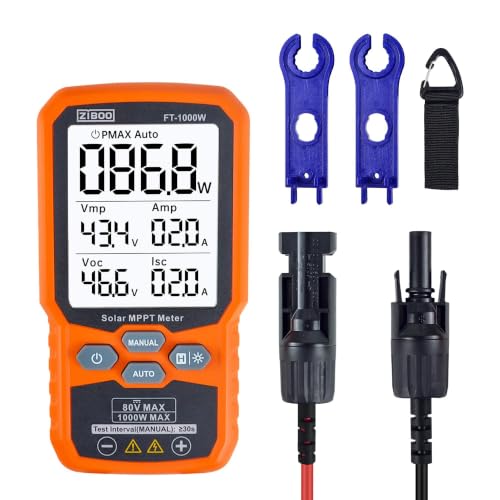
⚡ Professional-Grade PV Testing Measures maximum power (Pmax) up to 1000W, open-circuit voltage (Voc: 12-80V), and short-circuit current (Isc: 35A) with ±0.8% accuracy, ideal for validating solar panel performance in R&D, manufacturing, and field maintenance.
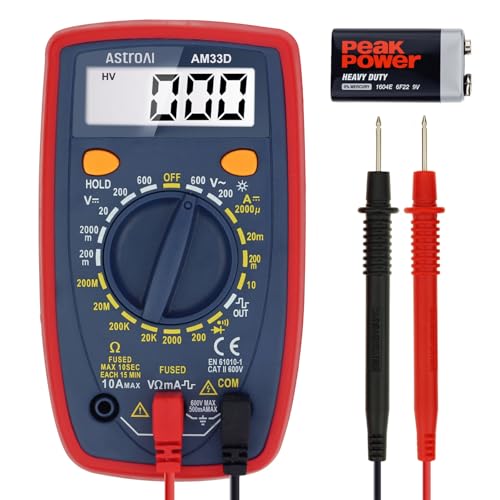
Additional Tips - The following incorrect operations may cause the multimeter not to show results: Firstly, the plugs of test leads are not fully inserted or not inserted into the correct sockets. Secondly, the manual rotary switch is not placed in the correct position. In addition, this meter can not test all AC Current and below 100mV AC Voltage. Please check the user manual carefully before measurement.

Accurately Test Full Features: Accurately measures AC/DC voltage, DC current, resistance, continuity test, diode and batteries.
Evaluating Performance
Evaluating performance involves checking several indicators. If your battery shows a significant drop in energy storage, it may be failing. For example, if your battery used to provide enough power for your daily needs and now struggles to keep up, that’s a red flag. Monitor for unusual noises or smells; these can signal overheating or internal damage. Regular voltage checks with a multimeter provide insights into the battery’s health. If the voltage consistently falls below the manufacturer’s specifications, replacement becomes necessary.
Cost of Replacement vs. Repairs
Considering the cost of replacement versus repairs is crucial. If repairs exceed 50% of the battery’s replacement cost, opting for a new battery often makes more financial sense. You might face repair costs such as replacing connectors or addressing corrosion. Think about the battery’s age too; if it’s nearing the end of its life expectancy, replacement provides a more reliable long-term solution. Calculate the total savings, considering performance and future repair costs, before making the decision.
Conclusion
Keeping an eye on your solar battery’s performance is key to ensuring your system runs smoothly. If you notice any signs of issues like reduced energy storage or unusual noises, it’s time to take action. Regular testing and maintenance can help you catch problems early and extend your battery’s lifespan.
Don’t hesitate to reach out to a professional if you’re unsure about the health of your battery. Making informed decisions about repairs or replacements can save you time and money in the long run. By staying proactive, you’ll enjoy the benefits of a reliable solar energy system for years to come.
Frequently Asked Questions
What are the signs of a malfunctioning solar battery?
Signs of a malfunctioning solar battery include reduced energy storage capacity, flickering lights, appliances not operating smoothly, and unusual noises or smells. Monitoring these signs is crucial to prevent further issues.
How can I test my solar battery?
You can test your solar battery using a multimeter to check the voltage and overall health. Regular voltage checks and load tests will help evaluate the battery’s performance under stress and catch issues early.
How long do solar batteries typically last?
Solar batteries usually last between 5 to 15 years. Lead-acid batteries may show wear after about 5 years, while lithium-ion batteries offer longer life with proper maintenance.
What causes solar battery failure?
Common causes of solar battery failure include age, wear, poor connections, and battery corrosion. Regular maintenance and routine checks are essential for prolonging battery performance.
When should I replace my solar battery?
Consider replacing your solar battery if you notice a significant drop in energy storage or consistent voltage readings below manufacturer specifications. Evaluate repair costs against replacement costs to make a wise decision.
