

Are you tired of your solar battery running out of juice too soon? You’re not alone. Many people rely on solar energy but struggle to keep their batteries lasting as long as they’d like. It can be frustrating when you want to harness the sun’s power but feel like you’re not getting the most out of your investment.
Key Takeaways
- Understand Battery Types: Familiarize yourself with different solar battery types—lead-acid, lithium-ion, flow, and nickel-cadmium—to choose the best option for your energy needs and budget.
- Regular Maintenance Is Key: Conduct regular cleaning, check connections, and monitor battery health to enhance performance and extend lifespan.
- Monitor Charging Habits: Charge your battery during peak sunlight hours and utilize a Battery Management System (BMS) to avoid overcharging.
- Watch Environmental Factors: Keep your battery within the ideal temperature range (32°F to 104°F) to prevent degradation and optimize efficiency.
- Store Properly: Store batteries in dry, cool locations and maintain a charge of around 50% if not used for extended periods to prevent damage.
Understanding Solar Batteries
Understanding solar batteries plays a crucial role in maximizing their lifespan. By knowing the types and components of these batteries, you can take steps to improve their efficiency.
Types of Solar Batteries
Several types of solar batteries exist, each with unique characteristics:
- Lead-Acid Batteries: Commonly used in solar setups, they offer a low initial cost. Their lifespan ranges from 3 to 5 years, depending on maintenance and usage.
- Lithium-Ion Batteries: These batteries have gained popularity due to their longer lifespan, typically 10 to 15 years. They also charge faster and have more energy density than lead-acid batteries.
- Flow Batteries: Ideal for large-scale applications, flow batteries offer extensive flexibility and long cycle life. Their lifespan can exceed 20 years, but they come with higher costs.
- Nickel-Cadmium Batteries: Known for their robustness and tolerance to extreme temperatures, these batteries are less common in residential setups but can last over 15 years.
Choosing the right type depends on your energy needs and budget.
Key Components of Solar Batteries
Understanding the key components helps you monitor and maintain your solar battery effectively:
- Electrolyte: This solution facilitates the chemical reactions within the battery. Maintaining the right level of electrolyte is crucial for performance.
- Battery Cells: Each battery consists of multiple cells that store energy. Check the condition of these cells regularly for damage or corrosion.
- Battery Management System (BMS): The BMS monitors battery health, temperature, and charge levels. It prevents overcharging and deep discharging, essential for battery longevity.
- Connectors and Wiring: Solid connections minimize energy loss. Regularly inspect these components to avoid issues that could affect performance.
Regular attention to these components enhances battery efficiency and lifespan.
Best Practices for Maintenance
Maintaining your solar battery properly ensures it lasts longer and functions efficiently. Implementing regular care strategies can significantly extend its lifespan.
Regular Cleaning Techniques
Clean your solar battery and its terminals regularly. Remove dust, dirt, and debris using a damp cloth. For terminals, a mixture of baking soda and water effectively cleans corrosion. Apply the mixture, scrub gently, and rinse with water. Ensure everything dries completely before reconnecting.
Check for loose connections. Tighten any that feel insecure. Loose connections can cause energy loss and battery drain, reducing efficiency over time.
Monitoring Battery Health
Monitor your battery’s performance frequently. Use a battery management system that provides updates on charge levels and health status. Aim for a charge level between 20% and 80% for optimal health. Deep discharges and overcharging harm battery life, so avoid letting the battery drop too low or charge too high.
Conduct visual inspections for signs of wear or damage. Look for rust, swelling, or leaks. These issues indicate a need for professional examination or replacement.
Regularly assess your battery’s temperature. Ideal temperatures range from 32°F to 104°F. Excess heat or cold can diminish performance. Insulate your battery in extreme conditions to protect it.
By following these best practices, you enhance your solar battery’s performance and longevity, maximizing your investment in solar energy.
Optimizing Charging Habits
Optimizing your solar battery’s charging habits is crucial for extending its lifespan and improving efficiency. Here are key practices to consider.
Recommended Products

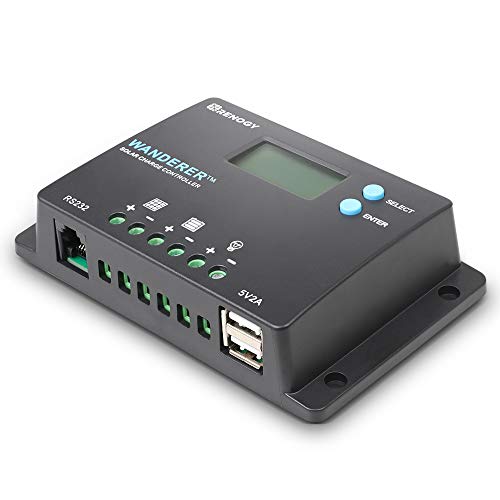
𝐒𝐦𝐚𝐫𝐭 𝟒-𝐒𝐭𝐚𝐠𝐞 12V/24V Solar Charge Controller: Renogy charge controller 𝐦𝐚𝐱𝐢𝐦𝐢𝐳𝐞𝐬 𝐁𝐚𝐭𝐭𝐞𝐫𝐲 𝐋𝐢𝐟𝐞 & 𝐒𝐨𝐥𝐚𝐫 𝐄𝐟𝐟𝐢𝐜𝐢𝐞𝐧𝐜𝐲, this advanced pwm solar charge controller utilizes intelligent 4-stage charging (Bulk/Boost/ Float/Equalization) to optimize power delivery for AGM, Gel, Flooded and Lithium batteries. RV solar charge controller prevents overcharging and gas buildup while 𝐚𝐜𝐡𝐢𝐞𝐯𝐢𝐧𝐠 𝟑𝟎% 𝐥𝐨𝐧𝐠𝐞𝐫 𝐛𝐚𝐭𝐭𝐞𝐫𝐲 𝐥𝐢𝐟𝐞𝐬𝐩𝐚𝐧 compared to basic charge controllers.

5PCS Solar Charge Controller Auto Light Control Circuit Switch Lithium Battery Charging Board Module
Ideal Charging Times
Charge your solar battery during peak sunlight hours, typically between 10 AM and 4 PM. At this time, solar panels produce maximum energy. You gain optimal charging by taking advantage of direct sunlight. For example, if your solar panel generates 300 watts during peak hours and your battery is set to charge during this time, it ensures a full charge while minimizing depletion at night.
Importance of Avoiding Overcharging
Overcharging can significantly damage your solar battery, causing reduced lifespan and potential failure. Use a battery management system (BMS) to monitor charge levels and control the charging process. This system prevents excessive energy flow into the battery, ensuring you don’t exceed recommended voltage levels. For instance, if you have a lithium-ion battery that operates optimally at 14.4 volts, a BMS will stop the charger once it hits that level, protecting the battery’s health.
Environmental Factors to Consider
Several environmental factors significantly influence the lifespan of your solar battery. Understanding these factors allows you to take proactive measures to enhance its durability and performance.
Temperature Impact on Battery Life
Temperature plays a vital role in the health of your solar battery. High temperatures can lead to faster degradation of battery materials, while extremely low temperatures can hinder battery efficiency. For instance, lithium-ion batteries function optimally between 32°F and 104°F (0°C to 40°C). Exposing your battery to temperatures outside this range can shorten its lifespan.
Tip: Keep your battery in a temperature-controlled environment whenever possible. If outdoor storage is necessary, consider insulating the battery or using a shelter to protect it. Regularly monitor the temperature and take measures to keep it within an ideal range.
Storage and Usage Conditions
Storage conditions significantly impact your solar battery’s longevity. Storing batteries in dry, cool places prevents moisture and overheating, both of which can lead to corrosion and damage. Additionally, usage conditions affect battery health; consistently deep discharging your battery reduces its overall lifespan.
Tip: Store your batteries at around 50% charge if not in use for extended periods. If you use your battery regularly, aim for partial discharges instead of full cycles to keep it healthy. Regularly check for any signs of corrosion and clean terminals to avoid connectivity issues.
Conclusion
Taking care of your solar battery is key to maximizing its lifespan and performance. By following the maintenance tips and best practices outlined in this article you can ensure your investment in solar energy pays off for years to come. Regular cleaning monitoring battery health and optimizing charging habits will go a long way in keeping your battery in top shape.
Don’t forget to consider the environmental factors that can impact your battery’s longevity. With a little attention and care you can enjoy reliable energy from your solar battery while reducing the need for replacements. Embrace these strategies and watch your solar battery thrive!
Frequently Asked Questions
How can I extend the lifespan of my solar battery?
To extend the lifespan of your solar battery, regularly clean terminals, monitor charge levels with a battery management system (BMS), and avoid deep discharges. Additionally, charge during peak sunlight hours and ensure proper storage in a cool, dry place when not in use.
What types of solar batteries are available?
Common types of solar batteries include lead-acid, lithium-ion, flow, and nickel-cadmium. Each type has its unique characteristics, such as lifespan and efficiency, making it essential to choose one that fits your solar energy needs.
Why is my solar battery not lasting as long as expected?
A solar battery may not last long due to factors like improper maintenance, frequent deep discharges, overcharging, and environmental conditions such as extreme temperatures. Monitoring and maintaining the battery can help improve its efficiency.
What are the key components of solar batteries?
Key components of solar batteries include electrolytes, battery cells, battery management systems (BMS), and connectors. Understanding these parts is vital for effective maintenance and improving battery lifespan.
How often should I monitor my solar battery?
It’s recommended to monitor your solar battery regularly, ideally weekly. This includes checking charge levels, inspecting for wear, and ensuring connections are secure. Regular monitoring helps prevent energy loss and ensures optimal performance.
What environmental factors affect solar battery performance?
Solar battery performance can be influenced by temperature, humidity, and storage conditions. High temperatures can degrade batteries faster, while extremely low temperatures may hinder efficiency. Keeping batteries in a temperature-controlled environment helps enhance their longevity.
How do I properly store my solar batteries?
To store solar batteries, keep them in a cool, dry place and maintain a charge level of around 50% if not in use for an extended period. Avoiding deep discharges during regular use also helps maintain overall health.
